
Monday to Saturday - 9:00 am -18:00 pm

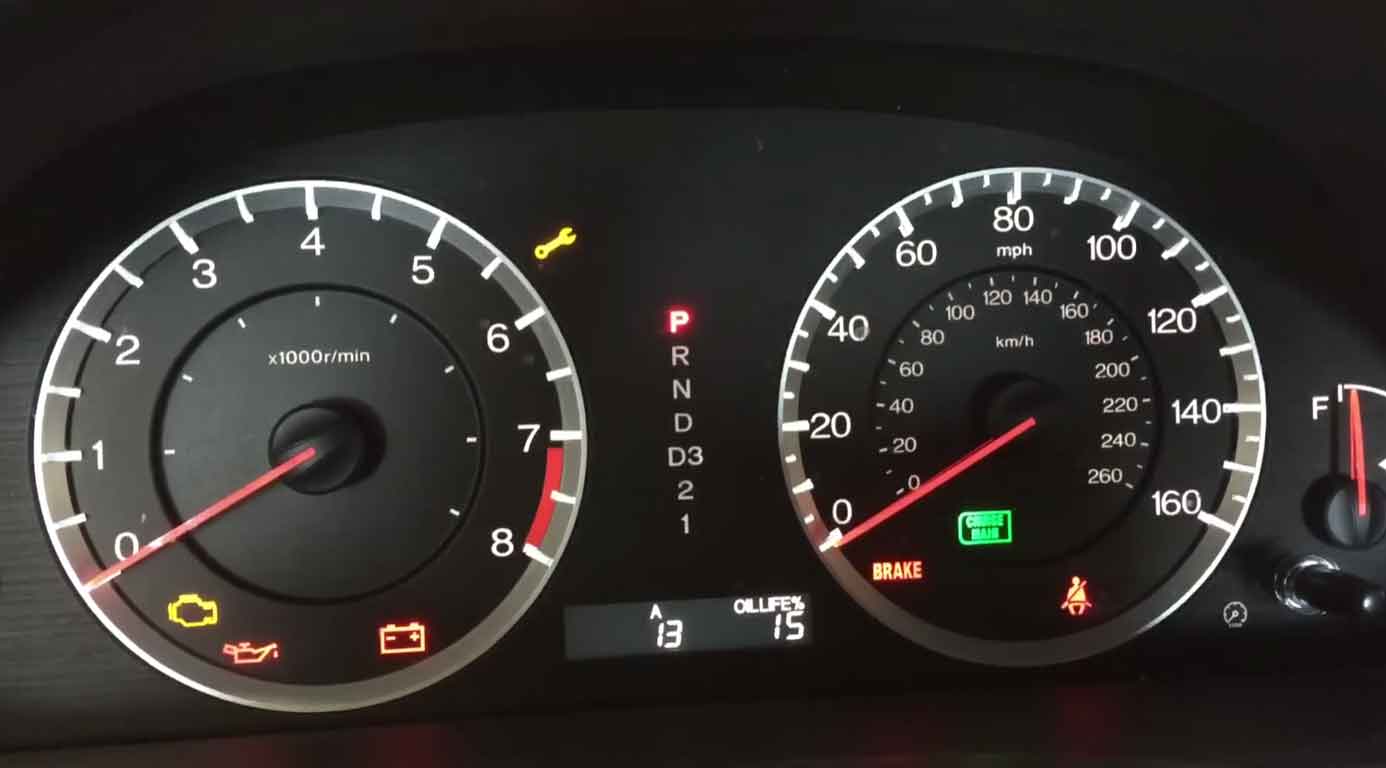
You just started your Honda and saw “A13” pop up on the dashboard. Now you’re wondering what it means.
Don’t worry. This service code is your car’s way of asking for help. It’s not a problem. It’s a reminder.
I’ve been fixing Hondas for over 15 years. The A13 code shows up on Civics, Accords, CR-Vs, Pilots, and Odysseys. Today, I’ll walk you through everything you need to know.
By the end of this guide, you’ll understand what A13 means. You’ll know what work needs doing. And you’ll learn how to clear the code yourself.
Let’s get started.
Table of Contents
- Understanding the Honda A13 Code
- Complete A13 Service Checklist
- How Much Does A13 Service Cost?
- Resetting Your A13 Service Light
- Honda Maintenance Code Reference Chart
- Why A13 Service Matters for Your Honda
- Common Questions About A13 Service
Understanding the Honda A13 Code
Honda uses something called a Maintenance Minder system. This smart system watches how you drive. It tracks your mileage. It monitors your engine.
When your car needs attention, a code appears on your instrument panel.
The A13 code tells you three things need fixing:
A = Your engine oil and filter need replacing
1 = Your tires need rotating and checking
3 = Your transmission fluid needs changing
Each letter and number means a specific job. When they combine, you get your maintenance plan.
In my shop, I see A13 codes most often around 30,000 to 60,000 miles. But your driving style affects when it appears.
Complete A13 Service Checklist
Here’s exactly what happens during an A13 service:
| Task Number | What Gets Done |
|---|---|
| 1 | Fresh engine oil goes in |
| 2 | New oil filter installed |
| 3 | All four tires get rotated |
| 4 | Transmission fluid replaced |
Let me break down each task.
Fresh Engine Oil Installation
Old oil gets dark and dirty. It picks up metal bits and carbon deposits.
From years under the hood, I can tell you this: dirty oil kills engines slowly.
Fresh oil does three important jobs:
- Keeps metal parts from grinding together
- Carries heat away from hot spots
- Cleans out harmful particles
Most Hondas need 0W-20 or 5W-30 oil. Always check your owner’s manual first.
Changing oil isn’t hard. You need a drain pan, a wrench, and about 30 minutes. But if you’re not comfortable, any mechanic can help.
Oil Filter Swap
Every oil change needs a new filter. No exceptions.
Think of your oil filter like a coffee filter. Over time, it fills up with junk. When it’s full, dirty oil flows right through.
A clogged filter can’t catch debris anymore. That debris goes straight into your engine.
When I service a car like this, I always use OEM Honda filters or quality aftermarket brands like Fram or Purolator.
The filter threads on by hand. It costs between $5 and $15. This small part protects your entire engine.
Tire Rotation and Inspection
Your tires don’t wear evenly. Front tires wear faster than rear ones. They handle steering and most of the braking.
Rotating tires means moving them to different positions. This spreads out the wear.
During rotation, I check for:
- Uneven tread patterns
- Cuts or bulges in the sidewall
- Objects stuck in the grooves
- Proper air pressure in all four tires
Proper tire pressure matters more than people think. Under-inflated tires waste gas. Over-inflated tires reduce grip.
I use a simple tire gauge that costs $10. Every driver should own one.
Transmission Fluid Replacement
Your transmission shifts gears smoothly because of special fluid inside.
This fluid does several jobs:
- Lubricates moving gears
- Cools down hot parts
- Creates hydraulic pressure for shifting
Over time, transmission fluid breaks down. It gets contaminated with metal shavings. Dark, burnt-smelling fluid means trouble.
Changing transmission fluid involves draining the old stuff completely. Then we refill with Honda ATF (Automatic Transmission Fluid) to the correct level.
This job requires getting under the car. You need a drain pan, a funnel, and about 3 to 4 quarts of fluid.
In my shop, this is the most technical part of A13 service. If you’re not experienced with transmissions, let a pro handle it.
How Much Does A13 Service Cost?
Prices vary by location and who does the work. Here’s what to expect:
Oil and filter change: $35 to $75
Tire rotation: $25 to $50
Transmission fluid change: $100 to $200
Total A13 service cost: $160 to $325
Two places can do this work: Honda dealerships and independent shops.
Dealership vs Independent Shop
Honda dealers charge more. But you get:
- Factory-trained technicians
- Genuine Honda parts
- Updated service records in Honda’s system
- Warranty protection on the work
Independent mechanics cost less. Good ones use quality parts and know Hondas well.
I run an independent shop. We charge about 20% less than dealers. Our quality matches theirs.
DIY Option
Want to save money? Do it yourself.
You’ll only pay for parts:
- Oil and filter: $25 to $40
- Transmission fluid: $30 to $50
- Total: $55 to $90
You save all the labor charges. That’s $100 to $200 in your pocket.
But be honest about your skills. Transmission work can get messy. If you’re not sure, get help.
Resetting Your A13 Service Light
After finishing the service, the code needs clearing.
Most mechanics do this automatically. Sometimes they forget. When that happens, the annoying light stays on.
You can reset it yourself. Here’s how:
- Turn the ignition to ON (don’t start the engine)
- Press the SELECT button until oil life shows
- Hold the SELECT button for 10 seconds
- The oil life will blink
- Hold SELECT for 5 more seconds
- The display resets to 100%
Different Honda models have slight variations. Check your owner’s manual for exact steps.
Some newer Hondas use the touchscreen. Go to Settings, then Vehicle, then Maintenance Info, then Reset.
Honda Maintenance Code Reference Chart
Here are all the main codes you might see:
Main Service Codes
| Code | What It Means |
|---|---|
| A | Change engine oil only |
| B | Change oil and filter, plus inspect multiple systems |
Sub-Service Codes
| Code | What It Means |
|---|---|
| 1 | Rotate tires |
| 2 | Replace air filter and cabin filter, check drive belt |
| 3 | Change transmission fluid |
| 4 | Replace spark plugs, check valve clearance |
| 5 | Replace engine coolant |
| 6 | Change rear differential fluid (AWD models) |
| 7 | Replace brake fluid |
| 8 | Replace timing belt and water pump (older models) |
Codes combine to tell you everything needed. For example, B12 means oil, filter, inspection, tire rotation, and air filters.
Why A13 Service Matters for Your Honda
Regular maintenance keeps your Honda running strong. Here are five real benefits:
Your Transmission Stays Healthy
Fresh fluid prevents gear grinding. It stops slipping. It keeps shifting smooth.
I’ve seen transmissions fail at 80,000 miles from neglect. I’ve also seen them go 250,000 miles with proper care.
The difference? Regular fluid changes.
You Drive Safer
Good tires grip the road better. Clean oil keeps your engine from seizing.
When I inspect a car thoroughly, I find problems before they cause breakdowns. Worn brake pads. Leaking hoses. Loose belts.
Fixing small problems prevents big emergencies.
You Save Money on Gas
Fresh oil reduces friction. Proper tire pressure cuts rolling resistance.
Together, these save 5% to 10% on fuel. Over a year, that’s real money.
You Catch Problems Early
During A13 service, we look at many parts. We spot issues before they explode.
A small transmission leak costs $50 to fix now. Ignore it, and you’ll need a $3,000 rebuild later.
Prevention always costs less than repair.
You Help the Environment
Well-maintained cars pollute less. Fresh oil burns cleaner. Proper tire pressure means less fuel waste.
Your Honda will produce fewer harmful emissions. That’s better for everyone.
Wrapping Up
The A13 service keeps your Honda in top shape. It combines three essential tasks: fresh oil, tire care, and transmission fluid.
Understanding these services helps you make smart choices. You know what to expect. You know what it costs. You can decide between DIY and professional help.
After A13 service, your Honda will feel different. Smoother shifts. Quieter engine. Better handling.
That’s what proper maintenance does.
Common Questions About A13 Service
What exactly does A13 mean on my Honda dashboard?
A13 is a maintenance reminder. The “A” means change your oil and filter. The “1” means rotate your tires. The “3” means replace your transmission fluid. Your Honda needs all three jobs done.
How often should I do A13 service?
Most Hondas show A13 between 30,000 and 60,000 miles. But driving conditions matter. City driving, towing, or extreme temperatures make service due sooner. Your Maintenance Minder system calculates based on your actual driving.
Can I do A13 service myself or should I go to a mechanic?
Oil changes and tire rotations are DIY-friendly. You need basic tools and about an hour. Transmission fluid changes are trickier. You need to get under the car and measure fluid levels precisely. If you’re not confident with this, hire a mechanic.
What happens if I ignore the A13 code?
Your car won’t stop immediately. But problems build up. Old oil wears out your engine. Worn tires reduce safety. Dirty transmission fluid causes shifting problems. Eventually, you’ll face expensive repairs. The A13 service costs $200. A new transmission costs $4,000.
Does A13 service differ between Honda models?
The basic tasks stay the same across all models. But fluid types and amounts vary. A Civic uses less oil than a Pilot. Some models need different transmission fluid. Always follow your specific owner’s manual recommendations.