
Monday to Saturday - 9:00 am -18:00 pm

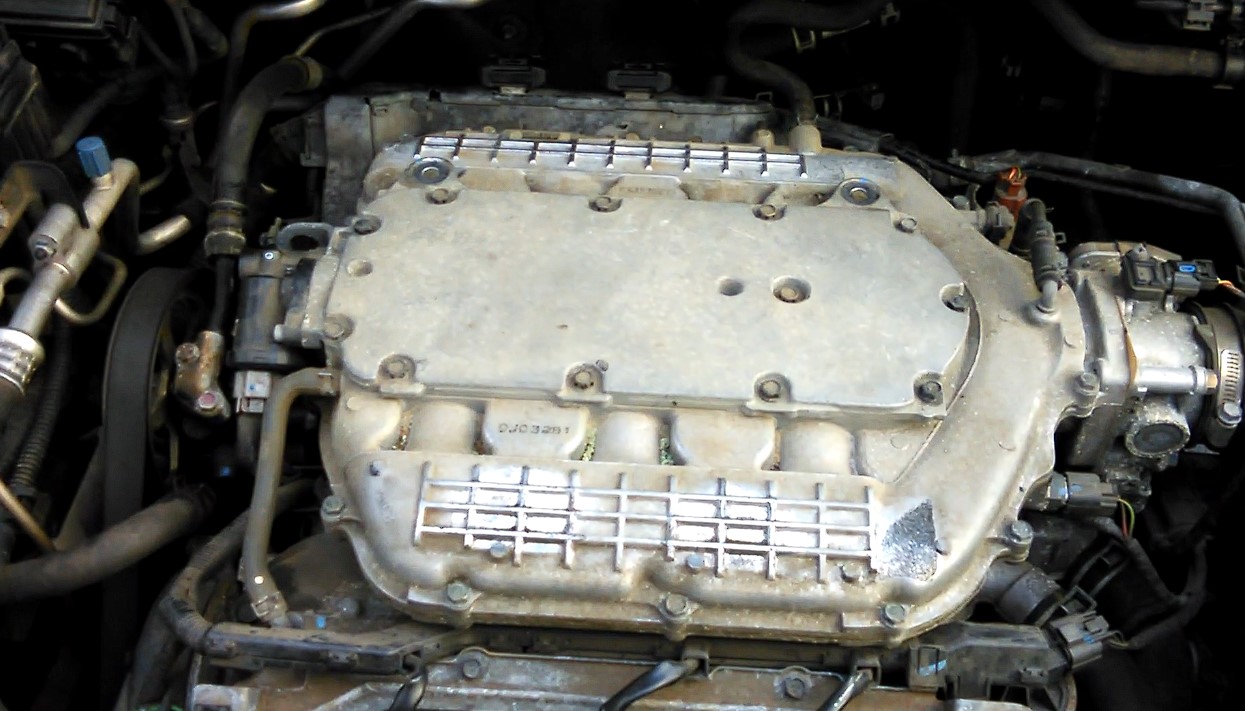
Working on a Honda Odyssey engine can feel tricky if you don’t know the firing order. Trust me, I’ve been there.
After years of turning wrenches in my shop, I’ve learned that knowing your cylinder sequence saves time. It helps you fix misfires faster. It makes tune-ups easier too.
In this guide, I’ll walk you through everything about the Honda Odyssey firing order. You’ll learn which cylinder fires when. You’ll see clear diagrams. And you’ll understand why this matters for your minivan.
What Is a Firing Order?
Let me explain this in simple terms.
A firing order tells you the exact sequence your spark plugs fire. Each cylinder needs to ignite at the right time. If they don’t, your engine runs rough.
Think of it like a dance. Each cylinder takes its turn. The timing must be perfect.
The computer controls this timing in modern vehicles. But the firing order stays the same. It’s built into the engine design.
When I diagnose a misfire, the firing order is one of the first things I check. It helps me trace ignition problems quickly.
Honda Odyssey Firing Order by Generation
Honda has used two main firing orders for the Odyssey. Let me break them down for you.
1995-1998 Honda Odyssey (First Generation)
The early Odyssey used a 2.2L four-cylinder engine.
Firing Order: 1-3-4-2
This engine was simpler. It had four cylinders in a straight line. Honda designed it for reliability and fuel economy.
I don’t see many of these first-gen models anymore. But when I do, they’re usually still running strong.
1999-2024 Honda Odyssey (Second Generation Onward)
Starting in 1999, Honda switched to V6 engines. This changed everything.
Firing Order: 1-4-2-5-3-6
This applies to:
- 1999-2004 models (3.5L V6)
- 2005-2010 models (3.5L V6)
- 2011-2017 models (3.5L V6)
- 2018-2024 models (3.5L V6)
Honda kept the same firing sequence across all V6 generations. That’s good news for mechanics like me. Once you learn it, you know it for life.
Honda Odyssey Cylinder Numbering
Here’s where many DIY mechanics get confused.
The cylinder numbers don’t go in the order you might think. Let me show you the layout.
V6 Engine Cylinder Layout
On the Honda V6, you have two cylinder banks.
Front Bank (closer to radiator):
- Cylinder 1
- Cylinder 3
- Cylinder 5
Rear Bank (closer to firewall):
- Cylinder 2
- Cylinder 4
- Cylinder 6
Stand at the front of your Odyssey. Look at the engine. The odd numbers are on your right side. The even numbers are on your left side.
In my shop, I always mark the coil packs before removing them. This saves me from mixing them up later.
Why This Layout Matters
When you replace spark plugs, you need to know which is which. When you swap ignition coils, the numbering is critical.
I once had a customer come in with a persistent misfire. Another shop had replaced the “wrong” coil. They didn’t understand the cylinder numbering. Fifteen minutes later, I had it fixed.
Understanding the 1-4-2-5-3-6 Firing Sequence
Let me walk you through what this sequence means.
The engine fires in this exact order:
- Cylinder 1 fires first
- Then Cylinder 4
- Then Cylinder 2
- Then Cylinder 5
- Then Cylinder 3
- Finally Cylinder 6
Then the cycle repeats. Over and over. Thousands of times per minute.
This sequence balances the engine. It reduces vibration. It spreads the power pulses evenly.
Honda engineers spent years perfecting this pattern. It’s not random.
How This Affects Engine Performance
A correct firing order gives you smooth acceleration. Your engine idles quietly. The power delivery feels consistent.
But if something goes wrong in the sequence, you’ll notice immediately. The engine shakes. It loses power. The check engine light comes on.
From years under the hood, I can often hear a firing order problem. The engine makes an uneven rhythm. It sounds off-beat.
Common Firing Order Problems
Let me share what I see most often in my bay.
Spark Plug Issues
Worn spark plugs throw off the firing sequence. The gap gets too wide. The plug misfires or fires late.
Symptoms I notice:
- Rough idle
- Engine hesitation
- Poor fuel economy
- Check engine light
I recommend changing Honda Odyssey spark plugs every 60,000 to 100,000 miles. Use NGK or Denso plugs. They’re OEM quality.
Ignition Coil Failure
Coil packs go bad over time. When one fails, that cylinder stops firing.
What I see happening:
- Random misfires
- Cylinder-specific misfire codes
- Engine shaking at idle
- Loss of acceleration
Honda coils usually last 80,000 to 120,000 miles. But I’ve seen them fail earlier in harsh climates.
When I diagnose a coil, I use my Snap-on scanner. I check for misfire counts. Then I swap coils between cylinders. If the misfire moves, I know it’s the coil.
Distributor Problems (Older Models)
The 1995-1998 models have distributors. These can wear out.
Signs of distributor wear:
- Engine won’t start
- Stalling at stops
- Backfiring
- Poor performance
I’ve replaced dozens of these over the years. The cap and rotor wear out first. Replacing them is usually under $100 in parts.
How to Diagnose Firing Order Issues
Let me teach you my process.
Step 1: Read the Trouble Codes
Hook up an OBD2 scanner. Check for misfire codes.
Common codes I see:
- P0300 (Random misfire)
- P0301 to P0306 (Cylinder-specific misfires)
These codes tell you which cylinder has the problem. Write them down.
Step 2: Visual Inspection
Pop the hood. Look at the ignition coils and wires.
Check for:
- Cracked coil boots
- Damaged wires
- Oil leaking on coils
- Loose connections
I keep a flashlight in my tool chest for this. Good lighting shows problems you’d otherwise miss.
Step 3: Test Spark Plugs
Pull the spark plugs one at a time. Inspect each one.
What I look for:
- Electrode wear
- Carbon buildup
- Oil fouling
- Correct gap (usually 0.039 to 0.043 inches)
I use a gap tool to check every plug. Even new plugs sometimes have the wrong gap.
Step 4: Check Ignition Coils
Test the coils with a multimeter. Measure the resistance.
Most Honda coils should read:
- Primary resistance: 0.6 to 0.8 ohms
- Secondary resistance: 12k to 18k ohms
Out-of-spec readings mean the coil is bad. Replace it.
I also do a spark test. Pull a coil, attach a spark tester, and crank the engine. You should see bright blue spark.
Step 5: Compression Test
If everything else checks out, test compression.
Low compression in one cylinder means internal engine problems. Worn rings, burned valves, or head gasket issues.
Normal Honda V6 compression is 170 to 200 PSI. All cylinders should be within 10% of each other.
I use a Lisle compression tester. It’s held up through thousands of tests.
Step-by-Step Spark Plug Replacement
Here’s how I replace plugs on a Honda Odyssey.
Tools You’ll Need
- 5/8 inch spark plug socket
- 6-inch extension
- Ratchet wrench
- Torque wrench
- Dielectric grease
- Anti-seize compound
- Spark plug gap tool
The Process
1. Let the engine cool down completely. Hot engines can burn you. Wait at least an hour after driving.
2. Remove the engine cover. Most Odyssey models have a plastic cover on top. Pull it straight up.
3. Disconnect the ignition coils. Press the tab and pull the connector. Then unbolt the coil (usually one 10mm bolt).
4. Remove the old spark plugs. Use the spark plug socket. Turn counterclockwise. Be gentle.
5. Check the plug gap on new plugs. Even pre-gapped plugs need verification. Adjust if needed.
6. Apply anti-seize to the threads. Just a tiny amount. Don’t get any on the electrode.
7. Install the new plugs. Hand-thread them first. Then torque to 13 lb-ft.
8. Apply dielectric grease to coil boots. This prevents moisture and makes future removal easier.
9. Reinstall the coils and connectors. Torque the bolts to proper spec.
10. Replace the engine cover. Snap it back in place.
In my shop, this job takes about 45 minutes. A DIYer might need an hour and a half.
Tips from a Professional Mechanic
Let me share some wisdom I’ve gained over the years.
Always Replace All Spark Plugs Together
Don’t just replace one or two. Do all six at once.
This ensures even performance. All cylinders get fresh spark. You won’t be back under the hood in a few months.
Use Quality Parts
Cheap spark plugs fail early. Cheap coils cause problems.
I stick with:
- NGK or Denso spark plugs
- OEM Honda coils (or Delphi aftermarket)
Yes, they cost more upfront. But they last longer. They perform better. You save money in the long run.
Mark Everything Before Removal
I use masking tape and a marker. I label each coil with its cylinder number.
This prevents mistakes during reassembly. Trust me, it’s worth the extra minute.
Check for Oil Leaks
While you have the coils off, inspect for oil in the plug wells.
Oil leaks can foul new plugs quickly. Fix the leak first, then replace the plugs.
I’ve seen valve cover gaskets leak on high-mileage Odysseys. The repair adds time but prevents repeat failures.
Clear the Codes After Repairs
Once you’ve fixed the problem, clear the trouble codes. Drive the vehicle for a few days.
If the light comes back, you missed something. Time to dig deeper.
Frequently Asked Questions
What happens if spark plugs are installed in the wrong order?
The cylinders still fire correctly. The PCM controls the firing sequence. But mixing up plug wires on older vehicles causes major problems.
On modern coil-on-plug systems, there are no wires to mix up. Each coil connects directly to its cylinder.
How often should I replace spark plugs in a Honda Odyssey?
Honda recommends every 60,000 to 100,000 miles. I usually suggest the lower end.
City driving is harder on plugs. Replace them at 60,000 miles if you do mostly short trips.
Can I change the firing order?
No. The firing order is programmed into the engine’s design. The crankshaft, camshaft, and computer all work together.
Changing it would require a complete engine redesign. Not possible for regular mechanics.
Why does my Odyssey misfire on cylinder 3?
Cylinder 3 is in the front bank. Common causes include:
- Bad spark plug
- Failed ignition coil
- Vacuum leak
- Low compression
Start with the simple stuff. Check the plug and coil first.
Do all Honda V6 engines use the same firing order?
Most do, but not all. The J35 engine in the Odyssey uses 1-4-2-5-3-6.
But some older Honda V6 engines used different sequences. Always verify for your specific model.
Final Thoughts from the Shop
Understanding your Honda Odyssey’s firing order makes repairs easier. It helps you diagnose problems faster. It gives you confidence when working under the hood.
I’ve been working on these vans for over fifteen years now. The J35 engine is one of Honda’s best designs. With proper maintenance, it’ll run past 200,000 miles.
Keep your spark plugs fresh. Replace coils when they fail. Follow the firing order guidelines in this article.
Your Odyssey will reward you with years of reliable service. That’s what I’ve seen time and time again in my shop.
If you’re ever unsure about a repair, ask a professional. Some jobs are perfect for DIY. Others need a trained mechanic. Know your limits.
Safe wrenching out there.