
Monday to Saturday - 9:00 am -18:00 pm

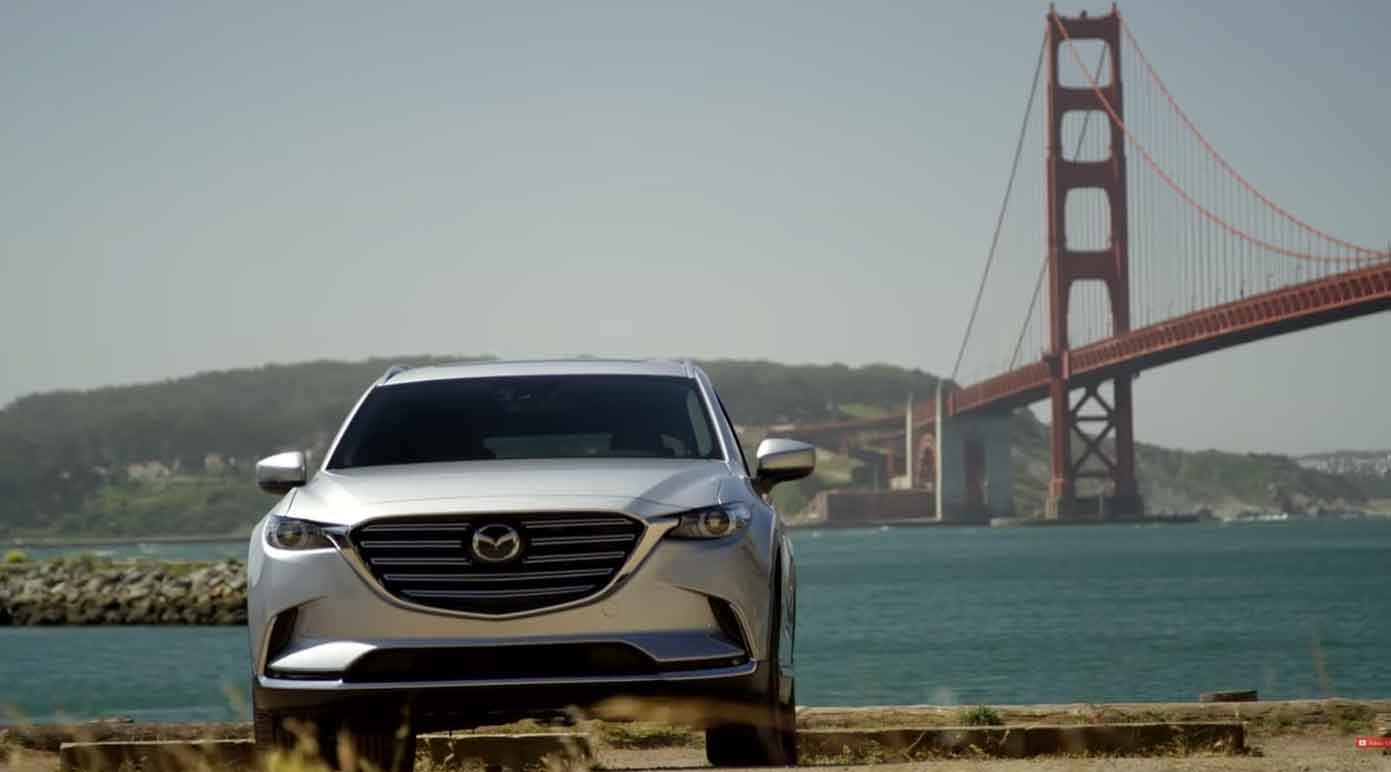
When properly maintained, the Mazda CX-9 can run strong for 15-20 years. I’ve worked on dozens of these three-row SUVs in my shop. Some model years hold up better than others. In this guide, I’ll share which CX-9 years you should skip and which ones are worth buying.
Problem Years: Which CX-9 Models to Skip
From my years working on Mazdas, certain CX-9 model years show up in my bay more often. Here are the years I tell friends and family to avoid:
- 2008
- 2010
- 2011
- 2012
- 2016
2008 CX-9: Skip This First-Generation Model
The 2008 model kicked off the CX-9 lineup. It came with Ford’s 3.7-liter V6 engine. This motor had decent power for highway merging. The cabin offered three rows of seats for families.
But here’s the problem. I’ve seen too many 2008 models with window regulator failures. The power windows stop working. The transmission also causes headaches. It shifts roughly or slips between gears.
The brake system develops issues too. Based on repair data and customer complaints, this year has more problems than it’s worth. I recommend looking at newer models instead.
2010 CX-9: Expensive Repairs Ahead
The 2010 CX-9 drives smoothly when everything works. It handles curves well. The engine provides good acceleration for a family SUV.
However, this year comes with costly repair bills. In my shop, I’ve replaced many brake boosters on 2010 models. This part helps you stop the vehicle safely. When it fails, your brake pedal feels hard or doesn’t work right.
The water pump is another weak spot. When it breaks, coolant leaks into places it shouldn’t go. This can damage the engine internally. Repairs run into thousands of dollars. Other model years don’t have these issues as often.
2011 CX-9: Multiple System Failures
From my experience, 2011 was a rough year for the CX-9. I’ve diagnosed serious problems across multiple systems in this model.
The brakes fail more often than they should. Stopping power decreases over time. This creates dangerous driving situations. The airbag system also malfunctions. Warning lights appear on the dashboard.
The transmission has problems too. It hesitates when shifting. Sometimes it won’t go into gear properly. And that water pump issue from 2010? It continues in 2011 models.
When coolant mixes with engine oil, metal parts wear out fast. The repair costs add up quickly. Most owners I’ve talked to wish they had bought a different year.
2012 CX-9: High Complaint Rate
The 2012 CX-9 received more owner complaints than any other year. I see why when these vehicles roll into my garage.
Brake booster failures happen frequently. The engine develops problems because of faulty water pumps. Replacing a water pump on the CX-9 takes several hours of labor. Parts aren’t cheap either.
Despite these issues, the CX-9 handles well for its size. It drives more like a car than a truck. The cabin design looks good. The third row fits adults comfortably. But the reliability problems outweigh these benefits.
2016 CX-9: Tech Problems and Complexity

Mazda redesigned the CX-9 for 2016. They added luxury features and a turbocharged engine. The styling improved significantly.
But the infotainment system causes constant frustration. It glitches during startup. The screen freezes or reboots randomly. Unlike competitors, it lacks Android Auto and Apple CarPlay support.
The second-row seats fold in a complicated way. Many owners struggle with the 60/40 split mechanism. In my shop, I’ve shown customers how to work it properly. It shouldn’t be this difficult.
When buying used, knowing which years to avoid saves money. It also prevents safety concerns. You want a vehicle that won’t leave your family stranded.
Top Years: Most Dependable CX-9 Models
Not all CX-9 years have problems. Some models run reliably for years. Owners love the smooth ride and premium feel. Here are the best years to consider:
2007 CX-9: Solid Debut Model
The 2007 CX-9 launched as Mazda’s first three-row SUV. It impressed reviewers right away. The exterior design looked sharp. The driving experience felt sporty and fun.
This model came with a 273-horsepower V6 from Ford. It delivered good fuel economy for its size. Highway mileage reached 22 mpg. Government crash tests gave it five stars. Rollover resistance scored four stars.
One issue to watch: the water pump can fail. This is an expensive fix. Check for signs of leaks during inspection. Also test the transmission for hard shifts or slipping.
When buying a 2007 model, verify the maintenance history. Make sure the previous owner changed oil regularly. Check all fluid levels: engine oil, coolant, power steering fluid, and transmission fluid. Keep mileage under 150,000 for best results.
2009 CX-9: Improved Features
The 2009 CX-9 builds on the 2007 foundation. Mazda added useful features this year. A trip computer now comes standard. Bluetooth phone capability was added to Sport models.
Upper trims got nice upgrades. The moonroof, Bose audio system, and rear entertainment package became available. Grand Touring models included a tow package and auto-dimming mirror.
From a mechanic’s view, this year holds up well. The safety rating remains excellent. The elegant design stands out. The cabin offers plenty of cargo space for family trips.
The ride might feel stiff with 20-inch wheels. Long rear doors make tight parking difficult. Braking takes slightly longer than some competitors. But overall reliability is strong.
2013-2015 CX-9: Peak Reliability Period
In my shop, I see fewer problems with 2013-2015 CX-9 models. These years hit a sweet spot for dependability. Mazda used quality materials and better engineering.
The turbocharged engine provides strong performance. The suspension tuning feels refined. Build quality improved across the board. Rigorous testing by Mazda paid off.
Safety features are excellent. Anti-lock brakes come standard. Traction control and rollover protection help in emergencies. Touring and Grand Touring trims add more features: backup camera, blind spot monitoring, and active head restraints.
Crash test results look good. The CX-9 earned four stars for frontal and side impacts. Roof strength scored marginal, but overall safety is above average.
Owners praise the comfortable ride. The cabin feels luxurious. The interior is spacious enough for growing families. The steering responds quickly. Handling inspires confidence on curvy roads.
The brakes work smoothly. The transmission shifts without hesitation. These years manage city and highway driving equally well.
Some drivers dislike the dial-controlled interface. It takes getting used to. The lack of Android Auto and Apple CarPlay disappoints tech-savvy buyers. But mechanical reliability makes up for these minor complaints.
2017-2020 CX-9: Modern and Dependable

Mazda launched the redesigned CX-9 in 2016. But based on my repair records, 2017-2020 models work better. They combine style, power, and reliability successfully.
These years use a 2.5-liter turbocharged four-cylinder engine. It produces 227 horsepower with regular gas. Use premium fuel and you get 250 horsepower. Torque hits 310 lb-ft, which helps with acceleration.
The engine moves the CX-9 smoothly down the road. Cornering feels natural and controlled. The handling makes driving enjoyable, not boring.
Advanced safety systems come standard. Blind-spot monitoring watches your sides. Rear cross-traffic alert helps when backing up. Lane keep assist gently guides you back if you drift.
Unlike jerky systems in other vehicles, the CX-9’s lane assist feels natural. It nudges rather than yanks the steering wheel. This makes highway driving less tiring.
The Insurance Institute for Highway Safety gave it a Top Safety Pick+ award. The National Highway Traffic Safety Administration rated it five stars. These are the highest safety scores possible.
From a reliability standpoint, 2017-2020 models visit my shop mainly for routine maintenance. Oil changes, tire rotations, and brake pad replacements. That’s what you want in a used vehicle.
Smart Buying Tips for Used CX-9s
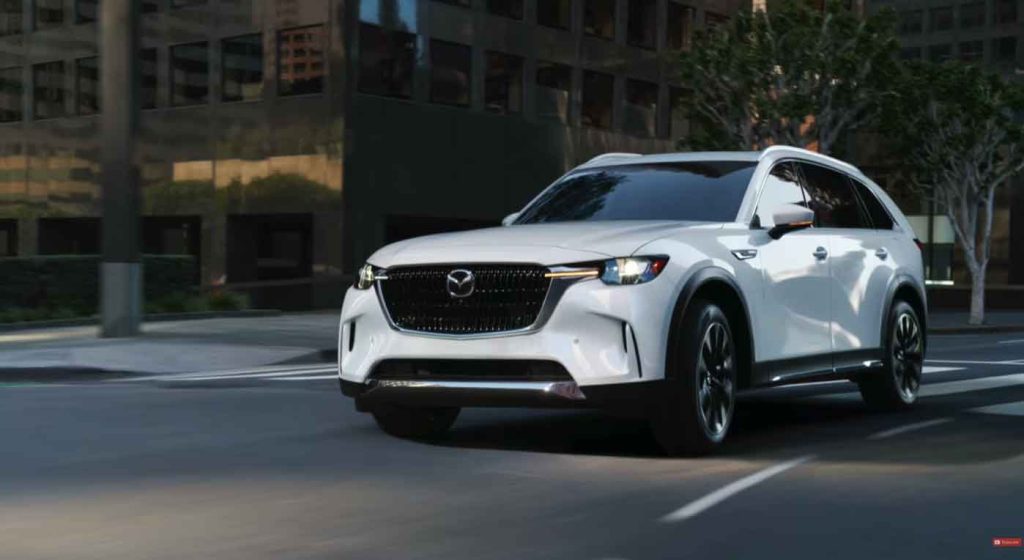
The Mazda CX-9 offers great value as a used three-row SUV. It combines style with driving fun. Fuel economy beats many competitors. Premium features make it feel expensive.
But like any used vehicle, you need to be careful. Here are my professional tips for avoiding problems:
Always Review the Service Records
Recent model years usually receive better care. The previous owner probably kept up with oil changes and scheduled maintenance.
Ask the dealer or seller to show you the complete service history. Look for regular maintenance intervals. Check if recommended services were completed on time.
Oil changes should happen every 5,000-7,500 miles. Transmission fluid needs changing every 30,000-60,000 miles. Coolant flushes typically happen at 100,000 miles.
If service records are missing, consider walking away. You don’t know what problems might be hiding.
Check for Open Recalls
Mazda builds quality vehicles overall. But recalls happen to every manufacturer. The CoPilot app helps you find active recalls quickly.
Enter the Vehicle Identification Number (VIN) to see if any safety recalls apply. Mazda dealers fix recall issues for free. Make sure this happens before you buy.
Also inspect belts and hoses carefully. These rubber parts crack and dry out over time. If they haven’t been replaced recently, budget for this maintenance.
Get a Pre-Purchase Inspection
Before handing over your money, take the CX-9 to a trusted mechanic. A thorough inspection reveals hidden problems. This small investment saves you from expensive surprises later.
The inspection should cover everything:
Check tire pressure in all four tires. Measure tread depth for uneven wear. Low tread means new tires soon.
Verify all fluid levels are correct. Oil should be clean and full. Coolant should be the right color. Brake fluid shouldn’t look dark or contaminated.
Test the brakes for responsiveness. Listen for grinding or squealing noises. Feel for vibrations when stopping.
Start the engine and listen for unusual sounds. Knocking, ticking, or rattling could signal problems. The engine should idle smoothly without hesitation.
Take a test drive on different roads. Accelerate hard to test transmission shifts. Drive on bumpy roads to check suspension. Make sharp turns to feel the handling.
If the CX-9 has a power liftgate, test it several times. These systems fail occasionally. Repairs cost $500-$1,000 or more.
Check that the smart key technology works properly. Stand near the vehicle and pull the door handle. It should unlock automatically. Press the start button without inserting the key. The engine should start smoothly.
Avoid High-Mileage Examples
I generally recommend avoiding CX-9 models with over 100,000 miles. Higher mileage means more wear on critical parts. Problems appear more frequently. Repairs become necessary sooner.
Look for examples with 60,000-80,000 miles if possible. These vehicles have life left but aren’t brand new. The price is reasonable. Most major components still work well.
If you find a high-mileage CX-9 with excellent service records, it might be okay. But have your mechanic inspect it extra carefully. Check for oil leaks, transmission problems, and suspension wear.
Final Thoughts
The Mazda CX-9 makes an excellent family SUV when you choose the right year. Avoid the problem years: 2008, 2010, 2011, 2012, and 2016. Focus on reliable years: 2007, 2009, 2013-2015, and 2017-2020.
From my years working on these vehicles, the 2013-2015 and 2017-2020 models offer the best combination. They’re reliable, safe, and enjoyable to drive. Repair costs stay reasonable with proper maintenance.
Before buying any used CX-9, review service records carefully. Check for open recalls. Get a pre-purchase inspection from a qualified mechanic. Keep mileage under 100,000 for best results.
Following these guidelines helps you find a dependable CX-9. Your family will enjoy years of comfortable, safe transportation. And you’ll avoid the repair headaches that come with problem years.
If you have specific questions about a CX-9 you’re considering, feel free to contact us or leave a comment below. I’m happy to share more insights from my experience in the shop.