
Monday to Saturday - 9:00 am -18:00 pm

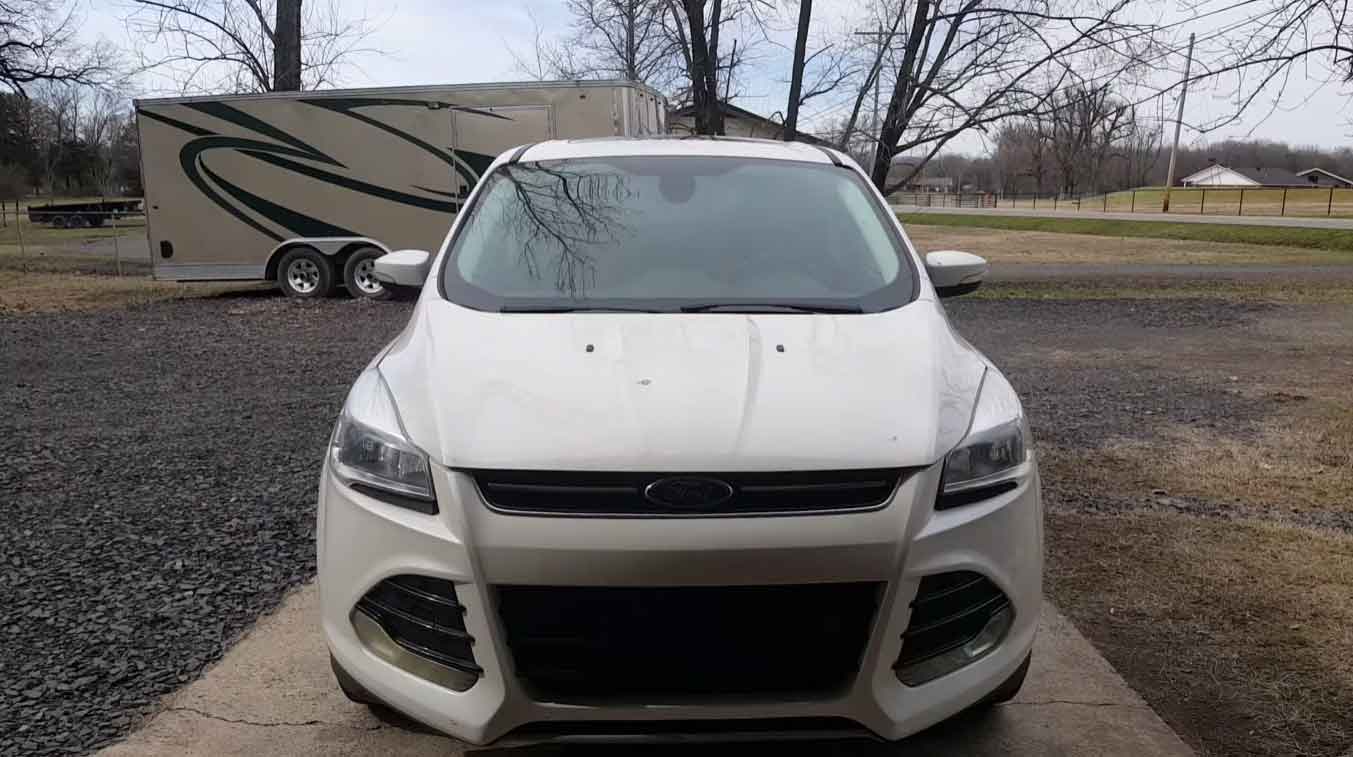
The transmission moves power from your engine to your wheels. When this system breaks, your car won’t run right.
Ford Escape and Focus owners often see “Transmission Fault Service Now” on their dashboard. This warning means something is wrong with your transmission. You need to fix it fast.
In my shop, I’ve seen this problem dozens of times. This guide will help you understand what’s happening and how to fix it.
What You Need to Know About Transmission Problems
Before fixing anything, you need to know what’s broken. Let me explain the basics from my years under the hood.
How Your Transmission Works
Your transmission is like a middleman. It takes power from the engine and sends it to the wheels. It uses gears to control speed and power.
Without a working transmission, your car won’t move.
Different Types of Transmissions
Cars use several transmission types:
- Manual (you shift gears yourself)
- Automatic (shifts for you)
- CVT (uses belts instead of gears)
- Semi-automatic (mix of both)
- Dual-clutch (two clutches for faster shifts)
Each type can break down over time. When I service cars like these, I see wear on all transmission types.
Problems I See Every Day
The most common transmission issues include:
- Gears that slip while driving
- Fluid leaking under your car
- Grinding sounds when shifting
- Delays when changing gears
- Dashboard warning lights
What Does “Transmission Fault Service Now” Really Mean?
This warning pops up when your car’s computer finds a transmission problem. It’s your car saying “Help me now!”
The message appears on your instrument cluster. Your car’s Transmission Control Module (TCM) spotted something wrong. This could be a mechanical part, an electrical sensor, or a fluid problem.
When I plug in my scanner tool, the TCM tells me exactly what failed. But you’ll see this warning first.
What Triggers This Warning
Several things can make this message appear:
- Parts that wore out from age
- Broken solenoids (electronic valves)
- Transmission getting too hot
- Not enough fluid or dirty fluid
- Bad sensors or wiring problems
Signs Your Transmission Is Failing
You’ll notice other problems when this warning shows up. Here’s what I look for:
Dashboard Lights Come On
The check engine light turns on. Sometimes you’ll see a transmission symbol too. These lights tell you early that something’s wrong with your powertrain.
Strange Noises and Burning Smells
Grinding sounds when you shift gears mean trouble. Whining noises are bad too.
A burning smell means your transmission fluid is overheating. Clunking sounds point to internal damage. When customers describe these symptoms, I know it’s serious.
Your Car Acts Different
Problems with performance include:
- Gears slip while driving
- Delay when you put the car in drive
- Acceleration feels jerky or weak
These symptoms mean your transmission needs help right away.
Why Transmissions Fail: Common Causes
From years of diagnosing these issues, I’ve found many causes. Here are the problems I see most often:
| Problem | Related Issue |
|---|---|
| Worn clutch parts | Fluid leaking out |
| Broken solenoids | Damaged gaskets and seals |
| Overheating | Torque converter breaking |
| Low or dirty fluid | Valve body damage |
| Computer module failure | Poor maintenance |
| Normal wear over time | Clogged filters |
| Sensor failures | Software glitches |
Each problem has different severity. Quick action prevents bigger damage and saves you money.
How to Diagnose Transmission Problems
I use several methods to find the exact problem. Here’s my process:
Using a Code Scanner
An OBD-II scanner plugs into your car. It reads error codes from the computer. These codes tell me what’s wrong.
Every modern car has this port. The scanner gives me a starting point for repairs.
Professional Equipment
Sometimes I need advanced tools. These help me check:
- Software in the transmission computer
- Fluid condition and pressure
- Internal mechanical parts
Basic scanners only show codes. Professional tools show live data while the transmission operates.
Error Codes I See Often
Here are common transmission codes:
- P0700: General transmission fault detected
- P0730: Wrong gear ratio (gears not matching)
- P0740: Torque converter clutch problem
- P0770: Shift solenoid not working
When I service a car with these codes, I know exactly where to look.
How to Fix Transmission Faults
Fixing transmissions depends on what’s broken. Some fixes are simple. Others need a professional.
What You Can Do at Home
Check your transmission fluid level. Use your owner’s manual to find the dipstick.
You can add fluid if it’s low. Some people reset the TCM by disconnecting the battery for 10 minutes.
But most repairs need special tools and knowledge.
Changing the Fluid
Old or dirty fluid causes many problems. Changing it is often the first fix I try.
A fluid flush removes all the old fluid. This prevents buildup that damages parts. I recommend fluid changes every 30,000 miles.
Replacing Broken Parts
Sometimes parts need replacing:
- Solenoids control fluid flow
- Clutch plates wear out over time
- Sensors can fail and send wrong signals
In my shop, I inspect everything before replacing parts. This saves you money by fixing only what’s broken.
What Repairs Cost
Transmission repairs vary in price. Here’s what you should expect:
| Repair Type | Price Range |
|---|---|
| Fluid change or flush | $100 to $250 |
| New solenoid | $150 to $400 |
| Rebuild transmission | $1,800 to $3,500 |
| Replace transmission | $3,000 to $7,000 |
Costs depend on your car model and transmission type. Labor costs vary by location too.
Early repairs cost less. Waiting makes problems worse and more expensive.
Which Car Brands Have the Most Problems
Some brands have more transmission complaints than others. Here’s what the data shows:
| Car Brand | Complaint Rate | Car Brand | Complaint Rate |
|---|---|---|---|
| Ford | 15% | Volkswagen | 6% |
| Chevrolet | 12% | Toyota | 5% |
| Nissan | 10% | Hyundai | 4% |
| Jeep | 9% | Mercedes-Benz | 4% |
| Honda | 8% | Mazda | 3% |
| Dodge | 7% | Subaru | 3% |
| BMW | 6% |
Ford’s PowerShift transmission has known issues. Nissan’s CVT transmissions also fail often. These numbers come from customer complaints and repair records.
Your specific model year matters too. Some years have more problems than others.
Final Thoughts
Regular maintenance keeps your transmission healthy. It saves you money and keeps you safe.
The “Transmission Fault Service Now” warning is serious. Don’t ignore it. Whether it’s fluid, electronics, or mechanical parts, fix it fast.
From my experience, early repairs prevent total transmission failure. This saves thousands of dollars.
Take care of your transmission. It will take care of you.
Common Questions About Transmission Faults
Can I keep driving with this warning?
No, you should not drive with this warning. It’s unsafe. Continuing to drive can cause total transmission failure. Your car might stop working completely. You could get stuck on the highway.
How long does fixing a transmission take?
Simple repairs like fluid changes take a few hours to one day. Replacing solenoids takes one to two days. A full transmission rebuild takes three to four days. Sometimes longer if parts aren’t available.