
Monday to Saturday - 9:00 am -18:00 pm

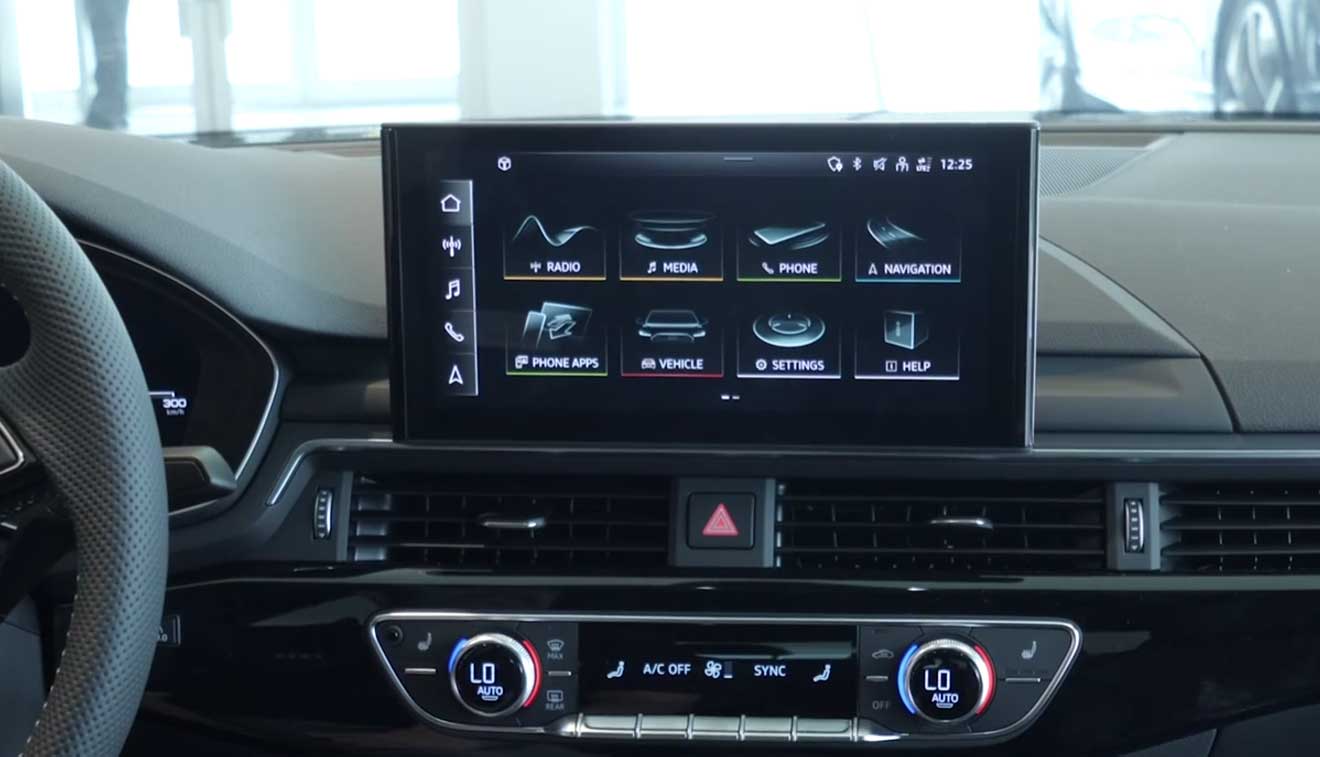
Your Audi’s TPMS warning light just came on. Maybe it’s a yellow tire icon on your dashboard. Maybe it says “TPMS Malfunction” in your instrument cluster. Either way, you’re wondering: Is my car safe to drive? What does this mean? Do I need to go to the dealer?
I’ve seen this problem hundreds of times in my shop. The good news is that a TPMS malfunction is rarely an emergency. But you do need to understand what’s happening and fix it soon.
In this article, I’ll explain what TPMS is, why it fails, and exactly what you should do next. By the end, you’ll know whether you can drive your Audi safely and how to get the warning light off.
What Is TPMS and Why Does Your Audi Have It?
TPMS stands for Tire Pressure Monitoring System.
Your Audi continuously checks the air pressure inside each tire. If pressure drops below a safe level, the car alerts you. This is a safety feature, not a luxury feature.
Why? Because underinflated tires wear faster, handle poorly, and can fail at highway speeds. TPMS catches these problems before they become dangerous.
How it works:
Your Audi has one of two TPMS types:
- Direct TPMS – Sensors inside each tire send pressure readings to the car’s computer.
- Indirect TPMS – The car’s anti-lock brake system (ABS) detects when one tire is smaller than others due to low pressure.
Most Audis use direct TPMS. This means four small sensors—one per tire—are constantly talking to your car.
The Difference Between a Low Pressure Warning and a TPMS Malfunction
This is critical. These are two different problems.
Low Pressure Warning
What it looks like: Yellow tire icon, usually with an exclamation mark.
What it means: One or more tires are actually low on air. The pressure has dropped below the safe threshold (usually around 25 PSI, depending on your model).
The fix: Check your tire pressures and add air if needed.
Can you drive? Yes, but inflate your tires soon. Don’t ignore this for days.
TPMS Malfunction
What it looks like: Yellow tire icon with a wrench or exclamation mark. Or a message saying “TPMS Malfunction” or “TPMS System Faulty.”
What it means: The TPMS system itself is broken. A sensor has failed, or the system can’t communicate properly. This is different from low tire pressure.
The fix: Diagnose which sensor or component has failed, then replace it.
Can you drive? Yes, your car is safe. But your tire pressure monitoring is offline. Get it fixed within a few days.
Why Your Audi’s TPMS System Fails
I’ve replaced hundreds of TPMS sensors. Here’s what actually breaks them.
Sensor Battery Dies
Every TPMS sensor has a small battery inside. This battery powers the sensor and lets it broadcast tire pressure data to your car.
How long do they last? About 5–10 years. After that, the battery dies. The sensor stops working. Your Audi can’t “hear” it anymore.
This is the single most common reason for a TPMS malfunction in Audis.
Your car’s response: When a sensor goes silent, your dash displays the malfunction warning.
The Sensor Gets Physically Damaged
TPMS sensors are mounted on the valve stem inside your tire. They stick out into the wheel.
Here’s how they get damaged:
- Tire shop damage – A technician hits the sensor with a tool during a tire change.
- Hitting a pothole – You strike a deep hole. The wheel jerks hard. The sensor gets bent or broken.
- Corrosion – Road salt and moisture corrode the sensor over time (especially in the UK and northern US states).
When a sensor is physically damaged, it can’t transmit data. Your Audi shows a malfunction warning.
Electrical Problems in the Receiver Module
Your Audi has a receiver module that listens for signals from all four sensors. This module is usually located near the wheels or in the engine bay.
If this module fails, your car can’t receive sensor data—even if all four sensors are working perfectly. You’ll see a TPMS malfunction warning.
This is less common than sensor failure, but it happens.
Corroded or Loose Valve Stem
The TPMS sensor screws onto the tire’s valve stem. Over time, corrosion or vibration can loosen this connection.
If the connection is loose, the sensor might not transmit clearly. Or it might not transmit at all.
Your Audi’s Software Is Out of Date
Rarely, an Audi’s onboard computer has a bug that causes false TPMS malfunction warnings. The sensors are fine. The car just thinks something is wrong.
Updating your Audi’s software at the dealer can fix this.
How to Diagnose a TPMS Problem Yourself
Before you panic or spend money, try these steps.
Step 1: Check Your Tire Pressures Manually
Use a tire pressure gauge. Check all four tires.
What to look for: Your Audi’s recommended pressures. You’ll find them on a sticker inside the driver’s door jamb (not on the tire sidewall).
Example: “Front 36 PSI, Rear 34 PSI” (pressures vary by model year).
If any tire is 3+ PSI below the recommendation, inflate it and see if the warning goes away.
Important: Check pressures when tires are cold. Driving heats them up and gives false readings.
Step 2: Look for Physical Damage
Get down and look at each wheel. Look for:
- A bent or cracked TPMS sensor (it sticks out from the valve stem).
- A missing sensor cap.
- Corrosion on the valve stem.
- A valve stem that looks loose or crooked.
If you see damage, that’s likely your problem.
Step 3: Note Which Tire Is the Problem
Some Audis tell you which sensor has failed. Check your instrument cluster or owner’s manual.
If your car says “Front left TPMS malfunction,” you know exactly which wheel to focus on.
Step 4: Restart Your Car and Recheck
Sometimes the warning is a glitch. Turn off your engine. Wait 30 seconds. Start it again.
See if the warning returns. If it doesn’t, the problem may have been temporary.
If it comes back immediately, move to the next step.
Step 5: Visit a Tire Shop or Mechanic
If you’ve done all this and still see the warning, get a professional diagnosis.
A good tire shop can read your TPMS system with a scanner tool. They’ll tell you exactly which sensor is dead, which one is damaged, or if it’s something else entirely.
This usually costs $30–$50 and saves you money later.
Common Mistakes Audi Owners Make
Mistake 1: Ignoring the Warning for Weeks
Some owners think TPMS warnings are optional.
They’re not. A broken TPMS system means you’re driving blind to tire pressure problems. If a tire develops a slow leak, you won’t know. You could blow it out at 70 mph.
Fix it within a few days. Don’t wait months.
Mistake 2: Assuming You Need New Sensors Everywhere
Your Audi has four sensors. Usually, only one fails.
But some shops will sell you four new sensors as a package. This is unnecessary and expensive.
Get a diagnosis first. Often, only one sensor needs replacing.
Mistake 3: Buying Cheap Aftermarket Sensors
A quality TPMS sensor costs $25–$75 per unit. Some cheap ones are $15.
Cheap sensors fail faster. They’re not worth the savings.
Use OEM (original equipment manufacturer) sensors or reputable aftermarket brands. Autel and Schrader are reliable.
Mistake 4: Not Recalibrating After Tire Changes
When you replace your tires or rotate them, the TPMS system needs to relearn which sensor is in which position.
If your shop doesn’t do this, you might see a malfunction warning even though nothing is wrong.
Always ask: “Did you relearn the TPMS sensors?” before you drive away.
Mistake 5: Going to a Dealership for Everything
Dealerships charge $200–$400 to replace a TPMS sensor. A good independent tire shop charges $80–$150 for the same job.
You don’t need Audi to fix this. Any competent tire shop or mechanic can do it.
How to Fix TPMS Issues
Here’s what actually fixes TPMS malfunctions.
Fix 1: Inflate Your Tires to the Correct Pressure
This fixes about 40% of TPMS warnings.
Check the door jamb sticker. Add air to all four tires. Some owners don’t realize their tires are just low.
Cost: Free (if you have a pump) or $5–$10 at a gas station.
Time: 5 minutes.
Fix 2: Replace a Dead TPMS Sensor
If your diagnosis shows a sensor battery is dead, you need a new sensor.
What the shop does:
- Remove the tire from the wheel.
- Remove the old sensor from the valve stem.
- Install a new sensor.
- Reseat the tire.
- Relearn the TPMS system so your car recognizes the new sensor.
Cost: $80–$150 per sensor (including labor). More expensive at dealerships.
Time: 30 minutes to 1 hour.
Fix 3: Repair a Corroded or Loose Valve Stem
If the valve stem is corroded but the sensor is fine, a shop can clean it and retighten the sensor.
Sometimes they’ll apply a protective coating to prevent future corrosion.
Cost: $20–$50.
Time: 15 minutes.
Fix 4: Relearn the TPMS System
After any tire work—rotation, replacement, pressure adjustment—your Audi needs to relearn its sensors.
This means the car’s computer re-pairs itself with each sensor.
Without relearning, you might see false warnings.
How it’s done: A technician uses a TPMS scanner tool. The process takes 5–10 minutes.
Cost: $25–$75 if done separately. Usually free if included with tire work.
Fix 5: Update Your Audi’s Software
If you suspect a software glitch, visit a dealership.
They can scan your car and install the latest software updates. This occasionally fixes false TPMS warnings.
Cost: Usually free under warranty. $100–$200 if out of warranty.
Time: 30 minutes to 2 hours.
Fix 6: Replace the TPMS Receiver Module
This is rare, but if your sensors are all healthy and you still see a malfunction, the receiver module might be bad.
A dealer or advanced mechanic can replace it.
Cost: $200–$400 (expensive because labor is involved).
Time: 2–4 hours.
Can You Drive With a TPMS Malfunction?
Yes, your car is mechanically safe to drive.
Your brakes, steering, and engine work normally. A broken TPMS system doesn’t affect those.
But here’s the catch: You’re flying blind.
If a tire develops a slow leak, you won’t know about it until it’s dangerously low. You could blow a tire at 70 mph. That’s dangerous.
My recommendation:
- Short trips: You can drive to a tire shop or mechanic. No problem.
- Long highway drives: Don’t do this. Get the TPMS fixed first.
- Timeline: Fix it within a few days. Don’t wait weeks or months.
Once you know which sensor or component has failed, the fix is straightforward and affordable.
Frequently Asked Questions
Does a TPMS malfunction mean I have a flat tire?
No. A TPMS malfunction means the monitoring system is broken. It’s not the same as a low pressure warning. You might not have any tire problems at all. A sensor battery has probably died.
How much does it cost to fix a TPMS malfunction?
It depends on what’s wrong. Inflating a low tire costs nothing. Replacing one sensor costs $80–$150. Replacing multiple sensors or the receiver module costs more. Always get a diagnosis first before you assume cost.
Can I replace a TPMS sensor myself?
Technically, yes. But you need special tools to remove the tire, disconnect the old sensor, install the new one, and relearn the system. Most people should take it to a shop. If you’re handy, a YouTube tutorial can help, but it’s not beginner-friendly.
Will the warning light go away on its own?
No. A broken TPMS sensor won’t magically repair itself. The battery won’t come back to life. You need to fix the underlying problem—usually sensor replacement or a pressure adjustment. It won’t disappear on its own.
Does my Audi have direct or indirect TPMS?
Most Audis use direct TPMS with sensors in each tire. Some older models use indirect TPMS. Check your owner’s manual or ask a technician. It matters because the fix is different for each type.
Can I drive in the rain or snow with a TPMS malfunction?
Yes, it’s safe to drive in wet or snowy weather. Your tires and brakes work normally. But rain and snow make low tire pressure even more dangerous. If you have a TPMS malfunction, check your tire pressures manually more often during bad weather.
Why did my TPMS sensor fail so soon?
TPMS sensor batteries last 5–10 years on average. If yours failed earlier, a tire shop might have damaged it during a service. Or the sensor was physically hit. Harsh winters and road salt shorten sensor life too. It’s not usually a defect—it’s just normal wear.
Should I replace all four sensors at once?
Usually not. If one sensor has failed, replace that one. If two sensors have failed (which is rare), replace those two. Replacing all four when only one is bad wastes money. Get a proper diagnosis first.
Conclusion
A TPMS malfunction warning in your Audi usually means one thing: a sensor battery has died or a sensor has been damaged.
This is fixable, affordable, and not an emergency—but it does need your attention within a few days.
Here’s what to do right now:
- Check your tire pressures manually. Use a gauge and compare to the door jamb sticker. Inflate if needed.
- Look for visible damage to the sensors or valve stems.
- Visit a tire shop for a proper diagnosis. This costs $30–$50 and tells you exactly what’s wrong.
- Replace or repair whatever has failed. Most fixes cost under $150.
- Ask your shop to relearn the TPMS system after any work.
Don’t ignore this warning for weeks. Your TPMS system keeps you safe by catching tire pressure problems early. When it breaks, fix it.
And remember: You don’t need a dealership for this job. Any competent tire shop or mechanic can diagnose and repair TPMS problems quickly and affordably.
Drive safe, and get that light off your dash soon.