
Monday to Saturday - 9:00 am -18:00 pm

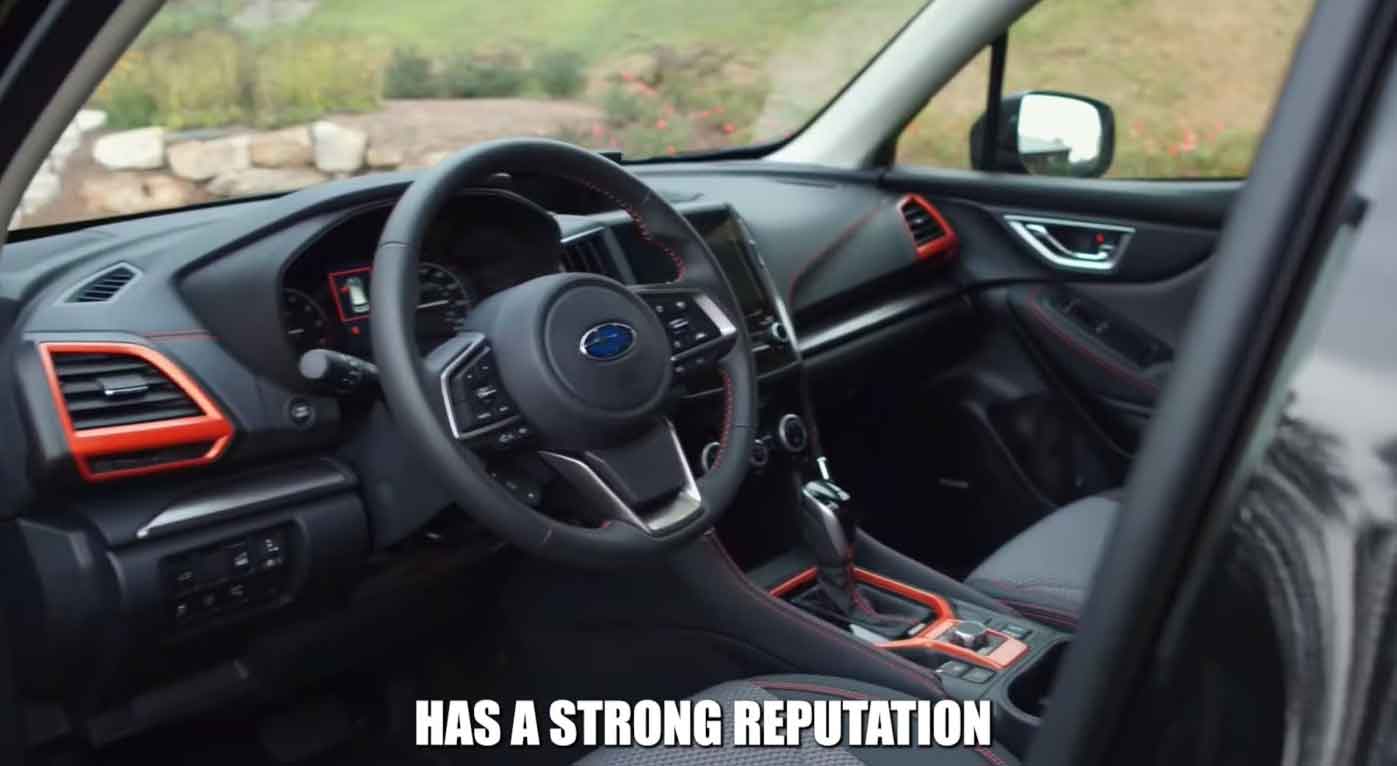
The Subaru Forester has earned its spot as a favorite among SUV buyers. People love it for good reasons. It’s tough. It’s roomy. And it handles well in all kinds of weather.
But here’s the truth from my shop: Not every Forester model year is created equal. Some are solid workhorses. Others? They spend too much time on my lift.
After working on hundreds of these SUVs, I know which years hold up and which ones break down. This guide shares what I’ve learned from real repair work, not just spec sheets.
What Makes the Subaru Forester Special?
The Forester first hit dealerships in 1997. Subaru built it to bridge the gap between a car and a truck. They succeeded.
From day one, the Forester came with all-wheel drive. This wasn’t an option or upgrade. Every single model had it. That’s rare in this class.
The vehicle sits higher than a sedan. But it drives more like a car than a traditional SUV. City driving is easy. Highway trips are comfortable. And when the snow flies, it keeps going.
Over the years, Subaru released five generations of the Forester. Each one brought improvements. Better engines. More safety tech. Nicer interiors.
But in my bay, I’ve noticed something important. Some model years run forever with basic maintenance. Others develop expensive problems early. Knowing the difference saves you thousands.
Top 5 Subaru Forester Model Years Worth Buying
From my experience turning wrenches, these five years stand out. They’re reliable. Parts are available. And they don’t nickle-and-dime you with repairs.
Here are the years I recommend:
- 2016 Subaru Forester
- 2018 Subaru Forester
- 2020 Subaru Forester
- 2021 Subaru Forester
- 2022 Subaru Forester
2016 Subaru Forester
This year is a sweet spot. I service several 2016 models with over 150,000 miles. They’re still running strong.
Why It’s Reliable: The 2016 uses proven technology. The engine has been tested for years. I rarely see major failures on these. Regular oil changes and timing belt replacements keep them healthy.
Safety Wins Big: This model earned top marks from safety testers. The EyeSight system works well. I’ve had customers avoid accidents because of it.
Daily Driver Quality: Inside, there’s plenty of room for passengers and cargo. The infotainment system is simple to use. No complicated menus or confusing buttons.
Gas Mileage: You’ll get around 24 mpg in town and 32 mpg on highways. That’s good for an all-wheel drive SUV.
2018 Subaru Forester
The 2018 model refined what worked in 2016. When these come into my shop, it’s usually for routine maintenance only.
Smooth Operation: Customers tell me the ride quality improved this year. Road noise dropped. The steering feels more precise.
Better Tech: The safety features got smarter. Adaptive cruise control actually works well. Lane keeping doesn’t fight you. Emergency braking activates when needed.
Space for Stuff: Behind the back seats, you get generous cargo room. Fold the seats down and you can haul large items. I’ve seen people move entire apartments with these.
Holds Value: When clients trade in their 2018 Foresters, they get good money back. This model depreciates slower than competitors.
2020 Subaru Forester
By 2020, Subaru had the formula dialed in. This year represents the best of modern Forester engineering.
Safety as Standard: Every trim level got the full EyeSight package. You don’t pay extra for life-saving features. That’s how it should be.
Comfortable Cabin: Front and rear passengers get real legroom. The seats provide good support on long drives. Climate control keeps everyone happy.
Fuel Efficiency: Expect 26 mpg city and 33 mpg highway. For a vehicle with constant all-wheel drive, those numbers impress me.
Goes Off-Road: With 8.7 inches of ground clearance, you can tackle dirt roads confidently. I’ve seen these handle muddy campsites without issues.
2021 Subaru Forester
The 2021 model kept the good stuff from 2020. Then Subaru added extra safety layers.
Driver Monitoring: New this year was DriverFocus. It watches for drowsy driving. If you’re nodding off, it alerts you. I wish more cars had this.
All-Wheel Drive Excellence: Like all Foresters, this one has full-time AWD. No buttons to push. It just works in snow, rain, or dry conditions.
Interior Room: This ranks among the most spacious compact SUVs I’ve measured. Tall passengers fit comfortably in back. That’s unusual for this class.
2022 Subaru Forester
The 2022 brought fresh updates to an already solid platform. From a mechanic’s view, these are well-built machines.
Updated Look: Subaru sharpened the front end design. They also launched the Wilderness Edition. It’s built for serious outdoor use.
Strong Engine: Under the hood sits a 2.5-liter boxer engine. It makes 182 horsepower and 176 lb-ft of torque. That’s enough power for highway merging and hill climbing.
Economy Matters: Even with decent power, you still get 26 mpg city and 33 mpg highway. The CVT transmission helps here.
Cargo Capacity: With rear seats up, you get 28.9 cubic feet. Fold them down and that jumps to 74.2 cubic feet. That’s more than many larger SUVs offer.
Modern Connectivity: The Starlink system includes Apple CarPlay and Android Auto. Bluetooth pairing is simple. Everything connects without hassle.
Subaru Forester Years You Should Skip
In my shop, certain model years show up repeatedly for the same problems. These aren’t small issues. They’re expensive repairs that happen too often.
Based on repair orders and customer complaints, avoid these years:
- 2009 Subaru Forester
- 2014 Subaru Forester
- 2015 Subaru Forester
2009 Subaru Forester
This third-generation model looked good on paper. But under the hood, problems lurked.
Oil Consumption Problems: Many 2009 owners add a quart of oil between changes. That’s not normal. The engine burns oil internally. I’ve replaced several short blocks because of this.
Head Gasket Failures: The dreaded head gasket leak appears frequently. You’ll see oil or coolant seeping out. Repairs run $1,500 to $2,500. Not fun.
Transmission Troubles: Some models experience rough shifting. Others lose gears entirely. I’ve rebuilt transmissions on 2009s with under 100,000 miles.
Interior Quality Issues: Plastics crack easily. Fabric wears thin quickly. For a car this age, the interior looks older than it should.
2014 Subaru Forester
Subaru switched to a CVT (continuously variable transmission) this year. Unfortunately, early versions had serious flaws.
CVT Problems: This is the big one. The transmission shudders during acceleration. It hesitates when you need power. Some fail completely before 80,000 miles. Replacement costs $5,000 or more.
Still Burning Oil: Like the 2009, excessive oil consumption continues. Owners check their dipstick constantly.
Windshield Cracks: I’ve replaced dozens of windshields on 2014 Foresters. They crack from small chips faster than normal. Some crack for no apparent reason.
Electrical Gremlins: Infotainment systems freeze. Warning lights flash for no reason. These electrical issues frustrate owners and are hard to diagnose.
2015 Subaru Forester
The 2015 model carries over most problems from 2014. Subaru hadn’t fixed the issues yet.
Same CVT Issues: Transmission problems continue. Shuddering. Hesitation. Premature failure. I see these regularly.
Oil Consumption Continues: Another year of checking oil levels between changes. Some engines need rebuilds early.
Interior Wear: Seat fabric pills quickly. Dashboard materials feel cheap. Everything shows age faster than it should.
Tech Problems: The infotainment screen lags. Sometimes it freezes completely. Bluetooth connections drop randomly.
Other Years to Consider Avoiding
From repair frequency data, these years also show higher problem rates:
- 1998-1999 (first generation issues)
- 2003 (head gasket problems)
- 2010-2013 (oil consumption continues)
- 2019 (some CVT concerns)
Final Recommendations From the Shop
After years of hands-on work, my advice is clear. The Subaru Forester is a solid vehicle. When you buy the right year.
Best Choices: Go with 2016, 2018, 2020, 2021, or 2022. These models deliver reliability. Safety features work well. Maintenance costs stay reasonable.
Years to Avoid: Skip 2009, 2014, and 2015. The problems are too common and too expensive. You’ll spend more time at the repair shop than on the road.
When shopping for a used Forester, bring it to a trusted mechanic first. We can spot oil leaks. Check the CVT fluid condition. And scan for error codes you can’t see.
A pre-purchase inspection costs $100 to $150. That’s cheap insurance against a $5,000 transmission replacement.
The right Forester will serve you well for 200,000 miles or more. I’ve seen it happen countless times. Just make sure you start with a good year.
Choose wisely. Drive safely. And keep up with your maintenance schedule. That’s the formula for Forester success.