
Monday to Saturday - 9:00 am -18:00 pm

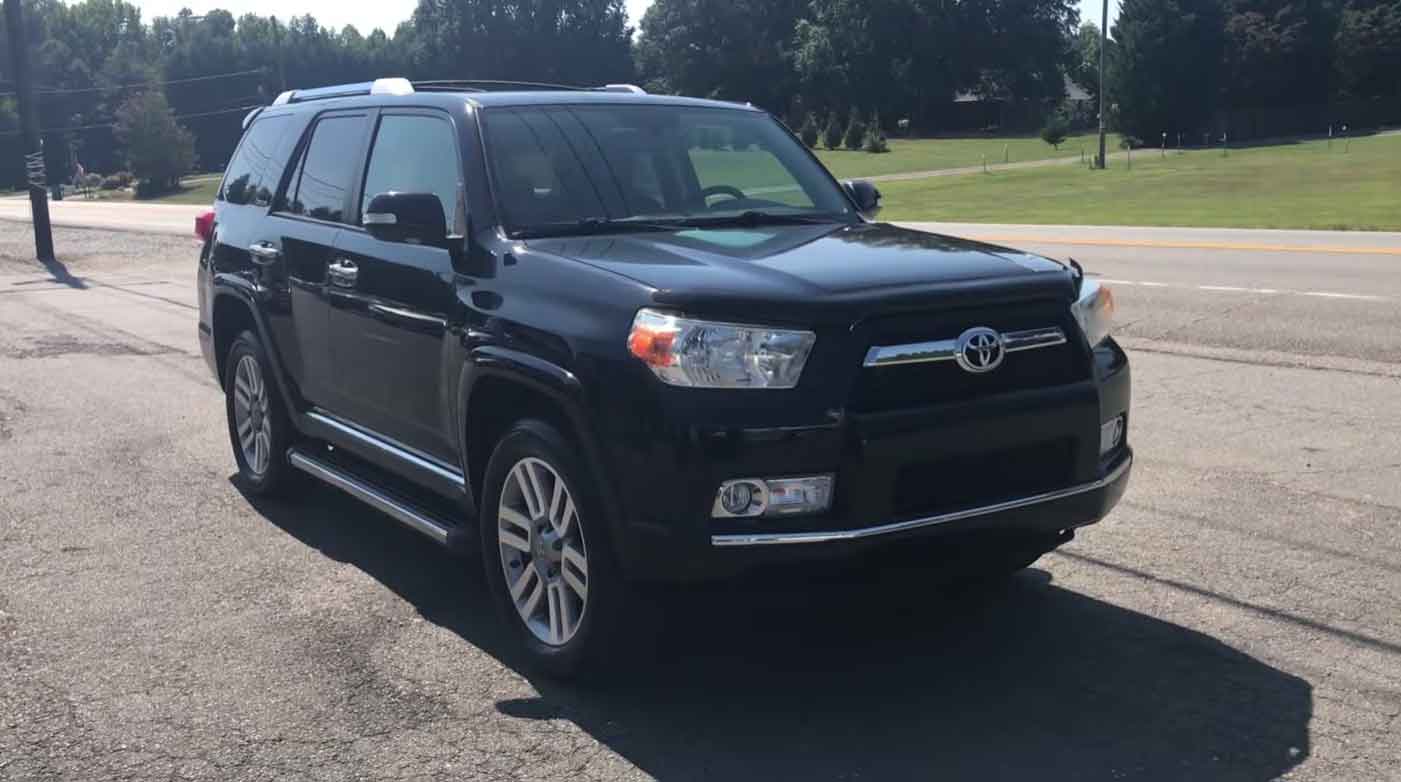
The Toyota 4Runner is a tough SUV built for trails and highways. But not every year is created equal when it comes to reliability.
Some models face serious problems like rust damage and expensive fixes. Knowing which years to skip can save you thousands of dollars and countless headaches.
In this guide, I’ll walk you through the worst Toyota 4Runner years to avoid and the best ones to buy. I’ll also share tips from my years working on these trucks to help you make a smart choice.
Toyota 4Runner Years To Avoid: Full Breakdown
Before you hand over your hard-earned cash, do your homework. Some 4Runner years come with problems that aren’t worth the risk.
Here are the model years I recommend steering clear of based on common issues I’ve seen in the shop.
1988-1989 Models (First-Generation Issues)
Toyota launched the 4Runner in 1984 as a rugged off-road SUV. The early models had a basic design that looked great on paper.
But in reality, these first-generation trucks ran into trouble fast.
The 1988-1989 models suffer from serious rust problems. I’ve seen frames eaten through to the point where they’re unsafe to drive. The 3.0-liter engine in these years also has head gasket problems that cause overheating.
Another common issue is rear suspension sagging. This makes the truck sit low in the back and hurts handling on and off the road.
From my experience, avoid any first-generation 4Runner with the 3.0-liter V6. The repair costs usually exceed the truck’s value.
1990-1995 Models (Second-Generation Problems)
The second-generation 4Runner improved in many ways. It drove better on the highway and had more safety features like side impact beams.
But these years still have major flaws you should know about.
Models from 1990 to 1995 with the V6 engine face head gasket leaks. When I service a car like this, I often find coolant mixing with oil. This leads to engine damage if not caught early.
Rust is another huge problem with these years. I’ve inspected trucks where the floor pans were completely rusted through. The frame rails also corrode badly, especially in areas with winter salt on the roads.
These issues make repairs costly. Unless you find one in exceptional condition, skip this generation.
2001-2002 Models (Third-Generation Concerns)
The third-generation 4Runner was a big step forward in comfort. But the 2001-2002 years have some carryover problems from earlier models.
Head gasket failures still pop up in these years. The good news is that 2003 and later models have fewer of these issues.
Rust remains a concern, though not as severe as the 1990s models. Still, always check the undercarriage carefully before buying.
In my shop, I’ve also seen electrical problems with door locks and windows in these years. They’re annoying but usually not expensive to fix.
2003-2005 Models (Fourth-Generation Trouble Spots)
The fourth-generation 4Runner started in 2003. These trucks look modern and drive much smoother than earlier models.
But certain years in this generation have problems that can cost you big money.
Frame rust is still an issue in 2003-2005 models. Toyota even issued recalls for frame corrosion in some cases. A rusted frame is a safety hazard and often means the truck is totaled.
Dashboard cracking is extremely common in these years. The dash cracks from sun exposure and looks terrible. Worse, it can interfere with airbag deployment in a crash.
I’ve also seen sagging rear suspension in many fourth-generation trucks. This affects ride quality and makes the vehicle handle poorly.
Paint peeling is another problem that hurts resale value. Some models had issues with the rear differential too, though Toyota eventually fixed this with a recall.
The Most Reliable Toyota 4Runner Years
Now let’s talk about the good years. These are the models that hold up well and give you fewer problems over time.
1986-1987 Models (First-Generation Winners)
The 1986-1987 4Runners are among the best from the first generation. They came before the worst rust and engine problems started showing up.
These trucks use a simple 4-cylinder engine that’s easier to maintain than the troublesome V6 from later years.
From years under the hood, I can tell you these early models are tough. The frames are solid if they haven’t been exposed to harsh winters. The suspension is basic but reliable.
If you want a classic 4Runner for light off-roading, these years are your best bet from the first generation.
1990-1993 Models (Second-Generation Standouts)
Wait, didn’t I just say to avoid 1990-1995? Let me explain.
The 1990-1993 models with the 4-cylinder engine are actually quite reliable. It’s specifically the V6 versions you want to avoid.
The 2.7-liter four-cylinder produces 150 horsepower. That’s not a lot, but it’s bulletproof and gets better fuel economy.
These years received fewer complaints to the National Highway Traffic Safety Administration compared to later second-generation models. They still need careful rust inspection, but mechanically they hold up well.
1996-1998 Models (Third-Generation Gems)
The third-generation 4Runner from 1996-1998 is where Toyota really got things right. These trucks are reliable workhorses that can rack up high mileage.
Rust is less of a problem in these years. The engines are strong and don’t have the head gasket issues of earlier models.
When I work on these trucks, I rarely see major problems. Normal maintenance keeps them running for 200,000 miles or more.
These years also came with good safety features. You get dual airbags and anti-lock brakes as standard equipment.
2006-2007 Models (Fourth-Generation Peak)
After the rough start of the fourth generation, Toyota fixed most issues by 2006. These two years are the sweet spot of this generation.
The 2006-2007 models have very few complaints filed with NHTSA. Rust problems are minimal compared to 2003-2005.
The V6 and V8 engines in these years are strong and reliable. The suspension holds up better than earlier fourth-generation trucks.
Crash test ratings are good, and these years handle well both on and off the pavement. If you want a fourth-generation 4Runner, these are the years to target.
2010-2016 Models (Fifth-Generation Excellence)
The current fifth-generation 4Runner launched in 2010. These are modern trucks with excellent off-road capability and good reliability.
From 2010 to 2016, you get a proven 4.0-liter V6 engine that’s nearly bulletproof. The transmission is smooth and durable.
Yes, there are some issues. The brake system can have problems, and some trucks develop paint or rust issues. But overall, these years are solid choices.
The 2014-2016 models are especially good because Toyota fixed the door lock actuator problems that plagued earlier years.
These trucks come with features like hill start assist and crawl control for serious off-roading. The cabin is spacious and comfortable for daily driving too.
Tips For Buying A Used Toyota 4Runner
Ready to start shopping? Here’s what I tell customers who come to me before buying a used 4Runner.
Inspect For Rust Thoroughly
Rust is the number one killer of older 4Runners. You must check the undercarriage carefully before buying any used model.
Bring a flashlight and get underneath the truck. Look at the frame rails, floor pans, and suspension mounting points.
Surface rust is normal on older vehicles. But if you see holes rusted through or frame rails that look weak, walk away.
Pay special attention to any areas that were repaired. Fresh paint on the undercarriage might hide recent rust repair. Tap on suspicious areas with a screwdriver handle—rotten metal sounds hollow.
In my shop, I use a lift to inspect every inch of the frame. If you can’t do that, at least crawl under with good lighting.
Get All Maintenance Records
A used 4Runner with complete service records is worth more than one without. These records tell you how well the previous owner cared for the truck.
Look for regular oil changes every 5,000 miles. Check that transmission fluid was changed according to Toyota’s schedule.
Ask for receipts showing timing belt replacement if the truck has high mileage. The V6 engines need this service around 90,000 miles.
When I service a car like this, I always document everything. Good owners keep these records. If the seller can’t provide any maintenance history, that’s a red flag.
You can also enter the VIN into the National Highway Traffic Safety Administration database to check for reported service and recalls.
Check For Open Recalls
Some 4Runner years have serious safety recalls. You need to know if the truck you’re buying has any open recalls that haven’t been fixed.
Common recalls include frame rust repairs, airbag replacements, and fuel pump issues. These repairs are free at Toyota dealerships.
Go to the NHTSA website and enter the VIN number. This shows you every recall issued for that specific vehicle.
From my experience, some sellers don’t even know their truck has open recalls. Finding these gives you negotiating power and ensures the truck is safe.
Never buy a 4Runner with an unrepaired frame recall. These are issued for serious safety reasons.
Get A Pre-Purchase Inspection
Before you buy any used 4Runner, pay a mechanic to inspect it. This usually costs $100-150 but can save you thousands.
A good inspection covers the engine, transmission, suspension, brakes, and body condition. The mechanic will test drive the truck and check for hidden problems.
I do pre-purchase inspections all the time. I’ve found everything from hidden accident damage to engines about to fail.
This inspection report also helps you negotiate price. If the mechanic finds issues, you can ask the seller to fix them or lower the price.
Don’t skip this step, even if the truck looks perfect. Some problems only show up during a professional inspection.
Final Thoughts
Buying a used Toyota 4Runner can be a great investment if you choose the right year. Avoid the problem years I outlined and focus on the reliable models instead.
The key takeaways: Skip 1988-1989, 1990-1995 (V6 models), 2001-2002, and 2003-2005. Target 1986-1987, 1990-1993 (4-cylinder), 1996-1998, 2006-2007, and 2010-2016 instead.
Always inspect for rust, get maintenance records, check for recalls, and pay for a pre-purchase inspection. These steps protect you from expensive mistakes.
With the right preparation, you can find a reliable 4Runner that serves you well for years. These trucks are built tough when you get a good one.
Good luck with your search, and drive safe out there!