
Monday to Saturday - 9:00 am -18:00 pm

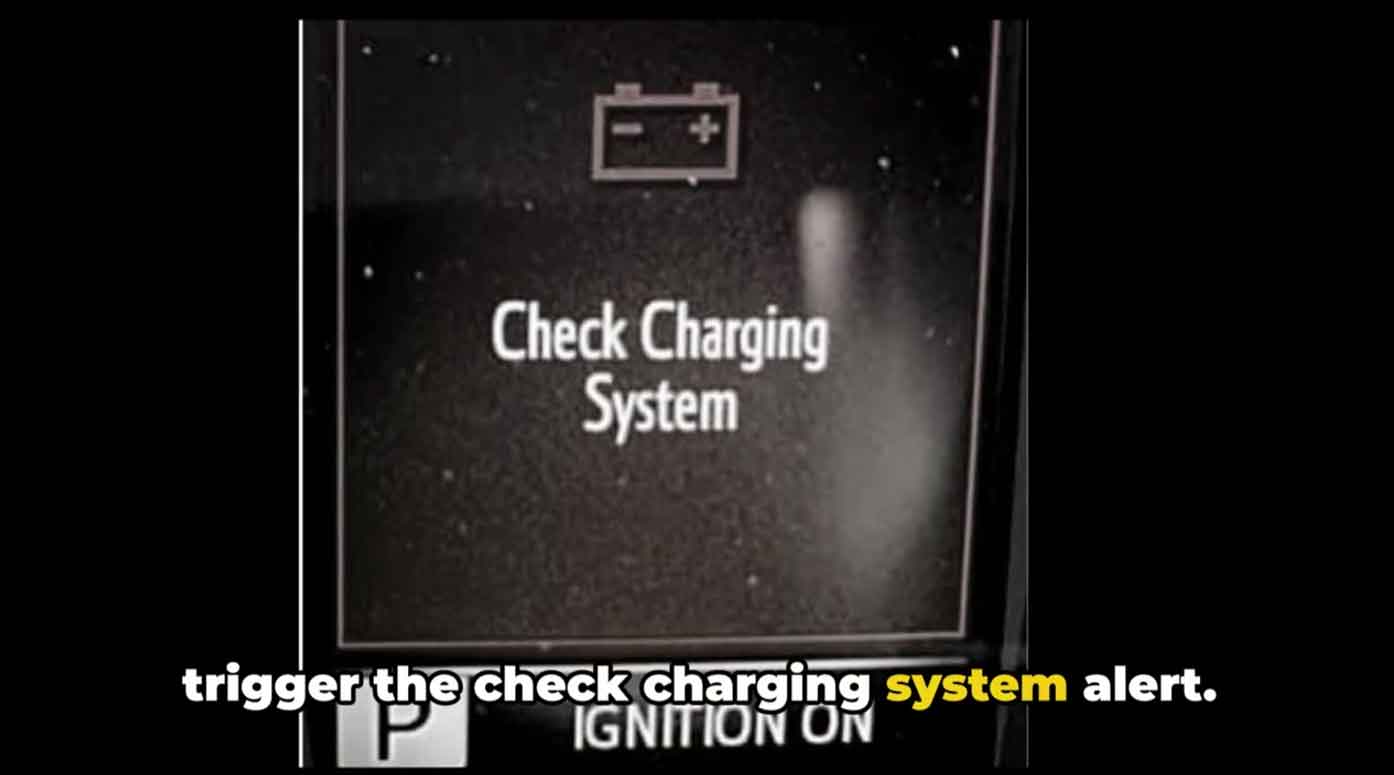
I still remember the first time I saw that “Check Charging System” message pop up on a Camry dashboard in my shop. The driver looked worried, thinking their car was about to break down.
That warning is your car’s way of telling you something is wrong with the electrical system. But don’t panic just yet.
In my 15 years working on Toyota vehicles, I’ve seen this message hundreds of times. Most of the time, it’s something I can fix in under an hour.
Today, I’m going to walk you through exactly what this warning means and how to fix it.
What Does “Check Charging System” Mean on a Toyota Camry?
This warning light means your battery isn’t getting charged properly.
Your alternator should be sending power to the battery while you drive. When that system fails, the warning appears on your dashboard.
I see this issue most often in Camrys from 2007 to 2015. But newer models can have this problem too.
The charging system has three main parts:
- The alternator (creates electrical power)
- The battery (stores the power)
- The voltage regulator (controls how much power flows)
When any of these parts fail, you get that warning message.
What Happens If You Ignore This Warning?
Let me be straight with you. Ignoring this warning is a bad idea.
Your battery will slowly drain until your car won’t start. I’ve had customers call me from parking lots because they ignored this light for too long.
Here’s what happens step by step:
First, your battery starts running on stored power only. It can’t recharge while you drive.
Next, your electrical systems start acting weird. Your headlights might dim. Your radio might cut out.
Finally, your car dies completely. Usually at the worst possible time.
From my experience, you have about 30 to 60 minutes of drive time once this light comes on. Maybe less if your battery is already old.
Don’t risk it. Get it checked as soon as you can.
The 4 Most Common Causes (And How to Fix Them)
In my shop, these four problems cause the “Check Charging System” warning about 95% of the time.
Let me walk you through each one.
1. Bad Alternator
This is the number one cause I see. The alternator is like a power generator for your car.
How I Know It’s the Alternator:
When I test the alternator with my multimeter, it should read between 13.8 and 14.4 volts while the engine runs.
If it reads lower than 13 volts, the alternator is failing.
I also listen for grinding or whining noises from the alternator. Those sounds mean the bearings inside are wearing out.
The Fix:
You need a new alternator. There’s no way around it.
A replacement alternator for a Camry costs between $300 and $600 with labor. I always recommend OEM or quality aftermarket parts.
In my shop, replacing an alternator takes me about 45 minutes to an hour. It’s not a hard job, but you need the right tools.
Pro Tip: When I install a new alternator, I always check the serpentine belt too. A worn belt can cause the new alternator to fail early.
2. Corroded or Loose Battery Connections
This problem is super common. And the best part? It’s usually an easy fix.
Battery terminals get dirty and corroded over time. That crusty white or green stuff stops electricity from flowing properly.
How to Check:
Pop your hood and look at your battery terminals. Do you see white, blue, or green powder around the connections?
Try wiggling the battery cables. If they move easily, they’re too loose.
The Fix:
First, disconnect the negative cable (black one). Then disconnect the positive cable (red one).
Use a wire brush to clean the terminals and cable ends. I keep a battery terminal cleaning brush in my toolbox. It costs about $5 and works perfectly.
You can also pour some baking soda mixed with water on the corrosion. It fizzes up and neutralizes the acid.
Reconnect everything tightly. Positive first, then negative.
This fix takes about 10 minutes and might solve your whole problem.
Safety Note: Always remove the negative cable first. This prevents electrical shorts.
3. Worn Serpentine Belt
The serpentine belt connects your engine to the alternator. If this belt is loose or cracked, the alternator can’t spin fast enough.
Signs of a Bad Belt:
Look for cracks on the ribbed side of the belt. If you see more than three cracks per inch, it needs replacement.
Listen for squealing noises when you start your car. That’s often a slipping belt.
Check the tension. The belt should only flex about half an inch when you push on it.
The Fix:
A new serpentine belt costs between $25 and $75. Labor adds another $75 to $150.
In my shop, I can swap a belt in about 20 minutes on most Camrys.
While I’m replacing the belt, I always inspect all the pulleys too. A bad pulley can destroy a new belt quickly.
My Advice: Replace your serpentine belt every 60,000 to 100,000 miles. Don’t wait for it to fail.
4. Failing Battery
Sometimes the battery itself is the problem. Batteries don’t last forever.
Most car batteries die after 3 to 5 years. In hot climates, they die even faster.
How I Test a Battery:
I use a digital battery tester. It shows me the battery’s health in about 30 seconds.
The test checks:
- Voltage (should be 12.4 to 12.6 volts when off)
- Cold cranking amps
- Overall battery health
If the battery shows less than 12 volts when the car is off, it’s probably bad.
The Fix:
Replace the battery. You can’t repair a dead battery.
A good battery for a Camry costs between $100 and $200. Installation is usually free at auto parts stores.
Make sure you get the right size battery for your Camry. Check your owner’s manual for the correct group size.
Important: When you install a new battery, some Camrys need the computer reset. I use my OBD2 scanner to clear the codes.
How to Diagnose the Problem Yourself
You don’t need to be a mechanic to do some basic checks.
Here’s my step-by-step process:
Step 1: Check the Battery Voltage
Get a cheap multimeter. They cost about $20 at any auto parts store.
With the engine off, touch the red probe to the positive terminal. Touch the black probe to the negative terminal.
You should see 12.4 to 12.6 volts.
Step 2: Test While Running
Start your engine. Keep the multimeter connected.
The voltage should jump to 13.8 to 14.4 volts. This means your alternator is working.
If it stays below 13 volts, your alternator is failing.
Step 3: Inspect Visible Parts
Look at your battery terminals. Clean if needed.
Check your serpentine belt for cracks or looseness.
Look for any damaged wires around the alternator.
Step 4: Load Test
Turn on your headlights, AC, and radio while the engine runs.
Watch the voltage. It should stay above 13.5 volts.
If it drops significantly, your alternator can’t handle the load.
This whole process takes me about 15 minutes in my shop.
When to Take Your Camry to a Mechanic
Some charging system problems need professional help.
Come see me (or your local mechanic) if:
- Your voltage readings are confusing or inconsistent
- You don’t feel comfortable working around batteries
- The warning light stays on after you’ve tried basic fixes
- You hear grinding noises from the alternator
- Your car keeps dying even with a new battery
A full charging system diagnostic at my shop costs about $100. But this includes testing everything with professional equipment.
I can also check your computer codes. Sometimes there are hidden problems that only show up on a scanner.
How Much Does It Cost to Fix?
Here’s what I typically charge in my shop:
DIY Fixes:
- Battery terminal cleaning: $0 (just your time)
- Serpentine belt: $25-$75 (parts only)
- New battery: $100-$200
Professional Repairs:
- Alternator replacement: $300-$600
- Complete charging system diagnostic: $80-$120
- Serpentine belt replacement: $100-$200 (with labor)
- Battery replacement: $100-$200 (often free installation)
The most expensive repair is a new alternator. But even that’s not terrible compared to other car repairs.
How to Prevent Charging System Problems
In my years under the hood, I’ve learned that prevention is way cheaper than repairs.
Here’s what I tell all my customers:
Keep Your Battery Terminals Clean
Check them every oil change. Clean off any corrosion you see.
This simple step prevents so many problems.
Replace Your Belt on Schedule
Don’t wait for the belt to break. Change it every 60,000 miles.
Test Your Battery Annually
Most auto parts stores do this for free. It takes 5 minutes.
If your battery is over 3 years old, test it before winter.
Watch for Warning Signs
Dim headlights, slow cranking, and clicking sounds all mean trouble.
Catch these early and you’ll save money.
Drive Your Car Regularly
Batteries die faster when cars sit unused. Try to drive at least once a week.
Final Thoughts from Under the Hood
The “Check Charging System” warning doesn’t mean your Camry is dying.
In most cases, it’s a simple fix. I’ve solved this problem countless times in my shop.
Start with the easy checks first. Look at your battery terminals and serpentine belt.
Test your voltage with a multimeter if you can.
If you’re not comfortable doing this yourself, that’s okay. A good mechanic can diagnose the problem quickly.
Don’t ignore this warning. Your car is telling you something important.
Take care of it now, and you’ll avoid getting stranded later.
Stay safe out there, and keep your Camry running strong.
Have questions about your Camry’s charging system? Drop a comment below. I read every one and try to help where I can.