
Monday to Saturday - 9:00 am -18:00 pm

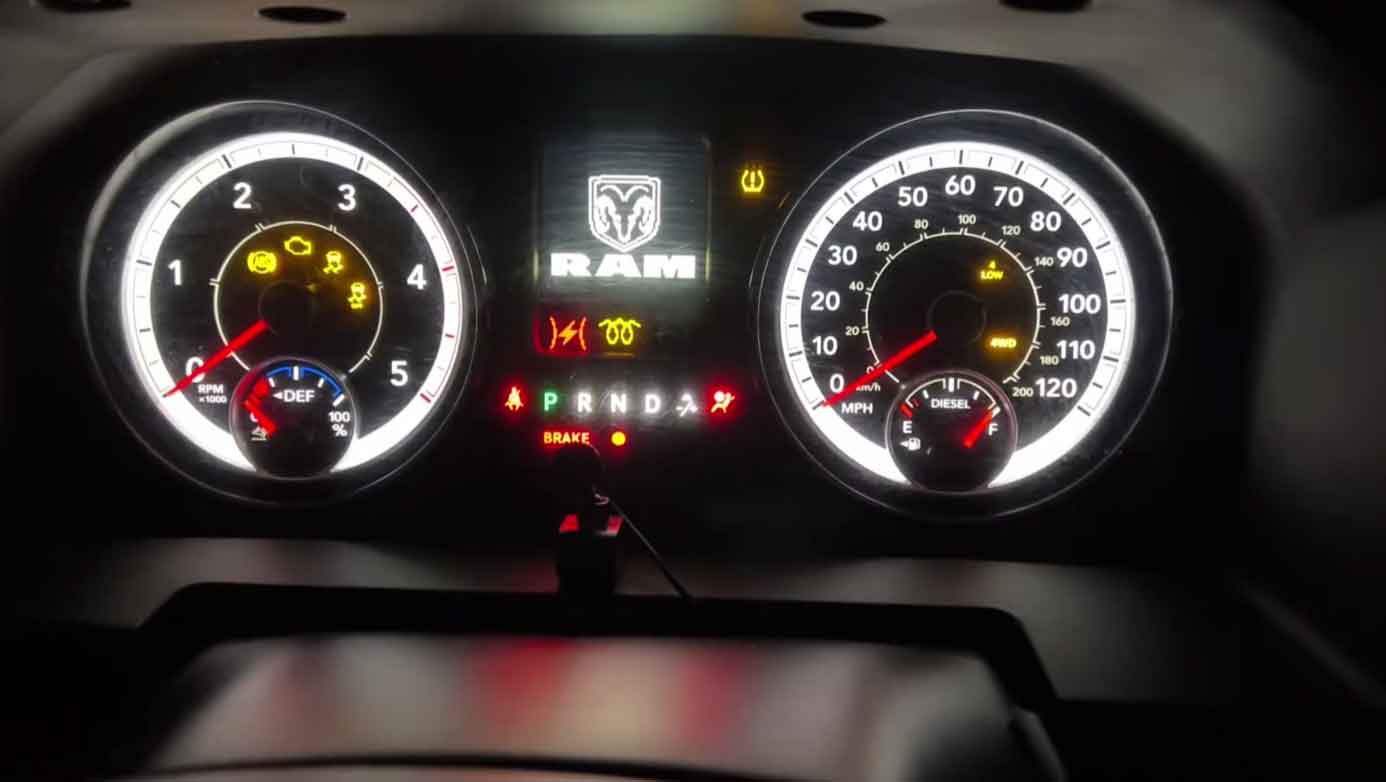
What Is Battery Saver Mode in a Dodge Journey?
Battery Saver Mode is a safety feature built into your Dodge Journey. It helps protect your car’s battery from dying completely.
When you see this message on your dashboard, your vehicle is trying to tell you something important. The system has detected that your battery voltage is getting too low.
Here’s what happens: Your Dodge Journey starts shutting down non-essential electrical systems. This includes things like interior lights, radio, and other accessories. The goal is simple – keep enough power for starting your engine.
From years under the hood, I can tell you this feature has saved many drivers from being stranded. It’s actually a helpful warning system, not a major problem.
How Does Battery Saver Mode Work?
The system constantly monitors your battery voltage. When the voltage drops below a certain level (usually around 11.8-12.0 volts), the warning appears.
Your Dodge Journey’s computer makes quick decisions. It cuts power to systems that aren’t critical for driving. Essential systems like headlights and brake lights stay on for safety.
The warning typically shows up when:
- You’ve been sitting in your parked car with accessories running
- The engine is off but the ignition is on
- Your battery can’t hold a proper charge anymore
- The charging system isn’t working correctly
In my shop, I’ve seen this message appear most often when customers leave their car radio on while waiting for someone. The battery drains slowly, and then – boom – the warning pops up.
Common Causes of Battery Saver Mode Activation
1. Leaving Accessories On
This is the number one cause I see every week. Customers forget to turn off interior lights, or they sit with the radio playing for too long.
Even modern systems drain power. If your engine isn’t running, the battery isn’t recharging. It’s that simple.
2. Old or Weak Battery
Car batteries typically last 3-5 years. After that, they start losing their ability to hold a charge.
When I service a car like this, I use my digital multimeter to check battery health. A weak battery might show 12 volts when rested, but drops quickly under load.
Signs your battery is failing:
- Slow engine crank when starting
- Dimming headlights at idle
- Battery Saver Mode appears frequently
- Battery is more than 4 years old
3. Faulty Alternator
Your alternator recharges the battery while driving. If it’s not working properly, your battery never gets topped up.
From years of diagnostics, a failing alternator is sneaky. Your car might run fine, but the battery slowly dies. Eventually, Battery Saver Mode kicks in.
I test alternators with a voltage meter. A healthy alternator produces 13.5-14.5 volts when the engine runs. Anything lower means trouble.
4. Parasitic Battery Drain
Sometimes electrical components draw power even when your car is off. This is called parasitic drain.
Common culprits include:
- Faulty door switches
- Aftermarket stereo systems
- Bad trunk light switches
- Malfunctioning modules
In my experience, finding parasitic drain requires patience. I use an ammeter to check current draw with everything off. It should be under 50 milliamps.
5. Corroded Battery Connections
Dirty or corroded battery terminals create resistance. This prevents proper charging and discharging.
I’ve fixed countless Battery Saver Mode issues just by cleaning terminals. White or blue-green powder on connections is a dead giveaway.
6. Short Trips Only
If you only drive short distances, your battery never fully recharges. The alternator needs time to replenish what the starter used.
This problem shows up frequently in city drivers. They start their car, drive 5 minutes, then shut it off. Day after day, the battery gets weaker.
How to Fix Battery Saver Mode
Quick Fix: Jump Start and Drive
If Battery Saver Mode just appeared, you can often fix it temporarily.
Here’s what I recommend:
- Turn off all accessories immediately
- Start your engine (jump start if needed)
- Drive for at least 20-30 minutes
- Keep accessories off during the drive
This gives your alternator time to recharge the battery. If the warning doesn’t come back, you might be okay.
Step 1: Test Your Battery
First, check if your battery is the problem. You can do this at home or visit an auto parts store.
Using a multimeter:
- Set it to DC voltage
- Touch red probe to positive terminal
- Touch black probe to negative terminal
- Check the reading
Good battery: 12.6 volts or higher when engine is off Weak battery: 12.0-12.4 volts Dead battery: Below 12.0 volts
Most auto parts stores test batteries for free. I always recommend this if you’re not confident with tools.
Step 2: Inspect Battery Connections
Pop your hood and look at the battery terminals. Are they crusty or loose?
Cleaning process I use in my shop:
- Disconnect negative cable first (safety rule)
- Disconnect positive cable
- Mix baking soda with water
- Scrub terminals with a wire brush
- Rinse with clean water
- Dry everything thoroughly
- Reconnect positive first, then negative
- Tighten both connections firmly
Clean connections make a huge difference. I’ve seen voltage improve by half a volt just from this simple maintenance.
Step 3: Test the Alternator
With engine running, check voltage at the battery again.
Healthy alternator readings:
- 13.5-14.5 volts at idle
- Voltage stays steady when you rev engine
- No flickering or dropping
If voltage is below 13 volts, your alternator likely needs replacement. This isn’t a DIY job for most people. The part costs $200-$400, plus labor.
Step 4: Check for Parasitic Drain
This requires more technical skill, but it’s doable.
Basic drain test:
- Turn off your car completely
- Remove all keys from vehicle
- Close all doors
- Wait 30 minutes for systems to sleep
- Disconnect negative battery cable
- Connect ammeter between cable and terminal
- Read the current draw
Anything over 50 milliamps suggests a problem. Finding the exact cause means pulling fuses one by one until the draw drops.
From my experience, door courtesy lights and aftermarket stereos cause most drain issues.
Step 5: Replace the Battery
If your battery is old or failed testing, replacement is the answer.
Dodge Journey battery specs:
- Group size: 26R or 48H (depends on year)
- CCA (Cold Cranking Amps): 525-650
- Cost: $100-$200
When I install batteries, I always apply terminal protector spray. This prevents future corrosion.
Step 6: Change Driving Habits
If you make lots of short trips, you need to change your routine.
Helpful tips:
- Take a longer drive once per week (30+ minutes)
- Combine errands into one trip
- Use a battery maintainer if car sits for days
- Avoid sitting with accessories running
I recommend battery maintainers for customers who garage their cars. These small chargers keep the battery topped up without overcharging.
Can You Drive with Battery Saver Mode Active?
Yes, but you shouldn’t ignore it. Your car is warning you about a real issue.
What happens if you keep driving:
- Your battery continues draining
- Eventually, the car won’t start
- You could get stranded somewhere inconvenient
- Electrical systems might behave oddly
In my shop, I tell customers to address this warning within a day or two. Don’t wait for a complete breakdown.
How to Prevent Battery Saver Mode
Prevention is always easier than fixing problems. Here’s what I recommend from years of experience:
Regular Maintenance:
- Test battery twice per year
- Clean terminals annually
- Check alternator output during oil changes
- Replace battery every 4-5 years
Good Habits:
- Turn off all lights before exiting
- Don’t sit with radio on for extended periods
- Take occasional longer drives
- Pay attention to slow cranking
Watch for Warning Signs:
- Dimming interior lights
- Slow window operation
- Clicking when starting
- Electrical glitches
Dodge Journey Specific Issues
Through my work, I’ve noticed some model-year specific problems with Dodge Journeys.
2009-2012 Models:
These older Journeys sometimes have issues with the Totally Integrated Power Module (TIPM). This can cause weird electrical problems, including false Battery Saver Mode warnings.
2013-2016 Models:
The alternator on these years tends to wear out around 100,000 miles. If you’re approaching that mileage, have it tested.
2017-2020 Models:
These newer models are generally more reliable. Battery issues are usually just from age or leaving accessories on.
Cost to Fix Battery Saver Mode
The repair cost depends entirely on the cause.
Typical Repair Costs:
- Battery cleaning: $0-$30
- New battery: $100-$250 installed
- Alternator replacement: $400-$700
- Parasitic drain diagnosis: $100-$200
- Electrical module replacement: $300-$800
In my shop, most customers spend between $150-$300 to completely fix this issue. That usually means a new battery and terminal cleaning.
When to See a Mechanic
Some situations require professional help. Don’t risk getting stranded or causing more damage.
Visit a mechanic if:
- Battery Saver Mode appears frequently
- You’ve replaced the battery but warning continues
- You don’t have tools for proper testing
- Your alternator might be failing
- There’s a parasitic drain you can’t find
From my experience, trying to save money on electrical problems often backfires. A proper diagnosis saves time and frustration.
Final Thoughts
Battery Saver Mode in your Dodge Journey is a helpful feature, not a scary one. It’s giving you advance warning before you’re stranded with a dead battery.
Most cases are simple fixes – clean terminals, recharge the battery, or replace an old battery. These are weekend DIY projects for anyone comfortable with basic tools.
If the problem keeps coming back, you might have a deeper electrical issue. That’s when professional diagnosis makes sense.
The key is taking action quickly. Don’t ignore the warning and hope it goes away. Your battery is trying to tell you something important.
Quick Summary:
- Battery Saver Mode protects your battery from complete death
- Common causes: old battery, weak alternator, leaving accessories on
- Test battery voltage first (should be 12.6V or higher)
- Clean terminals if you see corrosion
- Replace battery if it’s over 4 years old
- Get alternator tested if battery is good but problem continues
Take care of this issue promptly, and your Dodge Journey will serve you reliably for years to come. That’s been my experience with hundreds of these vehicles over the years.