
Monday to Saturday - 9:00 am -18:00 pm

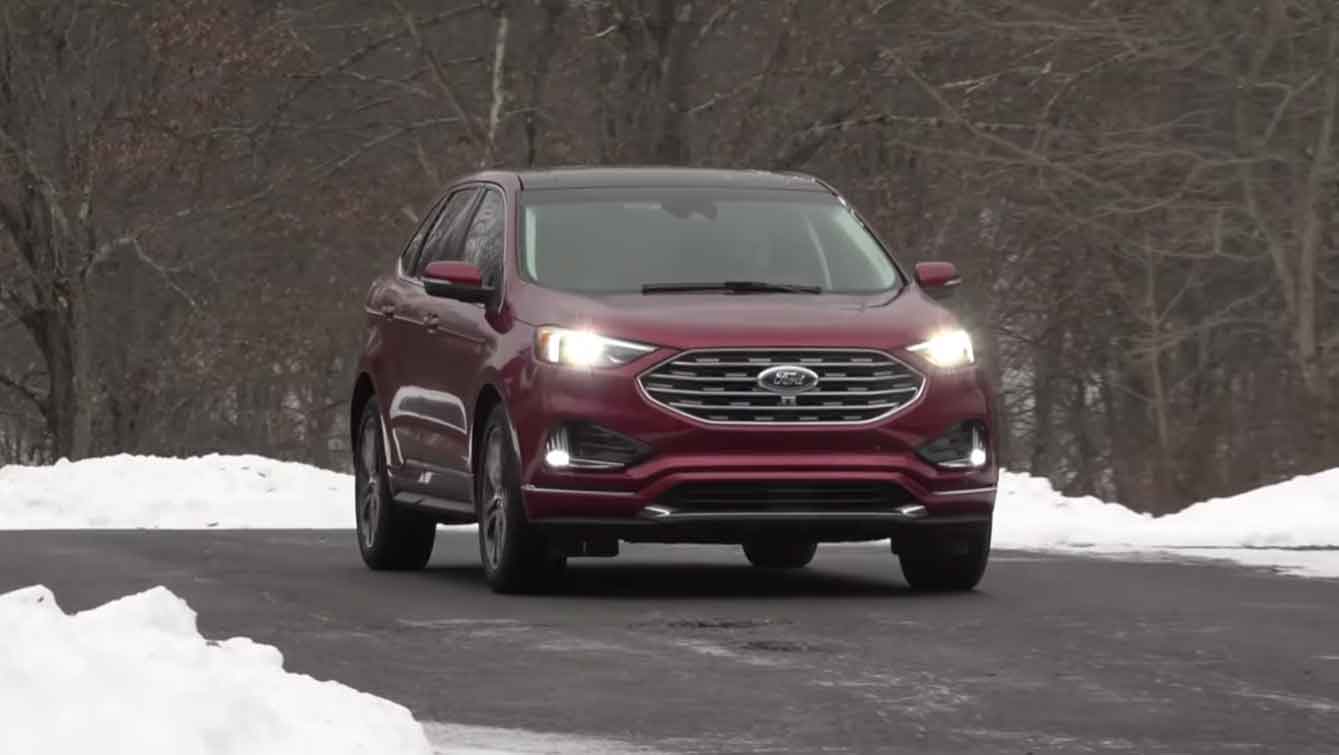
The Ford Edge is a popular midsize SUV. Many families love it for daily driving. But not all model years are equal. Some have serious problems that cost thousands to fix.
I’ve worked on dozens of Ford Edge vehicles in my shop. From my experience, certain years bring more headaches than others. This guide shows you exactly which models to skip and which ones are worth your money.
Quick Answer: Stay away from 2007, 2008, 2011, 2012, 2013, and 2015 Ford Edge models. These years have the most owner complaints. Common problems include gearbox failures, electrical faults, and engine troubles.
The good news? Models from 2009, 2014, 2018, and newer years perform much better. They need less repair work and last longer on the road.
Ford Edge Model Years You Should Skip
Not every Ford Edge is a bad choice. But these specific years cause the most trouble:
- 2007
- 2008
- 2011
- 2012
- 2013
- 2015
Let me break down why each year makes this list.
Problem Counts: What the Data Shows
Here’s what I’ve seen across different model years:
| Model Year | Problem Level | Main Concerns |
|---|---|---|
| 2007 | Very High | Gearbox dying, brake assist failure, motor cuts out |
| 2008 | Very High | Transmission slips, wiring problems |
| 2011 | Very High | Electronics fail, touch screen bugs |
| 2012 | Very High | Bad sensors, electrical gremlins, brake booster |
| 2013 | Medium | Gearbox slip, electrical glitches |
| 2015 | Low-Medium | Engine stalls, power cuts out |
2007 Ford Edge: The First Problem Child
This was the debut year. And it shows.
The 2007 model has serious transmission trouble. I’ve replaced complete gearboxes on these. The shifting feels rough and jerky. Sometimes the transmission fails entirely.
Brake boosters also go bad on this year. When that happens, your brake pedal gets hard to press. That’s dangerous.
From my shop experience, fixing a 2007 Edge costs more than the vehicle is worth. Skip this one completely.
2008 Ford Edge: Same Problems Continue
Ford didn’t fix much between 2007 and 2008.
This year has identical transmission issues. Gears slip when you accelerate. The vehicle lurches forward unexpectedly.
I’ve also diagnosed overheating engines in 2008 models. The cooling system fails more than it should. Air conditioning units stop working too.
One customer brought me a 2008 Edge with the AC blowing hot air in summer. The compressor had died at only 60,000 miles.
2011 Ford Edge: Electronics Nightmare
The 2011 model brings a new problem: electronics.
Over 400 complaints exist online about this year. The MyFord Touch system freezes constantly. Screens go blank while you’re driving.
I’ve seen engines lose power suddenly on the highway. That’s terrifying for drivers. Transmission problems from earlier years still exist too.
When I scan these vehicles with my diagnostic tool, multiple error codes appear. Fixing them all gets expensive fast.
2012 Ford Edge: Sensor Problems
About 200 owners filed complaints about 2012 models.
The door ajar sensor is the biggest annoyance. Your dashboard light stays on even when doors are closed. The dinging sound never stops.
Transmission still slips between gears. I’ve rebuilt several 2012 gearboxes in my career.
Electrical problems continue from 2011. Wiring harnesses corrode and cause random failures.
2013 Ford Edge: Mixed Reviews But Still Risky
Some people like their 2013 Edge. But problems still exist.
Electrical systems fail regularly. Suspension parts wear out too quickly. I’ve replaced control arms and bushings on 2013 models with low mileage.
Rust appears earlier than normal. Check the underbody carefully if you consider this year.
Fuel pumps quit working without warning. Coolant leaks from the water pump. These repairs add up.
2015 Ford Edge: Engine Concerns
The 2015 model looks better on paper. But engines cause trouble.
Power cuts out while driving. The motor stalls at red lights. Complete engine failure happens more than it should.
I’ve diagnosed bad EcoBoost engines on several 2015 models. The turbocharger fails. Oil consumption gets excessive.
Repairs cost more than buying a better year. Save your money and look elsewhere.
Best Ford Edge Years: Models Worth Buying
Now for the good news. These years perform reliably:
2018 Ford Edge: Solid Choice
This model year impresses me. Design looks sharp. Problems drop significantly.
Only two common issues exist: torque converter failure and alternator cable faults. Both are easy fixes compared to transmission replacement.
I recommend 2018 models to budget-conscious buyers.
2019 Ford Edge: Very Few Complaints
Only 20 complaints exist for 2019. That’s excellent.
The suspension works properly. Steering feels precise. Most owners stay happy with their purchase.
Some report unusual noises when starting. Occasional stalling occurs. But these problems are rare.
For the price, you can’t beat a 2019 Edge.
2020 Ford Edge: Modern and Reliable
Want newer technology without luxury prices? Consider 2020.
Just 9 complaints have been filed. That’s remarkably low.
Modern safety features come standard. The interior feels premium. Technology works smoothly.
This year offers great value.
2021 Ford Edge: Top Performer
The 2021 model earns high ratings everywhere. CarGurus and TrueCar both recommend it.
Advanced safety systems protect you. Interior design looks fantastic. Five adults fit comfortably.
Some owners report camera glitches. Airbag lights occasionally illuminate. Steering makes noise sometimes.
But overall, 2021 is one of the best years available.
Five Major Problems You’ll Encounter
Let me explain the most common issues across all Ford Edge years:
Problem #1: Transmission Failures
Gearboxes cause the most trouble. This affects mainly 2007 and 2008 models.
Symptoms I see in my shop:
- Gears slip when accelerating
- Jerking motion during shifts
- Loss of power going uphill
- PTU (Power Transfer Unit) breaks
- Complete transmission death
Newer models improved dramatically. But early years suffer badly.
Average repair cost: $4,000 for transmission replacement
The price varies based on your specific problem. Sometimes just the PTU needs replacing. Other times the entire gearbox must be rebuilt.
Problem #2: Electrical System Failures
Electronics fail on many Ford Edge years. This frustrates owners constantly.
Common electrical problems:
- Key fob stops working
- Battery drains overnight
- Door sensors malfunction
- Power loss while driving
- AC quits cooling
- Windows won’t roll down
- Locks fail randomly
I use specialized diagnostic equipment to find electrical faults. Sometimes it’s a bad ground wire. Other times the body control module dies.
Repair cost range: $1,000 to $3,200
Depends on which component fails. Simple sensor replacement costs less. Module replacement costs more.
Problem #3: Engine Troubles
Motors cause headaches on 2010, 2015, 2017, 2018, and 2019 models.
Engine issues I diagnose:
- Stalling at stops
- Misfiring cylinders
- Water pump leaks
- Coolant gets into oil
- Turbocharger failure
When I pull the diagnostic codes, I often see ignition coil failures. Spark plugs wear out early too.
Engine replacement cost: $4,000 to $7,000
That’s for a complete engine swap. Minor repairs cost $350 to $1,700.
I always recommend trying repairs first. Full replacement should be your last option.
Problem #4: Suspension and Brake Issues
Brakes fail on 2009, 2010, and 2012 models more than normal.
What owners experience:
- Soft brake pedal
- Spongy feeling when stopping
- Ball joints wear out
- Clunking sounds over bumps
- Front wheels pull to one side
I always test brake pressure with my gauge. Low pressure means the brake booster has failed.
Suspension bushings crack and fall apart. I’ve replaced many worn control arms on Ford Edge vehicles.
Brake repair costs: $250 to $300 for pads
Full brake system work costs more. Suspension repairs vary widely based on parts needed.
Problem #5: Interior Component Failures
Inside parts break more than they should.
Common interior problems:
- Power windows get stuck
- Interior lights don’t work
- AC blows hot air
- Seat adjusters jam
- Fabric wears through
- Door locks break
- Steering wheel buttons quit
These seem minor. But they hurt resale value. And they’re annoying to live with.
Replacement costs depend on the specific part. Some are cheap. Others require expensive modules.
My Final Recommendation
The Ford Edge can be a good SUV. But you must choose the right year.
Years to avoid completely: 2007, 2008, 2011, 2012, 2013, and 2015
These models cost too much to maintain. Repairs never end. You’ll spend more fixing them than they’re worth.
Years I recommend: 2009, 2014, 2018, 2019, 2020, and 2021
These perform reliably. Fewer problems occur. Your money goes further.
From my years working as a mechanic, I’ve learned one thing: buying the right year matters more than anything else.
Do your research. Check the vehicle history report. Get a pre-purchase inspection from a trusted mechanic.
The right Ford Edge will serve your family well for years. The wrong one becomes an expensive mistake.
Make the smart choice. Your wallet will thank you.