
Monday to Saturday - 9:00 am -18:00 pm

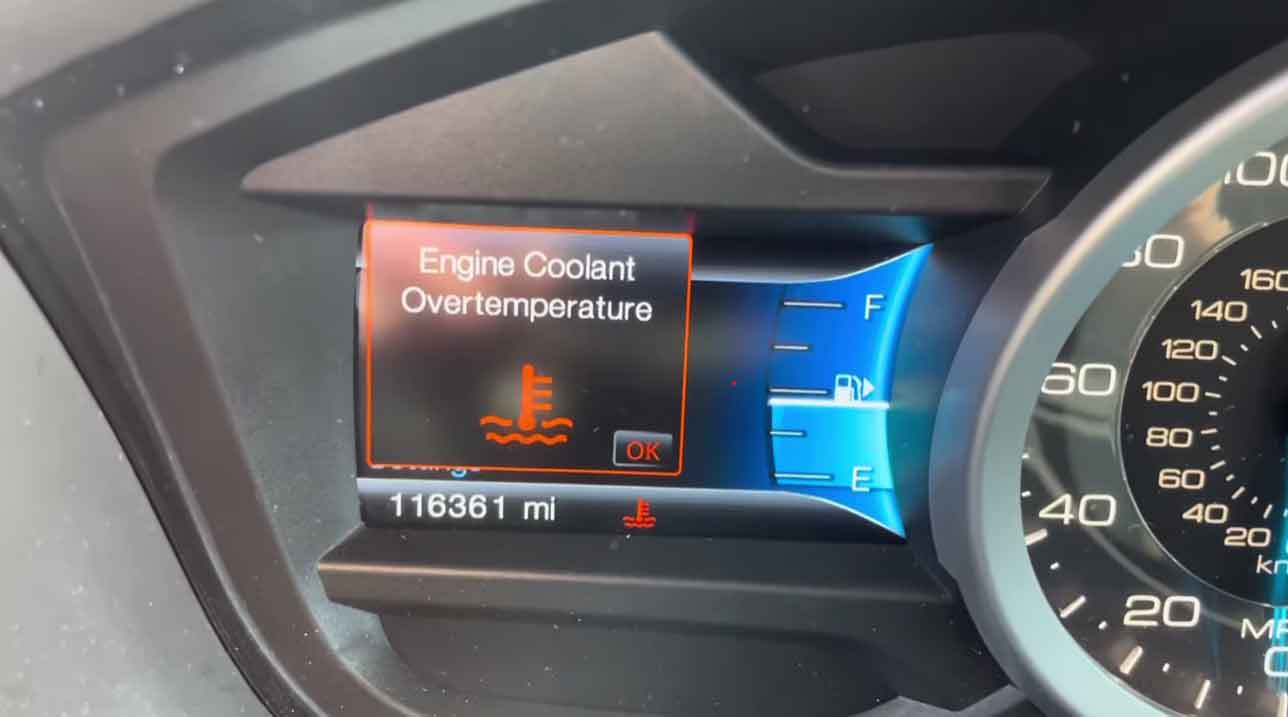
Quick Summary: When your Ford Fusion shows an “engine coolant over temperature” warning, it means your engine is getting too hot. Stop driving right away. Slow down, switch off your AC, and find a safe spot to park. Let the engine shut down and cool completely before checking anything. Add coolant if it’s low, or call a tow truck to take your car to a mechanic.
Your Ford Fusion’s dashboard just lit up with a scary warning. The “engine coolant over temperature” message appeared. This guide shows you exactly what this means and what to do next. <invoke name=”artifacts”> <parameter name=”command”>create</parameter> <parameter name=”type”>text/markdown</parameter> <parameter name=”id”>ford_fusion_coolant_warning</parameter> <parameter name=”title”>Ford Fusion Engine Coolant Over Temperature Guide</parameter> <parameter name=”content”># Ford Fusion “Engine Coolant Over Temperature” Warning: Causes & Fix
Quick Summary: When your Ford Fusion shows an “engine coolant over temperature” warning, it means your engine is getting too hot. Stop driving right away. Slow down, switch off your AC, and find a safe spot to park. Let the engine shut down and cool completely before checking anything. Add coolant if it’s low, or call a tow truck to take your car to a mechanic.
Your Ford Fusion’s dashboard just lit up with a scary warning. The “engine coolant over temperature” message appeared. This guide shows you exactly what this means and what to do next.
What Should You Do When This Warning Appears?
Your engine is running too hot. You need to act fast.
Two things cause this problem. Either you’re pushing the engine too hard, or something broke.
If You’re Driving Hard
Take your foot off the gas pedal. Let the car slow down naturally. Turn off your air conditioning. This takes pressure off the engine.
In my shop, I tell customers this works about 30% of the time. But only if you catch it early.
If That Doesn’t Work
You have a real problem. Find somewhere safe to stop. Turn off the engine immediately.
Don’t keep driving. I’ve seen engines with blown gaskets and cracked heads from people who “just drove it home.” The repair bill jumped from $200 to $3,000.
You probably can’t fix this on the side of the road. Call a tow truck. Get your Fusion to a repair shop.
Mechanic’s Trick: Turn your heater to maximum heat while you look for a place to stop. Blast the fan on high. This pulls heat away from the engine. It’s like giving your engine extra help to cool down. I’ve used this trick dozens of times, and it buys you precious minutes.
Can You Keep Driving With This Warning?
No. Don’t risk it.
Your Ford Fusion needs professional help. Towing costs less than a destroyed engine.
How Do You Fix This Problem?
Stop in a safe place. Let your engine sit for 30 minutes minimum. Better yet, wait an hour.
Don’t touch the hood right away. Hot steam can shoot out and burn you badly. Wait until the temperature gauge drops completely.
After the engine cools, check the coolant tank. You’ll find it near the front of the engine bay. It has “MIN” and “MAX” lines on the side.
If the level sits below “MIN,” add the right coolant. Your Ford Fusion needs a specific type. Check your owner’s manual.
Look under your car. Do you see puddles? Wet spots? That’s a leak. You need a mechanic.
From years under the hood, I know the problem often goes deeper than low coolant. A stuck thermostat, broken fan, or bad water pump hides behind most overheating issues. These need tools and experience to diagnose correctly.
If topping off coolant doesn’t solve it, get your Fusion towed. A professional needs to check it out.
How Can You Tell Your Engine Is Overheating?
The red warning light is obvious. But your Fusion gives other clues too.
Your temperature gauge tells the story early. Most Ford Fusions show “C” for cold and “H” for hot. The needle should stay in the middle. Normal engine temperature runs between 160°F and 221°F.
If that needle creeps toward “H,” you’re headed for trouble.
Other Warning Signs
Steam from the hood. It looks like smoke. The coolant is boiling and escaping as vapor.
Strange smells. Overheating coolant smells sweet and burnt at the same time. Once you smell it, you never forget it.
Knocking sounds. Boiling coolant makes bubbles. These bubbles create weird noises in the cooling system.
Reduced power. Your Fusion might enter “limp mode.” This safety feature protects the engine from more damage. The car barely moves.
When I service a car like this, these symptoms tell me immediately what’s wrong. Don’t ignore them.
Pull over as soon as possible. Let the engine rest and cool down. Then call for roadside help.
Why Does Your Ford Fusion Overheat?
Many things cause overheating. Most aren’t too expensive to fix. But you must catch them early.
Ignoring the problem turns cheap repairs into wallet-crushing nightmares.
Low Coolant or Leaks
This is the best-case scenario. Your coolant level dropped too low.
Just add more coolant. Problem solved.
Check your coolant regularly. This prevents most overheating issues.
But leaks are different. Something broke. The radiator, a hose, or a connection is damaged. Finding and fixing leaks takes detective work.
In my experience, a small radiator leak can cost $150 to fix. Replacing the whole radiator? That’s $400 to $800 with parts and labor.
Broken Thermostat
Your thermostat controls coolant flow. It opens and closes based on temperature.
When it breaks, coolant can’t flow properly. The engine can’t cool itself.
A stuck-closed thermostat makes temperature spike fast. A stuck-open thermostat stops the engine from warming up correctly.
Replacing a thermostat costs $150 to $300 for most Ford Fusions. It’s a relatively simple job. Fix it quickly, and you avoid bigger problems.
Radiator Problems
Radiators fail in several ways. The fan stops working. The fins get clogged. The tubes get blocked inside.
All of these stop heat from escaping.
A dirty radiator just needs flushing. That costs $100 to $150. But a broken fan or cracked radiator? You’re looking at $300 to $700.
The radiator cap matters too. It keeps pressure in the cooling system. Proper pressure stops coolant from boiling too early.
A bad cap lets pressure drop. Coolant boils at lower temperatures. Luckily, radiator caps only cost $10 to $20.
Water Pump Failure
The water pump pushes coolant through your engine. It keeps everything moving.
When it fails, coolant stops flowing. Heat builds up fast.
Water pumps don’t break suddenly. They give warning signs. Leaks. Squeaking noises. Rough running.
Catch these early. A water pump replacement runs $300 to $500. But if you wait too long, overheating damages other parts. Then you’re spending thousands.
Air Trapped in the System
Air bubbles don’t belong in your cooling system. They block coolant flow and create hot spots.
This happens after repairs or when filling the radiator incorrectly.
Bleeding the system removes air bubbles. It’s a simple fix. Takes about 30 minutes. Many shops do it for free with other services.
Hot Weather
High temperatures outside don’t usually cause overheating alone. But they make existing problems worse.
Your cooling system works harder in summer. A small problem becomes a big one fast.
Head Gasket Leak
This is the nightmare scenario.
The head gasket seals the engine block and cylinder head. It keeps oil, coolant, and combustion separate.
When it fails, fluids mix. Pressure drops. Coolant boils easier.
Head gasket failure often happens because someone ignored overheating warnings. The extreme heat warped the cylinder head. Now the gasket can’t seal properly.
Fixing a blown head gasket costs $1,500 to $3,000 for a Ford Fusion. Sometimes more. The labor alone takes 8 to 12 hours.
Catch cooling problems early. Save yourself thousands of dollars.
How Do You Prevent Overheating?
Regular maintenance stops most problems before they start.
Check your coolant level monthly. Look for leaks under your car. Inspect hoses for cracks or soft spots.
Make sure your radiator and fans work correctly. Get your cooling system flushed every 50,000 miles.
Your driving habits matter too. Don’t sit idling for long periods in hot weather. Avoid towing heavy loads on extremely hot days if possible.
Modern diagnostic tools help too. Some devices let you monitor exact coolant temperature on your phone. This gives you precise readings instead of just “C” and “H.”
Early warning means early action. Early action means small repair bills.
Important Safety Notice
This guide provides general information about Ford Fusion cooling system issues. Every car is different. Every situation is unique.
Always check your owner’s manual first. Consult a certified mechanic for specific repairs. Working on hot engines is dangerous. Take proper safety precautions.
The advice here comes from professional experience. But it doesn’t replace expert diagnosis for your particular vehicle.
Common Questions About Engine Overheating
What exactly does the warning light mean?
It means your engine temperature exceeded safe limits. The computer detected dangerous heat levels. You must stop driving and address the problem.
Why does turning on the heater help?
Your heater uses a small radiator inside the dashboard. When you blast the heat, you’re routing hot coolant through this extra radiator. It adds more cooling capacity to the system. Think of it as an emergency backup radiator.
What temperature should my Ford Fusion run at?
Normal operating temperature is 195°F to 220°F. The gauge should stay in the middle range. Never let it reach “H” on the gauge.
How long before a hot engine cools down?
Wait at least 30 minutes. An hour is better. The engine block holds tremendous heat. It takes time to dissipate safely. Never rush this step.
Should I turn off AC when overheating?
Yes, immediately. The AC compressor creates extra load on the engine. It generates more heat. Turning it off reduces strain and helps the engine cool faster.</parameter>