
Monday to Saturday - 9:00 am -18:00 pm

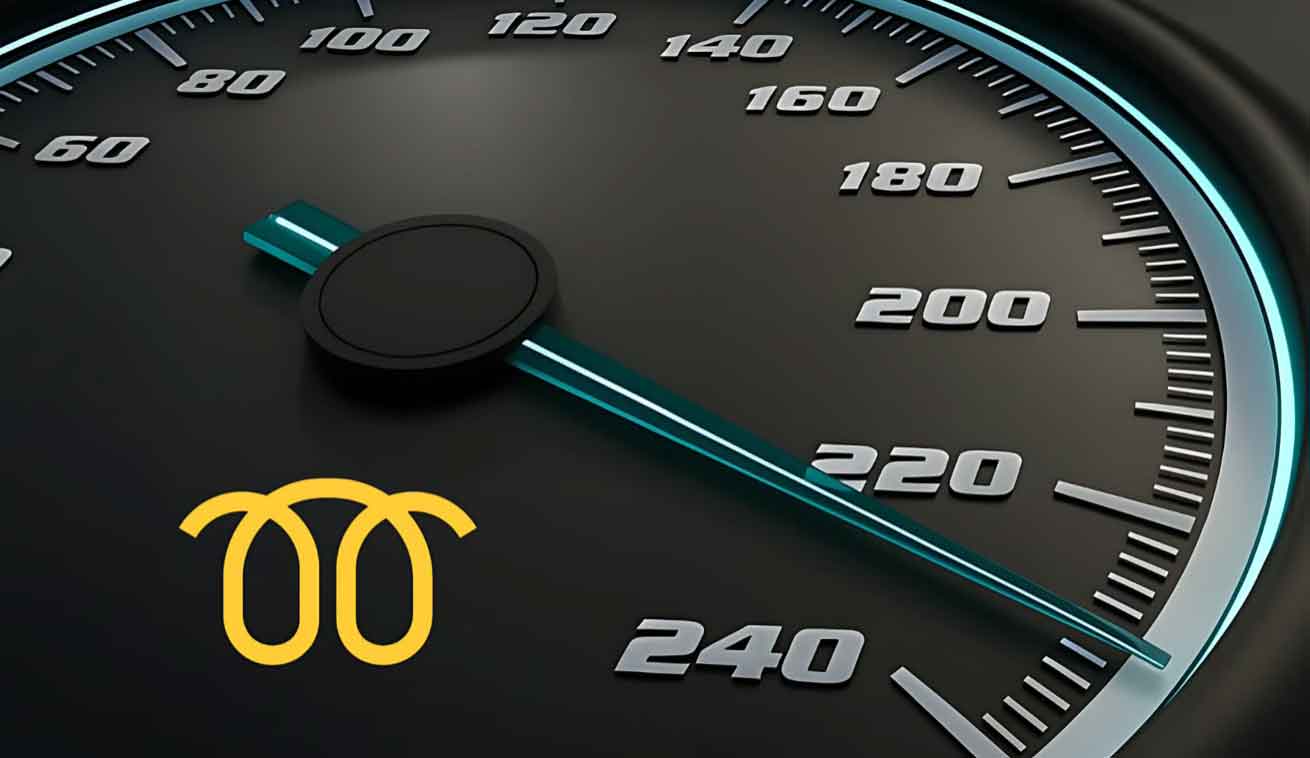
Is the glow plug warning light staying on in your diesel car? Does it keep flashing even after your engine starts?
This happens a lot with diesel vehicles like Audi, VW, and other brands. The light tells you something needs fixing. Don’t worry – I’ve fixed hundreds of these cases in my shop. In this guide, I’ll show you why this happens and how to fix it yourself.
Understanding Your Glow Plug Light
Let me explain the difference between normal and problem lights.
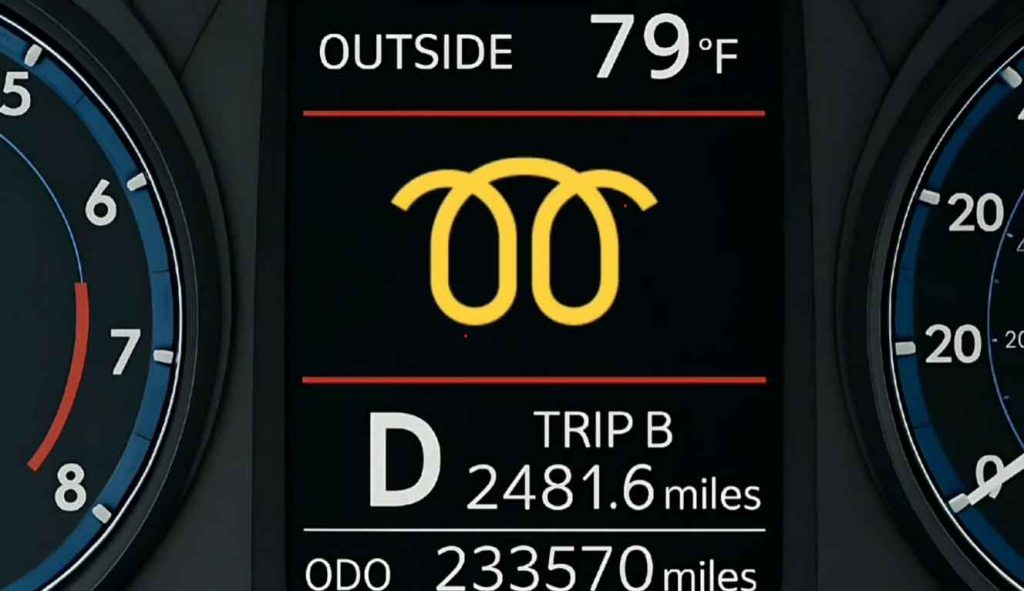
Every diesel car shows a coil-shaped symbol when you turn the key. This is normal. The symbol looks like a spring or coil. It usually glows yellow or orange.
Glow plugs work like mini heaters inside your engine. They warm up the cylinders so diesel fuel burns properly. Cold engines need this help to start smoothly.
When everything works right, the light turns off after a few seconds. Your engine warms up and you can drive away.
When the Light Becomes a Warning
From years under the hood, I can tell you this: when the light stays on or blinks fast, something is wrong.
The warning light does an important job. It alerts you to problems before they get worse. Your car’s computer detected an issue with the heating system.
Many drivers ignore this light. That’s a mistake I see all the time in my garage. Small problems become big repairs when you wait too long.
Step-by-Step Fix Process
Here’s how I diagnose glow plug problems in my shop:
First, I check if the light stays solid or blinks. Each pattern means something different. A solid light often means one bad plug. A flashing light points to bigger electrical issues.
Next, I connect my scanner tool. I use an OBD-II reader to pull error codes. These codes tell me exactly what’s failing.
Then I test each glow plug individually. This takes about 20 minutes for most cars.
Watch this helpful video that shows the repair process:
[Video placeholder]
Common Problems That Trigger the Light
In my 15 years fixing diesel engines, these are the main culprits:
Worn Out Glow Plugs
This is problem number one. Glow plugs don’t last forever. They get weak after 60,000 to 100,000 miles.
Signs of bad plugs include hard starting and rough idling. The engine might shake more than usual when cold. You’ll notice white smoke from the exhaust in winter.
Freezing Temperatures
Cold weather makes glow plugs work extra hard. When it’s below freezing, plugs need more time to heat up.
The light might stay on longer than normal. This doesn’t always mean trouble. But if it stays on past 30 seconds, get it checked.
Bad Control Module
The glow plug control module acts like a manager. It tells plugs when to turn on and off. It also controls how hot they get.
A failing module sends wrong commands. Your plugs might not heat up enough. Or they might overheat and burn out fast.
Wire and Connection Problems
Damaged wires cause all kinds of headaches. I’ve seen wires chewed by rodents. Corroded connectors also stop electrical flow.
Even one loose connection disrupts the whole system. The warning light comes on because power can’t reach the plugs properly.
Broken Sensors
Your engine uses several sensors to measure temperature. These sensors talk to the computer constantly.
A faulty temperature sensor sends bad information. The computer thinks the engine is too hot or too cold. It keeps the glow plug light on as a safety measure.
Computer System Errors
Sometimes the engine control unit itself has problems. Software glitches happen. Old programming might cause false warnings.
This is less common but still possible. A simple software update often fixes it.
How to Solve Each Problem
Here are my proven solutions for each issue:
Replace Dead Glow Plugs
When I service a car like this, I always test plugs first. Use a multimeter to check resistance. A good plug reads between 0.6 and 2 ohms.
Bad plugs need immediate replacement. I recommend changing all plugs at once. This prevents comeback visits.
High-quality plugs cost $15 to $40 each. Cheap ones fail quickly. Brands like Bosch and NGK work best in my experience.
Fix the Control Module
Testing the module requires a scan tool. Look for specific error codes like P0380 or P0670.
If the module is dead, replace it. New modules cost $100 to $300 depending on your car. Installation takes about one hour.
Some modules can be reprogrammed. This saves money when possible.
Repair Wiring Issues
I always inspect all wires going to the glow plugs. Look for cuts, burns, or green corrosion.
Check every connector carefully. Clean dirty terminals with electrical contact cleaner. Replace damaged wires completely.
Proper wiring ensures steady power flow. This simple fix solves many warning light problems.
Change Faulty Sensors
Use your scanner to identify which sensor failed. Common codes are P0115 or P0117 for temperature sensors.
Coolant temperature sensors are easy to replace. They usually cost $20 to $50. The job takes 15 minutes in most cars.
New sensors restore accurate readings. The computer can properly manage glow plug operation again.
Keep Up With Regular Service
Prevention beats repair every time. I tell all my customers this.
Check your glow plugs every 60,000 miles. Have a mechanic inspect the whole system. Replace plugs before they fail completely.
Regular oil changes help too. Clean oil protects all engine parts including glow plugs.
Prevention Tips From a Pro Mechanic
In my shop, I’ve learned these prevention tricks work best:
Use quality diesel fuel. Cheap fuel has more water and contaminants. This damages glow plugs faster.
Let plugs warm up fully. Wait for the light to go out before starting. This takes 5 to 10 seconds in most cars.
Park in a garage during winter. Warmer storage helps plugs last longer. They don’t work as hard when starting.
Address warning lights immediately. Don’t drive for weeks with the light on. Small problems grow into expensive repairs.
Follow your service schedule. Your owner’s manual lists recommended maintenance. Stick to it.
Final Thoughts
The glow plug warning light protects your diesel engine. It’s not something to ignore or tape over.
Most fixes are straightforward when caught early. Bad plugs, worn wires, or failing sensors are common issues. Any decent mechanic can handle these repairs.
Driving with a flashing warning light risks bigger damage. You might lose power on the highway. Starting problems will get worse over time.
When I see this light in my bay, I know exactly what to check. Now you do too. Follow these steps and you’ll solve the problem.
Can’t figure it out yourself? That’s okay. Visit a qualified diesel mechanic. The diagnostic fee is worth avoiding guesswork and wasted parts.
Take care of your glow plugs and they’ll take care of you. Regular maintenance keeps diesel engines running strong for 200,000 miles or more.
FAQ – Frequently Asked Questions
Can I drive with the glow plug light flashing?
You can drive short distances but shouldn’t. The light means something is wrong. Your engine might lose power suddenly. Get it checked within a day or two. Don’t take long trips until it’s fixed.
What makes the glow plug light come on?
Several things trigger this warning. Dead glow plugs are most common. Cold weather, bad wiring, broken sensors, and computer errors also cause it. A proper diagnosis shows the exact problem.
How much does glow plug replacement cost?
Individual plugs run $15 to $40 each. Most diesel engines have 4 to 8 plugs. Labor adds $100 to $200 depending on your car. Total cost ranges from $150 to $500 for a complete job.
How do I stop glow plug problems?
Regular maintenance is key. Check plugs every 60,000 miles. Use good diesel fuel. Let the engine warm up before driving. Fix small issues fast before they grow. These habits prevent most glow plug troubles.
Will bad glow plugs ruin my engine?
Not directly, but they cause other damage. Hard starting wears out your battery and starter. Incomplete combustion creates carbon buildup. Fix glow plug issues quickly to protect your whole engine.