
Monday to Saturday - 9:00 am -18:00 pm

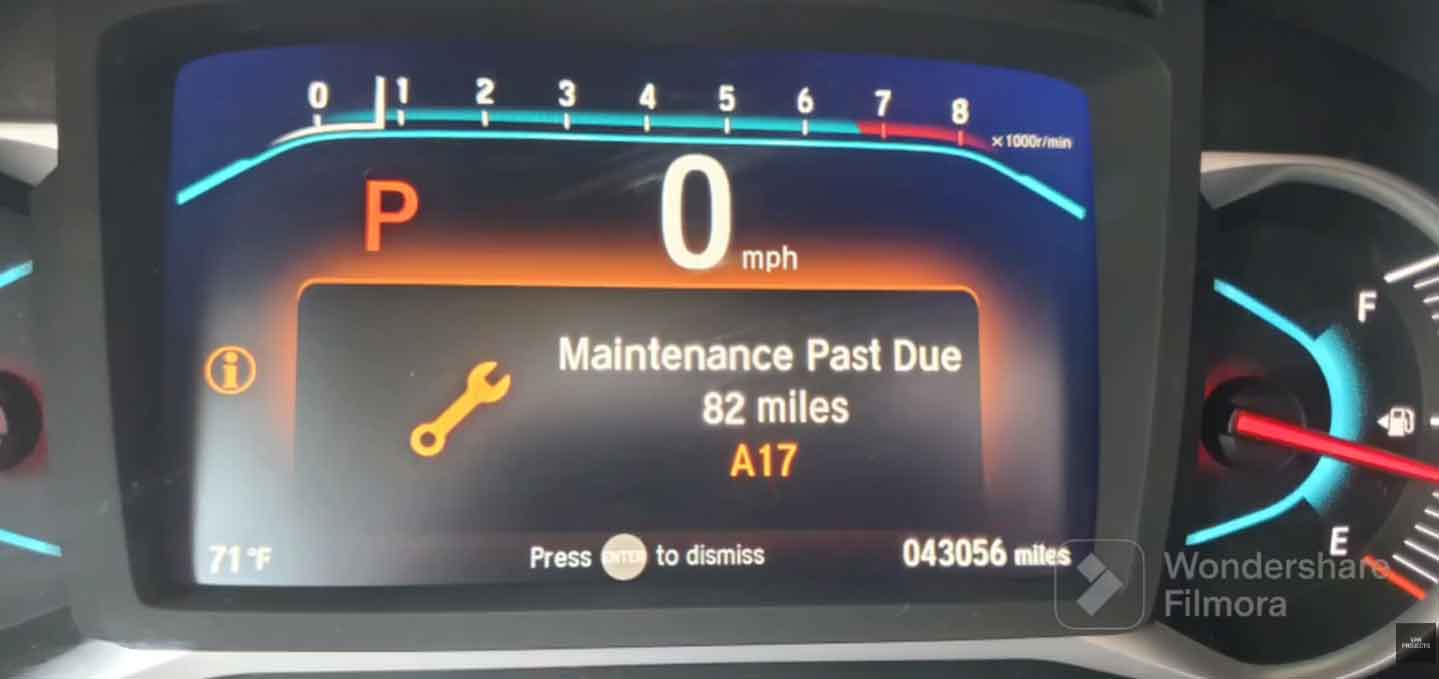
Your Honda’s dashboard just lit up with an “A17” message. What does it mean? Don’t worry—I’ve got you covered.
The A17 service is part of Honda’s smart Maintenance Minder system. This system tracks your driving and tells you exactly when your car needs care. No guessing. No unnecessary trips to the shop.
Let me break down everything you need to know about A17 service. I’ll explain what it includes, what it costs, and why it matters for your Honda’s health.
What Does Honda A17 Service Include?
The A17 service covers three main jobs. Each one keeps your Honda running smoothly and safely.
Oil and Filter Change
Fresh oil is like blood for your engine. It keeps all the moving parts sliding smoothly against each other. Old oil gets thick and dirty. It can’t protect your engine anymore.
During A17 service, we drain out the old oil. Then we install a new oil filter and add fresh oil. This simple step prevents thousands of dollars in engine damage.
Tire Rotation
Your front tires wear faster than your rear tires. Why? Because they handle steering and most of the braking force.
Rotating your tires means moving them to different positions. This spreads out the wear evenly. Your tires last longer. Your car handles better. You even save gas.
From years under the hood, I’ve seen tires last 20,000 miles longer with regular rotation.
Brake Fluid Exchange
Brake fluid is the liquid that makes your brakes work. When you press the pedal, this fluid creates pressure. That pressure stops your car.
But here’s the problem: brake fluid absorbs water over time. Water makes the fluid weak. It can even cause rust inside your brake system.
During A17 service, we remove all the old brake fluid. We replace it with fresh fluid. Your brakes stay strong and responsive.
How Much Does A17 Service Cost?
At a Honda dealership, expect to pay between $220 and $300. This price covers parts and labor.
Independent shops usually charge less. You might pay $150 to $220 for the same service.
The cost depends on:
- Your location
- Your Honda model
- The shop you choose
- Oil type (synthetic costs more)
In my shop, we always tell customers the exact price before we start. No surprises.
Why Regular Maintenance Matters
Taking care of your Honda isn’t just about avoiding breakdowns. It’s about protecting your investment.
Oil Changes Keep Your Engine Alive
Clean oil reduces friction. Less friction means:
- Better performance
- Improved gas mileage
- Longer engine life
- No sludge buildup
Honda recommends oil changes every 5,000 to 7,500 miles. Your Maintenance Minder will tell you when it’s time.
Filters Protect Your Engine
Your Honda has several filters. Each one blocks dirt and debris.
The air filter keeps dust out of the engine. Dirty air damages metal parts over time.
The oil filter catches metal shavings and gunk. It keeps your oil clean between changes.
The fuel filter removes rust and particles from your gas. Clean fuel means smooth running.
When I service a car like this, I always check all the filters. A clogged filter hurts performance and wastes gas.
Fluids Need Attention
Your Honda runs on more than just oil. Several fluids keep different systems working.
Coolant controls engine temperature. Without it, your engine overheats and dies.
Brake fluid transfers force from your pedal to your wheels. Old fluid means soft brakes.
Transmission fluid keeps your gears shifting smoothly. Low fluid causes expensive damage.
Power steering fluid makes turning easy. Without it, your wheel feels stiff.
Checking these fluids takes minutes. Ignoring them costs thousands.
Common Problems to Watch For
Even with good care, things can go wrong. Knowing the warning signs helps you catch problems early.
Engine Troubles
Your engine might show these symptoms:
Rough idling means the engine shakes when stopped. This could be dirty fuel injectors or bad spark plugs.
Stalling happens when the engine dies unexpectedly. Check your air filter and fuel system.
Strange noises like knocking or ticking suggest low oil or worn parts.
Overheating shows a problem with coolant or the radiator. Pull over immediately if your temperature gauge climbs.
Power loss means your engine struggles to accelerate. This often points to clogged filters or bad fuel.
In my shop, I’ve found that regular A17 service prevents most engine problems. Fresh oil and clean filters work wonders.
Electrical Issues
Electrical problems are tricky. They cause weird symptoms all over the car.
Dashboard warning lights tell you something’s wrong. Never ignore them.
Battery trouble shows up as slow cranking or dim lights. Batteries last 3 to 5 years on average.
Flickering lights suggest loose connections or bad wiring.
A diagnostic scanner reads your car’s computer. It shows exactly what’s wrong. This tool saves hours of guessing.
Transmission Problems
Your transmission shifts gears. When it fails, driving becomes difficult or impossible.
Slipping gears feel like the engine revs but the car doesn’t speed up. This means low fluid or a worn clutch.
Delayed engagement happens when you shift into drive but nothing happens for a few seconds. Check your fluid level.
Grinding noises during shifting mean internal damage. Get this checked immediately.
Burning smell from under the car suggests overheating transmission fluid.
Transmission repairs are expensive. Sometimes they cost $2,000 to $4,000. Regular fluid checks prevent most problems.
Your Honda A17 Service Schedule
Sticking to a schedule keeps your Honda healthy. It also prevents surprise repairs.
Regular Service Intervals
Follow these guidelines:
Every 5,000 to 7,500 miles: Change oil and filter
Every 7,500 miles: Rotate tires
Every 10,000 miles: Inspect brakes for wear
Every service: Check all fluid levels
Every 30,000 miles: Replace air filter (or sooner if dirty)
Your Maintenance Minder adjusts these intervals based on how you drive. City driving is harder on cars than highway driving.
Seasonal Maintenance Checks
Each season brings different challenges.
Winter prep: Test your battery. Check antifreeze level. Make sure your heater works. Inspect your windshield wipers.
Spring care: Look at your suspension. Check steering components. Replace wipers if they streak.
Summer readiness: Test your air conditioning. Check tire pressure (heat makes air expand). Inspect your cooling system.
Fall preparation: Check your brakes before wet weather arrives. Test all lights. Inspect your battery before cold weather.
From years under the hood, I’ve learned that seasonal checks catch problems before they strand you.
Choosing Where to Get Service
You have two main options: dealerships or independent shops. Both have advantages.
Honda Dealerships
Dealerships are the official Honda service centers. They offer several benefits:
- Genuine Honda parts guaranteed
- Factory-trained technicians
- Advanced diagnostic equipment
- Warranty protection maintained
- Complete service records in Honda’s system
Dealerships cost more. But you get peace of mind.
Independent Mechanics
Local shops offer a different experience:
- Lower prices (usually 20-30% less)
- More flexible scheduling
- Personal relationships with the mechanic
- May use aftermarket parts (quality varies)
- Often faster service
I run an independent shop. We take pride in our work and charge fair prices. But always check reviews before choosing any shop.
What to Look For
Good shops share these qualities:
- Clean, organized workspace
- Clear price quotes before work starts
- ASE-certified mechanics
- Good online reviews
- Warranty on their work
- They answer your questions patiently
Never go to a shop that:
- Won’t show you the problem
- Pushes unnecessary services
- Can’t explain what they’re doing
- Has consistently bad reviews
- Refuses to provide written estimates
DIY vs Professional Service
Some maintenance you can do yourself. Other jobs need professional tools and training.
You Can Handle:
- Checking fluid levels
- Adding windshield washer fluid
- Checking tire pressure
- Replacing windshield wipers
- Changing air filters (in some models)
Leave to Professionals:
- Oil changes (proper disposal matters)
- Brake fluid exchange (requires special equipment)
- Tire rotation (needs a lift and torque wrench)
- Any diagnostic work
- Anything covered by warranty
When I service a car like this, I use professional equipment. A proper brake fluid exchange machine completely flushes the system. You can’t do that at home.
DIY work can save money. But mistakes cost more to fix. Know your limits.
Keeping Maintenance Records
Good records help you in many ways.
What to Track
Write down:
- Date of each service
- Mileage at service time
- What was done (oil change, tire rotation, etc.)
- Parts used (brand and part numbers)
- Cost of service
- Name of shop or mechanic
- Next service due date
Why Records Matter
Complete records help you:
- Remember when service is due
- Prove maintenance when selling
- Spot patterns in repairs
- Verify warranty coverage
- Budget for upcoming service
I keep a simple notebook in each of my personal vehicles. It takes two minutes per service. But it’s saved me money many times.
Your Honda’s Maintenance Minder also tracks service. But paper records never crash or get lost.
Frequently Asked Questions
How often should I get A17 service?
Honda’s Maintenance Minder tells you when A17 service is due. Usually this happens every 12,000 miles or 12 months. Your driving habits affect the timing.
Can I skip brake fluid exchange?
No. Old brake fluid absorbs water. Water weakens your brakes and causes rust. This is a safety issue. Never skip it.
What happens if I ignore the A17 code?
Your car will still run. But you’re risking engine damage from old oil. Your tires will wear unevenly. Your brakes will become less effective. Small problems become big repairs.
Is synthetic oil worth the extra cost?
Yes. Synthetic oil lasts longer and protects better. It handles extreme temperatures. Most new Hondas require it. In my shop, I always recommend synthetic.
How do I reset the Maintenance Minder after service?
After service, your mechanic should reset it. You can also do it yourself through your dashboard menu. Check your owner’s manual for exact steps. Each Honda model is slightly different.
Will independent shops void my warranty?
No. Federal law says you can use any qualified shop. Just keep records of all maintenance. Use quality parts. Your warranty stays valid.
Final Thoughts
The Honda A17 service is simple but important. It keeps your engine clean, your tires even, and your brakes safe.
Don’t wait for problems. Follow your Maintenance Minder. Get service when it tells you.
Regular maintenance costs a few hundred dollars. Engine or brake repairs cost thousands. The choice is obvious.
Your Honda is built to last 200,000 miles or more. Give it the care it needs. It will take care of you.
From years under the hood, I’ve seen well-maintained Hondas outlast everything else on the road. Make A17 service a priority. Your car will thank you with years of reliable service.
Stay safe out there. Keep your Honda healthy. And never ignore that Maintenance Minder.