
Monday to Saturday - 9:00 am -18:00 pm

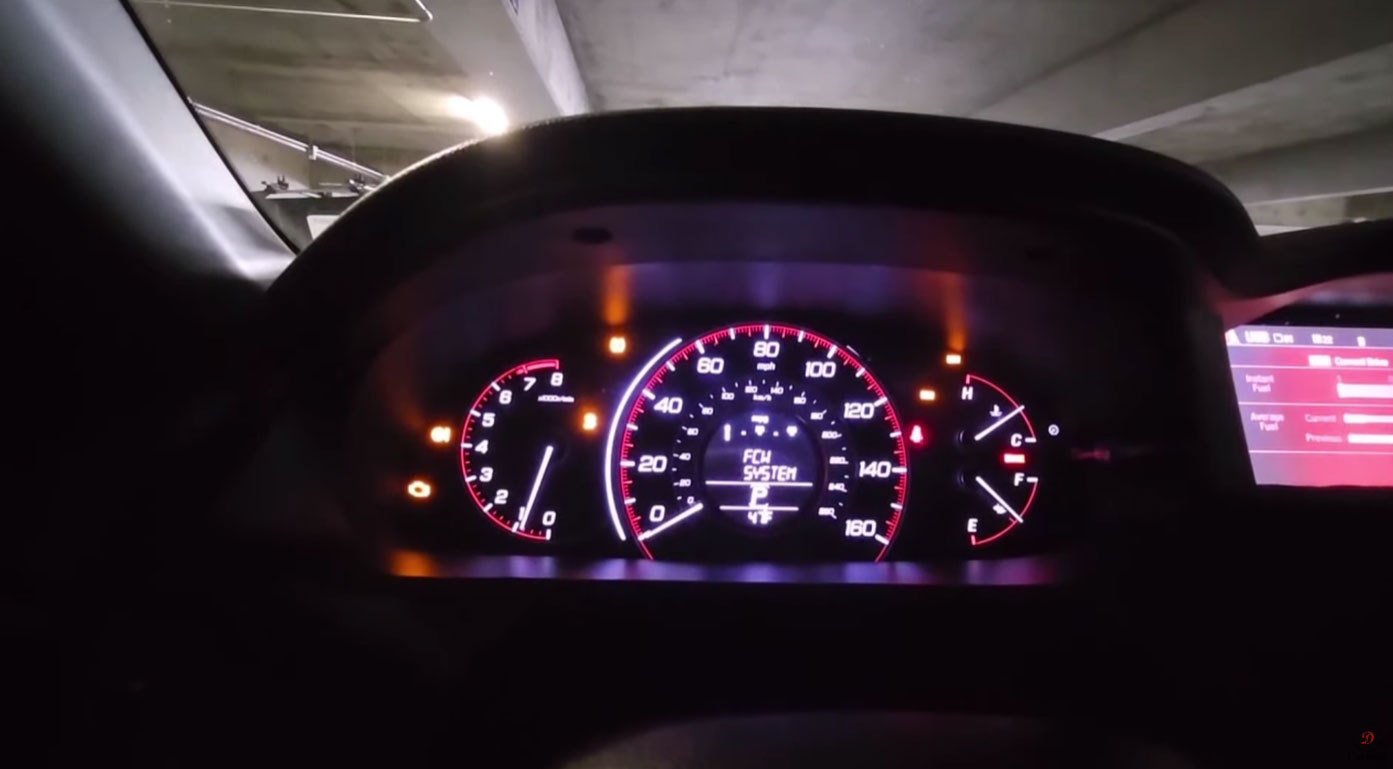
Your Honda Accord just lit up like a Christmas tree. All the dashboard lights are on. Your heart sinks. What does this mean? Is your car about to break down?
The good news: this usually has one or two simple causes. The bad news: you need to act fast.
In this guide, I’ll walk you through why this happens, what it means, and exactly what you should do right now.
Why All Dashboard Lights Come On at Once
When every light on your Honda Accord’s dashboard suddenly turns on, it’s not a random failure.
Your car’s electrical system is sending a distress signal. It’s telling you something is cutting power to the instruments or creating an electrical fault.
Think of it like this: each warning light is designed to turn on when its specific system has a problem. But when all of them light up at once, the problem isn’t with those individual systems. The problem is upstream—in the power supply itself.
This is actually a helpful diagnostic clue. It narrows down the possibilities significantly.
The Most Common Cause: Battery and Alternator Problems
Your Battery Is Dying or Dead
This is the #1 reason all dashboard lights come on in a Honda Accord.
When your battery voltage drops below a certain level, the car’s electrical system can’t power all the instruments correctly. The computer detects low voltage and triggers every warning light as a failsafe.
Signs your battery is the problem:
- Lights came on while driving or after sitting overnight
- The engine is running slowly or struggling to turn over
- Lights are dimmer than usual
- You hear clicking sounds when you try to start the car
A weak battery will do this even if the battery itself isn’t completely dead. It just needs to drop low enough.
Your Alternator Isn’t Charging
Your alternator’s job is to recharge your battery while you drive.
If the alternator fails, your battery loses power. Eventually, all those dashboard lights turn on.
How to tell if it’s your alternator:
- Lights came on while driving (not when parked)
- Engine is running fine, but lights won’t turn off
- Headlights or interior lights are getting dimmer
- You hear a whining or grinding noise from the engine bay
- Battery warning light is glowing
The key difference: a dead battery won’t let your car start. A bad alternator lets your car start and run, but it doesn’t recharge the battery. Eventually, you’ll run out of power.
Other Reasons This Happens
Ground Wire Issues
Your Honda Accord needs good electrical connections between the battery, engine, and chassis.
If a ground wire (the negative cable connection) comes loose or corrodes, the car’s computer can’t communicate properly with all the sensors. Your dashboard lights come on as a result.
What to check:
- Pop the hood
- Look at the black cable connected to the negative terminal of the battery
- Follow it to where it connects to the engine or frame
- Is it loose? Corroded? Disconnected?
This is often overlooked but easy to fix.
Blown Fuses or Relay Issues
A single blown fuse won’t light up all the dashboard lights. But a bad main relay or power distribution issue can.
This is less common in newer Accords but happens in older models.
Faulty Dashboard Display Itself
Rarely, the dashboard instrument cluster has an internal electrical fault.
This is the least likely cause, but it can happen. The whole display shorts out and lights everything up.
What to Do Right Now
Step 1: Check Your Battery Connections
- Turn off the engine.
- Open the hood.
- Look at the battery terminals (the metal posts on top).
- Is the red cable (positive) connected tightly?
- Is the black cable (negative) connected tightly?
- Try tightening them with a wrench if they’re loose.
- Restart your car. Do the lights turn off?
This takes 2 minutes and fixes the problem in about 30% of cases.
Step 2: Check Your Ground Wire
- Follow the black cable from the negative battery terminal.
- See where it connects to the engine or frame.
- Is it tight? Is it corroded (green or white crusty buildup)?
- If it’s corroded, disconnect it and clean it with a wire brush.
- Reconnect it tightly.
- Restart your car.
Step 3: Listen and Look
- Start your car normally.
- Does it run smoothly?
- Do the dashboard lights stay on or turn off?
- Listen for unusual noises from the engine bay.
- Are your headlights bright or dim?
If the lights turn off and your car runs normally, the problem is solved—at least for now.
Step 4: Drive Carefully
If all the lights are still on, drive directly to a mechanic.
Don’t go on a long road trip. Don’t drive on the highway. Drive slowly and directly to a shop.
Your battery might fully die, and you could get stranded.
When to See a Mechanic
You Need Professional Help If:
All lights are still on after checking battery connections. This means the problem is deeper—alternator, ground wire, or electrical fault.
The engine is running rough or won’t start. This could be battery or alternator, but the mechanic needs to test it properly.
You see smoke or smell burning plastic. Stop immediately. Don’t drive. This is a serious electrical fire risk.
Lights turn off, then come back on during driving. This is a classic alternator failure. Get it tested before you’re stranded.
What a Mechanic Will Do
A good mechanic will:
- Test your battery voltage with a multimeter (should be 12.6 volts when off, 14+ when running).
- Test your alternator output (should be 13.5–14.5 volts when the engine is running).
- Check all ground wire connections for corrosion or looseness.
- Scan your car with a diagnostic computer to see which systems are actually failing.
- Inspect the dashboard cluster if needed.
This costs $50–$100 in diagnostics. It’s worth it.
Common Mistakes Owners Make
Mistake #1: Ignoring It and Hoping It Goes Away
Some drivers think, “The lights are on, but the car still runs. I’ll deal with it later.”
Don’t do this. If your battery is dying, you could be stranded anywhere. If it’s your alternator, the battery will fully die within hours or days of driving.
Mistake #2: Disconnecting the Battery to “Reset” the Lights
This doesn’t fix the underlying problem. The lights will come back on.
Disconnecting the battery can also erase your car’s computer settings and cause other issues.
Mistake #3: Assuming It’s Always a Battery Problem
Yes, the battery is the most common cause. But it’s not always the battery. Your alternator, ground wires, or other electrical components might be failing.
Get it diagnosed properly.
Mistake #4: Replacing the Battery Without Testing the Alternator
If your alternator is bad, a new battery will fail within weeks. Always have the alternator tested before you buy a new battery.
Mistake #5: Driving Long Distances When Lights Are On
You could run out of power in the middle of traffic or on the highway. It’s dangerous and leaves you stranded.
FAQ
Q: Is it safe to drive my Honda Accord with all the dashboard lights on?
A: For a short distance to a mechanic, yes. For a long drive, no. The underlying electrical problem could leave you stranded. Drive slowly and directly to a shop.
Q: How much does it cost to fix all the dashboard lights coming on?
A: It depends on the cause. A loose battery cable costs nothing. A new alternator costs $400–$800. A new battery costs $100–$200. Diagnosis is usually $50–$100.
Q: Can a weak battery cause all dashboard lights to come on?
A: Yes. When battery voltage drops below ~10 volts, the car’s computer triggers multiple warning lights as a failsafe. This is very common.
Q: Will my Honda Accord start if all the lights are on?
A: Usually, yes—if it’s an alternator problem. If it’s a dead battery, the car might not start at all, or it will start very slowly with a clicking sound.
Q: Do I need to replace my battery or my alternator?
A: A mechanic can test both. A battery test takes 30 seconds. An alternator test takes 5 minutes. Don’t guess—get them tested. Replacing the wrong part wastes money.
Q: Why did all my dashboard lights come on while I was driving?
A: The most likely cause is your alternator stopped charging your battery. Your car ran on battery power alone, and the voltage dropped enough to trigger the warning lights. This is a sign your alternator is failing.
Q: Can loose battery cables cause all dashboard lights to come on?
A: Yes. Loose or corroded cables create poor electrical connections. The car’s computer detects low voltage and lights up the dashboard. Check your battery terminals first—it takes 2 minutes.
Q: What should I do if my dashboard lights come on while driving on the highway?
A: Turn off the air conditioning and heavy electrical loads (like the rear defroster). This reduces battery drain. Drive directly to the nearest exit and get to a mechanic. Don’t continue on the highway.
Conclusion
All your Honda Accord’s dashboard lights coming on is almost always an electrical power problem, not a problem with individual systems.
Here’s what you know now:
Your battery or alternator is the culprit 90% of the time. Loose battery cables or corroded ground wires cause many cases too.
What to do today:
- Check your battery terminal connections—they might just be loose.
- Look for corrosion on your negative cable connection.
- If the lights are still on, drive carefully to a mechanic.
- Get the battery and alternator tested.
The bottom line:
Don’t ignore this. You could be stranded. Get it checked within a day or two. A proper diagnosis costs $50–$100 and takes 30 minutes. That’s money well spent.
If you catch an alternator problem early, you avoid a dead battery on the side of the road. That’s worth the trip to a shop.