
Monday to Saturday - 9:00 am -18:00 pm

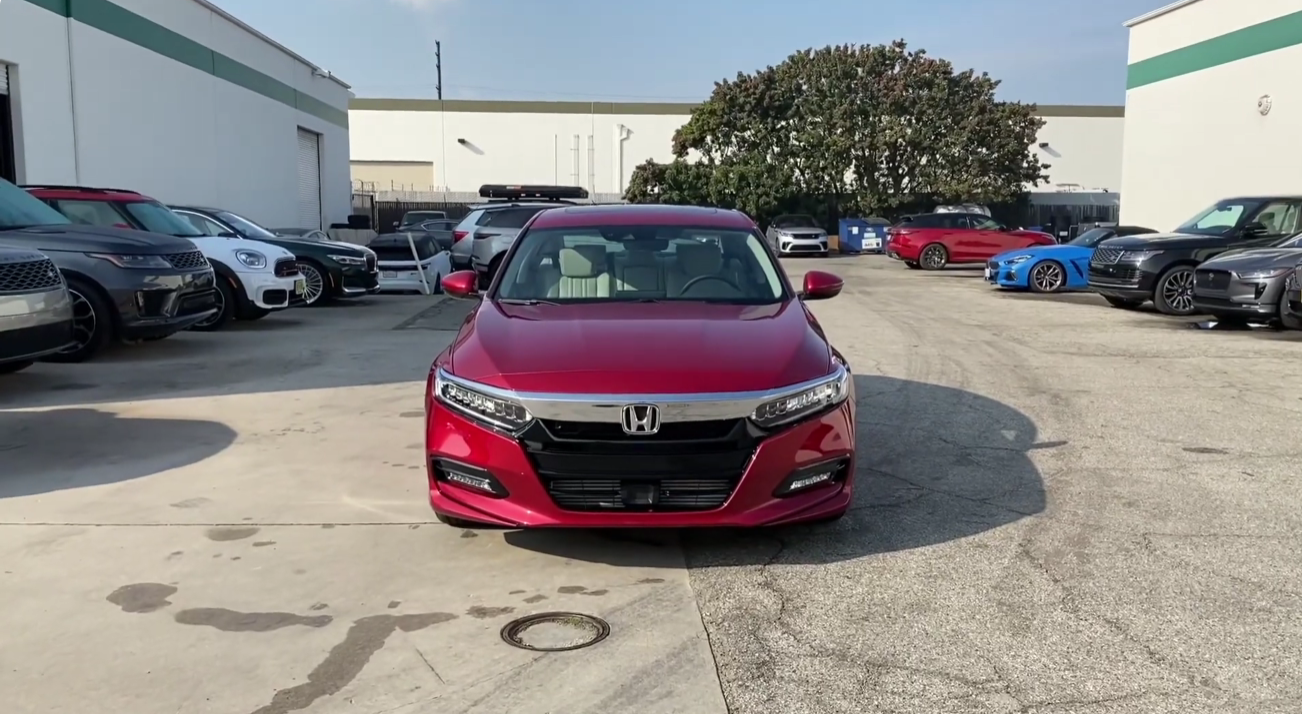
Honda makes some of the best cars on the road today. I’ve worked on hundreds of them in my shop over the years. People trust these vehicles because they last a long time when you take care of them properly.
Every car needs regular service to run well. Today, I’ll walk you through the Honda B1 Service code. This guide comes from my real experience fixing these cars every day.
What Does Honda B1 Service Mean?
This code tells you two things about your car’s needs. The letter “B” means your Honda needs fresh oil, a new filter, and a complete check of all major parts. The number “1” tells you it’s time to rotate your tires.
When this code pops up on your dashboard, don’t panic. Your car is just asking for help. In my shop, I see this code all the time. It’s normal and easy to fix.
How Much Does B1 Service Cost?
From what I charge at my shop, you’ll pay between $200 and $400 for this service. The final price depends on where you live and which shop you visit.
Cost Breakdown by Region
| Location | Expected Cost | What You Get |
|---|---|---|
| USA | $200-$400 (prices vary by shop) | Full oil change, filter swap, brake inspection, tire rotation, fluid checks, boot inspection, connection checks |
| Canada | Similar pricing | Same services |
| UK | About the same | Same services |
Some shops charge more in big cities. Rural areas usually cost less. Always ask for a quote before the work starts.
When Should You Get B1 Service?
Your Honda needs B1 service every 5,000 to 7,500 miles. That’s usually about 6 months of normal driving. I tell my customers to watch their odometer and come in when they hit that mark.
This schedule works for all Honda models. I service the Civic, CRV, Accord, Pilot, Ridgeline, and Fit using the same timeline. Your owner’s manual has the exact schedule for your specific car.
Don’t wait too long after the light comes on. From years under the hood, I’ve seen what happens when people ignore these warnings. Small problems become big ones fast.
What’s Done During B1 Maintenance?
When I service a car like this, I follow a specific checklist. Here’s everything included in proper B1 maintenance:
Complete B1 Service Checklist
- Fresh engine oil replacement
- Brand new oil filter installed
- All four tires rotated to even out wear
- Parking brake adjustment and test
- Rear brake pad thickness measurement
- Brake rotor condition check
- Tie-rod end inspection for wear
- Steering gearbox examination
- Steering boot condition check
- Suspension parts inspection
- Fuel line connection testing
- Driveshaft boot examination
- Exhaust system leak check
- Brake hose and line inspection
- Transmission fluid level check
- Brake fluid condition test
- Coolant level verification
This list looks long, but the work goes quickly. Most of it is visual inspection. In my shop, we finish B1 service in about an hour.
The important thing is catching problems early. A worn boot costs $50 to replace now. Wait too long and you’ll need a $500 repair.
Tools Mechanics Use for This Service
When I work on steering components during B1 service, I use professional equipment. Here are the main tools in my toolbox:
- Plastic tubing coupler (3/8 inch minimum)
- Long socket extension bars
- Quality mechanic’s tool set
- Tie rod end removal tool
- Various socket sizes and ratchets
- 17mm crowfoot wrench adapter
- Breaker bar for stuck bolts
- Fresh automatic transmission fluid (one gallon)
Good tools make the job safer and faster. In my experience, cheap tools cause more problems than they solve.
Important Fluids Checked During B1
Let me explain the three main fluids we check during this service.
Transmission Fluid Explained
This red liquid keeps your transmission running smooth. It stops metal parts from grinding together. Think of it like blood in your body – it needs to flow properly.
I check the color and smell. Dark or burnt fluid means trouble. In my shop, I’ve saved customers thousands by catching bad transmission fluid early.
Brake Fluid Purpose
Brake fluid transfers force from your pedal to your wheels. When you press the brake, this fluid makes your car stop.
If your brake pedal feels soft or spongy, the fluid is probably low. Air gets into the lines when fluid runs out. That’s dangerous. I always check brake fluid during B1 service.
Coolant Function
Coolant is a mix of antifreeze and water. It keeps your engine from overheating. Without it, your engine would seize up in minutes.
I test coolant strength with a special tool. Weak coolant won’t protect your engine in winter or summer. Replacing it is cheap insurance.
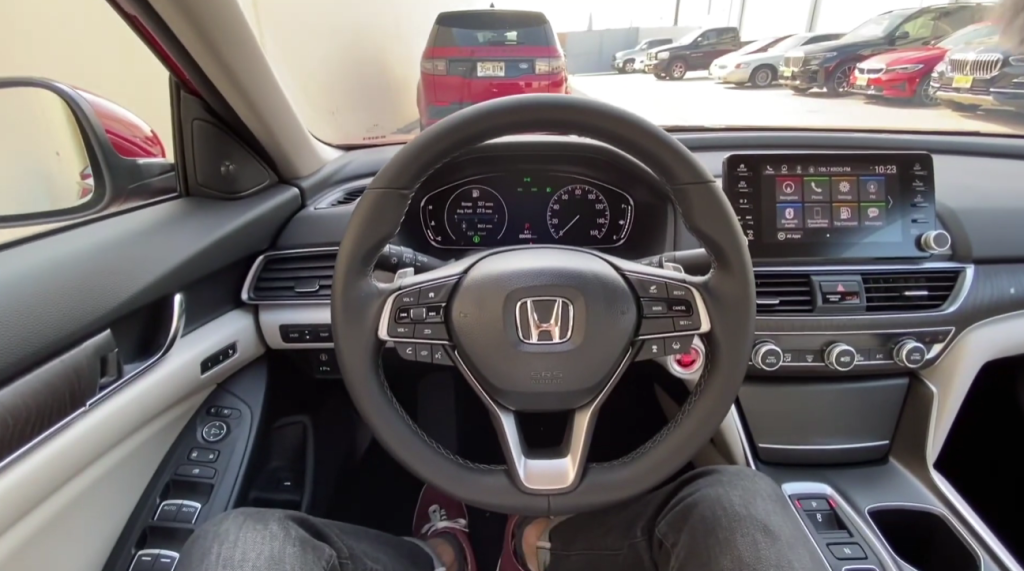
How to Turn Off the B1 Warning Light
After the service is done, you need to reset the light. Here’s how I do it in the shop:
- Turn on your car (engine doesn’t need to run)
- Find the Select/Reset button on your dashboard
- Press and hold it for 10 seconds
- Watch the oil life percentage blink
- Keep holding until it resets to 100%
- Release the button
The light should turn off. If it doesn’t, bring your car back to the shop. Something might need another look.
Final Thoughts from a Mechanic
I’ve been working on Hondas since 2010. The B1 service code is nothing to worry about. It’s just scheduled maintenance.
Think of it like going to the dentist. Regular check-ups prevent major problems. Skipping B1 service saves money today but costs more tomorrow.
When I service a car like this, I find small issues before they break. A cracked boot, low fluid, or worn brake pad – these are easy fixes during B1 service.
From years under the hood, here’s my honest advice: Get B1 service done when the light comes on. Don’t wait. Your Honda will thank you with years of reliable driving.
Most people I meet don’t know much about cars. That’s okay. That’s why mechanics like me are here. We keep your vehicle safe and running strong.
The $200 to $400 you spend on B1 service protects your investment. Your car is worth thousands of dollars. Take care of it properly.
If you drive a Honda, bookmark this guide. You’ll need it eventually. And when that B1 light appears, you’ll know exactly what to do.