
Monday to Saturday - 9:00 am -18:00 pm

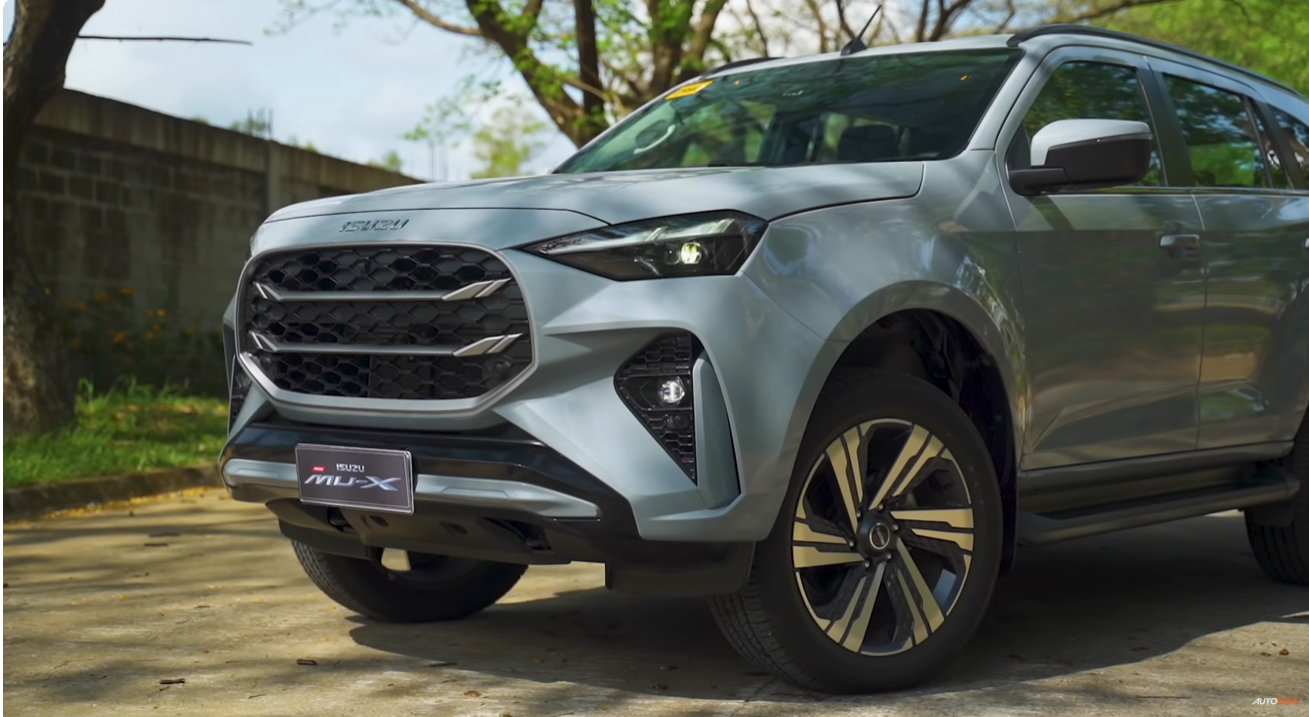
The Isuzu MU-X is a tough mid-size SUV. It first came out in 2013. People love it for off-road adventures and family trips. But like every vehicle, it has some problems.
In my shop, I’ve worked on dozens of these SUVs. Some issues pop up more than others. Today, I’ll share what I’ve learned from years under the hood.
This guide covers the most frequent MU-X problems. You’ll learn what to watch for. And I’ll show you how to keep your SUV running strong.
What Makes The Isuzu MU-X Special
The MU-X stands for Multi-Utility Crossover. It’s built on the same platform as the D-Max pickup truck. This gives it real strength.
You can get it in two-wheel drive or four-wheel drive. Most models use a diesel engine. This engine is known for lasting a long time.
The MU-X can tow heavy loads. It seats seven people comfortably. And it handles dirt roads like a champ.
From my experience, these vehicles are workhorses. But they need proper care. Skip maintenance, and problems will find you fast.
Most Common Problems You’ll Face
When I service MU-X vehicles, I see patterns. Some issues happen more than others. Here’s what comes through my bay doors most often:
- Motor complications with the diesel system
- Gearbox shifting troubles
- Hard suspension causing bumpy rides
- Electronics acting up randomly
- Brake noise and steering drift
- Metal rust forming underneath
Let me break down each problem. I’ll explain what causes it. And I’ll tell you what to do about it.
Motor Troubles To Watch For
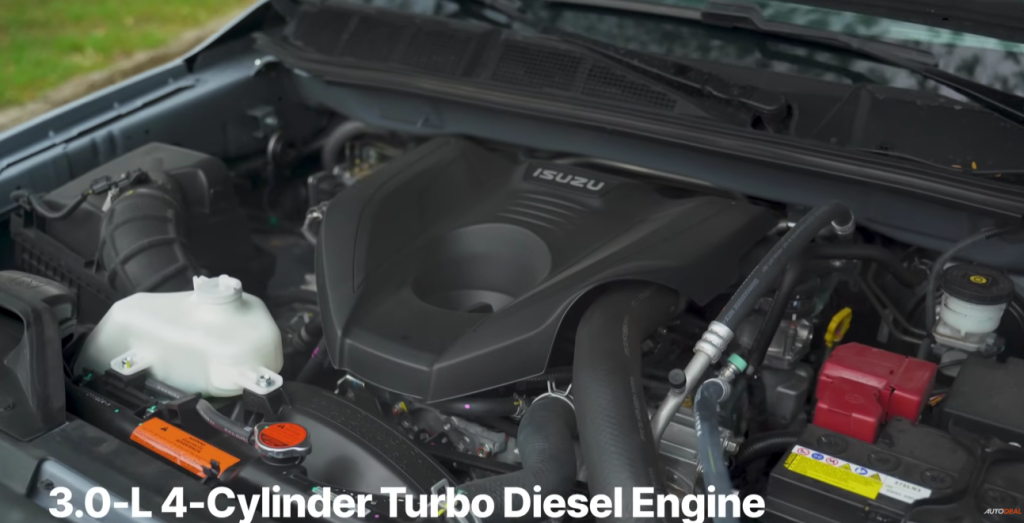
The diesel engine is usually reliable. But it’s not perfect. In my shop, I see two main engine problems.
Diesel Filter Getting Clogged
The DPF (diesel particulate filter) catches soot. This keeps emissions clean. But it needs to burn off that soot regularly.
If you only drive short trips in the city, the DPF can’t clean itself. The warning light comes on. Your fuel economy drops fast.
I’ve seen this happen to delivery drivers. They go short distances all day. The filter never gets hot enough to regenerate.
What happens: Your check engine light turns on. The SUV feels sluggish. You’ll smell burning when the system tries to clean itself.
My fix: Take your MU-X on the highway once a week. Drive for at least 30 minutes. Keep the RPMs above 2000. This burns off the soot buildup.
Turbo Wearing Out Early
The turbocharger adds power to the engine. But it spins incredibly fast. Over time, it can fail.
When I diagnose a bad turbo, I hear specific sounds. There’s a high-pitched whine during acceleration. Sometimes I see blue smoke from the exhaust.
Warning signs:
- Whining or whistling noise when you speed up
- Loss of power on highways
- Black or blue smoke coming out back
- Oil consumption going up
Prevention tip: Change your oil on time. Use the right grade. Turbos need clean oil to survive. I’ve pulled apart turbos that failed just from dirty oil.
Gearbox Issues That Appear
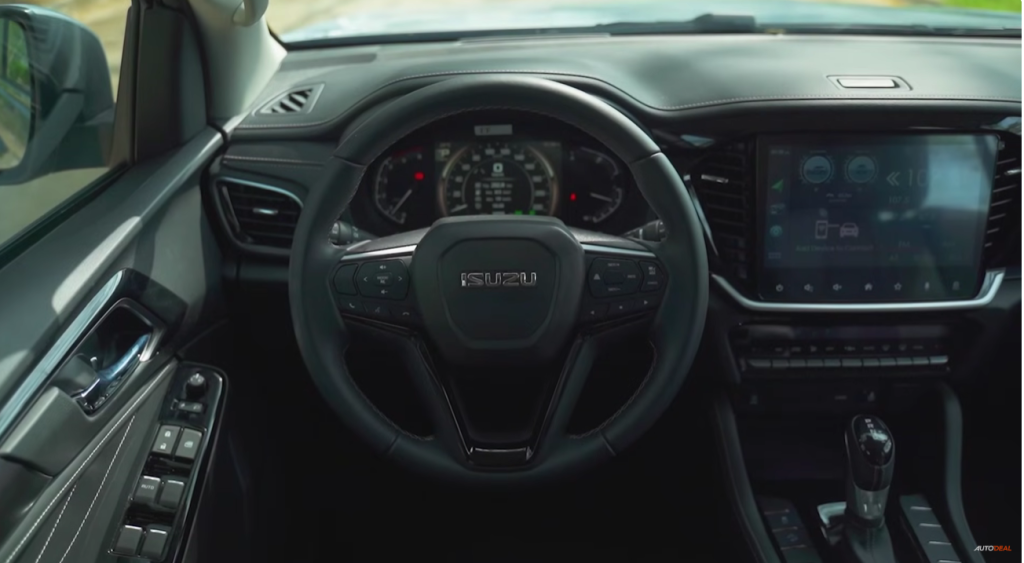
Transmission problems frustrate MU-X owners. The automatic gearbox can develop issues. I see this especially in vehicles with high mileage.
Rough Shifting Between Gears
The transmission should shift smoothly. But some MU-X models jerk when changing gears. This happens most at low speeds.
In my bay, I’ve felt this firsthand during test drives. The SUV lurches forward. It’s uncomfortable for passengers.
Common scenarios:
- Jerking when pulling away from a stop
- Clunking between first and second gear
- Delayed response when you press the gas
What causes it: Often it’s old transmission fluid. Sometimes the transmission control module needs updating.
Overheating During Heavy Work
When you tow a trailer or climb mountains, the gearbox works hard. It creates heat. If it gets too hot, damage happens.
I’ve seen transmission fluid turn black from overheating. The smell is unmistakable. It’s a sweet, burnt odor.
Signs to watch:
- Temperature warning light on the dash
- Transmission slipping gears
- Fluid leaking underneath
- Burnt smell from under the hood
My advice: Install a transmission cooler if you tow regularly. Check the fluid level every month. Red fluid is good. Brown or black means trouble.
Rough Ride And Suspension Wear
The MU-X suspension is built tough. It handles rocks and dirt trails. But this toughness comes with a trade-off.
Stiff Ride On Normal Roads
The suspension is set up for off-roading. This makes city driving feel harsh. Every bump comes right through to your seat.
I get customers complaining about this all the time. They expected a smooth ride like a car. But the MU-X rides more like a truck.
What you’ll notice:
- Bumps feel harder than they should
- Passengers complain about comfort
- Highway expansion joints jar you
Reality check: This is partly by design. But worn suspension makes it worse.
Parts Wearing Out Over Time
Suspension components don’t last forever. Bushings crack. Shock absorbers leak. Ball joints develop play.
In my shop, I use a pry bar to check for wear. I listen for clunking sounds. I look at tire wear patterns.
Failed parts I replace often:
- Shock absorbers (especially front ones)
- Control arm bushings
- Sway bar links
- Ball joints on rough-road vehicles
Listen for these sounds:
- Knocking when going over bumps
- Clunking when turning
- Squeaking on rough surfaces
Check your tires: Uneven wear on the inside or outside means alignment issues. This often comes from worn suspension parts.
Electrical Gremlins And Sensor Faults
Modern SUVs have computers everywhere. The MU-X is no exception. These systems usually work fine. But when they fail, diagnosis gets tricky.
Sensor Problems Causing Warnings
Oxygen sensors, mass airflow sensors, and other components send data to the computer. Bad sensors give wrong information.
I’ve spent hours chasing sensor issues. Sometimes the check engine light comes on. The code points to one problem. But the real issue is somewhere else.
Common sensor failures:
- Oxygen sensors after 100,000 miles
- Mass airflow sensor getting dirty
- Throttle position sensor acting erratic
- ABS wheel speed sensors failing
Safety concern: Bad sensors can affect your airbags or ABS. These are critical safety systems. Don’t ignore warning lights.
Infotainment Screen Acting Up
The touchscreen system can freeze or restart. Bluetooth won’t connect. The backup camera goes black.
In my experience, software updates fix many of these problems. But sometimes the whole unit needs replacement.
Frustrating issues I hear about:
- Screen freezing randomly
- Audio cutting out
- Navigation not working
- Phone won’t pair properly
Quick fix: Try disconnecting the battery for 10 minutes. This resets the system. It works about half the time.
Stopping And Steering Problems
Your brakes and steering keep you safe. When problems develop here, address them immediately.
Brake Noise And Vibration
Some MU-X owners hear squealing or grinding. Others feel pulsing in the brake pedal. These aren’t normal.
When I inspect brakes, I measure rotor thickness. I check pad material. I look at the caliper slides.
What different noises mean:
- Squealing: Usually worn brake pads
- Grinding: Pads are completely gone, damaging rotors
- Pulsing: Warped rotors from heat
Don’t wait: Grinding brakes can cost three times more to fix. You’ll need rotors and pads instead of just pads.
Steering Pull And Drift
The MU-X should track straight. If it pulls to one side, something’s wrong. This gets worse at highway speeds.
I use an alignment machine to check this. Often the problem is simple misalignment. But sometimes it’s bigger.
Causes I find:
- Wheel alignment off from hitting potholes
- Uneven tire pressure
- Worn steering components
- Brake caliper sticking
Safety note: Steering problems cause uneven tire wear. They make emergency maneuvers harder. Get this checked fast.
Body Rust You Need To Check
Rust is the silent killer of vehicles. It starts small. Then it spreads. Eventually, it threatens structural integrity.
Where Rust Hides
I always check the undercarriage on MU-X vehicles. That’s where rust loves to start. Especially if you live near the ocean or where they salt roads.
Get under your SUV with a flashlight. Look at the frame rails. Check suspension mounting points. Examine the exhaust system.
Common rust spots:
- Frame where it meets the body
- Rear wheel wells behind the plastic
- Under the doors along the rocker panels
- Exhaust brackets and hangers
Why it matters: Rust on the frame weakens the whole structure. Rust on suspension mounts can cause parts to break free.
How To Prevent Corrosion
In my shop, I recommend undercoating for vehicles in rust-prone areas. An oil spray works too. But prevention beats repair every time.
Protection steps:
- Wash the underside regularly
- Apply rust prevention coating annually
- Fix paint chips immediately
- Keep drain holes clear
Winter tip: Wash your MU-X after every snowstorm. Salt eats through metal fast. Don’t let it sit there.
How To Keep Your MU-X Healthy
Prevention is cheaper than repair. I’ve seen this truth countless times. Here’s what I tell every MU-X owner who comes to my shop.
Oil Changes Are Critical
Diesel engines need clean oil. Change it every 5,000 miles or six months. Use the oil grade specified in your manual.
I’ve torn down engines that failed from neglect. The oil was thick as tar. Internal parts were scored and damaged.
Use quality filters: Cheap filters don’t catch fine particles. Spend extra for a good filter. Your engine will thank you.
Transmission Service Schedule
Don’t skip transmission fluid changes. The service manual says when. Usually every 40,000 to 60,000 miles.
Fresh fluid prevents most transmission problems I see. It lubricates better. It cools better. It protects expensive internal parts.
What I do: Drop the pan, change the filter, and refill with new fluid. This removes metal particles and contaminants.
Suspension Inspections Matter
Have a mechanic check your suspension yearly. We look for worn bushings. We test shock absorbers. We measure ball joint play.
Catching wear early saves money. A $150 bushing replacement beats a $1,200 suspension overhaul.
DIY check: Bounce each corner of your MU-X. It should settle after one bounce. Multiple bounces mean worn shocks.
Keep The DPF Happy
Take highway trips regularly. Let the engine get fully warm. This allows the diesel filter to clean itself properly.
I see many DPF problems from city-only driving. The filter never regenerates. Eventually, it gets completely blocked.
My recommendation: One 30-minute highway drive per week. Maintain 2,000 RPM or higher. This keeps the system clean.
Don’t Ignore Warning Lights
That check engine light isn’t decoration. It’s telling you something needs attention. Get it scanned and diagnosed.
In my shop, I use a professional scanner. It shows live data and fault codes. This points me to the exact problem.
Free scanning: Many auto parts stores scan for free. At least you’ll know what the code says.
Final Thoughts From A Mechanic
The Isuzu MU-X is a solid SUV. It’s built for hard work and adventure. But it needs proper care like anything with moving parts.
From years working on these vehicles, I’ve learned they’re reliable when maintained. The problems I discussed are fixable. Most are preventable with regular service.
Don’t let small issues become big ones. That knocking noise won’t fix itself. That warning light isn’t going away on its own.
My bottom line: The MU-X will serve you well if you serve it well. Follow the maintenance schedule. Address problems quickly. And find a mechanic you trust.
If you own one of these SUVs, you made a good choice. Just remember that tough vehicles still need care. Treat your MU-X right, and it’ll take you anywhere you want to go.
Have questions about your specific MU-X problem? Most issues have solutions. The key is catching them early before they cause bigger damage.