
Monday to Saturday - 9:00 am -18:00 pm

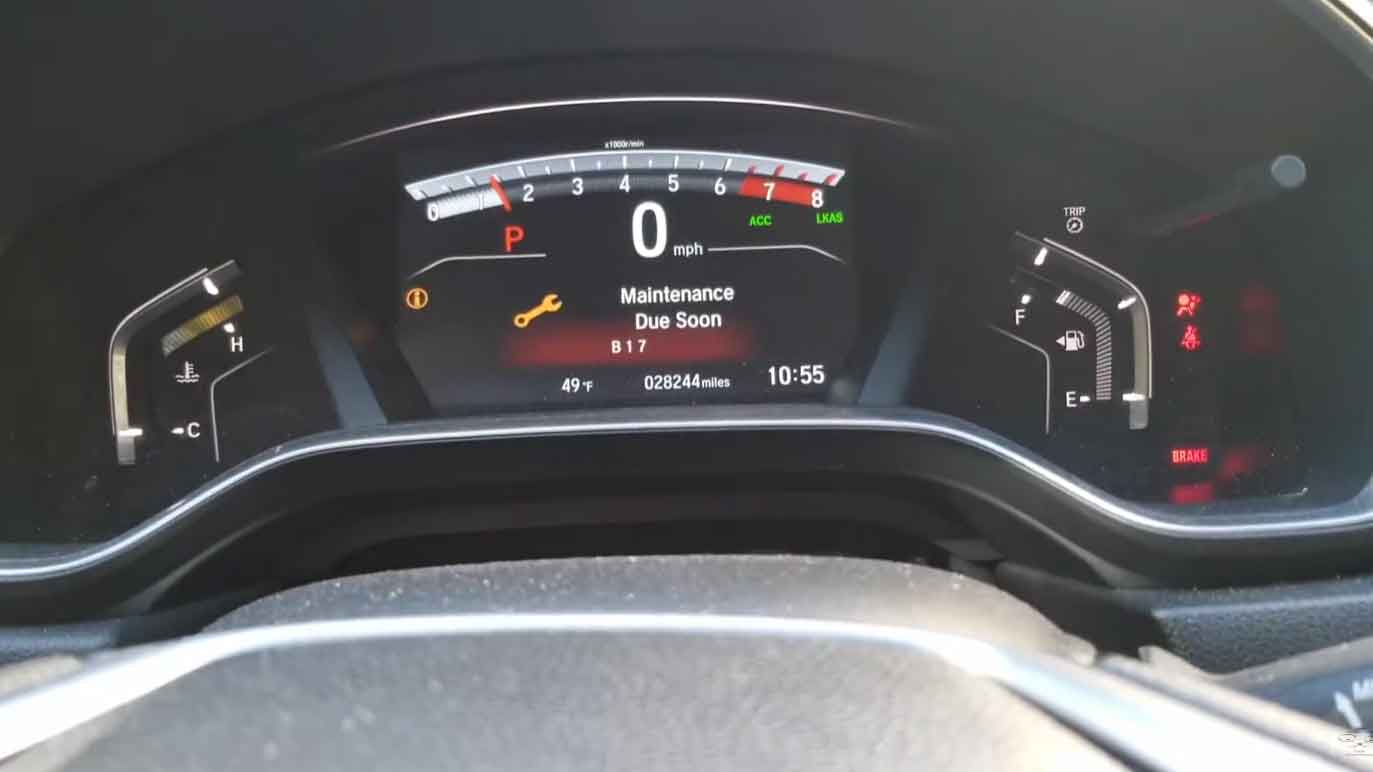
Ever notice how your Honda runs smoother after a trip to the shop? That’s not magic. It’s proper maintenance doing its job.
In my 15 years as a Honda-certified mechanic, I’ve reset hundreds of B17 codes. Today, I’ll walk you through what this service means, what it costs, and why skipping it could hurt your wallet later.
Let’s get started.
Understanding the Honda B17 Code
Your Honda uses a smart system called Maintenance Minder. It watches how you drive and tells you when service is due.
The B17 code means three separate jobs need attention. Your car is basically saying, “Hey, time for some care.”
From years under the hood, I can tell you this: these codes exist for a reason. They’re based on real wear patterns Honda engineers studied.
Breaking Down Each Part of B17
Think of B17 as three separate messages rolled into one alert.
The “B” Part
This letter tells you several things need work:
- Your engine oil filter must be swapped out
- Front brakes need a thorough inspection
- Parking brake requires adjustment checking
The “1” Part
This number is all about your tires:
- Rotate them to ensure even wear
- Check each one for damage or problems
The “7” Part
This digit means one thing:
- Replace your brake fluid completely
Each part tackles a different system in your vehicle. Together, they keep your Honda running right.
Why B17 Maintenance Can’t Wait
In my shop, I’ve seen what happens when drivers ignore service codes. It’s never pretty.
Your engine needs clean oil and a fresh filter. Without them, parts grind together and wear out fast. I’ve pulled apart engines that could’ve lasted 200,000 miles but died at 100,000 because of skipped oil changes.
Brakes are even more critical. Old brake fluid absorbs water over time. Water in your brake lines means longer stopping distances. In an emergency, that could be the difference between a close call and a collision.
Tire rotation might seem minor. But uneven tire wear costs you money. You’ll replace tires sooner and get worse gas mileage.
When that B17 code lights up your dashboard, your Honda is asking for help. Don’t wait.
What You’ll Pay for B17 Service
Pricing varies based on where you live and which Honda you drive. But I can give you solid estimates from what I charge and what other shops ask.
Oil Filter and Brake Inspection (B Part)
Expect to pay between $110 and $220 for this portion.
This covers:
- New oil filter installation
- Complete front brake inspection
- Parking brake adjustment check
- Labor time for all three tasks
In my experience, dealerships charge toward the higher end. Independent shops often cost less but make sure they’re Honda-certified.
Tire Rotation and Check (1 Part)
This runs $25 to $50 in most areas.
Some shops include this free with oil changes. Always ask before paying separately.
Brake Fluid Replacement (7 Part)
Budget $100 to $220 for this service.
The price includes:
- New DOT 3 or DOT 4 brake fluid
- Complete system flush
- Labor for bleeding all four corners
You can buy fluid yourself and save maybe $15. But most shops prefer using their own supply.
Important Note: These numbers apply to most Honda models. Your Civic, Accord, CR-V, or Pilot should fall in these ranges. Always get a written estimate before work begins.
Step-by-Step: What Happens During B17 Service
Let me walk you through each job like I’m doing it in my bay.
Replacing the Oil Filter
Here’s how I tackle this job:
First, I pop the hood. There’s a release latch under the front edge that slides to the right. The hood lifts, and I secure the support rod.
Next, I raise the vehicle on my lift. At home, you’d use a floor jack and jack stands. Never crawl under a car supported only by a jack.
I slide my drain pan underneath and loosen the drain plug. Old oil flows out for several minutes. While it drains, I move to the filter.
Using my filter wrench, I turn the old filter counterclockwise. It loosens, and I remove it by hand. Some oil spills, which is normal.
Before installing the new filter, I rub fresh oil on the rubber gasket. This helps it seal properly. Then I thread it on by hand only. No wrench needed for installation. Just snug it up firmly—about three-quarters of a turn after the gasket contacts.
Checking and Adjusting Brakes
Brake work requires attention to detail.
I start by removing all four wheels. With the wheels off, I can see the brake pads, rotors, and calipers clearly.
For the front brakes, I measure pad thickness with my caliper. Anything under 3mm means replacement soon. I also check for:
- Uneven pad wear
- Rotor scoring or grooves
- Leaking brake fluid
- Loose caliper bolts
The parking brake gets adjusted from inside the drum (on rear disc systems) or at the cable. I pull the rubber access plug and use a brake spoon to adjust the star wheel. The goal is slight drag when you spin the wheel by hand.
After adjustments, I test everything. I pump the brake pedal and pull the parking brake. Then I check for proper engagement and release.
Rotating Your Tires
Tire rotation follows a specific pattern.
For front-wheel-drive Hondas (most models), I use this rotation:
- Left front goes to left rear
- Right front goes to right rear
- Left rear goes to right front
- Right rear goes to left front
While the tires are off, I inspect each one. I’m looking for:
- Cuts in the sidewall
- Nails or punctures
- Uneven tread wear
- Proper tread depth (I use a penny test)
This is also when I check and adjust tire pressure. Your door jamb sticker shows the right PSI.
Flushing Brake Fluid
This job is messy but critical.
Brake fluid pulls moisture from the air. That’s just chemistry—it’s hygroscopic. Over time, water content increases. Water lowers the boiling point, which can cause brake fade.
I start at the wheel farthest from the master cylinder—usually the right rear. I attach my clear hose to the bleeder valve and crack it open. My assistant pumps the brake pedal while I watch old, dark fluid flow out.
When fresh, clean fluid appears, I tighten the valve. Then I move to the left rear, right front, and left front in order.
The whole process takes about 30 minutes. I use roughly a quart of new fluid for the complete system.
Honda recommends brake fluid replacement every 45,000 miles or three years. From what I’ve seen, three years is a good interval even if you haven’t hit the mileage.
Other Important Checks During B17
When your Honda is in for B17 service, smart mechanics check other systems too. Here’s what I inspect:
Steering System Inspection
I check the steering gearbox and tie rod ends. I’m looking for looseness, leaks, or torn boots. Bad tie rods affect your alignment and make steering feel sloppy.
Exhaust System Check
I look under the car at the exhaust pipes, muffler, and catalytic converter. Rust holes or loose hangers need fixing. A loud exhaust isn’t just annoying—it can mean dangerous fumes.
Brake Lines and Hoses
Beyond the fluid, I inspect every brake line. I look for:
- Cracks in rubber hoses
- Rust on metal lines
- Leaks at connections
- ABS sensor wiring damage
Fuel Line Inspection
I check fuel lines for leaks and damage. A fuel leak is a fire hazard. Even a small drip needs immediate attention.
CV Boot Examination
Front-wheel-drive Hondas have CV axles with rubber boots. If a boot tears, grease escapes and the joint wears out fast. A $15 boot costs way less than a $400 axle.
These extra checks don’t cost you more during B17 service. They’re part of good maintenance practice.
Why B17 Service Protects Your Investment
Honda maintenance codes aren’t random. They’re based on decades of engineering data and real-world testing.
The B17 code appears when your vehicle needs these specific services. Ignoring it means risking expensive repairs later.
In my shop, I’ve seen the consequences:
- Engines seized from neglected oil changes
- Brake failure from contaminated fluid
- Tire blowouts from ignored rotation
These aren’t scare tactics. They’re real problems I’ve fixed at ten times the cost of regular maintenance.
When that B17 light appears on your dash, don’t wait. Schedule service within the next week or two. Your Honda is trying to help you avoid bigger problems.
Think of it as a health checkup for your car. You wouldn’t skip your doctor appointments, right?
Final Thoughts
The Honda B17 service code combines three essential maintenance tasks. Each one protects a vital system in your vehicle.
Yes, it costs money upfront. But it saves you much more by preventing major repairs.
From my experience, Honda owners who follow their Maintenance Minder codes keep their cars running past 200,000 miles. Those who ignore the codes often face expensive repairs before 150,000.
Take care of your Honda, and it’ll take care of you for years to come.
Frequently Asked Questions
What exactly does Honda B17 service include?
B17 covers three main jobs: oil filter replacement plus brake inspection (B), tire rotation (1), and brake fluid replacement (7). Most shops complete all three during one appointment.
How long does B17 service take?
In my shop, I complete B17 service in about 90 minutes to two hours. This includes all three services plus the additional safety inspections. Busy shops might need you to leave the car for half a day.
Can I skip the B17 service and just reset the code?
Technically, yes—you can reset it. But that’s like ignoring your check engine light. The code appears because your Honda needs these services. Skipping them risks safety and leads to costlier repairs later. I never recommend ignoring maintenance codes.
How often does the B17 code appear?
It varies based on your driving. Most Honda owners see B17 every 30,000 to 45,000 miles. City drivers might see it sooner. Highway drivers might go longer between services.
Should I go to a dealer or independent shop for B17?
Both can do the job well. Dealers often cost more but use Honda parts exclusively. Independent shops charge less and most use quality aftermarket parts. Just make sure any shop you choose has Honda experience and good reviews.
What happens if I drive past the B17 service interval?
Your Honda won’t stop running immediately. But you’re gambling with safety and longevity. Contaminated brake fluid can cause brake failure. Skipped oil changes lead to engine damage. Old, unevenly worn tires increase accident risk. Get the service done as soon as you can after the code appears.