
Monday to Saturday - 9:00 am -18:00 pm

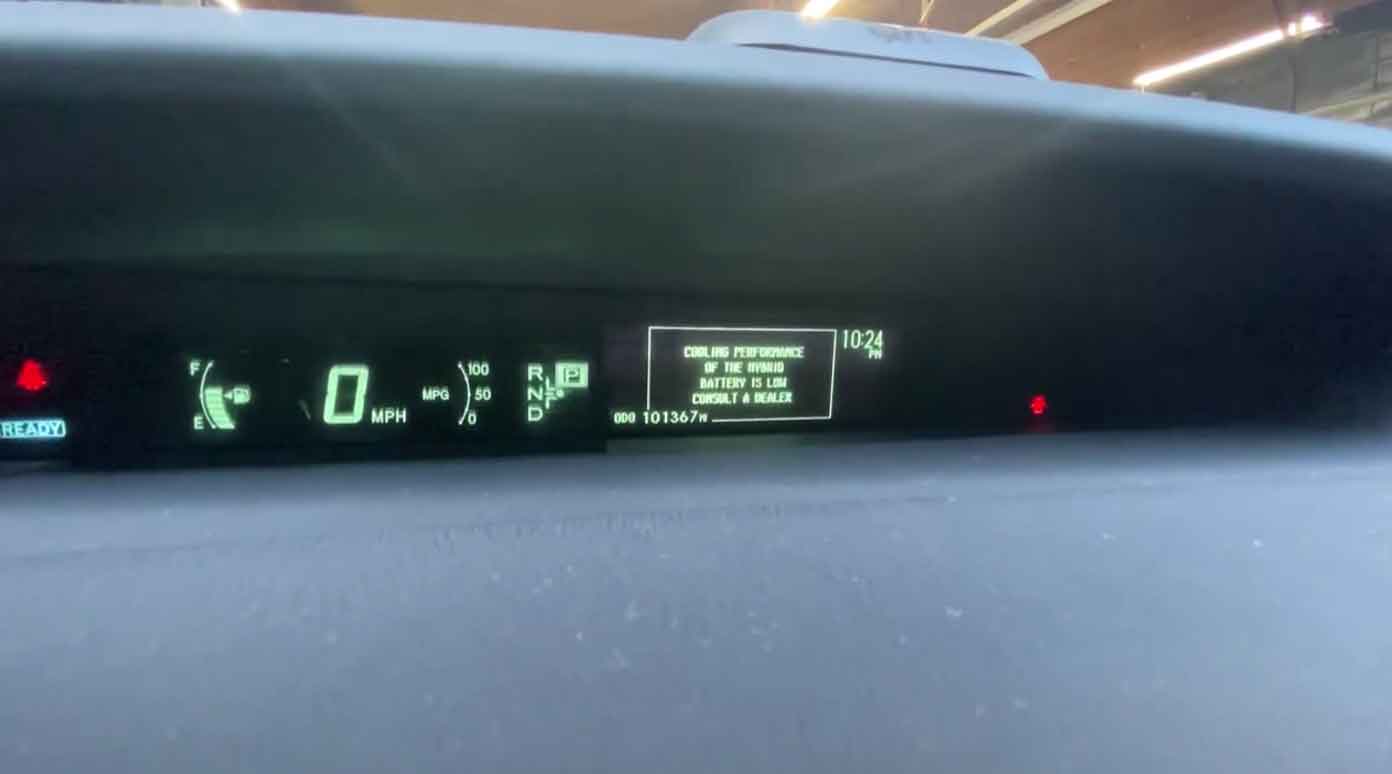
Understanding Your Hybrid Battery’s Cooling Problem
Your hybrid car’s battery pack needs to stay cool to work right. When the cooling system fails, the battery gets too hot. This causes low efficiency. I see this problem almost every week in my shop.
The battery cooling system is not complex. But it’s critical for your car’s performance. Let me walk you through what happens and how to fix it.
What Causes Low Hybrid Battery Efficiency?
Blocked Air Filters
The cooling fan pulls air through filters. These filters catch dust and debris. Over time, they get clogged.
In my shop, I’ve seen filters completely black with dirt. When I service a car like this, the battery temperature drops immediately after cleaning.
Check your cabin air filter first. It’s usually behind the glove box. A dirty filter blocks 70% of the airflow.
Faulty Cooling Fans
The battery cooling fan works hard. It runs constantly in hot weather. Bearings wear out. Motors fail.
From years under the hood, I know this sound. A dying fan makes a grinding noise. Sometimes it stops completely.
You can test the fan yourself. Turn on the car. Listen near the rear seat area. You should hear a steady hum.
Clogged Cooling Ducts
Air travels through ducts to reach the battery. These passages can get blocked. Leaves, trash, and debris build up inside.
I once found a child’s toy blocking an entire cooling duct. The owner had no idea it was there. The battery was overheating constantly.
Remove the rear seat cushion. Look into the duct openings. Use a flashlight to check for blockages.
Damaged Temperature Sensors
The battery has temperature sensors. They tell the computer when to run the cooling fan. Bad sensors send wrong signals.
When I diagnose these cars, I use my scan tool to check sensor readings. Sometimes the sensor reads 50 degrees when it’s actually 100 degrees.
This causes the fan to run less. The battery overheats. Efficiency drops fast.
Signs Your Battery Cooling System Is Failing
Warning Lights on the Dashboard
The hybrid system warning light looks like a car with an exclamation mark. It turns on when there’s a problem.
The check engine light may also appear. Don’t ignore these warnings. They indicate real issues.
From my experience, catching problems early saves thousands of dollars. Waiting makes things worse.
Reduced Fuel Economy
Your hybrid should get excellent gas mileage. If you notice it dropping, check the cooling system.
A hot battery can’t charge or discharge efficiently. The gas engine runs more to compensate. Your MPG suffers.
Track your fuel economy weekly. A sudden 5-10 MPG drop signals a problem.
Battery Temperature Warnings
Some hybrids show battery temperature on the dashboard. Others display it through the infotainment screen.
Normal battery temperature is between 60-80 degrees Fahrenheit. Anything over 100 degrees is concerning.
I always check battery temperature during test drives. It tells me a lot about cooling system health.
Loss of Electric Power
The electric motor feels weak. Acceleration is sluggish. The car relies more on the gas engine.
This happens because the computer limits battery power. It’s protecting the battery from heat damage.
When I service a car with this symptom, the cooling system is usually the culprit.
How to Improve Your Battery Cooling Performance
Replace Dirty Air Filters
This is the easiest fix. Buy a new cabin air filter from the parts store. Installation takes 10 minutes.
Open your glove box. Remove the contents. Squeeze the sides to drop it down. The filter housing is right behind it.
Pull out the old filter. Slide in the new one. Make sure the arrows point toward the airflow direction.
I recommend changing this filter every 15,000 miles. More often if you drive on dusty roads.
Clean the Cooling Fan
The battery cooling fan needs maintenance. Remove it and clean the blades.
You’ll need basic tools: screwdrivers, socket set, and a soft brush. The fan is usually under the rear seat or in the trunk area.
Disconnect the electrical connector first. Remove the mounting bolts. Take out the fan assembly.
Use a soft brush to clean the blades. Compressed air works great too. Check the bearings by spinning the fan. It should turn smoothly.
If it grinds or wobbles, replace the fan. A new fan costs $100-300 depending on your car model.
Clear Blocked Cooling Ducts
Pull up the rear seat cushion. Most hybrid seats just pop up with a firm pull.
Look at the cooling duct openings. They’re usually on both sides of the battery pack area.
Use a shop vacuum to remove debris. A flexible grabber tool helps pull out stuck items.
In my shop, I use an inspection camera to look deep into the ducts. You can buy one online for about $30.
Check and Test Temperature Sensors
This requires a scan tool. You can buy a basic Bluetooth OBD2 scanner for $20-50.
Download the app on your phone. Connect to your car. Look for battery temperature data.
Compare the readings with actual conditions. If the car shows 60 degrees but the battery feels hot to touch, the sensor is bad.
Replacing sensors is more technical. I recommend taking this job to a professional mechanic. The sensor costs $50-150.
Ensure Proper Airflow Around the Battery
The battery pack needs open space around it. Don’t store items against the cooling vents.
Check the trunk area. Remove floor mats or cargo that blocks air intake.
Keep rear seat vents clear. Passengers shouldn’t block them with bags or feet.
This simple step improves cooling by 20-30%.
Professional Maintenance Tips
Regular Cooling System Inspections
I tell all my hybrid customers to inspect their cooling system twice a year. Spring and fall are perfect times.
Look at filters, fans, and ducts. Listen for unusual noises. Check for warning lights.
This preventive approach catches problems early. Small fixes prevent expensive repairs.
Battery Pack Cleaning
Dust accumulates on the battery pack itself. This acts like insulation. It traps heat inside.
Once a year, clean the accessible parts of the battery pack. Use compressed air or a soft brush.
Never spray water directly on the battery. Moisture causes electrical problems.
From years under the hood, I’ve seen how much this helps. Clean batteries run 10-15 degrees cooler.
Software Updates
Hybrid car computers get software updates. These updates improve cooling fan control.
Visit your dealership and ask about available updates. Many are free under warranty.
Updated software optimizes fan operation. The battery stays cooler with the same hardware.
When to Seek Professional Help
Complex Electrical Issues
If warning lights persist after basic maintenance, see a mechanic. Electrical problems need proper diagnosis.
Professional scan tools show detailed fault codes. These pinpoint exact problems.
I use a $3,000 scan tool in my shop. It shows live data from every sensor. This makes diagnosis accurate and fast.
Battery Pack Replacement
Sometimes the battery pack itself is damaged. Individual cells fail. Internal connections break.
This is beyond DIY repair. Battery pack work requires safety training. High voltage can be dangerous.
A professional has insulated tools and proper safety equipment. They test each cell module separately.
Battery replacement is expensive. It costs $2,000-5,000 depending on the car. But it restores full efficiency.
Cooling System Component Failures
The cooling system has pumps, valves, and control modules. These parts fail occasionally.
Diagnosing which component failed takes experience and tools. The symptoms often overlap.
When I service a car with cooling issues, I test each component systematically. This prevents replacing good parts.
Cost of Repairs and Maintenance
DIY Maintenance Costs
Air filter replacement: $15-30 for the part. 10 minutes of your time.
Fan cleaning: Free if you have basic tools. 1-2 hours of work.
Duct cleaning: Free with household vacuum. 30 minutes to 1 hour.
Total DIY annual maintenance: $30-50 per year.
Professional Service Costs
Cooling system inspection: $50-100 diagnostic fee.
Fan replacement: $200-500 including parts and labor.
Temperature sensor replacement: $150-300 total.
Complete cooling system service: $300-600.
These prices are from my shop in the Midwest. Coastal cities charge more.
Long-term Savings
Proper cooling maintenance extends battery life by 3-5 years. A new battery costs $3,000 on average.
You save hundreds in improved fuel economy. A well-cooled battery increases MPG by 10-15%.
Over 5 years, good maintenance saves $2,000-4,000. It’s worth the effort.
Preventing Future Cooling Problems
Regular Filter Changes
Set a reminder on your phone. Change filters every 15,000 miles or annually.
Buy filters in bulk online. They’re cheaper that way. Keep one in your trunk for quick changes.
This one habit prevents 80% of cooling problems I see.
Park in Shade When Possible
Direct sunlight heats your car interior. This makes the cooling system work harder.
Park in covered areas. Use a windshield sunshade. These simple steps reduce cabin temperature by 20-30 degrees.
In my experience, cars parked in shade have fewer cooling system failures.
Avoid Overloading the Trunk
Heavy cargo blocks cooling vents. It restricts airflow to the battery.
Keep trunk loads reasonable. Remove items you don’t need daily.
The cooling system works best with unrestricted airflow.
Annual Professional Inspections
Even with good DIY maintenance, see a professional yearly. They catch problems you might miss.
A thorough inspection covers electrical systems, cooling components, and battery health.
This catches small issues before they become expensive failures.
Common Mistakes to Avoid
Ignoring Warning Lights
Many drivers ignore dashboard warnings. This is a huge mistake.
Warning lights indicate real problems. Driving with a hot battery causes permanent damage.
From years under the hood, I’ve seen batteries destroyed by ignored warnings. Don’t let this happen to you.
Using Wrong Filter Types
Not all cabin air filters are equal. Some are designed for hybrids. They have higher airflow ratings.
Using a standard filter restricts air to the battery. Always buy hybrid-specific filters.
Check your owner’s manual for the correct part number.
Blocking Cooling Vents
Rear passengers often block cooling vents with bags or feet. This reduces cooling efficiency significantly.
Teach your family where the vents are. Keep them clear at all times.
In my shop, I’ve seen battery damage from consistently blocked vents.
Delaying Repairs
Small cooling problems become expensive quickly. A $30 filter replacement today prevents a $3,000 battery replacement tomorrow.
Fix issues as soon as you notice them. Your wallet will thank you.
When I service a car with delayed repairs, the cost is always higher.
Conclusion
Hybrid battery cooling is critical for performance and longevity. Most problems are preventable with simple maintenance.
Check your filters regularly. Keep ducts clear. Listen for fan problems. Address warning lights immediately.
These steps take minimal time but save thousands of dollars. Your hybrid will run efficiently for years.
From my experience, owners who follow these tips get 200,000+ miles from their hybrid batteries. That’s the goal.
Take care of your cooling system. It takes care of your battery. Your battery takes care of you.
Start today with a simple filter check. Your hybrid will reward you with better performance and fuel economy.
About the Author: This guide comes from hands-on experience servicing hybrid vehicles. The tips and procedures described are based on real-world repairs and maintenance performed in a professional automotive shop. Always consult your vehicle’s service manual and consider professional help for complex repairs.