
Monday to Saturday - 9:00 am -18:00 pm

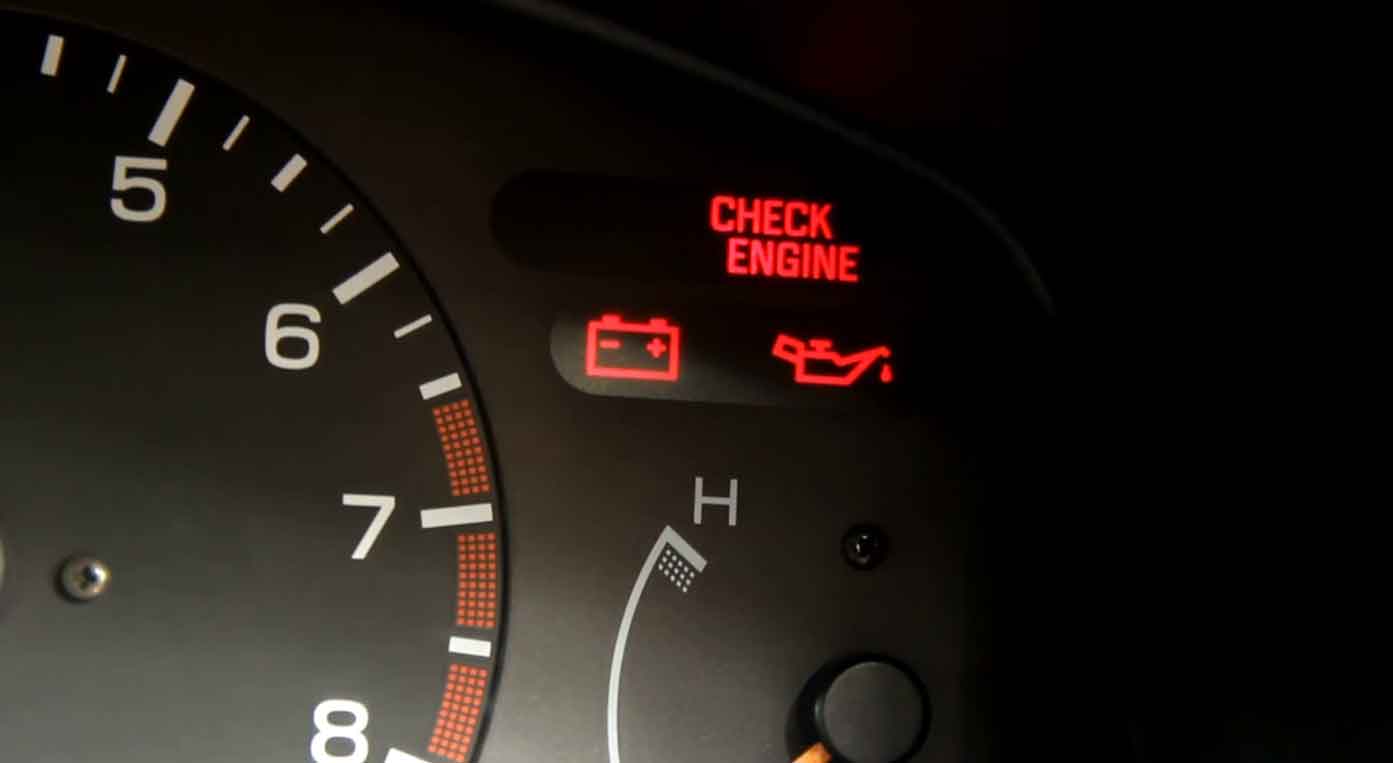
Did you see this warning pop up on your Renault dashboard? It’s telling you something needs attention right away. Ignoring it could lead to bigger problems.
Seeing the check injection system light on your Renault Megane, Clio, or Scenic can be scary. But don’t worry. I’m here to walk you through it.
As a mechanic with years of hands-on experience, I’ve fixed this exact issue many times. By the end of this guide, you’ll know what’s wrong and how to fix it.
Your car’s computer is smart. When it spots a problem with the fuel system, it turns on this warning light. This protects your engine from damage. Let’s dive into how we can turn that light off for good.
What Does Check Injection System Mean in Renault?
This warning shows up when something goes wrong with your fuel delivery system. The problem could be in several places.
Your injection system has many parts. These include fuel injectors, pumps, filters, sensors, and wiring. When even one part fails or gets dirty, the warning appears.
Think of it like this: your engine is thirsty. The injection system gives it fuel to drink. When that system breaks, your engine can’t get its fuel properly.
The message means your car needs help soon. Let’s figure out what’s causing it.
How to Fix Check Injection System Problems
You don’t need to be a master mechanic to understand this. But you do need to check things carefully.
From my shop experience, I always start with a diagnostic scan. This shows me exactly what’s failing. Then I inspect each suspect part one by one.
Here’s a helpful video that shows the process clearly:
[Video embed placeholder]
After watching, you should have a better idea of what’s happening. Now let’s break down the main causes and fixes in simple terms.
Before we continue, you might also want to read about similar issues like the Depollution System Faulty warning. Many Renault owners face related problems.
Common Reasons for the Warning Light
In my years working on Renaults, I’ve seen these problems come up again and again. Here are the most common culprits.
Broken or Clogged Fuel Injectors
Fuel injectors spray fuel into your engine. They need to spray the exact right amount at the exact right time.
When an injector gets clogged with dirt or goes bad, it sprays too much or too little. This throws everything off balance. Your engine runs rough and that warning light comes on.
I’ve cleaned hundreds of clogged injectors in my shop. Sometimes cleaning works. Other times you need a new one.
Failed Fuel Pump
Your fuel pump pushes gas from the tank to the engine. It’s like the heart pumping blood through your body.
When the pump weakens or dies, fuel can’t reach where it needs to go. The engine starves for fuel. The computer sees this and triggers the warning.
A dying fuel pump often makes a whining noise from your gas tank. Listen for that sound.
Problems with Electrical Connections
Wires and plugs carry power to all your fuel system parts. Over time, these connections get loose or corroded.
Bad connections cause all sorts of strange problems. Sensors can’t send signals. Parts don’t get power. The system gets confused.
I always wiggle connectors and check for green corrosion. It’s a simple check that finds many issues.
Dirty or Contaminated Fuel
Water, dirt, and rust particles can get into your fuel. This happens more with older fuel or dirty gas stations.
Contaminated fuel damages injectors and clogs filters. It reduces engine power and triggers warnings.
Always use quality fuel from trusted stations. Change your fuel filter on schedule.
Faulty Engine Sensors
Modern Renaults have many sensors. The oxygen sensor, MAP sensor, and mass airflow sensor all watch your engine closely.
These sensors tell the computer what’s happening. When a sensor breaks, it sends wrong information. The computer thinks something is broken when it might not be.
The MAP sensor is especially important in Renaults. It measures air intake pressure. When it fails, your injection timing goes haywire.
Clogged Diesel Particulate Filter
If you drive a diesel Renault, the DPF is crucial. This filter traps soot from your exhaust.
A clogged DPF creates back pressure. This affects how your engine breathes. Eventually, it messes up the whole injection system.
Diesel owners need to drive on highways regularly. This burns out the trapped soot naturally.
Step-by-Step Solutions
Here’s exactly what you should do to fix the check injection system warning. Follow these steps in order.
Step 1: Run a Diagnostic Scan
This is always my first move. Get an OBD-II scanner tool.
These scanners plug into your car’s diagnostic port. They read error codes stored in the computer. Each code tells you what’s wrong.
You can buy a basic scanner online for around $30. Or visit any auto parts store. Most will scan your codes for free.
The scanner gives you a starting point. It points you to the problem area.
Step 2: Replace Bad Sensors
Once you know which sensor failed, replace it immediately.
Don’t cheap out on sensors. Buy quality parts from trusted brands. A good sensor costs more upfront but lasts years longer.
In my shop, I only use OEM or premium aftermarket sensors. They give accurate readings and don’t fail quickly.
Step 3: Check All Electrical Connections
Look at every wire and connector in the fuel system area.
Pull on connectors gently. They should be tight. Look for green or white crusty stuff. That’s corrosion.
Clean corroded connections with electrical contact cleaner. Replace any damaged wires. This work requires patience but it’s not hard.
If you’re not comfortable with electrical work, visit a mechanic. Electrical problems can be tricky.
Step 4: Replace the Fuel Pump
If your pump is weak or dead, it needs replacement.
Fuel pumps live inside your gas tank. Replacing them requires dropping the tank. This is a bigger job.
Most DIYers need a mechanic for this repair. It takes special tools and know-how.
A new fuel pump runs between $150-$400 depending on your Renault model.
Step 5: Keep Up with Regular Maintenance
Prevention beats repair every time. Follow your owner’s manual service schedule.
Change your fuel filter when recommended. Use quality fuel and oil. Check engine components regularly.
I tell all my customers: spend a little on maintenance now or spend a lot on repairs later.
Step 6: Fix Problems Quickly
Don’t ignore small issues. That strange engine sound? Get it checked. Smelling gas? Find the leak now.
Small problems grow into big expensive ones. I’ve seen simple sensor failures turn into complete engine rebuilds because owners waited too long.
Address warning lights within a few days. Your car is talking to you. Listen.
Final Thoughts
The check injection system warning isn’t something to panic about. But it does need attention.
Start with a diagnostic scan to find the exact problem. Then work through the solutions systematically. Many fixes are straightforward.
Remember, the injection system deals with fuel under pressure. This can be dangerous. If you’re not confident, visit a qualified mechanic.
From years under the hood, I can tell you: catching these problems early saves money and headaches. Keep your Renault well-maintained and it will run reliably for years.
Frequently Asked Questions
What triggers the check injection warning in Renault Megane or Clio?
The warning turns on when parts like the fuel pump, injectors, filters, or sensors fail. It could also mean electrical problems or dirty fuel.
How do I clear the check injection system warning?
Find the faulty part using a diagnostic scanner. Then replace or repair that component. The light will turn off once the problem is fixed.
Is it safe to drive with the injection warning light on?
No, you should not drive far. The problem could get worse quickly. Get to a mechanic as soon as possible. Driving could damage your engine.
How much does it cost to fix injection system problems?
Costs vary widely. A simple sensor replacement costs $50-$200. A fuel pump replacement runs $300-$600. Major repairs can exceed $1000. Get a diagnostic first to know what you’re facing.
How can I prevent injection system issues in my Renault?
Follow your maintenance schedule religiously. Use quality fuel from reputable stations. Change filters on time. Address small problems before they grow. Regular check-ups catch issues early.