
Monday to Saturday - 9:00 am -18:00 pm

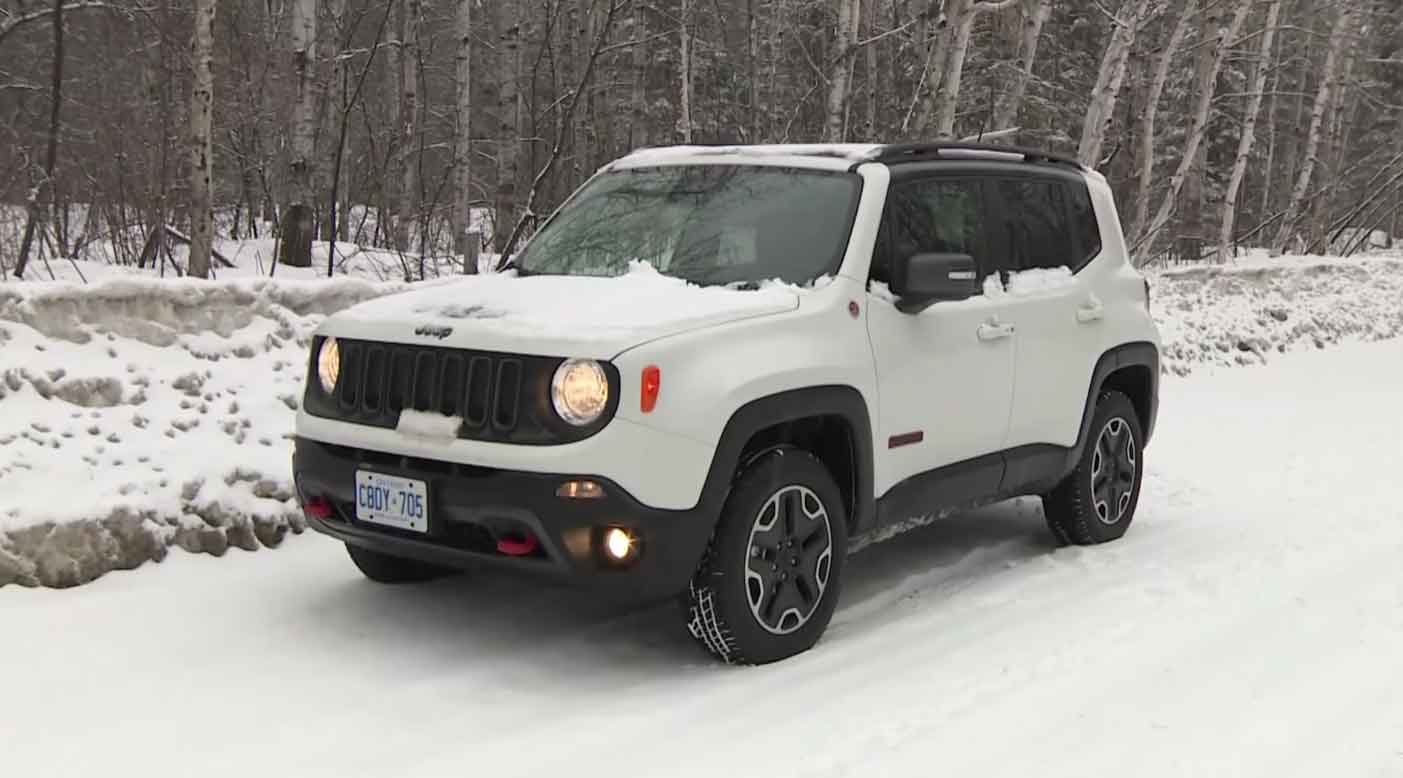
The Jeep Renegade looks tough. It promises adventure. But not every year lives up to that promise.
In my shop, I’ve seen plenty of Renegades roll in with problems. Some years are solid. Others? They keep coming back.
Today, I’ll walk you through which Jeep Renegade years have reliability issues. I’ll also show you which years are worth your money.
Let’s get under the hood.
Jeep Renegade Years With Reliability Problems
From my experience working on these vehicles, certain years stand out. Not in a good way.
Here are the Jeep Renegade model years I tell customers to skip:
- 2015 model
- 2016 model
- 2017 model
- 2018 model
2015 Model Year
This was the first year for the Renegade. First years are usually rough.
I’ve worked on many 2015 models. They burn through oil fast. The engine can stall without warning. That’s dangerous when you’re driving.
The repairs aren’t cheap either. I’ve seen owners spend thousands fixing transmission problems. One customer told me his Renegade died on the highway. Scary stuff.
When I service a car like this, I always check the oil level first. These engines drink oil like water.
If you find a 2015 model for sale, walk away. Trust me on this one.
2016 Model Year
The 2016 Renegade didn’t fix the problems from 2015. It added new ones.
Electrical gremlins plague this year. Dashboard lights flicker on and off. Sensors stop working correctly. The check engine light becomes your constant companion.
In my shop, I’ve diagnosed countless electrical faults on 2016 models. Sometimes it’s a simple sensor. Other times, it’s the whole electrical system acting up.
One customer brought in her 2016 three times in two months. Same electrical problem. Different fixes each time. That’s frustrating for everyone.
The transmission also jerks and hesitates. Not what you want in a vehicle.
2017 Model Year
The 2017 Renegade combines problems from earlier years. Nothing got better.
I see oil consumption issues regularly. The premium sound system sounds cheap. The infotainment screen freezes up.
From years under the hood, I know these models also have check engine light problems. Sometimes it’s real. Sometimes it’s a faulty sensor. Either way, you’re paying for diagnostics.
The 2017 mixes Jeep Cherokee styling with Wrangler toughness. It looks good. But reliability? That’s another story.
Buyers often ask me about 2017 models. I point them toward newer years instead.
2018 Model Year
The 2018 model looks great on the outside. Plenty of customization options. Roomy interior.
But mechanical problems continue. Engine stalling happens often. Oil consumption stays high. Repair costs keep climbing.
I’ve replaced several clutches on 2018 models. The voltage regulator fails early. That causes the clutch to burn out.
The traction control light comes on randomly. Jeep sent out service bulletins. But the fixes don’t always work.
One customer spent over four thousand dollars on repairs in the first year. That’s rough for a used vehicle.
The cargo space is smaller than competitors too. Not a reliability issue, but worth mentioning.
Jeep Renegade Years Worth Buying
Not all Renegade years are bad. Some are actually reliable.
If you want a used Renegade, look at these years:
2019 and 2020 Models
These years fixed most earlier problems. I see fewer of them in my bay for major repairs.
The 2019 model runs smoother. The transmission shifts properly. Oil consumption drops to normal levels.
When I service 2019 and 2020 models, they’re usually in for routine maintenance. Oil changes. Brake pads. Normal wear items.
The quality improved across the board. Better materials inside. Fewer electrical gremlins. More reliable performance.
2022 and 2023 Models
These are the newest used models available. They have the best reliability scores.
From my diagnostic experience, these years hold up well. The engines run strong. The transmissions shift smoothly. The electrical systems work correctly.
Yes, they cost more upfront. But you’ll save on repairs down the road.
If you want the Trailhawk trim, these years deliver real off-road capability. Low-range gearing. Skid plates. Special drive modes for different terrain.
The downside? Fuel economy isn’t great. Resale value drops faster than competitors. The size is smaller than other SUVs.
But for reliability, these years win.
Why These Years Are Better
Car manufacturers learn from mistakes. Jeep figured out the engine problems. They fixed the transmission issues. They upgraded the electrical components.
Vehicles built carefully last longer. The 2019 and newer models had more development time. The bugs got worked out.
In my shop, I track which vehicles return with problems. The newer Renegades come back less often. That tells me something.
Consider Alternatives
The Subaru Crosstrek offers better ground clearance. It comes with a manual transmission option. Many off-roaders prefer it.
The Honda CR-V gives you more space. Better fuel economy. Higher resale value. It’s worth comparing.
But if you want a Renegade specifically, stick with 2019 or newer.
Common Problems I See In My Shop
Let me break down the typical Renegade issues. I see these regularly.
Transmission Headaches
The transmission causes major frustration. Owners describe hard shifting. Delayed response when you hit the gas. Jerking during gear changes.
This started with 2015 models. It continued for several years.
When diagnosing transmission problems, I use a scan tool to check for codes. Often, it’s a software issue. Sometimes it’s mechanical wear.
Transmission repairs run expensive. We’re talking thousands of dollars. Some customers trade in their Renegade instead of fixing it.
The vehicle might stall completely. That’s dangerous in traffic. I’ve heard too many scary stories from customers.
Electrical System Failures
Jeeps are supposed to be fun. But a vehicle that randomly shuts off isn’t fun at all.
The electrical system controls everything. When it fails, multiple problems appear at once.
I’ve diagnosed infotainment systems that freeze. Sunroofs that won’t close. Touchscreens that stop responding.
Sometimes a simple restart fixes it. Other times, we need to reset the entire system. That erases your settings and data.
In severe cases, the powertrain control module needs replacement. That’s not a cheap fix.
Electrical problems can cause fires too. I always tell customers to address these issues immediately.
Oil Consumption Issues
Engine oil does important work. It lubricates moving parts. It manages heat. It captures dirt and carries it to the filter.
Many Renegade owners tell me their vehicle eats oil. They’re adding a quart every few weeks. That’s not normal.
The 2.4-liter engine is the worst offender. In my experience, diagnosing oil consumption takes time. We check for leaks first. Then we look at internal engine problems.
Excessive oil consumption leads to bigger issues. Engine damage. Complete failure. Expensive replacements.
Regular maintenance helps. Check your oil weekly. Watch for leaks. Get inspections done on schedule.
Interior Quality Problems
The Renegade markets itself as adventure-ready. But what if it breaks down during your adventure?
Beyond mechanical issues, I hear complaints about interior quality. The materials feel cheap. Things rattle and squeak.
The rear seats are tight. Long drives get uncomfortable. Cargo space fills up quickly.
Brakes wear out faster than expected. The power steering feels disconnected sometimes. Customers report vibrations at highway speeds.
When I inspect Renegades, I check the suspension carefully. Worn components cause those vibrations.
These aren’t safety issues like engine stalling. But they affect your ownership experience.
Final Thoughts From Under The Hood
The Jeep Renegade can be a reliable vehicle. But only certain years.
Avoid 2015 through 2018 models. They have too many documented problems. The repair costs add up fast.
Focus on 2019 and newer. Especially 2022 and 2023 if your budget allows. These years offer much better reliability.
When shopping for any used vehicle, get a pre-purchase inspection. Bring it to an independent mechanic you trust. We’ll put it on the lift and check everything.
Look at the maintenance records. Has the owner kept up with oil changes? Are there multiple repair receipts for the same problem?
Test drive it thoroughly. Listen for strange noises. Feel for vibrations. Make sure everything works correctly.
If something feels off, trust your gut. There are plenty of vehicles out there. Don’t rush into a problem car.
The right Jeep Renegade can serve you well for years. Just make sure you pick the right year.
From my years working on these vehicles, I’ve learned which ones hold up. I’ve shared that knowledge with you today.
Choose wisely. Drive safely. And keep up with your maintenance schedule.
Your mechanic will thank you.