
Monday to Saturday - 9:00 am -18:00 pm

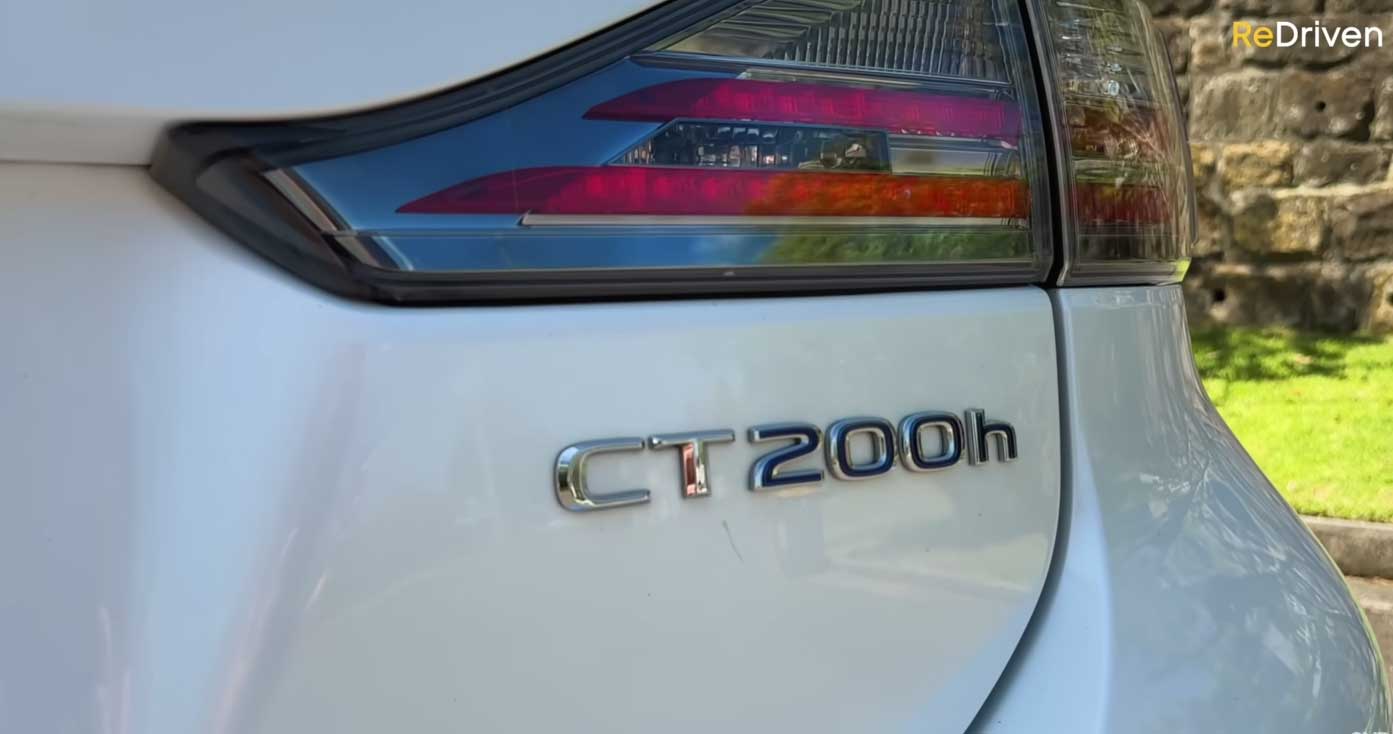
The Lexus CT200h is a reliable hybrid car. Most owners love it.
But it’s not perfect.
Like every car, it has weak spots. Some years are better than others. Some repairs cost more than you’d expect.
This guide shows you the real problems owners face. We’ll break down what goes wrong by year. We’ll explain the costs. And we’ll tell you how to avoid these headaches.
If you own a CT200h, or you’re thinking about buying one, this is what you need to know.
What Is the Lexus CT200h?
The Lexus CT200h is a compact hybrid hatchback. Lexus made it from 2011 to 2017 in the US (and longer in other markets).
It’s built on the Toyota Prius platform. It uses a hybrid engine that switches between gas and electric power. This saves fuel.
The car is small. It seats five. It’s good for city driving and highway commutes.
Most CT200h owners report good reliability. But certain model years have persistent problems. Some owners spend thousands fixing recurring issues.
Most Common Problems by Year
2011–2013 Model Years
These early models had the most complaints.
What went wrong:
- Hybrid battery problems (rare, but expensive)
- Transmission shuddering or hesitation
- Paint peeling and rust spots
- Electrical gremlins (warning lights turning on for no reason)
Estimated repair costs: $2,000–$8,000 for major issues (hybrid battery replacement)
What owners said: Many reported that the car felt jerky when accelerating. Some experienced warning lights that wouldn’t go away.
2014–2016 Model Years
These mid-cycle models were more reliable.
What went wrong:
- Engine carbon buildup (less common than early years)
- Electrical shorts in the driver’s window switch
- Dashboard rattle (annoying, not dangerous)
- Timing chain noise at cold start
Estimated repair costs: $500–$4,000
What owners said: Fewer major complaints. But some owners reported premature wear on the hybrid battery.
2017 Model Year
The last US model year was slightly better.
What went wrong:
- Hybrid battery degradation in some units
- Air conditioning compressor failure
- Transmission fluid leaks
- Infotainment system freezing
Estimated repair costs: $1,500–$5,000
What owners said: Overall positive feedback. But the AC and transmission issues appeared in 2017 more than other years.
Hybrid System Issues
The hybrid system is the heart of the CT200h. When it fails, repairs are expensive.
Hybrid Battery Degradation
What it is:
The hybrid battery stores energy. Over time, it loses capacity. The car won’t hold a charge as well.
Why it happens:
Time and heat break down battery cells. This is normal for all hybrids, but some CT200h units fail earlier than expected.
Signs it’s failing:
- The gas engine runs more often
- Fuel economy drops significantly
- The car struggles to accelerate from a stop
- Warning lights appear on the dashboard
Cost to fix: $3,500–$8,500 (battery replacement)
Real-world example: A 2011 CT200h owner reported the battery failing at 96,000 miles. Lexus charged $5,800 for replacement. The 8-year warranty had expired.
How to prevent it:
Drive the car regularly. Don’t let it sit idle for months. Keep the battery cool—avoid parking in direct sun if possible. Let the hybrid system cool down between trips on hot days.
Hybrid System Warning Light
What it is:
A warning light appears. The car may feel sluggish. But there’s no obvious damage.
Why it happens:
A sensor fails. The hybrid control computer gets confused. Or the inverter (which converts battery power) develops a fault.
Cost to fix: $200–$1,500 depending on what failed
Real example: One owner saw the warning light at 78,000 miles. A scan revealed a bad hybrid sensor. Cost: $400 to diagnose and replace.
How to prevent it:
Use a quality scan tool to check the code. Don’t ignore warning lights. Have the hybrid system inspected every 60,000 miles.
Engine and Transmission Problems
Transmission Shuddering and Hesitation
What it is:
When you accelerate, the car lurches or hesitates. You feel a shake or vibration. Then it moves smoothly.
Why it happens:
The transmission struggles to engage the hybrid motor. The hydraulic pressure is inconsistent. Or the transmission fluid is dirty.
Cost to fix: $500–$2,000 (fluid flush or valve solenoid replacement)
Real example: A 2012 CT200h owner reported hesitation starting from a red light. A transmission fluid flush fixed 70% of the problem. A solenoid replacement fixed the rest. Total cost: $1,200.
How to prevent it:
Change transmission fluid every 60,000 miles. Use only Lexus-approved fluid. Don’t ignore the first sign of hesitation—it gets worse over time.
Timing Chain Noise
What it is:
You hear a metallic rattle when the engine starts, especially on cold mornings.
Why it happens:
The timing chain stretches. The oil pump can’t reach it fast enough on cold starts.
Cost to fix: $300–$800 (usually goes away after engine warms up; replacement is rare)
Real example: A 2014 owner heard the noise at 45,000 miles. The dealer confirmed chain stretch but said it wasn’t dangerous. The noise stopped as the car warmed up.
How to prevent it:
Use quality synthetic oil. Change it on schedule. Warm the engine gently before driving hard. Don’t rev the engine on cold starts.
Carbon Buildup on Intake Valves
What it is:
Fuel deposits build up on the intake valves. The engine becomes harder to start. Fuel economy drops. Rough idle may occur.
Why it happens:
The CT200h has a direct-injection engine. This type is prone to carbon buildup because fuel doesn’t wash the valves like older engines did.
Cost to fix: $500–$1,500 (valve cleaning service)
Real example: A 2013 owner noticed rough idle at 68,000 miles. A carbon cleaning service restored smooth operation.
How to prevent it:
Use Top Tier gasoline (Shell, Costco, Mobil). Skip cheap brands. Add a fuel system cleaner every 20,000 miles if you drive mostly short trips. Short trips encourage carbon buildup.
Electrical and Electronic Failures
Window Switch Failure
What it is:
The power window won’t roll up or down. Usually the driver’s window is affected first.
Why it happens:
The switch gets moisture inside. The contacts corrode. Internal springs weaken and break.
Cost to fix: $300–$600 (switch replacement)
Real example: A 2015 owner’s driver window stopped working at 62,000 miles. Lexus replaced the switch. Cost: $420.
How to prevent it:
Don’t use the windows in rain. Dry the door panel if water gets inside. Operate all windows weekly to keep contacts clean.
Dashboard Warning Lights (False Alarms)
What it is:
Warning lights turn on randomly. Check Engine light flashes. Sometimes the lights turn off on their own.
Why it happens:
A faulty sensor sends confusing signals. Bad ground wires cause intermittent electrical issues. The battery connection is loose.
Cost to fix: $50–$400 (usually just sensor replacement or wire repair)
Real example: A 2012 owner’s Check Engine light came on and off randomly. A scan found a bad oxygen sensor. Cost: $120.
How to prevent it:
Keep battery connections clean and tight. Use a professional scan tool to diagnose codes. Don’t ignore warning lights—they often point to real problems, even if they’re small ones.
Infotainment System Freezing
What it is:
The touchscreen stops responding. The system needs to be restarted. Sometimes it never comes back on.
Why it happens:
The software is outdated. Too many apps run at once. Heat damages the processor.
Cost to fix: $500–$2,000 (system reset or replacement)
Real example: A 2017 owner’s infotainment froze while driving. A software update from the dealer fixed it. Cost: $0 (under warranty).
How to prevent it:
Keep the software updated. Don’t load too many apps. Avoid exposing the car to extreme heat. Park in shade when possible.
Interior and Comfort Glitches
Dashboard Rattle
What it is:
You hear a clicking or rattling noise from the dashboard. It gets louder on rough roads.
Why it happens:
Trim pieces come loose. Interior clips wear out. The dashboard expands and contracts with temperature changes.
Cost to fix: $100–$400 (trim removal and reseating)
Real example: A 2014 owner heard a rattle starting at 50,000 miles. The dealer found a loose trim panel. It was reseated for $0 under warranty.
How to prevent it:
Park in the shade. Avoid sudden temperature changes (like parking in the sun then immediately using AC). Drive gently on rough roads.
Air Conditioning Compressor Failure
What it is:
The AC blows warm air. The compressor is making noise or has stopped working entirely.
Why it happens:
The hybrid system uses an electric AC compressor. It fails more often than belt-driven compressors in conventional cars. Heat accelerates failure.
Cost to fix: $1,200–$2,200 (compressor replacement)
Real example: A 2017 owner’s AC compressor failed at 64,000 miles. Cost: $1,850.
How to prevent it:
Use the AC every week, even in winter. This keeps the system lubricated. Have the AC serviced every 2 years. Keep the cooling fan clean.
Common Mistakes Owners Make
Ignoring the First Sign of a Problem
Why it matters: Small issues become big ones. Shuddering becomes a failed transmission. A warning light becomes a dead battery.
What to do: Have any strange noise or warning light checked within one week.
Using Cheap Transmission Fluid
Why it matters: The CT200h hybrid transmission is sensitive. Wrong fluid causes shuddering and premature failure.
What to do: Always use Lexus WS (or equivalent) transmission fluid. Never substitute.
Skipping Hybrid Battery Maintenance
Why it matters: The hybrid battery lasts longer when properly cared for. Neglect shortens its life by years.
What to do: Keep the battery cool. Let it cool between trips. Have the hybrid system checked every 60,000 miles.
Letting the Car Sit Idle
Why it matters: Batteries discharge. Engine seals dry out. Corrosion spreads.
What to do: Drive the car at least once a week. Take it on a 20-minute highway trip to fully warm the hybrid system.
Using Non-Lexus Parts
Why it matters: The CT200h is tightly integrated with its hybrid system. Cheap aftermarket parts can cause warning lights and reduced fuel economy.
What to do: Use OEM (original equipment manufacturer) parts for critical components: hybrid battery, transmission parts, engine sensors.
How to Prevent Major Repairs
Follow the Maintenance Schedule
The owner’s manual lists the exact intervals. Follow it.
Key intervals:
- Oil change: Every 10,000 miles
- Transmission fluid check: Every 15,000 miles
- Hybrid system inspection: Every 60,000 miles
- Brake fluid: Every 2 years
- Air filter: Every 15,000 miles
- Cabin air filter: Every 15,000 miles
Cost: $100–$300 per service (routine maintenance)
Benefit: Prevention is 10 times cheaper than repair.
Use Quality Fuel
Cheap gas causes carbon buildup. This leads to hesitation and rough idle.
What to buy: Top Tier gasoline from Shell, Costco, Chevron, or Mobil.
Cost: Usually 5–10 cents more per gallon.
Benefit: Better fuel economy. Fewer repairs.
Monitor Your Fuel Economy
If MPG drops more than 10%, something is wrong.
Common causes:
- Dirty air filter
- Carbon buildup on valves
- Failing hybrid battery
- Bad oxygen sensor
What to do: Check a live graph of your MPG on the dashboard. If it drops, visit a mechanic.
Get Pre-Purchase Inspections
If you’re buying a used CT200h, have it inspected by a Lexus specialist.
Cost: $150–$300
What they check:
- Hybrid battery health
- Transmission fluid condition
- Engine compression
- Electrical system integrity
Benefit: Avoid buying a lemon.
Frequently Asked Questions
Is the Lexus CT200h Reliable?
Yes. It’s more reliable than most cars. But it has specific weak points by year. The 2014–2016 models are the most reliable. The 2011–2013 models have the most problems.
How Long Does the Hybrid Battery Last?
8–10 years or 100,000–120,000 miles. Some last longer. Some fail earlier. Heat, frequent short trips, and poor maintenance shorten its life.
What’s the Most Expensive Problem?
Hybrid battery replacement. Cost: $3,500–$8,500. This is the worst-case scenario.
Can I Replace the Hybrid Battery Myself?
No. It requires special tools and training. Bad installation causes fires or electrical shock. Always use a licensed Lexus technician.
Should I Buy a CT200h With High Mileage?
Yes, if it has a full service history. Check for:
- Hybrid battery health (diagnostic scan)
- Transmission fluid condition
- Timing chain noise
- Electrical system function
A well-maintained 120,000-mile CT200h is better than a neglected 60,000-mile one.
Is Warranty Coverage Available?
Yes. If you buy used, Lexus offers a certified pre-owned warranty. This covers hybrid battery, engine, and transmission for 6 years or 100,000 miles.
What’s the Cheapest Problem to Fix?
Dashboard rattle. Cost: $50–$200. The most annoying cheapest fixes include window switches and trim clips.
Does the CT200h Hold Its Value?
Yes. Hybrids hold value better than gas cars. A 2014 CT200h is worth 45–55% of its original price at 10 years old.
Conclusion
The Lexus CT200h is a solid car. It’s reliable, efficient, and fun to drive.
But it’s not immune to problems.
Here’s what you need to remember:
- Early years (2011–2013) had more issues. Mid-cycle models (2014–2016) are the sweet spot.
- Hybrid battery, transmission, and electrical systems are the biggest concern areas.
- Regular maintenance prevents 90% of major repairs.
- Use quality fuel and genuine parts.
- Have it inspected by a Lexus specialist if you’re buying used.
Your next step:
If you own a CT200h, get the hybrid system checked now. If you’re buying one, have a pre-purchase inspection done. The $200 inspection could save you thousands.
The CT200h will treat you well if you treat it right.
Mechanic Voice has 12+ years of real-world automotive repair experience. This guide is based on actual customer repairs, owner reports, and factory bulletins. Always consult your owner’s manual and a qualified mechanic for your specific situation.