
Monday to Saturday - 9:00 am -18:00 pm

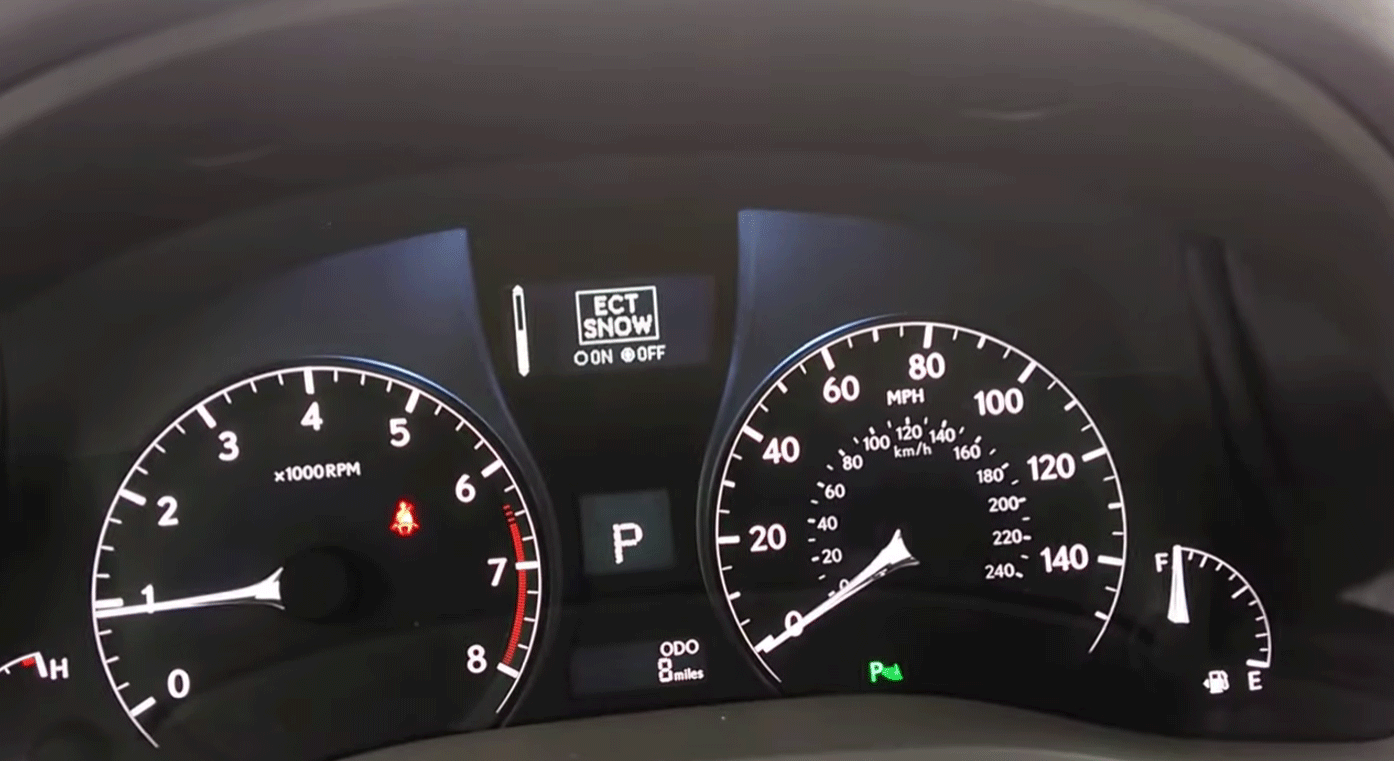
If you own a Lexus, you’ve probably seen that snowflake button on your dashboard. But what does it actually do? And more importantly, does it really help when roads are icy?
Snow Mode is one of the best features Lexus built into their vehicles for winter driving. But most owners don’t understand how it works or when to use it. That’s a missed opportunity—because using it correctly can genuinely help you stay safe.
In this guide, I’ll explain exactly what Lexus Snow Mode does, how to turn it on, and when you actually need it. By the end, you’ll know whether Snow Mode is right for your situation and how to use it properly.
1. What is Lexus Snow Mode?
Snow Mode is a driving setting that changes how your Lexus handles power and braking in slippery conditions.
Think of it this way: normally, your car tries to give you maximum grip and acceleration. In Snow Mode, it deliberately holds back. It sends power to the wheels more gently. It limits how much throttle the engine can give. This prevents your wheels from spinning.
When wheels spin, you lose traction. Your car slides. Snow Mode stops that from happening by being more conservative with power delivery.
The real benefit? Better control on ice, snow, and slippery surfaces. Your car won’t slide as easily, and you stay safer.
2. How Snow Mode Actually Works
Snow Mode changes three main systems in your Lexus:
Engine and Transmission Response
When you press the gas pedal in Snow Mode, your car doesn’t respond instantly. Power builds gradually.
In normal driving, pressing the gas hard gives you immediate power. That’s great on dry roads. On ice, it causes wheel spin. Snow Mode slows down that power delivery. Your wheels grip better. You accelerate smoothly instead of sliding.
Traction Control Adjustment
Your Lexus has something called VSC (Vehicle Stability Control). It prevents wheelspin by braking individual wheels when they lose grip.
In normal mode, VSC is active but lenient. In Snow Mode, it’s more aggressive. It steps in faster and harder to stop any wheelspin before it starts.
What does this mean? Your wheels stay planted. You have better control.
Transmission Shifting
In Snow Mode, your transmission avoids changing gears in the middle of turns or acceleration.
Gear changes cause a brief moment where power drops. On ice, this can make you slide. Snow Mode shifts gears at lower speeds and earlier, so you’re not caught mid-shift on a slippery patch.
ABS Behavior
Your ABS (Anti-lock Braking System) also adjusts in Snow Mode. It’s tuned for better stopping power on snow and ice compared to normal mode.
ABS prevents your wheels from locking up during hard braking. In Snow Mode, it works harder to keep traction during stops on slippery surfaces.
3. When to Use Snow Mode (And When Not To)
Use Snow Mode When:
Heavy snow or slush on the road. If you can see snow accumulation, use it. Your wheels will grip better, and you’ll have better control.
Icy patches or black ice. Even if roads look mostly clear, ice forms in shady spots and on bridges. Snow Mode helps you navigate these safely.
Roads you don’t know well. If you’re driving somewhere unfamiliar in winter, Snow Mode gives you extra security. The more conservative power delivery means fewer surprises.
Steep hills or inclines covered in snow. Climbing hills in the snow is hard. Snow Mode helps you accelerate without spinning out. Coming down hills, Snow Mode helps you brake safely without locking the wheels.
Parking lot driving in winter. Parking lots are often unplowed and icy. Snow Mode makes turning and parking easier.
Don’t Use Snow Mode When:
Roads are clear and dry. Snow Mode limits your power and responsiveness. You don’t need that on dry pavement. It’ll actually make your car feel sluggish.
You’re driving fast on a highway. Snow Mode is for low-speed, slippery situations. If roads are mostly clear, use Normal mode even if there’s a little snow around.
You need quick acceleration. If you’re merging into highway traffic, Snow Mode won’t give you the power you need. Make sure roads are safe, then switch back to Normal.
Emergency situations. If you need to swerve or brake hard suddenly, Snow Mode’s delayed response might not be ideal. Your car will still respond, but it’s not designed for emergency maneuvers.
4. Step-by-Step: How to Activate Snow Mode
Step 1: Look at your dashboard. Find the button with a snowflake icon.
Most Lexus models have it on the left side of the steering wheel or on the center console. Check your owner’s manual if you’re not sure.
Step 2: Press the button once. A light will appear on your dashboard showing Snow Mode is active.
Step 3: You’re done. Now drive normally. The car handles the rest automatically.
To turn it off, press the button again. The light disappears.
That’s it. You don’t need to do anything else while driving. Snow Mode stays on until you turn it off or turn off your car.
What You’ll Notice When Snow Mode Is Active:
Your car will feel slower. Acceleration is gentler. This is normal and intended.
Your steering might feel slightly heavier. This helps with control on slippery surfaces.
The car may feel less responsive to throttle input. Again, this is normal.
Don’t panic. Your Lexus isn’t broken. It’s just being more careful.
5. Snow Mode vs. Other Driving Modes
Lexus offers different driving modes depending on your model year and trim level. Here’s how they compare:
Snow Mode vs. Eco Mode
Eco Mode reduces power to save fuel. It’s for efficient highway driving on clear roads.
Snow Mode reduces power for traction on slippery surfaces.
You can use both on snowy roads. Eco Mode will save a bit of fuel, but Snow Mode gives you more control. Most mechanics recommend Snow Mode over Eco Mode in winter.
Snow Mode vs. Sport Mode
Sport Mode increases power and responsiveness. It’s for performance driving.
Snow Mode does the opposite. It reduces power for safety.
Never use Sport Mode on snow or ice. It’ll make your car more likely to slide.
Snow Mode vs. AWD
If your Lexus is all-wheel drive (AWD), Snow Mode works with it.
AWD sends power to all four wheels. Snow Mode controls how much power goes to each wheel and how smoothly it’s delivered.
AWD helps you move forward in snow. Snow Mode helps you stay in control while doing it.
Use both together. If your Lexus has AWD, Snow Mode makes it even more effective.
Snow Mode vs. Manual Transmission Control
Some Lexus models let you control gear selection manually. In Snow Mode, avoid using this feature.
Let the transmission choose gears automatically. Snow Mode optimizes gear changes for slippery roads. Manual control interferes with that.
6. Common Mistakes Drivers Make
Mistake 1: Leaving Snow Mode On All Year
Some drivers turn on Snow Mode in November and forget about it until spring.
Why this is wrong: Snow Mode makes your car feel sluggish on dry pavement. You’re wasting performance when you don’t need it. Plus, your fuel economy suffers slightly.
What to do: Turn Snow Mode on when snow appears. Turn it off when roads are clear.
Mistake 2: Using Snow Mode on the Highway
Highway driving requires quick response and merging ability. Snow Mode limits both.
If you’re on a mostly clear highway with light snow, stay in Normal mode. Snow Mode is for low-speed, slippery situations.
Exception: If roads are genuinely dangerous with heavy snow, using Snow Mode is fine. But slow down and be cautious regardless.
Mistake 3: Thinking Snow Mode Prevents All Sliding
Snow Mode helps. It doesn’t make you invincible.
If you drive too fast for conditions, you’ll slide even in Snow Mode. Icy roads are still icy. Physics still applies.
Remember: Snow Mode is a tool, not a guarantee. Drive carefully and slowly in winter.
Mistake 4: Not Checking Your Tires in Winter
Snow Mode works best with proper tires. If your all-season tires are worn down, Snow Mode can’t help.
Winter tires make a huge difference. If you live somewhere with real snow, winter tires are more important than Snow Mode.
7. FAQ
Q: Does Snow Mode use more fuel?
A: No. Snow Mode actually uses slightly less fuel because power delivery is more gradual. You might use more fuel by driving slowly and cautiously, but Snow Mode itself doesn’t hurt fuel economy.
Q: Can I use Snow Mode when it’s raining?
A: Yes, but you probably don’t need it. Rain is slippery, but not as slippery as snow. Use Snow Mode only if roads are genuinely dangerous. Normal mode works fine in rain.
Q: Will Snow Mode damage my transmission?
A: No. Snow Mode is a factory feature. Lexus designed it to protect your transmission in winter. Using it correctly is safe.
Q: What if I accidentally left Snow Mode on?
A: You’re fine. Just press the button to turn it off. Driving in Snow Mode temporarily on dry roads won’t hurt anything. You’ll just notice your car feels sluggish.
Q: Do I need AWD for Snow Mode to work?
A: No. Snow Mode works on front-wheel drive, rear-wheel drive, and AWD Lexus models. AWD and Snow Mode work better together, but Snow Mode helps any drivetrain.
Q: Can I use Snow Mode while parked?
A: Yes. You can turn Snow Mode on or off whenever you want, even in park. It doesn’t hurt anything.
Q: Will Snow Mode help on black ice?
A: Yes. Black ice is the most slippery. Snow Mode is designed exactly for this. Use it whenever you suspect ice, even if the road looks dry.
Q: Should I use Snow Mode on gravel roads?
A: No. Gravel roads need a bit of wheel spin for traction. Snow Mode prevents that. Save Snow Mode for snow, ice, and slush.
Common Myths About Snow Mode
Myth 1: “Snow Mode Makes Your Car Uncontrollable”
Truth: Snow Mode makes your car more controllable. It’s gentler with power, which is what you want on slippery surfaces.
Myth 2: “You Have to Use Snow Mode in Winter”
Truth: Use it when roads are slippery. If roads are clear, Normal mode is fine. Snow Mode is optional, not mandatory.
Myth 3: “Snow Mode Replaces Winter Tires”
Truth: Winter tires are critical. Snow Mode helps, but it doesn’t replace proper equipment. Get winter tires if you live in snow country.
Myth 4: “Snow Mode Works on Any Road Condition”
Truth: Snow Mode is for slippery surfaces. It’s not designed for mud, gravel, or extreme off-roading.
Final Thoughts
Lexus Snow Mode is simple. It reduces power delivery and tightens stability control to keep you safe on slippery roads.
Here’s what you need to remember:
Turn it on when snow, ice, or slush appears on the road. Drive slowly and carefully. Follow the normal rules of winter driving—don’t speed, increase your following distance, and be smooth with the steering wheel.
Snow Mode isn’t a magic button that makes winter driving safe. It’s a tool that helps. Combined with good tires, careful driving, and common sense, it makes winter much easier.
Most importantly: if you’ve never used Snow Mode, try it next time it snows. You’ll feel the difference immediately. Your Lexus will grip better, respond more predictably, and feel more stable.
That’s exactly what Snow Mode does. And that’s why Lexus built it in the first place.
Have questions about Snow Mode or winter driving in your Lexus? Let me know in the comments.