
Monday to Saturday - 9:00 am -18:00 pm

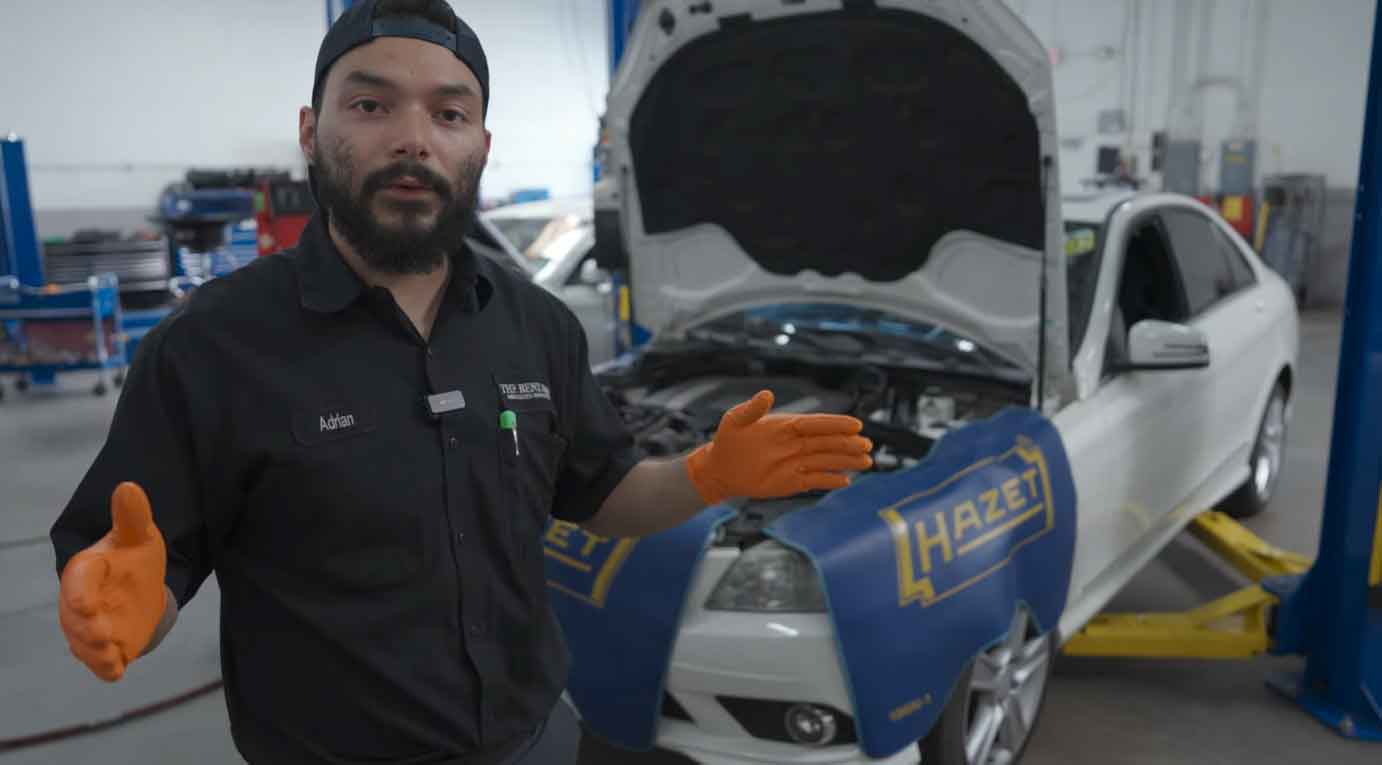
If you drive a Mercedes-Benz, you know these cars are built for performance and luxury. But even the best vehicles need regular care. When that “Service A” light pops up on your dashboard, it’s time to pay attention.
From my years working on Mercedes vehicles, I can tell you this isn’t just a suggestion. It’s your car’s way of asking for help. Ignoring it leads to bigger problems down the road. Trust me, I’ve seen what happens when owners wait too long.
In this article, I’ll walk you through everything about Mercedes Service A. You’ll learn what it includes, how much it costs, and why it matters for your vehicle.
What Does Service A Mean on a Mercedes?
Service A is your Mercedes-Benz’s first major maintenance appointment. Think of it as a health checkup for your car. The system watches how you drive and calculates when service is needed.
Most Mercedes vehicles trigger Service A around 10,000 miles or after one year. Whichever comes first. This depends on your driving habits and conditions. The car’s computer is smart. It tracks everything.
Mercedes designed something called the “Flexible Service System.” This system monitors your vehicle constantly. When it’s time for maintenance, a message appears on your instrument cluster. You’ll see “Service A” displayed clearly.
After Service A, your next major service will be Service B. That typically happens at 20,000 miles. Mercedes alternates between A and B services throughout your vehicle’s life.
In my shop, I’ve noticed that city drivers often hit Service A sooner than highway drivers. Stop-and-go traffic is harder on your car. The system accounts for this.
Complete Service A Maintenance Checklist
Here’s what actually happens during a Mercedes Service A. I perform these tasks every single day.
Engine Oil Change with Synthetic Oil
First thing we do is drain the old oil completely. Your Mercedes needs high-quality synthetic oil. Not the cheap stuff you find at discount stores.
Mercedes engines run hot and work hard. Regular oil breaks down too quickly. Synthetic oil handles extreme temperatures better. It keeps engine parts moving smoothly without breaking down.
From my experience, using the correct Mercedes-approved oil makes a huge difference. I’ve seen engines last well over 200,000 miles with proper oil changes. The oil specification matters. Always check your owner’s manual for the right type.
We drain the old oil when the engine is warm. This helps contaminated oil flow out completely. Then we add fresh synthetic oil measured to the exact specification.
Oil Filter Installation
The oil filter catches dirt, metal particles, and debris. Over time, it fills up with junk. A clogged filter can’t do its job properly.
When I replace the filter during Service A, I always use genuine Mercedes filters. Aftermarket filters sometimes don’t seal correctly. I’ve seen cheap filters leak and cause oil pressure problems.
A new filter ensures clean oil circulates through your engine. This protects critical components like bearings, pistons, and camshafts. Without a clean filter, contaminated oil causes serious damage.

All Fluid Levels Inspected and Topped Off
Your Mercedes uses several different fluids. We check every single one during Service A.
Brake fluid needs to be at the proper level. Low brake fluid means your brakes won’t work correctly. That’s dangerous.
Coolant keeps your engine from overheating. I check for leaks and make sure the level is correct. Mercedes cooling systems are complex. They need the right coolant mixture.
Power steering fluid helps you turn the wheel smoothly. Some newer Mercedes models use electric steering, but older ones need this fluid checked.
Windshield washer fluid gets topped off. This seems minor, but you need clear visibility to drive safely.
If any fluid looks dirty or contaminated, I recommend changing it. Dark brake fluid or rusty coolant means there’s a problem brewing.
Tire Pressure Check and Adjustment
Proper tire pressure affects everything. Fuel economy. Handling. Safety. Tire life.
I use a calibrated pressure gauge to check all four tires. The correct pressure is listed on your driver’s door jamb. Not on the tire sidewall—that’s the maximum pressure, not the recommended pressure.
Cold weather drops tire pressure. Hot weather increases it. I adjust the pressure to match the manufacturer’s specification exactly.
While checking pressure, I also look at tire tread depth. Worn tires are dangerous, especially in rain. I use a tread depth gauge to measure. If tires are getting low, I let the owner know.
Tire rotation isn’t always included in Service A. But I usually recommend it. Even wear extends tire life significantly.
Brake System Visual Inspection
Brakes are your vehicle’s most important safety system. During Service A, I inspect the entire brake system carefully.
I check brake pads for remaining thickness. Mercedes brake pads have wear sensors. But I still look at them physically. Sometimes sensors fail.
Brake rotors get inspected for scoring, cracks, or excessive wear. Damaged rotors cause vibration and noise. They also reduce braking power.
Brake calipers need to move freely. Stuck calipers cause uneven pad wear. They also make your car pull to one side when braking.
I look at brake lines for leaks, cracks, or corrosion. A brake line failure means no brakes. That’s an emergency.
If I spot any brake problems during Service A, I discuss options with the owner immediately. Brakes aren’t something you postpone.
Complete Vehicle Safety Inspection
Beyond the scheduled items, I perform a thorough safety walk-around. This catches problems before they become emergencies.
Battery health gets tested with a diagnostic tool. Weak batteries fail without warning. I check the terminals for corrosion. Clean connections ensure good electrical flow.
All lights get checked—headlights, brake lights, turn signals, reverse lights. A burned-out brake light can cause an accident.
Windshield wipers need to clear water effectively. Streaky wipers reduce visibility. I check the blades for cracks and proper contact.
Belts and hoses get a visual inspection. A broken serpentine belt will leave you stranded. Swollen or cracked hoses leak coolant.
Suspension components get a quick check for obvious wear. Worn ball joints or tie rod ends affect handling and safety.
This inspection doesn’t cost extra. It’s part of Service A. Finding small problems early saves money and prevents breakdowns.
Maintenance Reminder Reset
After completing all Service A tasks, the final step is resetting the service indicator. The car needs to know the service was performed.
I use a diagnostic scanner connected to your Mercedes. The tool communicates with the car’s computer system. I navigate to the service menu and reset the counter to zero.
If you don’t reset the reminder, the warning light stays on. You won’t know when the next service is actually due. The system needs to be reset properly to track your maintenance schedule.
Some people try to reset it themselves without doing the actual service. That’s a mistake. The reminder is there to protect your investment.
How Much Does Mercedes Service A Cost?
Service A typically costs between $200 and $400 at most locations. But several factors affect the final price.
From working on these cars daily, I can tell you what drives the cost up or down.
What Affects the Price?
Your Mercedes model makes a difference. An older C-Class uses less oil than a newer AMG model. AMG engines need more oil and more expensive filters. The service takes longer too.
Where you live changes the price significantly. Labor rates in California or New York are much higher than in smaller cities. Dealership rent and overhead costs factor in.
Where you get service matters most. Dealerships charge $300 to $450 for Service A. Independent Mercedes specialists like my shop charge $200 to $350. Quick-lube chains might offer it for $150, but I wouldn’t recommend that for a Mercedes.
Parts quality impacts cost. Genuine Mercedes parts cost more than aftermarket. But they fit better and last longer. I only use OEM or equivalent quality parts. Your Mercedes deserves the best.
Additional repairs can increase the total. If we find worn brake pads or a weak battery during inspection, those are extra. Service A is just the baseline maintenance.
Dealership vs Independent Shop
Many Mercedes owners automatically go to the dealership. Dealerships have advantages. They use factory parts. Technicians receive Mercedes training. Equipment is specialized for your brand.
But dealerships are expensive. Their overhead is huge. That fancy showroom costs money.
Independent Mercedes specialists offer quality service at lower prices. My shop has Mercedes diagnostic equipment. I attend training courses regularly. I use the same parts as dealerships.
You save 20% to 40% at a good independent shop. Your warranty stays valid as long as proper service is documented. Keep your receipts.
Is It Worth the Cost?
Absolutely. Service A prevents expensive repairs. Clean oil protects your engine from wear. Proper fluid levels prevent system failures. Brake inspections catch problems early.
I’ve seen Mercedes engines fail because owners skipped oil changes. A $15,000 engine replacement versus a $300 oil service. The choice is obvious.
Regular maintenance also maintains resale value. When you sell your Mercedes, buyers ask for service records. Complete maintenance history adds thousands to your car’s value.
Why Service A Matters for Your Vehicle
Let me be honest with you. Skipping Service A is expensive in the long run.
Engine Protection
Your engine has dozens of moving metal parts. They rub against each other thousands of times per minute. Without clean oil, metal-on-metal contact causes wear.
Fresh oil creates a protective film between parts. It reduces friction and heat. It carries away debris and contaminants. When oil gets old and dirty, it can’t protect anymore.
I’ve torn down engines that missed oil changes. The damage is ugly. Scored cylinder walls. Worn bearings. Sludge buildup everywhere. These engines fail prematurely.
Regular Service A keeps your engine clean inside. Clean engines run smoothly and last longer.
Preventing Bigger Problems
Small issues become big problems when ignored. A low coolant level causes overheating. Overheating warps cylinder heads. Now you need a $3,000 repair.
Dirty brake fluid absorbs moisture. Moisture corrodes brake components from inside. Eventually, brake calipers seize. Brake lines corrode through. Simple brake fluid changes prevent this.
During Service A, we catch these small issues. Topping off coolant costs nothing. Replacing a corroded brake line costs hundreds.
Maintaining Performance
Mercedes vehicles are engineered for performance. Clean oil ensures full power delivery. Proper tire pressure improves handling. Well-maintained brakes stop confidently.
When maintenance is neglected, performance suffers. The engine feels sluggish. Fuel economy drops. The car doesn’t drive like it should.
Customers tell me their Mercedes “feels new again” after Service A. That’s because everything is back to factory specifications.
Preserving Warranty Coverage
If your Mercedes is under warranty, regular maintenance is required. Mercedes can deny warranty claims if you can’t prove proper maintenance.
Service A documentation protects your warranty. Save every receipt. Keep every service record. If the engine fails and you skipped oil changes, Mercedes won’t pay for repairs.
Even after warranty expires, maintenance records matter. They prove you cared for the vehicle properly.
Resale Value Protection
When you sell or trade your Mercedes, the next owner wants service history. Complete records show the car was maintained correctly.
A Mercedes with full service history sells for $2,000 to $5,000 more than one without records. That’s a huge return on your $300 service investment.
Dealers pay more for well-maintained vehicles. Private buyers feel confident buying a car with documented maintenance. Your Service A receipts literally add value to your vehicle.
Final Thoughts
Service A is the foundation of Mercedes-Benz maintenance. It’s your first scheduled service and one of the most important.
The maintenance includes oil and filter changes, fluid checks, tire pressure adjustment, brake inspection, and safety checks. All these items work together to keep your Mercedes running perfectly.
The cost ranges from $200 to $400 depending on your location and where you get service. That’s a small price for protecting a vehicle worth $40,000 or more.
Don’t wait when the Service A message appears. Schedule your appointment within a few weeks. Delaying service puts your engine at risk.
Whether you choose a dealership or a qualified independent shop, make sure the work is done correctly. Ask for genuine Mercedes parts or equivalent quality. Keep your service records organized.
From my experience under the hood, Mercedes vehicles last a very long time with proper care. I’ve serviced Mercedes with over 300,000 miles that still run beautifully. The secret? Never skipping Service A and Service B appointments.
Take care of your Mercedes, and it will take care of you for years to come.