
Monday to Saturday - 9:00 am -18:00 pm

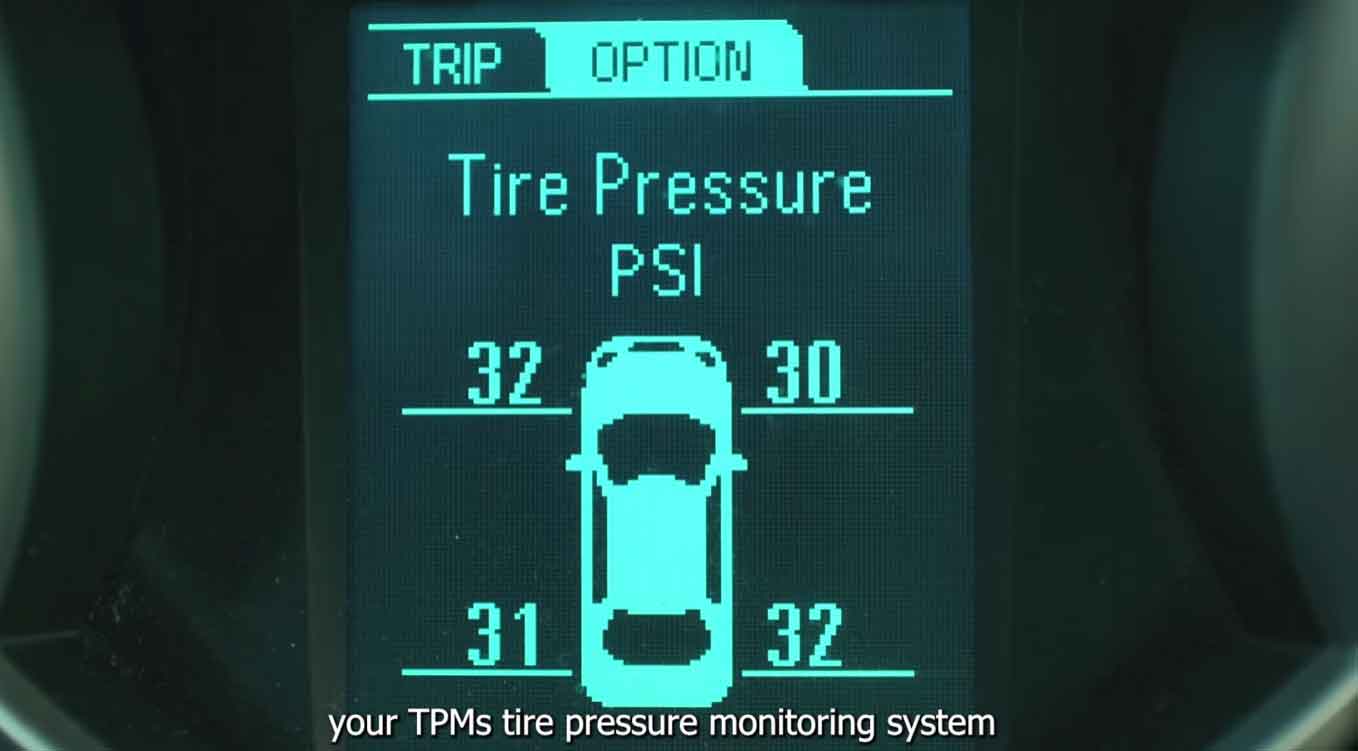
Driving with underinflated tires is dangerous. Your vehicle can lose control. That’s why cars today come with a smart warning system. It’s called the Tire Pressure Monitoring System, or TPMS for short.
This system keeps an eye on your tire air levels. When pressure drops too low, it warns you right away. But sometimes, the TPMS itself runs into problems.
In my 15 years working as a certified mechanic, I’ve diagnosed hundreds of TPMS issues. This guide will show you what causes these faults. You’ll learn how to spot them. And I’ll walk you through the fixes.
Understanding Your Tire Pressure Monitoring System
Your TPMS is a built-in safety tool. It watches your tire pressure constantly. The goal is simple: catch low air pressure before it becomes a hazard.
When I service cars at my shop, I explain TPMS as your tire’s “early warning radar.” It helps you avoid blowouts. It saves you money on gas. And it makes your tires last longer.
The system uses small electronic sensors. These sensors sit inside or near each tire. They measure air pressure continuously. Then they send that information to your car’s main computer.
When pressure drops below safe levels, you see a warning light. It looks like a horseshoe with an exclamation mark. That’s your cue to check your tires.
Two Types of TPMS Systems
From years under the hood, I’ve worked with both types of monitoring systems. Here’s what makes them different:
Direct Monitoring System: This type uses actual pressure sensors. One sensor sits in each wheel. They’re usually attached to the valve stem inside the tire. These sensors radio the exact pressure reading to your dashboard. Direct systems are more accurate.
Indirect Monitoring System: This version doesn’t measure pressure directly. Instead, it uses your car’s ABS wheel speed sensors. When a tire loses air, it rotates faster than the others. The system detects this speed difference. Then it triggers the warning. This type is less precise but costs less to maintain.
Common Reasons Your TPMS Shows a Fault
Over the years, I’ve traced TPMS problems to several usual suspects. Let me break them down for you:
Physical Damage to the Sensor
Tire shops can accidentally break sensors during tire changes. I’ve seen this happen when technicians rush the job. The sensor hangs from the valve stem. One wrong move with a tire iron, and it’s cracked.
Road hazards cause damage too. Sharp potholes can jar the sensor loose. When you hit a curb hard, the impact can shatter the sensor housing.
Dead Sensor Batteries
Here’s something most drivers don’t know: TPMS sensors run on tiny batteries. These batteries aren’t replaceable separately. When they die, you replace the whole sensor.
In my shop, I tell customers that sensor batteries typically last 5 to 10 years. Some last longer. It depends on the brand and how often you drive. Cold weather drains them faster.
When I diagnose a car with multiple TPMS faults, dead batteries are usually the culprit. Especially on older vehicles.
Rust and Corrosion Issues
I work in an area with harsh winters. We use road salt heavily. That salt eats away at metal parts, including TPMS sensors.
Corrosion builds up on the sensor contacts. It blocks the signal. The sensor can’t talk to your car’s computer anymore. Coastal areas with salt air have the same problem.
Extreme heat and cold make corrosion worse. The constant temperature swings crack the sensor seals. Moisture gets inside. Then rust takes over.
Interference with the Signal
Modern cars are packed with electronics. Sometimes these systems clash. I’ve diagnosed cases where aftermarket radio systems interfered with TPMS signals.
Cell phone towers can cause issues too. Other wireless devices in your car might create static. The TPMS signal is radio-based. Anything broadcasting on a similar frequency can jam it.
Computer Software Problems
Your car’s computer runs on software, just like your phone. And software has bugs. I’ve seen TPMS systems throw false alarms because of coding errors.
Sometimes a software update from the manufacturer fixes these glitches. Other times, the computer module needs reprogramming. I use my diagnostic scanner to check for software version issues first.
Road Debris Damage
Sharp objects on the road don’t just puncture tires. They can damage sensors too. Nails, screws, and metal shards can hit the sensor directly.
When I remove a tire with a puncture, I always inspect the sensor. Sometimes the same nail that flattened your tire also cracked the sensor. You won’t know until the tire comes off the rim.
Bad Wiring and Electrical Faults
The sensors talk to your dashboard through wiring. Those wires run through harsh environments. They face heat from your engine. They get splashed with road salt and water.
Corroded wire connections cause intermittent failures. The TPMS works sometimes but not always. Loose plugs create the same headache. In my experience, wiring issues are the trickiest to track down.
Sometimes the power supply to the TPMS control module fails. When that happens, your warning light won’t illuminate even when it should. That’s dangerous because you’re driving blind.
Step-by-Step: How To Fix a TPMS Fault
When I service a car with a TPMS warning, I follow a systematic approach. Here’s the same process I use in my bay:
Step 1: Check Your Tire Pressure Manually
Don’t trust the warning light alone. Grab a quality tire pressure gauge. I prefer digital gauges because they’re easier to read.
Check all four tires. Don’t forget your spare if it has a sensor. Your owner’s manual lists the correct pressure. You’ll also find it on a sticker inside the driver’s door jamb.
Inflate any low tires to the proper PSI level. Then drive for about 10 minutes. If the warning light turns off, you’re done. The problem was simply low pressure, not a fault.
Step 2: Reset the System
After adding air, the TPMS needs to relearn the new pressure values. Every car model resets differently. Check your owner’s manual for the exact procedure.
Most vehicles have a TPMS reset button. It’s usually under the steering wheel or in the glove box. Hold it until the warning light blinks three times.
Some newer cars reset automatically after driving. If the light stays on after trying the reset, you’ve got a deeper problem.
Step 3: Inspect the Sensors Visually
When I suspect sensor damage, I take the wheels off. I look for cracks in the sensor body. I check the valve stem for corrosion.
Green or white crusty buildup means corrosion. Brown rust indicates moisture got inside. A broken sensor housing is obvious visual damage.
You’ll need a jack and lug wrench for this step. If you’re not comfortable removing wheels, skip to the professional help section.
Step 4: Replace Old Sensor Batteries
Sensor batteries can’t be changed alone. The entire sensor unit must be replaced. This job requires tire dismounting equipment.
In my shop, I charge about $50-75 per sensor, plus installation. Many drivers replace all four sensors at once if one fails. They’re likely all the same age.
New sensors need programming to your car. I use a TPMS tool that costs several hundred dollars. DIY replacement is possible but challenging without the right equipment.
Step 5: Update Your Car’s Software
Software glitches sometimes trigger false TPMS warnings. Your dealership can check if updates are available. Independent shops with factory-level scan tools can do this too.
When I service European cars, I connect my diagnostic laptop. I check the TPMS module software version against the manufacturer’s latest release. Outdated software gets updated.
This fix is usually free at dealerships during recalls. Otherwise, expect a diagnostic fee.
Step 6: Get Professional Diagnostics
If you’ve tried everything and the light persists, it’s time for expert help. I use specialized TPMS diagnostic tools that cost thousands of dollars.
These tools activate each sensor individually. They verify the sensor is transmitting. They check signal strength. They identify which sensor is faulty.
I can also scan for wiring shorts and computer module failures. These problems need professional equipment to diagnose accurately.
How To Reset Your TPMS Warning Light
The reset process varies by make and model. But here’s the general method I use most often:
- Park your car and turn off the engine
- Turn the key to the “ON” position without starting the engine
- Locate the TPMS reset button (check your manual)
- Press and hold the button until the warning light blinks three times
- Start the engine
- Drive for 10-15 minutes at speeds above 30 mph
- The light should turn off if the reset worked
Some Honda and Toyota models require a different sequence. You might need to press the gas pedal three times. Or cycle the ignition on and off multiple times.
Newer vehicles with touchscreens may have a reset option in the settings menu. Navigate to the vehicle information or tire settings screen.
If the reset doesn’t work, the system detected a real fault. That means one of the issues I mentioned earlier needs fixing.
Vehicle Brands With Known TPMS Problems
In my years diagnosing cars, certain brands show up more often with TPMS issues. Here’s what I’ve seen:
Mercedes-Benz: These vehicles commonly suffer from sensor battery failures around year 7-8. Their control modules can also fail. Software bugs happen after major system updates.
BMW: Corrosion issues plague BMW sensors, especially in salt-heavy regions. Their valve stems corrode quickly. I replace BMW sensors more often than other brands.
Toyota: Generally reliable, but the indirect TPMS on older models throws false alarms. Direct TPMS Toyotas have fewer issues.
Ford: F-150 trucks eat through sensor batteries. The valve stem design allows water intrusion. I see corroded Ford sensors frequently.
Honda: Software glitches used to be common in 2015-2018 models. Honda issued updates that mostly fixed these problems.
Nissan: Similar to Ford, moisture problems plague Nissan sensors. The sensor housing isn’t as weatherproof as other brands.
Kia and Hyundai: These brands share parts. Both experience wiring harness issues around 5-7 years. The connectors corrode easily.
General Motors (Chevy, GMC, Cadillac): GM sensors are usually reliable. But their software throws weird errors sometimes. A module reset often fixes it.
Volkswagen: VW and Audi use the same indirect system on many models. It’s less accurate but requires minimal maintenance. Direct TPMS VWs have average reliability.
Final Thoughts From the Shop
TPMS faults can seem confusing at first. But understanding the common causes helps you fix problems faster. More importantly, you avoid expensive unnecessary repairs.
From my experience, most TPMS issues come down to three things: low tire pressure, dead sensor batteries, or corrosion. Start with the simple fixes first. Check your air pressure. Try a system reset.
If those don’t work, bring your car to a shop with proper TPMS diagnostic equipment. Don’t ignore the warning light. Driving on underinflated tires reduces fuel economy by up to 3%. Worse, it can cause tire blowouts at highway speeds.
Regular tire maintenance prevents most TPMS problems. I recommend checking your tire pressure monthly. Inspect your valve stems for cracks when you rotate tires. Replace sensors proactively if your car is older than 8 years.
Taking care of your TPMS protects your safety. It saves you money on premature tire wear. And it keeps you from being stranded with a flat.
Frequently Asked Questions
What does a tire pressure monitor fault actually mean?
A TPMS fault means the monitoring system itself has a problem. It’s different from a low pressure warning. The fault light indicates the system can’t properly check your tire pressure. This might be due to a broken sensor, dead battery, or wiring issue. In my shop, I see fault lights most often when sensors fail completely.
Is it safe to drive with a TPMS fault light on?
I don’t recommend driving with a TPMS fault. The warning system is disabled when it’s faulted. You won’t know if a tire is dangerously low. Check all tire pressures manually before driving. If they’re properly inflated, you can drive carefully to a repair shop. Don’t take long trips until the fault is fixed.
What causes a TPMS fault on Ford trucks?
Ford F-150s and Super Duty trucks commonly develop sensor corrosion. Road salt and moisture damage the valve stem sensors. Dead sensor batteries are the second most common cause I see. Some Ford models also experience wiring harness problems in the wheel wells. The constant flexing breaks the wires over time.
Why is my tire pressure light on when my tires are fine?
This usually means a sensor has failed. The sensor is sending bad data to your computer. It might read low pressure when the tire is actually full. Temperature changes can also trigger false warnings. Tire pressure drops about 1 PSI for every 10-degree temperature decrease. Cold mornings often cause temporary warnings that clear up later.
Can I replace my own TPMS sensors?
Yes, but it’s challenging without proper tools. You need tire mounting equipment to remove the tire from the rim. You also need a TPMS programming tool to activate the new sensors. These tools cost $200-$2000. If you only need to replace sensors once, paying a shop is more cost-effective. I charge about $150-200 to replace and program all four sensors.
How long do TPMS sensors last?
Most sensors last 5-10 years. The battery life varies by manufacturer and driving conditions. Cars driven in extreme temperatures drain batteries faster. In my experience, original equipment sensors from the factory last longer than cheap aftermarket replacements. Budget at least $200 to replace all sensors when they reach 8-9 years old.
Will my car pass inspection with a TPMS fault?
It depends on your state. Many states now require functional TPMS for inspection. My state fails vehicles with TPMS warning lights. Check your local inspection requirements. If TPMS is required, you’ll need to fix the fault before passing. Some states only require TPMS if the car came with it from the factory.