
Monday to Saturday - 9:00 am -18:00 pm


You’re driving your Chevy Malibu when suddenly a warning pops up on your dash. It says “Service ESC.” Your heart skips a beat.
What does this mean? Is it safe to keep driving?
I’ve been working on Chevys for over 15 years. This warning comes up more often than you’d think. But don’t worry. I’m here to walk you through everything.
In this guide, you’ll learn exactly what this warning means. You’ll also discover how to fix it. Let’s get your Malibu back to running smoothly.
Understanding Your Car’s Electronic Stability Control
Electronic Stability Control is like having an extra set of eyes on the road. It watches how your car moves. When something goes wrong, it jumps into action.
Think of ESC as your car’s guardian angel. It steps in when you need it most.
What ESC Actually Does?
ESC has one main job. It keeps your car from spinning out of control.
When you take a turn too fast, ESC notices. It sees when your wheels start to slip. Then it fixes the problem before you even realize there’s danger.
Here’s how it works. ESC applies the brakes to specific wheels. This helps steer your car back on track. It happens in a split second.
From my years under the hood, I’ve seen ESC save countless drivers. It’s especially helpful in rain or snow.
Why Your Malibu Needs ESC
Your Chevy Malibu uses ESC for maximum safety. Sharp turns become safer. Sudden stops are more controlled.
ESC works alongside other safety systems. Together, they protect you and your passengers.
Research shows something important. Cars with ESC have fewer serious crashes. The numbers don’t lie. This system saves lives.
In my shop, I always stress this to customers. ESC isn’t just a fancy feature. It’s essential safety equipment.
ESC vs Other Safety Systems
Let me break down the difference. ESC prevents loss of steering control. It uses brakes on individual wheels.
Traction control is different. It stops wheels from spinning when you accelerate. It adjusts engine power to keep grip.
Both systems work together. They create a safety net for your driving.
| System | What It Does | When It Activates |
|---|---|---|
| ESC | Stops skidding and loss of control | During turns or emergency maneuvers |
| Traction Control | Prevents wheel spin | During acceleration on slippery roads |
| ABS | Stops wheel lockup | During hard braking |
What “Service ESC” Really Means On Your Dashboard
That “Service ESC” light is your car talking to you. It’s saying something needs attention.
When I see this in my bay, I know the stability system has detected a problem. The car’s computer has found an issue it can’t ignore.
Reading Your Dashboard Warnings
The Service ESC light usually appears with other warnings. You might see “Service Traction Control” too.
These lights aren’t there to scare you. They’re there to inform you.
Your dashboard is like a health monitor for your car. Each light tells a different story. Learning to read them keeps you ahead of problems.
I always tell my customers this. Don’t ignore warning lights. They’re your first line of defense.
Why This Warning Appears
Several things can trigger the Service ESC alert. The most common cause is a sensor issue.
Your Malibu has sensors on each wheel. They measure speed constantly. When one fails, the whole system gets confused.
Other times, it’s the ABS system acting up. Since ESC works with ABS, problems overlap.
Low brake fluid can cause it too. So can bad wiring or a faulty control module.
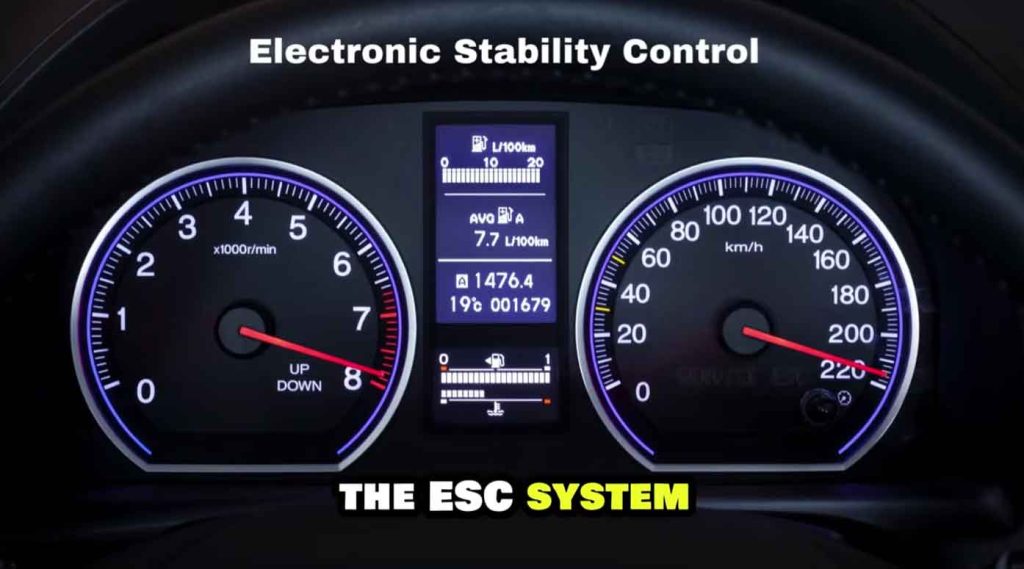
The Risks Of Ignoring This Warning
Here’s what happens when you ignore the Service ESC light. Your stability control stops working.
This means no help during skids. No automatic correction in emergencies.
From what I’ve seen in my shop, waiting makes things worse. A simple sensor problem can turn into expensive repairs.
Your safety is on the line. That’s not something to gamble with.
Why Regular Maintenance Matters For Your Malibu
Taking care of your Chevy Malibu isn’t optional. It’s necessary for safety and performance.
I’ve worked on thousands of Malibus. The ones that get regular service always run better. They also last longer.
Essential ESC System Checks
When I service a car like this, I follow a specific routine. Here’s what needs checking:
Wheel speed sensors – These are the eyes of your ESC system. They need to be clean and working perfectly.
Brake system inspection – Brakes and ESC work together. One can’t function without the other.
Computer system updates – Sometimes your car just needs new software. Like updating your phone.
Wiring connections – Corrosion kills electrical systems. I check every connection carefully.
These checks take about 30 minutes. But they prevent hours of headaches later.
Creating A Maintenance Schedule
Don’t wait for warning lights. Be proactive instead.
I recommend checking your ESC system every oil change. That’s roughly every 5,000 miles.
Have a full diagnostic scan done annually. This catches problems before they cause warnings.
Winter requires extra attention. Salt and moisture damage sensors quickly.
The Cost Of Skipping Maintenance
Preventive maintenance costs less than repairs. Always.
A wheel speed sensor costs around $50 to replace. But if you wait, you might need a whole new ABS module. That’s $500 or more.
I’ve seen customers save thousands by staying on top of maintenance. It’s the smartest investment you can make.
Decoding Your Malibu’s Dashboard Lights
Your dashboard has multiple warning lights. Each one serves a specific purpose.
Learning what they mean helps you respond correctly. It also prevents panic.
Common Warning Lights Explained
Check Engine Light – Something’s wrong with your engine or emissions. Could be minor or serious.
ABS Warning – Your anti-lock brakes need attention. Braking performance might be reduced.
ESC Light – The stability control has malfunctioned. This is what we’re focusing on today.
Brake Warning – Could mean low brake fluid. Or a problem with your braking system.
TPMS Light – Your tire pressure is off. Either too high or too low.
Understanding Light Colors
Yellow or amber lights mean caution. Something needs checking soon.
Red lights mean danger. Pull over safely when it’s safe. Get help immediately.
In my experience, people often confuse these. Color matters a lot.
When To Act Fast
Some lights require immediate action. The red brake warning is one of them.
The Service ESC light is amber. This means you can drive carefully to a repair shop.
But don’t delay for days. Get it checked within 24 hours if possible.
I always tell customers to trust their instincts. If something feels wrong, it probably is.
How Traction Control Works With ESC
Traction control and ESC are partners. They’re part of the same safety team.
Understanding their relationship helps you appreciate what’s happening under your hood.
The Connection Between Systems
ESC prevents skids during turns. Traction control prevents wheel spin during acceleration.
Both use the same sensors. Both tap into the brake system.
When one system fails, it often affects the other. That’s why you see multiple warnings together.
In my shop, I always test both systems together. They’re inseparable.
How Traction Control Activates
Picture this scenario. You’re accelerating on wet pavement. One wheel starts spinning faster than the others.
The traction control system sees this immediately. It applies the brake to that spinning wheel.
At the same time, it might reduce engine power. This prevents further slipping.
The whole process happens in milliseconds. You might not even notice it working.
Real-World Benefits
I’ve had customers tell me stories. They were driving in snow when traction control kicked in.
It kept them from sliding into a ditch. Or from getting stuck in their driveway.
These systems aren’t just for emergencies. They work every day in subtle ways.
On slippery roads, they’re absolutely essential. They make winter driving much safer.
Common Problems That Trigger Service ESC
Let me share what I see most often in my bay. These are the typical culprits behind the Service ESC warning.
Knowing these helps you understand what might be wrong with your Malibu.
Wheel Speed Sensor Failures
This is the number one cause. I’d say 60% of Service ESC warnings come from bad sensors.
Each wheel has a sensor. It measures how fast that wheel is spinning. These sensors are exposed to road debris, salt, and moisture.
Over time, they corrode or break. Sometimes they just get dirty.
Common sensor problems:
- Physical damage from road debris hitting them
- Corroded wiring that breaks the electrical connection
- Dirt buildup that blocks the sensor
- Internal sensor failure from age
Replacing a wheel speed sensor is straightforward. It usually takes about an hour per wheel.
ABS Module Issues
The ABS control module is the brain of the system. When it fails, everything goes haywire.
Module failures are less common. But when they happen, they’re more expensive to fix.
Signs of a bad ABS module include:
- Multiple warning lights appearing together
- ABS pump running constantly
- Unusual sounds when braking
- Complete loss of ESC and traction control
I’ve replaced many modules over the years. It’s not a DIY job. You need proper diagnostic equipment.
Brake System Related Problems
Sometimes the issue isn’t electronic at all. It’s mechanical.
Low brake fluid triggers the Service ESC light. So do worn brake pads.
Air in the brake lines causes problems too. The system can’t operate correctly with air bubbles.
I always check the basics first. Fluid level, pad thickness, and line condition.
Electrical And Wiring Problems
Modern cars are full of wiring. And wiring gets old.
Corroded connectors are extremely common. Especially in areas that see snow and salt.
Rodents sometimes chew through wiring. I’ve found mouse nests near wheel sensors many times.
A visual inspection catches many of these issues. But sometimes you need a multimeter to find shorts.
Step-By-Step Response To Service ESC Warning
The Service ESC light just came on. What should you do right now?
Here’s my professional recommendation. Follow these steps in order.
Immediate Safety Checks
First, don’t panic. Your car is still drivable in most cases.
Reduce your speed slightly. Drive more carefully than usual.
Avoid aggressive maneuvers. No hard braking or sharp turns.
Find a safe place to pull over. A parking lot or wide shoulder works well.
Performing Your Own Visual Inspection
Once stopped, pop the hood. Let’s look for obvious problems.
Check for fluid leaks – Look under the car. Is anything dripping?
Inspect visible wiring – Look for damaged or disconnected wires near the wheels.
Listen for unusual sounds – Start the car. Do you hear clicking or humming from the ABS pump?
Check brake fluid level – Open the brake fluid reservoir. Is it at the proper level?
These checks take five minutes. They might reveal something simple you can fix.
Consulting Your Owner’s Manual
Your owner’s manual has specific information for your Malibu’s year and model.
It explains what the Service ESC warning means. It also tells you if it’s safe to drive.
The manual includes a troubleshooting section. This gives you model-specific guidance.
I keep owner’s manuals in my shop for reference. They’re incredibly valuable resources.
Deciding Your Next Move
Based on what you found, make a decision.
If you see obvious damage or leaks, call for a tow. Don’t risk driving.
If everything looks normal, you can carefully drive to a repair shop. Keep speeds low.
Schedule an appointment as soon as possible. Don’t put this off for weeks.
Professional Diagnostics For Your Malibu
When DIY checks don’t solve the problem, it’s time for professional help.
Here’s what happens when you bring your Malibu to a qualified mechanic.
Using OBD-II Scanners
Every modern car has an OBD-II port. It’s usually under the dashboard near the steering wheel.
We plug in a scan tool. This reads diagnostic trouble codes from your car’s computer.
The codes tell us exactly what the car detected. They narrow down the problem significantly.
Common ESC-related codes include:
- C0035 to C0050 – Wheel speed sensor issues
- C0265 – Electronic Stability Control malfunction
- C0550 – ECU communication error
In my shop, I use a professional-grade scanner. It gives me live data from the sensors.
Advanced Diagnostic Procedures
Sometimes codes point to multiple problems. That’s when advanced testing begins.
Oscilloscope testing – This shows us the actual signal from wheel speed sensors. We can see if the signal is weak or erratic.
Resistance testing – We measure electrical resistance in sensors and wiring. This finds broken connections.
Module testing – We check if the ABS/ESC control module is functioning correctly.
Road testing – Sometimes we need to drive the car to see the problem occur.
These tests take time. But they ensure we find the real cause.
What A Full Inspection Includes
A complete ESC system inspection covers everything related to stability control.
We test all four wheel speed sensors individually. We inspect every inch of wiring.
The brake system gets thoroughly checked. Fluid condition, pad wear, and rotor condition all matter.
We verify the ABS pump operates correctly. We check for module software updates.
This comprehensive approach prevents comeback visits. It fixes the problem right the first time.
When To Choose A Specialist
Most shops can handle basic ESC problems. But sometimes you need a specialist.
If your issue is intermittent, a specialist has better diagnostic tools. They can record data over time.
For complex electrical problems, specialists have more experience. They’ve seen rare issues before.
Dealerships have access to manufacturer-specific information. They also have specialized training.
I’m not saying always go to a specialist. But for stubborn problems, they’re worth it.
Understanding NHTSA Safety Requirements
The government takes vehicle safety seriously. So should you.
The National Highway Traffic Safety Administration sets rules for car safety. ESC is part of those rules.
Federal Safety Standards For ESC
Since 2012, all new cars must have ESC. It’s not optional anymore.
The government made this rule after seeing the data. ESC reduces fatal crashes by about 50%.
Your Malibu meets these federal standards. The ESC system is designed and tested to strict specifications.
These aren’t just recommendations. They’re legal requirements for manufacturers.
Why ESC Is Mandatory
The statistics are clear. ESC prevents loss-of-control crashes.
Single-vehicle crashes drop significantly with ESC. So do rollover accidents.
The NHTSA estimated that mandatory ESC saves over 2,000 lives yearly. That’s huge.
In my years of experience, I’ve seen the difference. Modern cars handle emergencies much better than older ones.
Keeping Your System Compliant
Your responsibility is maintaining the ESC system. Keeping it working properly.
When you ignore the Service ESC warning, you’re driving with a disabled safety system. This puts you and others at risk.
Regular maintenance ensures your Malibu continues meeting safety standards. It also protects your insurance coverage.
Some insurance companies ask about disabled safety systems. Don’t give them a reason to deny a claim.
Fixing Service ESC Problems
Now let’s talk solutions. How do you actually fix the Service ESC warning?
The answer depends on what’s causing it. Here are the most common repairs.
Replacing Wheel Speed Sensors
This is the most frequent repair I perform for Service ESC warnings.
The process is straightforward. We remove the wheel and brake caliper. Then we unbolt the old sensor and install a new one.
Cost range: $75 to $200 per sensor, including labor.
Time needed: About 1 hour per wheel.
Quality matters with sensors. I always use OEM or high-quality aftermarket parts. Cheap sensors fail quickly.
Repairing ABS Module
ABS module repairs are more involved. Sometimes we can rebuild the module. Other times it needs complete replacement.
Cost range: $300 to $800 for repair, $800 to $1,500 for replacement.
Time needed: 2 to 4 hours depending on complexity.
This isn’t something most DIYers should attempt. The brake system requires proper bleeding and testing afterward.
Fixing Wiring Issues
Corroded or damaged wiring needs repair or replacement. Sometimes we can clean connections and restore them.
Other times, we need to run new wiring. This is tedious work that requires patience.
Cost range: $150 to $400 depending on extent of damage.
Time needed: 1 to 3 hours.
Prevention is key here. Regular undercarriage washing helps prevent corrosion.
Software Updates
Sometimes your Malibu just needs a software update. The manufacturer releases updates to fix known issues.
These are usually free or low-cost. They take about 30 minutes to install.
I always check for available updates when diagnosing ESC problems. It’s the easiest fix possible.
Preventing Future ESC Problems
An ounce of prevention is worth a pound of cure. This old saying is especially true for car maintenance.
Here’s how to keep your ESC system working perfectly.
Regular Cleaning And Inspection
Wash your car regularly, especially the undercarriage. Salt and dirt are enemies of sensors.
During tire rotations, ask the shop to inspect wheel speed sensors. A quick visual check catches many problems early.
In winter, rinse the undercarriage weekly. This removes salt before it causes damage.
Driving Habits That Protect ESC
Avoid deep water when possible. Flooding can damage sensors and modules.
Don’t ignore small problems. That slight vibration might be a failing wheel bearing. It can damage sensors.
Drive carefully on rough roads. Debris can break sensor wiring or knock sensors loose.
When To Schedule Inspections
Have your ESC system checked during these times:
- Every major service (30,000, 60,000, 90,000 miles)
- After any collision, even minor ones
- When you notice any unusual behavior
- Before winter driving season
- If any warning lights appear
Keeping Detailed Records
Document all maintenance and repairs. This helps track patterns.
If you have recurring ESC issues, records help technicians spot the cause. They also help with warranty claims.
I always give customers detailed reports. Good records are essential for proper car care.
Frequently Asked Questions
Let me answer the questions I hear most often in my shop.
Can I Drive With The Service ESC Light On?
Yes, you can drive. But you should get it checked soon.
Your car won’t have stability control protection. This increases risk in emergencies.
Drive carefully and avoid bad weather if possible. Schedule service within a day or two.
How Much Does ESC Repair Cost?
It depends on the problem. Here’s a general breakdown:
- Wheel speed sensor: $75-$200 per wheel
- ABS module repair: $300-$800
- Wiring repair: $150-$400
- Software update: $0-$100
- Complete ABS module replacement: $800-$1,500
Most issues cost between $100 and $400 to fix. Plan for that range.
Will The Light Go Off By Itself?
Sometimes yes, sometimes no. If the problem was temporary, the light might clear after a few drive cycles.
But if the problem persists, the light stays on. Don’t hope it goes away. Get it diagnosed.
Does Service ESC Affect My Brakes?
Not directly. Your regular brakes still work normally.
But the ABS and stability control won’t function. This means less control in emergencies.
Your stopping distance might be longer in slippery conditions.
Can I Fix This Myself?
Some problems yes, some no. Checking and adding brake fluid is easy.
Cleaning sensor connections is doable with basic tools. But replacing sensors or modules requires proper equipment.
If you’re handy and have the right tools, simple repairs are possible. But complex electrical issues need professional help.
How Long Does Diagnosis Take?
A basic diagnostic scan takes 15 minutes. A thorough inspection takes 30 minutes to an hour.
If the problem is intermittent, diagnosis might take longer. We may need to drive the car or monitor sensors over time.
Most shops can diagnose ESC issues in under an hour.
Is This Covered By Warranty?
If your Malibu is under warranty, ESC repairs are likely covered. Check your warranty documentation.
Extended warranties vary. Some cover ESC components, others don’t.
Wear items like sensors might not be covered if the car is older. But defective modules usually are.
Final Thoughts On Service ESC
The Service ESC warning isn’t something to ignore. But it’s not a reason to panic either.
Your Chevy Malibu is telling you something needs attention. Listen to it.
From my 15 years of working on these cars, I can tell you this. Most ESC problems are fixable and affordable.
The key is acting quickly. Don’t let a small problem become a big one.
Stay on top of maintenance. Pay attention to warning lights. And find a mechanic you trust.
Your Malibu’s ESC system is there to protect you. Take care of it, and it’ll take care of you.
If you have any questions about your specific situation, ask a professional. Every car is different.
Drive safe out there. And remember, that Service ESC light is there to help you, not haunt you.