
Monday to Saturday - 9:00 am -18:00 pm


Have you felt your car shaking or vibrating while sitting at a stoplight? This happens more often than you might think. In my shop, I see this problem almost every week.
A little vibration might seem normal. But it’s not something you should ignore. That small shake can turn into a big repair bill if you wait too long. Trust me, I’ve seen it happen.
In this guide, I’ll walk you through why your vehicle shakes when idling. You’ll learn what causes it, how to fix it, and how to stop it from happening again.
Understanding The Idle Shake Problem
Let’s start with the basics. When your car “shakes while idling,” it means your engine is running but something feels wrong. The whole vehicle vibrates even though you’re not moving.
You’ll notice this most when:
- Stopped at red lights
- Waiting in traffic
- Parked with the engine running
- Sitting in your driveway
Sometimes the shake is small. Other times, it feels like your steering wheel is dancing. From years under the hood, I can tell you this: any shake is your car trying to tell you something.
The sooner you listen, the better. Small problems are cheap to fix. Big problems? Not so much.
What Makes Your Car Shake At Idle? Top Reasons
Many things can cause your vehicle to shake. Let me break down the most common ones I see in my garage.
Problems With Your Engine
Your engine needs three things to run smoothly: air, fuel, and spark. When one of these isn’t right, you get shaking.
Misfiring cylinders are a big culprit. This happens when one cylinder doesn’t fire correctly. Think of it like a drummer missing beats. The rhythm gets all messed up.
Bad spark plugs cause most misfires. These little parts wear out over time. When I service a car like this, old spark plugs are usually the first thing I replace.
Dirty air filters choke your engine. It’s like trying to breathe through a pillow. Your engine struggles and shakes as a result.
Broken Or Old Motor Mounts
Motor mounts are rubber cushions that hold your engine in place. They also absorb vibrations so you don’t feel them.
When these mounts get old, they crack and break down. The rubber turns hard or gets too soft. Then they can’t do their job anymore.
In my shop, I tell customers to think of motor mounts like shock absorbers for their engine. When they fail, you feel every little engine movement.
This is one problem that gets worse fast. A slightly worn mount becomes a completely broken mount. Then your engine literally moves around under the hood.
Transmission Troubles
Your transmission connects your engine to your wheels. When it has issues, you’ll feel it at idle.
Low transmission fluid is a common problem. This fluid keeps everything moving smoothly. Without enough, parts grind and vibrate.
Faulty torque converters also cause shaking. This part helps your car stay still while in drive. When it breaks, your car wants to move forward even with your foot on the brake.
Fuel Delivery Issues
Your fuel injectors spray gas into the engine. They need to be clean and working perfectly.
Clogged injectors can’t spray fuel correctly. The engine gets an uneven fuel mix. This creates rough running and shaking.
I’ve cleaned hundreds of fuel injectors. Most cars need this service every few years, especially if you drive in the city a lot.
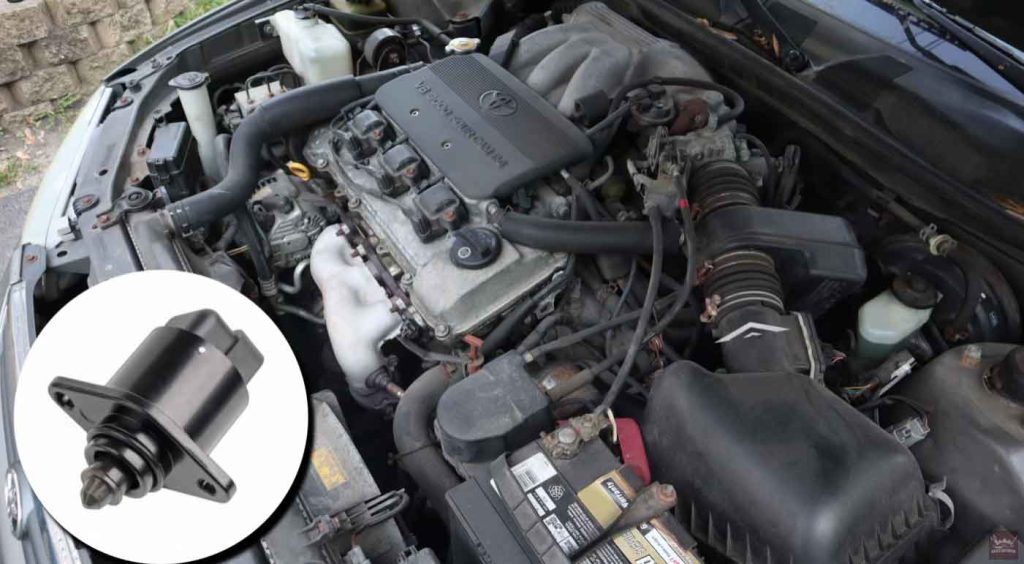
Blocked Or Damaged Exhaust
Your exhaust system moves waste gases out of the engine. When it gets blocked, pressure builds up inside.
This back pressure makes your engine work harder. It struggles and vibrates while trying to push gases out.
Exhaust leaks cause similar problems. A hole in your exhaust pipe throws off the whole system. From years under the hood, I can usually hear an exhaust problem before I even pop the hood.
Air Leaks In The Vacuum System
Your engine has a network of hoses called the vacuum system. These hoses help control airflow.
A vacuum leak happens when air sneaks in where it shouldn’t. This throws off the air-to-fuel balance. Your engine gets confused and runs rough.
These leaks can be tricky to find. I use a special smoke machine in my garage to spot them. Sometimes they’re in obvious places. Other times, they hide.
How To Figure Out Why Your Car Shakes
You don’t need to be a mechanic to start diagnosing this problem. Here’s what I recommend checking first.
Look At Your Dashboard Lights
Is your check engine light on? This is your car’s way of saying “Hey, something’s wrong!”
Get an OBD-II scanner from any auto parts store. These tools read error codes from your car’s computer. They’re not expensive and super easy to use.
The codes will point you toward the problem. Things like misfire codes or sensor failures show up clearly.
Listen Carefully While Idling
Turn off your radio. Roll down your windows. Now listen to your engine.
What do you hear?
- Knocking sounds = engine trouble
- Hissing noises = vacuum leak
- Rattling under the car = exhaust problems
In my shop, I spend a lot of time just listening. Your ears can tell you a lot about what’s wrong.
Check Under The Hood
Pop your hood and look around. You don’t need special tools for this.
Look for:
- Loose or disconnected hoses
- Cracked belts
- Oil leaks
- Damaged wires
Sometimes the problem is obvious. I once found a vacuum hose that had completely fallen off. Easy fix!
Take A Short Test Drive
Drive your car around the block. Pay attention to how it feels.
Does the shaking:
- Get worse when you speed up?
- Happen only when you brake?
- Go away at higher speeds?
- Stay the same no matter what?
This information helps narrow down the cause. When customers tell me these details, I can diagnose problems much faster.
Check All Your Fluid Levels
Low fluids cause all sorts of problems. Check these:
- Engine oil (should be between the min and max marks)
- Transmission fluid (usually has its own dipstick)
- Coolant (in the overflow tank)
Low fluids make engines overheat. Overheated engines shake and misfire. It’s a chain reaction.
Cars That Often Have This Problem
Some vehicles are more likely to shake at idle than others. Here’s what I see most in my garage:
| Car Brand | Models That Shake Often |
|---|---|
| Honda | Civic, Accord, CR-V |
| Toyota | Camry, Corolla, RAV4 |
| Nissan | Altima, Sentra, Rogue |
| Ford | Fusion, Escape, F-150 |
| Chevrolet | Malibu, Equinox, Silverado |
| BMW | 3 Series, 5 Series, X5 |
| Volkswagen | Jetta, Passat, Tiguan |
| Hyundai | Elantra, Sonata, Tucson |
| Kia | Optima, Sorento, Soul |
| Subaru | Outback, Forester, Impreza |
| Mazda | Mazda3, Mazda6, CX-5 |
| Jeep | Cherokee, Grand Cherokee, Wrangler |
| Dodge | Charger, Challenger, Ram |
| Audi | A4, Q5, A6 |
| Chrysler | 300, Pacifica |
This doesn’t mean these are bad cars. It just means certain models have known issues with idle vibration. Knowing this helps when shopping for used vehicles.
How To Prevent Idle Shaking
Prevention is always cheaper than repairs. Here’s what I tell every customer who comes through my shop.
Replace Spark Plugs On Time
Most spark plugs last between 30,000 and 50,000 miles. Some newer ones last longer.
Check your owner’s manual. Follow the replacement schedule. This simple maintenance prevents most misfire problems.
When I service a car, I always check the spark plugs. Worn plugs cost pennies compared to the damage they can cause.
Keep Your Fuel System Clean
Use fuel injector cleaner every few months. Just pour it in your gas tank. It’s that easy.
This is extra important if you:
- Drive in stop-and-go traffic often
- Take lots of short trips
- Live in a city
Clean injectors mean smooth running. Smooth running means no shaking.
Inspect Vacuum Hoses Regularly
Check your vacuum hoses during every oil change. Look for:
- Cracks in the rubber
- Loose connections
- Brittle or hard hoses
These hoses should feel soft and flexible. Hard hoses are old hoses. Replace them before they leak.
Change Air Filters As Needed
Your air filter gets dirty over time. A dirty filter starves your engine of air.
Most cars need a new filter every 15,000 to 30,000 miles. But check yours more often if you:
- Drive on dirt roads
- Live in a dusty area
- Drive in heavy traffic
I can’t tell you how many shaking problems I’ve fixed with just a new air filter. It’s the cheapest repair ever.
Have Motor Mounts Inspected
Motor mounts wear out slowly. You won’t notice it happening.
Ask your mechanic to check them during routine maintenance. This usually means:
- Every major service
- When getting other engine work done
- If you notice new vibrations
Replacing worn mounts before they break completely saves you money. Broken mounts can damage other parts.
Maintain Your Transmission
Check your transmission fluid level regularly. It should be bright red or pink. Dark or burnt-smelling fluid needs to be changed.
Most modern cars have “lifetime” transmission fluid. But in my experience, nothing lasts forever. Consider changing it every 60,000 to 100,000 miles.
The Bottom Line
Your vehicle shaking at idle is never normal. It’s always a sign that something needs attention.
The most common causes are:
- Worn spark plugs
- Bad motor mounts
- Dirty fuel injectors
- Vacuum leaks
- Exhaust problems
The good news? Most of these fixes aren’t too expensive. The key is catching them early.
In my shop, I’ve seen small vibrations turn into engine replacements. All because someone waited too long. Don’t be that person.
When your car starts shaking, take action. Check the simple stuff first. Then get professional help if needed.
Regular maintenance stops most idle problems before they start. Oil changes, filter replacements, and fluid checks go a long way.
Remember: Your car is talking to you through that shake. Listen to what it’s saying. Your wallet will thank you later.
If you’re ever unsure about what’s wrong, bring your vehicle to a trusted mechanic. We’re here to help keep you safe on the road.