
Monday to Saturday - 9:00 am -18:00 pm

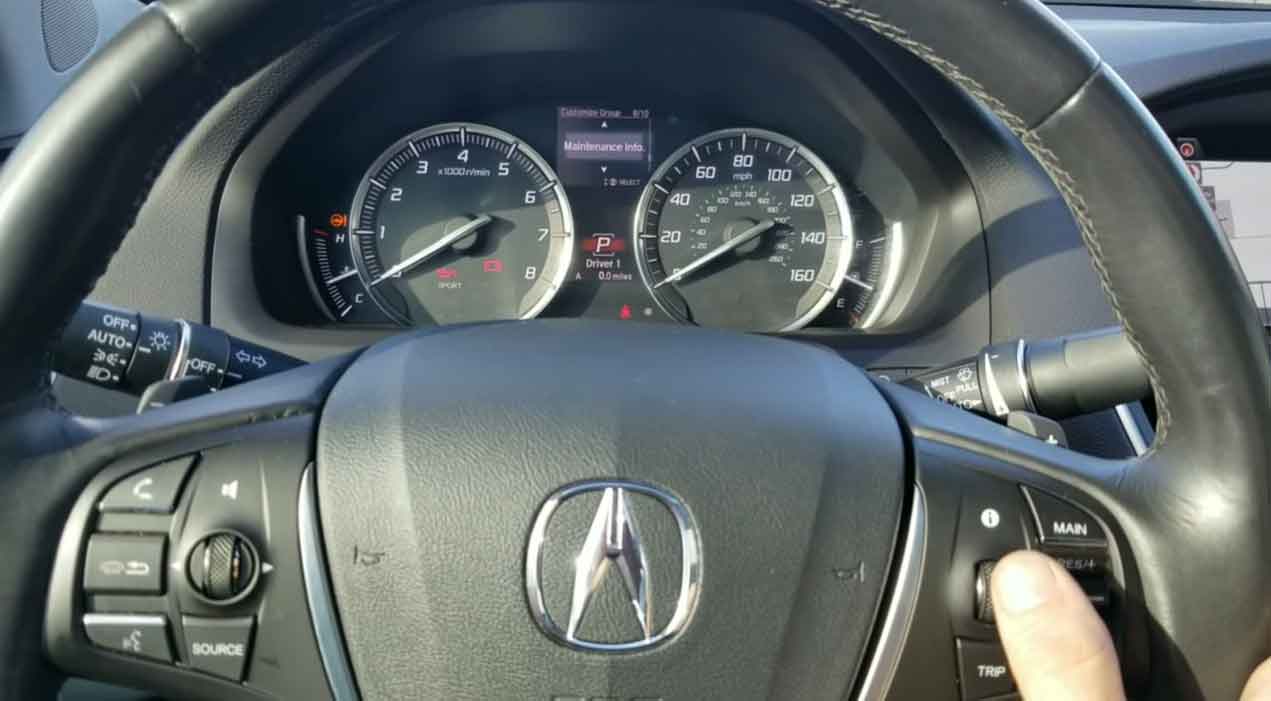
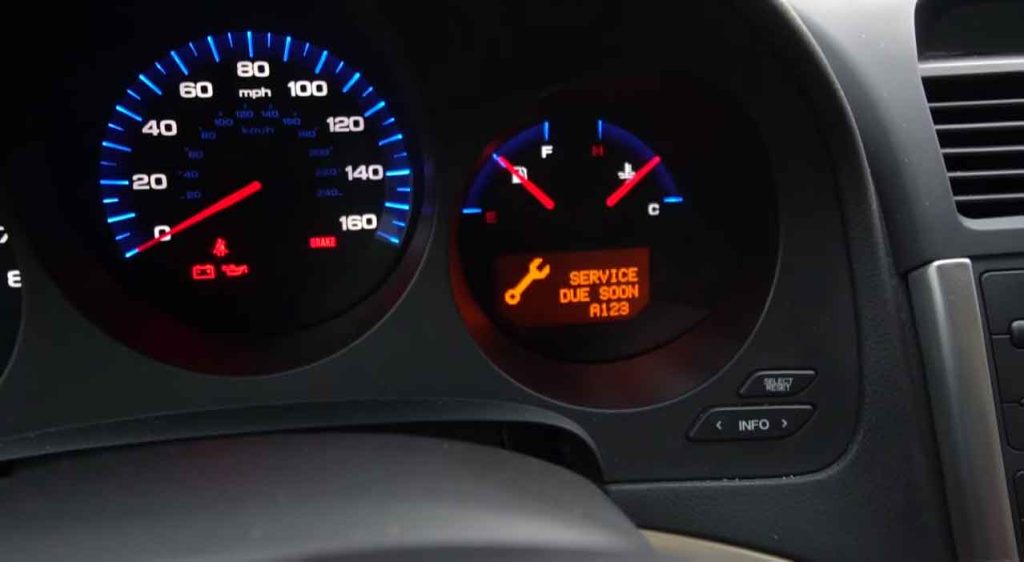
When that A123 code pops up on your Acura dashboard, don’t panic. It’s not a warning light. It’s your car asking for scheduled care.
I’ve worked on Acuras for over 15 years in my shop. This maintenance code is actually helpful. It tells you exactly what your vehicle needs before small issues turn into big repair bills. The A123 service keeps your Acura running strong and saves you money down the road.
This guide breaks down everything about the A123 service. You’ll learn what each letter and number means. You’ll see the real costs. And you’ll understand why this maintenance matters for your TLX, MDX, RDX, or ILX.
What Does A123 Mean on Your Acura?
The A123 code comes from Acura’s Maintenance Minder system. This smart system watches how you drive. It tracks engine conditions. Then it tells you when service is actually needed.
Each character in “A123” stands for a specific job. The letter A means your engine oil needs changing. Number 1 says rotate your tires. Number 2 tells you to swap out air filters. Number 3 indicates transmission fluid replacement.
From my experience in the shop, this system is smarter than old-style mileage reminders. It doesn’t just count miles. It looks at how hard your engine works. City driving wears parts faster than highway cruising. The Maintenance Minder knows this.
Breaking Down the A123 Code
When multiple services come due at once, Acura combines them into one code. This makes sense. It saves you trips to the mechanic.
Here’s how each part works:
Code A – Engine Oil Service: Your engine oil has reached 15% life remaining. Time for fresh oil and a new filter. This happens based on your actual driving, not just mileage.
Code 1 – Tire Rotation: Your tires need rotating to wear evenly. This extends tire life by thousands of miles.
Code 2 – Air Filter Replacement: Both your engine air filter and cabin air filter need swapping. Dirty filters hurt performance and air quality.
Code 3 – Transmission Fluid Change: Your transmission fluid has broken down. Fresh fluid keeps shifting smooth and prevents damage.
The system is clever about timing. Let’s say your transmission service is due in 500 miles. But your oil change is due now. Acura shows both in the A123 code. This bundling saves time and often saves money too.
Your Complete A123 Service Checklist
When you bring your Acura in for A123 service, here’s what should happen. I perform these tasks daily in my bay.
Engine Oil and Filter Change
Fresh oil keeps your engine alive. It’s that simple.
During this service, we drain out old oil completely. Then we install a new oil filter. The filter catches metal particles and dirt that build up naturally.
Clean oil lubricates moving parts. It reduces heat and friction. Without it, engine parts grind together and fail.
I once saw an MDX come in 5,000 miles overdue for oil. The engine sounded like a diesel truck. The owner got lucky. But many engines don’t survive that kind of neglect. Oil changes are cheap insurance.
Tire Rotation Service
Rotating tires makes them last longer. It also keeps your Acura handling safely.
We move your tires to different positions. Front tires go to the rear. The pattern depends on your Acura model and whether you have all-wheel drive.
Front tires wear faster on front-wheel-drive cars. They handle steering and most braking. Rotation balances this wear across all four tires.
While rotating, we check tire pressure. We look for damage like bulges or cuts. We also check tread depth with a gauge. Uneven wear can signal alignment problems.
Proper rotation adds 10,000 miles or more to tire life. That’s real money saved.
Air Filter Replacement
Two filters get changed during A123 service. Both are important.
The engine air filter stops dirt from entering your engine. A clogged filter chokes airflow. Your engine struggles to breathe. This kills fuel economy and power.
I’ve measured fuel economy drops of 8-10% from dirty air filters. Replacing them is easy and makes a noticeable difference.
The cabin air filter cleans the air you breathe inside. It catches pollen, dust, and pollution. A dirty cabin filter makes your AC weak and smells bad.
If you have allergies, this filter matters even more. Fresh filters mean better air quality for you and your passengers.
Transmission Fluid Service
Your transmission is expensive. This service protects it.
Transmission fluid lubricates gears and cools components. Over time, heat breaks down the fluid. It gets dark and loses its protective properties.
We drain the old fluid and refill with fresh Acura-spec fluid. Some models need the transfer case serviced too.
In my shop, I’ve seen transmission replacements cost $4,000 to $6,000. A fluid change costs under $200. The math is obvious. This service prevents catastrophic failure.
Brake System Check
Most shops include a brake inspection with A123 service. We always do.
We measure brake pad thickness with a caliper. We check rotor condition for scoring or warping. We inspect brake lines for leaks. We verify brake fluid level and condition.
This catches problems early. Worn pads are cheap. Damaged rotors cost more. Neglected brakes become dangerous and expensive.
If you hear squealing, feel pulsing, or notice longer stops, brake inspection finds the cause.
Fluid Level Inspection
We check all vital fluids during A123 service.
This includes coolant, power steering fluid, brake fluid, and washer fluid. Low levels cause problems. Low coolant leads to overheating. Low brake fluid means reduced stopping power.
Most shops top off slightly low fluids at no charge. It takes two minutes and prevents breakdowns.
How Much Does A123 Service Cost?
A123 service pricing varies by location and where you go. Let me break down real numbers.
Acura Dealership Pricing
Dealerships charge the most. But you get factory-trained technicians and genuine Acura parts.
Expect to pay $280 to $550 for complete A123 service at a dealer. I’ve seen quotes around $350 for typical models like the TLX.
Here’s how costs break down:
- Oil change with tire rotation: $95-$120
- Air filters (engine and cabin): $150-$180
- Transmission fluid service: $140-$180
Dealerships cost more. But their techs work on Acuras every day. They know these cars inside and out.
Independent Shop Options
Independent mechanics charge less. Quality shops still do excellent work.
You’ll typically save 25-35% at an independent shop. Many Honda/Acura specialists match dealer quality at lower prices.
I run an independent shop. We use OEM or equivalent parts. Our techs have years of Honda/Acura experience. We charge $250-$350 for A123 service depending on the model.
When choosing a shop, look for ASE certification. Ask if they use OEM parts or quality alternatives. Check online reviews from other Acura owners.
What Affects Your Final Cost
Several factors change the final price.
Location matters: Shops in big cities charge more than rural areas. Labor rates vary widely.
Your model matters: An ILX costs less to service than an MDX. Larger vehicles need more fluids. Some have harder-to-reach components.
Additional needs: If inspection reveals worn brakes or other issues, costs increase.
Shop promotions: Many shops offer service specials. Ask about bundled pricing or loyalty discounts.
Always get a written estimate before authorizing work.
Why A123 Service Protects Your Investment
Skipping A123 service seems like saving money. It’s actually the opposite.
Better Performance
Regular maintenance keeps your Acura running right.
Fresh oil reduces engine friction and noise. New transmission fluid ensures smooth gear changes. Clean air filters improve acceleration and fuel economy.
After completing overdue A123 service, customers always comment on the difference. Their car feels peppy again. Shifting becomes seamless. The engine runs quieter.
These aren’t minor improvements. They’re what makes an Acura feel like an Acura.
Safety Benefits
Well-maintained vehicles are safer vehicles.
Proper tire rotation maintains traction in emergency situations. Even tire wear prevents blowouts. Fresh fluids prevent sudden mechanical failures.
Brake inspections catch worn components before they fail completely.
According to safety research, mechanical problems cause about 12% of accidents. Many result from deferred maintenance. Regular service reduces this risk significantly.
Saving Money Long-Term
A123 service costs a few hundred dollars. Skipping it costs thousands.
Neglected oil changes create engine sludge. This leads to engine failure. A replacement engine costs $5,000 or more.
Ignored transmission fluid causes shifting problems. Eventually the transmission fails. Replacement runs $4,000-$6,000.
I’ve seen these failures firsthand. They’re heartbreaking and expensive. The owner saved $300 on service and spent $5,000 on repairs.
A123 service is cheap compared to major repairs. It’s the smart financial choice.
Protecting Warranty Coverage
If your Acura is newer, maintenance protects your warranty.
Acura requires proof of regular maintenance for warranty claims. You can service anywhere, but keep detailed records.
If you skip maintenance and components fail, Acura might deny warranty coverage. They’ll argue the failure resulted from neglect.
Keep every service receipt. This protects your warranty rights and proves maintenance when selling.
Should You DIY or Visit a Shop?
Some A123 tasks are DIY-friendly. Others need professional equipment and expertise.
What You Can Handle at Home
With basic tools and mechanical ability, you can do some parts yourself.
Oil changes: Most Acuras need basic tools and 45 minutes. You’ll need a drain pan, wrench, and new oil and filter. This saves $50-$80.
Air filter replacement: Engine and cabin filters often swap out by hand. No tools needed. This saves $100-$150 at dealers.
YouTube has good tutorials for your specific model. Work carefully and dispose of used oil properly at recycling centers.
You’ll need to reset the Maintenance Minder after DIY work. Your owner’s manual explains how.
When Professional Service Makes Sense
Some jobs require specialized tools and training.
Transmission service: Proper fluid exchange needs specific equipment. Different Acura models have unique procedures. Some require Honda diagnostic tools.
Tire rotation: You need a quality jack, jack stands, and torque wrench. Wheels must be torqued to exact specifications. Improper torque causes problems.
In my shop, we see DIY mistakes regularly. Overtightened drain plugs strip oil pans. Wrong fluids damage transmissions. Improperly torqued wheels come loose.
If you’re uncomfortable with any service or lack proper tools, bring it to professionals. The peace of mind is worth it.
Final Thoughts
The A123 code on your Acura dashboard is your friend, not your enemy.
This maintenance reminder prevents expensive repairs. It keeps your vehicle running smoothly. It protects your safety on the road.
Whether you choose dealership service, an independent shop, or DIY work, following the A123 schedule pays dividends. Your Acura will perform better. It’ll last longer. It’ll cost less to own overall.
The few hundred dollars spent on preventive care today saves thousands in repairs tomorrow. Plus, you’ll enjoy driving a well-maintained vehicle that runs like new.
Don’t ignore that A123 code. Give your Acura the care it’s asking for. Your wallet and your safety will thank you.