
Monday to Saturday - 9:00 am -18:00 pm

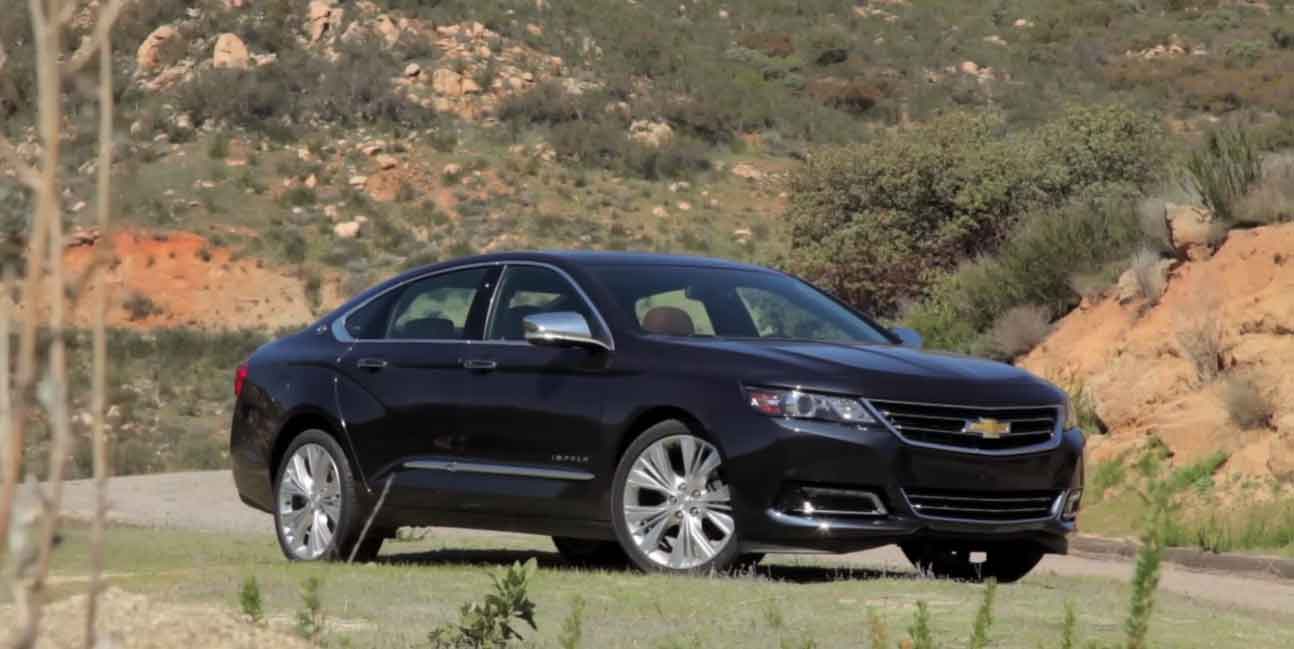
What Does “Service Traction Control” Mean on Your Chevy Impala?
The “Service Traction Control” warning on your Chevy Impala means your car’s computer has detected a problem. This problem affects how your vehicle maintains grip on the road.
Your traction control system helps prevent wheel spin. When it spots an issue, it turns on this warning light.
I’ve seen this warning dozens of times in my shop. Most drivers panic when they first see it. But don’t worry—I’ll walk you through everything you need to know.
How Does Traction Control Work in Your Impala?
Your Impala’s traction control system is pretty smart. It works with several other systems in your car.
Here’s what happens when everything works correctly:
Wheel speed sensors watch each tire. They send information to your car’s computer. The computer compares the speed of all four wheels.
If one wheel spins faster than the others, that’s a problem. It means that wheel is losing traction.
The system then reduces power to that wheel. Sometimes it applies the brakes to that specific wheel. This helps you maintain control.
From years under the hood, I’ve learned this system saves drivers from dangerous situations. It’s especially helpful on wet or icy roads.
Most Common Causes of the Service Traction Control Warning
Let me share the issues I see most often when this light comes on.
1. Faulty Wheel Speed Sensors
This is the number one cause in my experience. Wheel speed sensors get dirty or damaged easily.
These sensors sit near your wheels. They’re exposed to dirt, road salt, and debris. Over time, they fail.
When I service a car like this, I check these sensors first. A simple scan tool shows me which sensor isn’t working.
Replacement cost: Usually $100-$200 per sensor at my shop.
2. Bad Steering Angle Sensor
Your steering angle sensor tells the computer where your wheels are pointed. If it gives wrong information, the traction control gets confused.
This sensor can lose its calibration. It happens after wheel alignments or battery replacements sometimes.
I’ve reset dozens of these sensors. It’s a quick fix when caught early.
3. Low Brake Fluid
Your traction control shares components with your braking system. When brake fluid gets low, it triggers warnings.
Check your brake fluid reservoir under the hood. If it’s below the “MIN” line, you’ve found your problem.
But here’s the important part: brake fluid doesn’t just disappear. If it’s low, you probably have a leak. Get that checked right away.
4. Weak or Dead Battery
A weak battery causes all sorts of electrical problems. The traction control system needs proper voltage to work.
I’ve seen customers spend hundreds on repairs they didn’t need. The real problem was just a dying battery.
If your battery is more than four years old, test it first. Most auto parts stores do this for free.
5. Damaged Wiring or Connectors
Road debris can damage wires. Water can corrode connectors. These problems confuse your car’s computer.
In my shop, I use a wire tracer to find these issues. Sometimes a simple connector cleaning fixes everything.
6. Bad ABS Module
Your Anti-lock Braking System (ABS) works with traction control. If the ABS module fails, traction control stops working too.
This is a more expensive repair. ABS modules can cost $500-$1,000 or more.
The good news? This isn’t as common as the other issues I mentioned.
7. Problems with the Stabilitrak System
Many Impalas have Stabilitrak. This is GM’s electronic stability control system. When Stabilitrak has problems, you’ll see the traction control warning too.
These systems share sensors and modules. One problem often triggers multiple warning lights.
Warning Signs Beyond the Dashboard Light
When I service a car like this, I ask about other symptoms. These clues help me diagnose faster:
The ABS light is also on. This tells me the problem involves the braking system too.
Your speedometer acts weird. It might bounce around or stop working. This points to wheel speed sensor issues.
The car feels different when you brake. You might not feel the ABS pulsing anymore. This is serious—get it checked immediately.
Multiple warning lights appear together. When I see several lights at once, I check the battery and charging system first.
The warning light comes and goes. Intermittent problems usually mean loose connections or failing sensors.
How to Diagnose the Problem (Step-by-Step)
Let me show you how I approach this in my shop.
Step 1: Check for Other Warning Lights
Look at your dashboard carefully. Write down every warning light you see.
The combination of lights gives me important clues. For example, ABS plus traction control usually means a wheel speed sensor issue.
Step 2: Scan for Diagnostic Codes
You need an OBD-II scanner for this. I use my Autel MaxiCOM, but even a basic scanner helps.
Plug the scanner into the port under your dashboard. It’s usually near the driver’s left knee.
Read the codes. Common ones include:
- C0035-C0050: Wheel speed sensor codes
- C0196: Steering angle sensor problem
- C0550: Stabilitrak system issue
Write these codes down. They’re your roadmap to the problem.
Step 3: Inspect Wheel Speed Sensors
Pop off each wheel. Look at the sensor near the brake rotor.
Check for:
- Dirt and debris buildup
- Damaged wires
- Corroded connectors
- Physical damage to the sensor
From years under the hood, I can tell you cleaning these sensors fixes the problem about 30% of the time.
Step 4: Check Battery Voltage
Use a multimeter. Touch the positive and negative battery terminals.
You should see 12.4-12.7 volts with the engine off. With the engine running, you should see 13.7-14.7 volts.
Anything less means battery or charging problems.
Step 5: Test Drive the Vehicle
Sometimes problems only show up when driving. I take the car on different road surfaces.
I pay attention to:
- When the light comes on
- What speed I’m going
- Whether I’m turning or braking
- Road conditions
This information helps pinpoint the cause.
DIY Fixes You Can Try at Home
Some repairs are easy enough for anyone. Here’s what you can do yourself.
Clean Your Wheel Speed Sensors
This is my go-to first step. You’ll need:
- A jack and jack stands
- Basic hand tools
- Brake cleaner spray
- Wire brush
Remove each wheel. Find the speed sensor near the brake rotor. Spray it with brake cleaner. Use the wire brush gently on the sensor tip.
Reconnect everything and test drive. This simple fix works surprisingly often.
Check and Top Off Brake Fluid
Open your hood. Find the brake fluid reservoir. It’s usually on the driver’s side near the firewall.
Wipe the cap clean before opening it. Check the fluid level. Add DOT 3 brake fluid if needed.
Remember: if you’re adding fluid often, you have a leak. Get that fixed.
Reset the Steering Angle Sensor
Sometimes the sensor just needs recalibration. Here’s how:
- Turn the steering wheel completely left
- Then turn it completely right
- Center the steering wheel
- Turn the ignition off and on
This doesn’t always work, but it’s worth trying. Professional calibration uses a scan tool.
Check Battery Connections
Open your hood. Look at your battery terminals. Are they:
- Tight and secure?
- Free of white or blue corrosion?
- Clean and shiny?
If not, disconnect the battery (negative terminal first). Clean the terminals with a wire brush. Reconnect everything tightly.
When You Need a Professional Mechanic
Some problems require special tools and knowledge. You should visit a shop when:
Multiple diagnostic codes appear. Complex problems need professional diagnosis.
The light stays on after simple fixes. You’ve tried the basics. Time for expert help.
Your ABS feels different or doesn’t work. Brake safety isn’t something to mess with.
You see fluid leaks under the car. This could indicate serious brake system problems.
The repair requires specialty tools. Some sensors need calibration equipment I have in my shop.
In my experience, most people save money by coming to a pro sooner. DIY diagnosis that goes wrong gets expensive fast.
Repair Costs for Common Fixes
Let me give you realistic price ranges based on my shop’s rates.
Wheel speed sensor replacement: $100-$250 per sensor (parts and labor)
Steering angle sensor calibration: $50-$150 (if no parts needed)
ABS module replacement: $500-$1,200 (this varies a lot by year)
Brake fluid flush: $80-$120
Wiring repair: $150-$400 (depends on location and damage)
Battery replacement: $100-$200
Full diagnostic scan: $75-$150 (most shops)
These prices are averages for 2026. Your location affects the final cost. Dealer prices run higher than independent shops like mine.
Can You Drive with the Service Traction Control Warning?
This is the question everyone asks me. Here’s my honest answer:
For short distances at low speeds: Probably okay. Drive carefully.
In bad weather: Absolutely not. You need traction control on wet or icy roads.
At highway speeds: Not recommended. The stability control you’re missing matters at high speeds.
If other lights are on too: No. Especially if the ABS light is on—your brakes might not work correctly.
Your traction control system exists for safety. When I service a car like this, I tell people to fix it quickly.
You can drive to a repair shop carefully. But don’t ignore this warning for weeks or months.
How to Prevent Future Traction Control Problems
From years under the hood, I’ve learned prevention saves money. Here’s what works:
Keep Your Wheels and Sensors Clean
Road salt and grime cause most sensor problems. Spray off your wheel wells regularly, especially in winter.
I recommend cleaning them every time you wash your car.
Maintain Your Battery
Test your battery every year. Replace it before it dies. This prevents so many electrical problems.
Most batteries last 4-5 years. Don’t push your luck beyond that.
Get Regular Brake System Service
Flush your brake fluid every 3 years. This keeps everything working smoothly.
Old brake fluid absorbs moisture. That causes corrosion and sensor problems.
Fix Small Problems Quickly
That tiny wheel bearing noise? It can damage your speed sensor. That small brake fluid leak? It’ll trigger your traction control warning.
In my shop, I see expensive repairs that started as small issues. Catch problems early.
Use Quality Replacement Parts
Cheap sensors fail fast. I learned this the hard way years ago. Now I only install quality parts.
You might save $30 on a cheap sensor. Then you’ll pay me again in six months to replace it.
Chevy Impala Year-Specific Issues
Different model years have different common problems. Let me share what I’ve seen:
2006-2013 Impalas
These models have frequent wheel speed sensor failures. The front sensors especially.
The wiring harnesses also corrode in these years. Check your connectors regularly.
2014-2016 Impalas
Stabilitrak sensor issues are common. The steering angle sensor loses calibration easily.
Battery voltage problems trigger multiple warnings in these years.
2017-2020 Impalas
These are generally more reliable. But they still get the standard sensor problems.
The ABS modules in these years are more expensive to replace.
Related Warning Lights You Might See
When I diagnose traction control problems, these lights often appear together:
ABS Warning Light: Your anti-lock brakes share components with traction control. These lights usually come on together.
Stabilitrak Light: This is GM’s stability control. It’s connected to your traction control system.
Check Engine Light: Sometimes appears with traction control warnings. This usually means multiple systems are affected.
Brake Warning Light: This is serious. It means your basic braking system has a problem. Get this checked immediately.
Multiple warning lights tell me the problem is bigger. But don’t panic—it might still be something simple like a bad battery.
Tools You Need for Diagnosis
If you want to diagnose this yourself, here’s what helps:
OBD-II Scanner: Get one that reads ABS codes. Basic scanners miss important information. I recommend spending $50-100 for a decent one.
Multimeter: For testing battery voltage and sensor signals. A simple $20 multimeter works fine.
Jack and Jack Stands: You need to remove wheels safely. Never work under a car supported only by a jack.
Basic Hand Tools: Socket set and screwdrivers for removing wheels and sensors.
Brake Cleaner: For cleaning sensors. Don’t use other cleaners—they leave residue.
Professional diagnosis uses fancier equipment. But these basic tools handle most DIY checks.
Frequently Asked Questions
Will the warning light reset itself?
Sometimes, yes. If the problem was temporary, the light might go off after a few drive cycles.
But in my shop, I see the light come back if the real problem isn’t fixed. Don’t just ignore it because it went off.
Does traction control affect my gas mileage?
Not directly. But if the system isn’t working right, you might spin your wheels more. That wastes gas.
Fix the problem—it’s worth it.
Can I turn off traction control permanently?
Most Impalas have a button to disable it temporarily. But you shouldn’t drive this way regularly.
If you’re trying to turn it off because the warning light annoys you—just fix the problem instead.
Is this problem covered by warranty?
It depends on your warranty coverage and mileage. GM’s basic warranty is 3 years/36,000 miles.
The powertrain warranty is 5 years/60,000 miles, but it doesn’t usually cover these components.
Check your specific warranty paperwork. Some extended warranties cover these repairs.
Can bad tires cause this warning?
Yes, actually. Significantly different tire sizes confuse the wheel speed sensors.
If you replaced one tire and didn’t match the others, that might be your problem. All four tires should be the same size and similar wear.
Final Thoughts from a Mechanic
I’ve worked on hundreds of Impalas with this warning. Here’s what I want you to remember:
Don’t panic when you see this light. It’s usually something fixable and affordable.
Start with the simple stuff—check your battery and clean your sensors. These fixes work more often than you’d think.
Use a scanner to read the codes. This saves time and money by pointing you in the right direction.
Don’t ignore this warning long-term. Your traction control keeps you safe. Fix it before you need it in bad weather.
When you’re not sure, get professional help. Guessing at repairs wastes money. A proper diagnosis saves you cash in the long run.
In my shop, most traction control warnings get fixed for under $300. That includes diagnosis and repair. It’s not as scary as it seems.
Keep your Impala maintained. Regular service prevents most of these problems. Clean wheel wells, fresh brake fluid, and a good battery go a long way.
Stay safe out there. Your traction control system is trying to protect you. When it asks for service, listen to it.
This guide reflects common repair experiences as of 2026. Your specific situation may vary. Always consult a qualified mechanic for diagnosis and repair of safety-related systems.