
Monday to Saturday - 9:00 am -18:00 pm

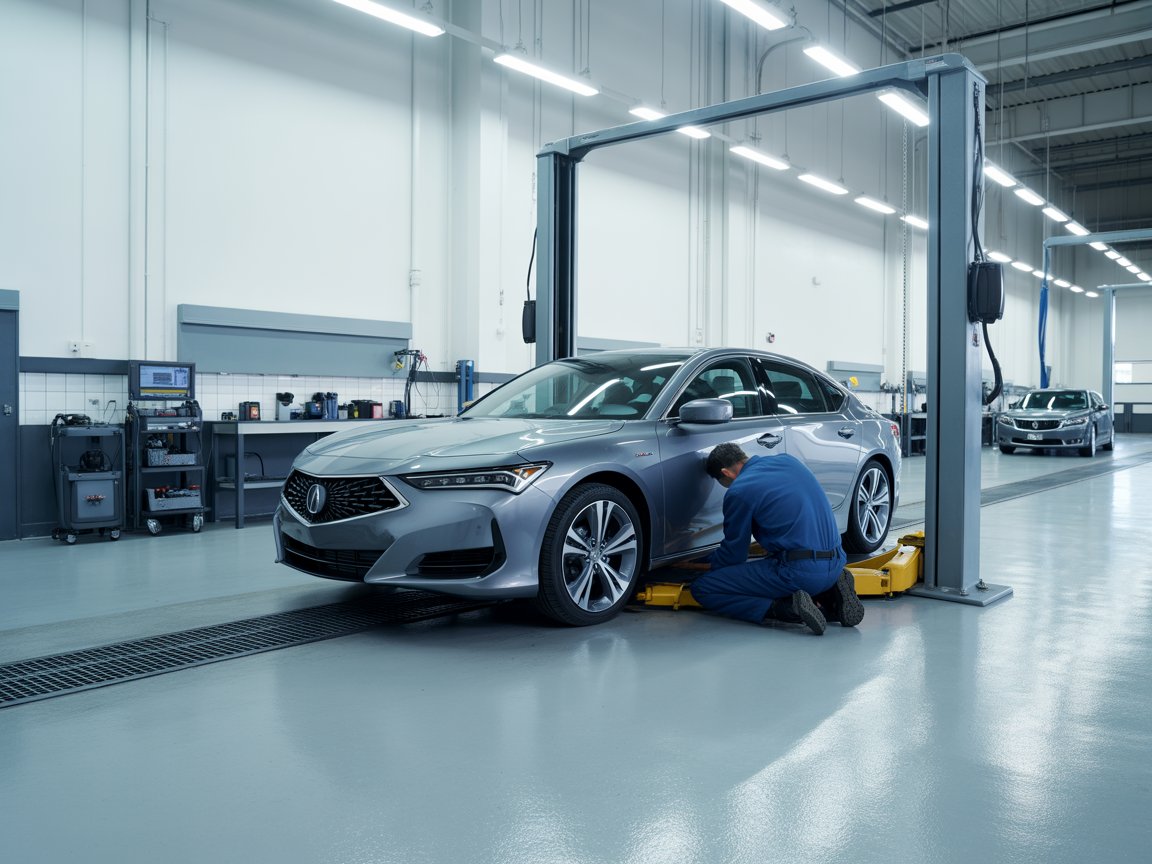
When your Acura dashboard shows the A16 code, it’s time for service. This isn’t just a random alert. Your car is telling you it needs specific maintenance tasks done.
Skipping this service can hurt your vehicle. You might face expensive repairs later. In my shop, I’ve seen cars suffer serious damage from ignored maintenance codes.
This guide covers everything about the A16 service. You’ll learn what it means, what work gets done, and how much it costs. I’ll also share tips from my years working on Acuras.
Understanding the A16 Service Code
The A16 code breaks down into three separate tasks. Each letter and number means something specific.
Here’s what each part tells you:
A = Your engine oil needs changing 1 = Time to rotate your tires 6 = Rear differential fluid requires replacement
Think of it as your car’s shopping list. Each item is important. Together, they keep your Acura running strong.
From my experience, this combination usually appears on all-wheel-drive models. The rear differential part is crucial for these vehicles.
When Your Acura Triggers the A16 Alert
Your Acura uses a smart system called Maintenance Minder. It doesn’t just count miles. It watches how you drive.
The A16 code typically appears at these intervals:
- Around 30,000 to 45,000 miles
- Based on your driving style
- Depending on road conditions
- After a certain time period
In my shop, I see this code show up earlier for some drivers. If you tow trailers, the alert comes sooner. City driving with lots of stops also triggers it faster.
Extreme weather affects it too. Hot summers and cold winters stress your fluids more.
Complete A16 Service Checklist
Let me walk you through each service task. I’ll explain why each one matters.
Task #1: Engine Oil and Filter Change (Code A)
Fresh oil is your engine’s lifeblood. Old oil turns thick and dirty. It can’t protect your engine properly.
What happens during an oil change:
- Drain all old oil from the engine
- Replace the oil filter
- Add fresh synthetic oil
- Check oil level
Oil specifications I use:
- Type: Synthetic 0W-20
- Typical interval: 7,500 to 10,000 miles
- Service time: 30 to 45 minutes
Dirty oil causes major problems. Your engine overheats. Fuel economy drops. Internal parts wear out faster.
I’ve seen engines fail completely from skipped oil changes. Don’t let that happen to yours.
Task #2: Tire Rotation (Code 1)
Tires don’t wear evenly. Front tires wear differently than rear ones. Rotation fixes this problem.
The rotation process:
- Lift your vehicle safely
- Remove all four tires
- Move them to different positions
- Torque lug nuts properly
Rotation details:
- Pattern: Depends on your drive type
- Frequency: Every 6,000 to 8,000 miles
- Time needed: About 30 minutes
When I rotate tires, I also check tread depth. Uneven wear tells me about other problems. Maybe your alignment is off. Perhaps tire pressure was wrong.
Skipping rotations costs you money. You’ll buy new tires much sooner.
Task #3: Rear Differential Fluid Service (Code 6)
This service is critical for AWD Acuras. Your differential has gears inside. They need special fluid to work right.
Why differential fluid matters: The fluid keeps gears cool. It reduces friction between metal parts. Without it, gears grind together.
Service specifications:
- Fluid type: Acura Dual Pump II Fluid
- Typical interval: 30,000 to 45,000 miles
- Service duration: 45 to 60 minutes
What I do during this service:
- Drain old differential fluid
- Inspect for metal shavings
- Clean the fill area
- Add fresh fluid to proper level
In my years under the hood, I’ve replaced failed differentials. They cost thousands to fix. Regular fluid changes prevent this nightmare.
Detailed Look at A16 Service Components
Let me explain what actually happens during your A16 appointment.
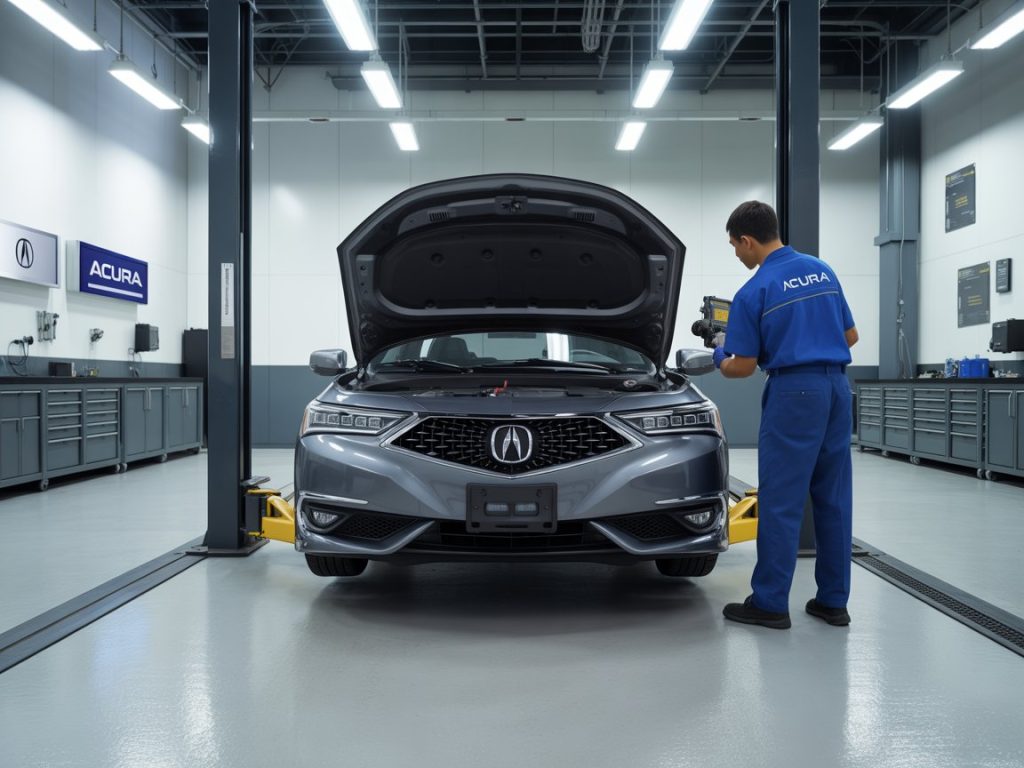
Oil Service Deep Dive
The oil change seems simple. But proper technique matters.
First, I warm up the engine slightly. Warm oil drains better. Then I position the drain pan carefully. Old oil goes into recycling containers.
The oil filter holds dirty oil too. I always replace it. Using the old filter with new oil defeats the purpose.
After draining, I install a new filter. Then I pour in fresh synthetic oil. Finally, I run the engine and check for leaks.
Clean oil makes your engine happy. It flows smoothly through all passages. Parts stay lubricated and protected.
Tire Rotation Explained
Tire rotation follows specific patterns. The pattern depends on your drivetrain.
For front-wheel-drive Acuras, I use a forward cross pattern. Front tires move straight back. Rear tires cross to the front.
All-wheel-drive models need different treatment. I typically use an X-pattern or side-to-side rotation.
While tires are off, I inspect everything. I check brake pads. I look at rotors. I examine suspension parts.
This extra inspection catches problems early. You might need brake work soon. Better to know now than during an emergency stop.
Differential Service Process
The rear differential sits under your vehicle. It’s part of the drivetrain system.
Inside are ring and pinion gears. They transfer power to your wheels. These gears spin thousands of times per mile.
Differential fluid breaks down over time. Metal particles contaminate it. Heat degrades its properties.
When I service a differential, I inspect the old fluid carefully. Shiny metal flakes are normal. Large chunks mean trouble. Burnt smell indicates overheating.
After draining, I add fresh fluid through the fill hole. The correct amount is crucial. Too little causes damage. Too much creates pressure problems.
Final Touches
After mechanical work finishes, your car gets cleaned.
Most dealerships include a complimentary wash. They vacuum the interior too. It’s a nice finishing touch.
You leave with a car that runs great and looks clean. This attention to detail separates good service from great service.
Cost Estimates for A16 Maintenance
Let me break down typical costs. Prices vary by location and shop type.
Service pricing breakdown:
| Service Component | Price Range |
|---|---|
| Engine Oil & Filter | $70 – $120 |
| Tire Rotation | $25 – $50 |
| Rear Differential Fluid | $80 – $140 |
| Total Cost | $175 – $310 |
Several factors affect your final bill:
- Your geographic location
- Dealership vs independent shop
- Local labor rates
- Fluid quality and brand
- Any additional findings during inspection
In my shop, I charge toward the lower end. Dealerships typically cost more. But they use factory-trained technicians and OEM parts.
Synthetic oil costs more than conventional. But it lasts longer and protects better. For Acuras, synthetic is required.
Which Acura Vehicles Need A16 Service
Not all Acuras show the A16 code. It’s most common on certain models.
Models that frequently display A16:
- Acura RDX (especially AWD versions)
- Acura MDX (all AWD models)
- Acura TLX with SH-AWD
- Acura ILX
- Acura RLX
The key factor is all-wheel-drive. These vehicles have rear differentials. Front-wheel-drive models might see different codes.
AWD systems work harder. They distribute power to all wheels. This creates more stress on differential components.
Service Intervals and Scheduling
How often should you complete A16 service? The answer isn’t simple.
Factors affecting service timing:
Your Maintenance Minder system considers many variables. It’s smarter than a simple mileage counter.
Climate impact:
- Extreme heat stresses fluids faster
- Cold weather makes fluids work harder
- Temperature swings accelerate degradation
Driving patterns matter:
- Aggressive acceleration wears components
- Heavy braking affects systems
- Towing adds significant stress
- Stop-and-go traffic is harder than highway
Terrain considerations:
- Mountain driving stresses drivetrain
- Off-road use accelerates wear
- Smooth highway miles are easiest
Most owners see A16 around 30,000 to 45,000 miles. But your actual interval might differ.
I always tell customers: Trust the Maintenance Minder. It knows your car better than guessing.
DIY vs Professional Service
Can you do A16 service yourself? Maybe. It depends on your skills.
Let me compare each task:
Oil Change – Beginner Friendly
Difficulty level: Easy Tools needed:
- Floor jack and jack stands
- Socket set
- Oil drain pan
- Funnel
Time required: 30-45 minutes
Most people can handle oil changes. Just follow safety procedures. Never work under a car on a jack alone. Use jack stands always.
Tire Rotation – Moderate Skill
Difficulty level: Moderate Tools needed:
- Jack and jack stands
- Lug wrench or impact gun
- Torque wrench (important!)
Time required: 30-45 minutes
Tire rotation requires more care. Lug nuts need proper torque. Too loose and wheels fall off. Too tight and studs break.
I recommend using a torque wrench. It ensures correct tightness. Your owner’s manual lists the proper specification.
Differential Service – Advanced Only
Difficulty level: Advanced Special tools needed:
- Fluid pump or syringe
- Hex or Allen wrenches
- Catch pan
- Proper jack points knowledge
Time required: 60-90 minutes for beginners
This job is tricky. The fill plug is hard to reach. You need the right fluid. The fill level must be exact.
In my shop, I use a special pump. It pushes fluid upward into the differential. Without this tool, the job becomes very difficult.
Should You DIY?
Benefits of doing it yourself:
- Save on labor costs
- Learn about your vehicle
- Satisfaction of completion
- Flexibility in scheduling
Risks to consider:
- Warranty concerns with aftermarket parts
- Wrong fluid types damage components
- Improper procedures cause problems
- Disposal of old fluids
- Safety hazards without proper equipment
My recommendation: DIY the oil change if you’re comfortable. Let professionals handle the differential service.
Dealership vs Independent Mechanic
Where should you get A16 service done? Both options have advantages.
Dealership Service
Advantages:
- Factory-trained technicians
- OEM parts guaranteed
- Warranty protection maintained
- Specialized Acura tools
- Service records in Acura system
Disadvantages:
- Higher labor rates
- More expensive parts
- Longer wait times sometimes
- Less personal service
Cost: Usually $250-$310
Independent Shop Service
Advantages:
- Lower labor costs
- Faster appointments often
- More personal attention
- Competitive pricing
- Established relationships
Disadvantages:
- Technician expertise varies
- May use aftermarket fluids
- Equipment might not be Acura-specific
- Warranty questions possible
Cost: Usually $175-$250
From my experience running an independent shop, we can deliver quality work. We invest in proper training. We use quality fluids and parts.
But verify your shop’s reputation. Read reviews. Ask about their experience with Acuras. Make sure they use the correct differential fluid.
For warranty-covered vehicles, dealerships are safer. Once your warranty expires, a trusted independent shop works great.
Expert Tips to Maintain Your Acura
Want to extend time between services? Follow these tips from my years in the shop.
Oil Care Tips
Use quality synthetic oil: Don’t cheap out. Premium oil protects better and lasts longer.
Check oil level monthly: Takes two minutes. Prevents major problems. Low oil causes massive engine damage.
Watch for leaks: Check your parking spot. Oil spots mean trouble. Address leaks immediately.
Tire Maintenance
Check pressure weekly: Proper inflation matters. It affects wear patterns and fuel economy.
Inspect tread depth: Use a penny test. Insert penny into tread. If you see Lincoln’s full head, tires are worn.
Watch alignment: If your car pulls to one side, get alignment checked. Bad alignment eats tires fast.
Differential Care
Inspect for leaks regularly: Look under your vehicle. Differential fluid is thick and dark. Leaks appear around seals.
Listen for noises: Whining or grinding from the rear means problems. Don’t ignore differential sounds.
Avoid aggressive driving in AWD mode: Hard acceleration stresses the differential. Drive smoothly when possible.
General Driving Habits
Warm up before hard driving: Let fluids circulate. Cold fluids don’t protect well.
Avoid rapid acceleration: Especially when cold. Give your car time to warm up.
Don’t overload your vehicle: Excess weight stresses everything. Follow maximum load recommendations.
Service on time: Don’t delay when the Maintenance Minder alerts you. Small maintenance prevents big repairs.
What Happens When You Skip A16 Service
Ignoring the A16 code costs you eventually. Let me explain the consequences.
Skipped Oil Changes Lead To:
Sludge buildup: Old oil turns to sludge. It clogs passages. Engine parts don’t get lubricated.
Overheating: Without proper oil flow, friction creates excessive heat. Engines overheat and seize.
Catastrophic failure: I’ve seen engines destroyed from skipped oil changes. Repairs cost $5,000 to $10,000.
Voided warranty: Skip maintenance and your warranty might be invalid. Acura won’t cover damage from neglect.
Ignored Tire Rotation Results In:
Uneven wear patterns: Tires develop bald spots. Handling becomes unpredictable.
Reduced traction: Especially dangerous in rain or snow. Bald tires hydroplane easily.
Premature replacement: Instead of 50,000 miles, you might get 30,000. That’s expensive.
Blowouts: Severely worn tires can fail. Blowouts cause accidents.
Neglected Differential Service Causes:
This is where costs really add up.
Gear damage: Without fresh fluid, gears wear rapidly. Metal particles circulate and cause more damage.
Noise and vibration: You’ll hear whining, grinding, or clunking. These sounds mean expensive problems.
Complete differential failure: When gears fail completely, you’re stranded. The differential must be rebuilt or replaced.
Repair costs: Differential replacement runs $2,000 to $4,000. Plus towing. Plus rental car.
In my shop, I’ve seen differentials fail from neglect. One customer ignored the A16 for 20,000 miles. The differential eventually locked up on the highway. Total repair: $3,500.
Compare that to $175-$310 for regular service. The choice is obvious.
Other Consequences:
Poor fuel economy: Dirty oil and worn tires increase fuel consumption.
Reduced resale value: No maintenance records hurt resale. Buyers avoid neglected vehicles.
Failed inspections: Some states check maintenance records. Neglected vehicles might fail.
Safety hazards: Worn components compromise safety. Your family’s safety isn’t worth the risk.
Final Thoughts from a Mechanic
The A16 service code isn’t optional. It’s Acura’s way of protecting your investment.
Think of it like this: Your car is a complex machine. It needs regular care. Ignoring maintenance is like never changing your home’s air filters. Eventually, the system fails.
From years under the hood, I’ve learned this truth: Regular maintenance is always cheaper than repairs.
Key Takeaways:
Don’t delay: Schedule service when the code appears. Waiting makes problems worse.
Use quality parts: OEM or equivalent quality matters. Cheap parts fail faster.
Keep records: Document all service. It helps with warranty claims and resale value.
Trust the system: The Maintenance Minder knows your car. Follow its recommendations.
Find a good shop: Whether dealership or independent, find technicians you trust.
Long-Term Benefits:
Following the A16 schedule provides real benefits:
- Your Acura lasts longer
- Resale value stays higher
- Repair costs stay lower
- Performance remains optimal
- Safety is maximized
- Warranty stays valid
I’ve seen Acuras run for 200,000 miles with proper maintenance. I’ve also seen them fail at 80,000 from neglect.
The difference? Following service codes like A16.
Take Action Today
If your Acura shows the A16 code, schedule service now. Don’t wait for next week or next month.
Call your trusted mechanic. Book an appointment. Get the work done.
Your Acura will reward you with years of reliable service. That’s a promise from someone who’s worked on thousands of these vehicles.
Drive safe. Maintain regularly. Enjoy your Acura for many miles to come.