
Monday to Saturday - 9:00 am -18:00 pm

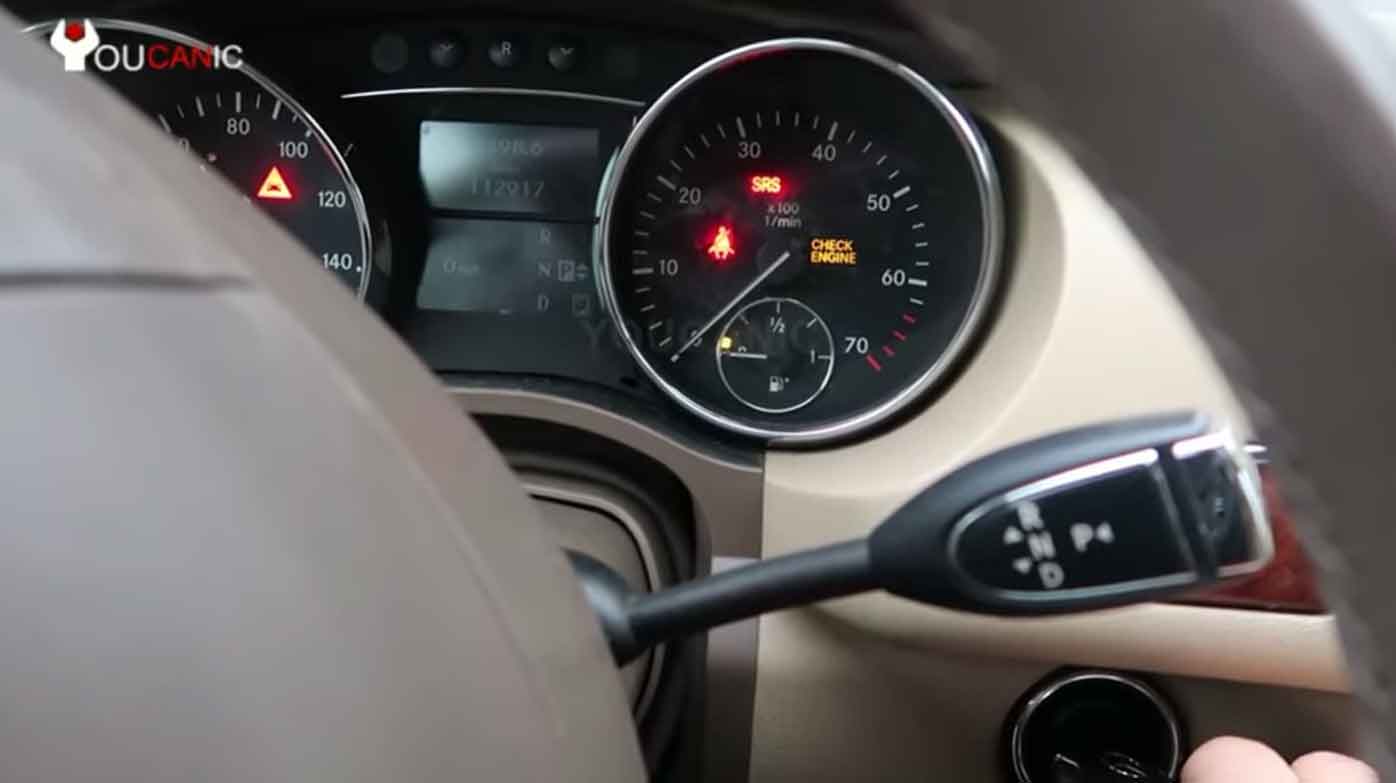
Nobody wants to turn their key and hear that dreaded clicking sound. A weak battery can ruin your morning fast. From my years working in the shop, I’ve helped hundreds of drivers get back on the road after battery troubles.
This guide shares real-world tips to start your car when the battery is low. You’ll learn what causes the problem and how to fix it quickly.
At A Glance
Dead batteries happen to everyone. Learning simple tricks can save you time and money. This article covers warning signs, common causes, and proven starting methods. You’ll also get tips to prevent future problems.
Let’s get your engine cranking again!
Warning Signs Your Battery Is Dying
Your car talks to you through small signals. Pay attention to these clues. In my shop, customers often miss these early warnings:
Slow engine crank – The starter sounds weak or sluggish.
Dim lights – Your headlights look yellow instead of bright white.
Dashboard warnings – The battery light stays on while driving.
Clicking sounds – You hear rapid clicks when turning the key.
Electrical issues – Power windows move slowly or radio cuts out.
Old age – Most batteries fail after 3 to 5 years.
When I service a car with these symptoms, I always test the battery first. Catching problems early prevents breakdowns.
Why Car Batteries Lose Power
Understanding the cause helps prevent repeat problems. Here are the main reasons batteries die:
Lights Left On
This happens more than you think. Interior dome lights drain batteries overnight. Even a small glove box light can kill your battery in 8 hours.
Weak Charging System
Your alternator recharges the battery while driving. When it fails, the battery slowly dies. From years under the hood, I’ve seen bad alternators disguise themselves as bad batteries.
Extreme Weather
Cold winters slow chemical reactions inside batteries. Hot summers cook the internal components. Both conditions shorten battery life.
Parasitic Drains
Modern cars have computers that draw small amounts of power. Sometimes a faulty module keeps drawing power after you park. I once found a trunk light staying on that drained a battery weekly.
Corroded Connections
White or green crud on battery terminals blocks electricity flow. This crusty buildup acts like a roadblock for power.
Short Trips Only
Batteries need 20-30 minutes of driving to fully recharge. Daily short trips never give the battery enough time to recover.
3 Proven Methods To Start Your Car
When your battery dies, you have options. These methods work in real-world situations.
Method 1: Using A Portable Jump Starter
Jump starters are lifesavers. I keep one in every shop vehicle. Here’s the correct way to use one:
Step 1 – Turn off everything in your car.
Step 2 – Connect the red clamp to your battery’s positive post. Look for the plus sign (+).
Step 3 – Attach the black clamp to a metal part of your engine. The alternator bracket works great.
Step 4 – Turn on the jump starter and wait 30 seconds.
Step 5 – Try starting your car. If it doesn’t work, wait 2 minutes and try again.
Step 6 – Once started, remove black clamp first, then red.
Step 7 – Let your car run for 20 minutes to recharge.
Jump starters cost $50-$150. They’re worth every penny for emergencies.
Method 2: Jump Starting From Another Vehicle
This classic method works when someone can help you. Safety comes first with jumper cables.
Step 1 – Park the helper car nose-to-nose with yours. Keep cars 18 inches apart.
Step 2 – Turn off both vehicles completely.
Step 3 – Connect red cable to your dead battery’s positive terminal.
Step 4 – Connect the other red cable end to the helper battery’s positive terminal.
Step 5 – Attach black cable to helper battery’s negative terminal.
Step 6 – Connect the final black cable to bare metal on your engine block. Don’t attach it to your dead battery.
Step 7 – Start the helper car and let it run 3-4 minutes.
Step 8 – Try starting your car. It should fire right up.
Step 9 – Remove cables in reverse order. Black from your engine first.
Step 10 – Drive for 30 minutes minimum to recharge your battery.
When I teach new mechanics this skill, I stress the importance of proper cable order. Sparks can cause explosions if done wrong.
Method 3: Push Starting (Stick Shift Only)
This old-school trick only works on manual transmissions. You need helpers and a slight downhill if possible.
Step 1 – Turn your ignition to the ON position.
Step 2 – Press the clutch pedal all the way down.
Step 3 – Put the car in second gear.
Step 4 – Have friends push your car to walking speed.
Step 5 – Quickly release the clutch pedal.
Step 6 – The engine should jolt and start running.
Step 7 – Press the clutch again and give it gas.
This method can damage your transmission if done incorrectly. I only recommend it for emergencies.
Smart Tips To Prevent Battery Problems
Prevention beats repair every time. These habits keep batteries healthy longer:
Test Your Battery Twice Yearly
Most auto parts stores test batteries for free. I recommend testing in spring and fall. A simple test shows battery health before it fails.
Clean Battery Terminals Monthly
Baking soda and water remove corrosion easily. Use an old toothbrush to scrub the terminals. Rinse with clean water and dry completely. This 5-minute job prevents many starting problems.
Drive Your Car Regularly
Cars need weekly drives of 20+ minutes. This keeps the battery charged and healthy. If you can’t drive it, use a battery maintainer.
Turn Off Accessories Before Shutting Down
Make it a habit to turn off lights, radio, and AC before turning off the engine. This reduces strain on the battery.
Check Belt Tension
Your serpentine belt drives the alternator. A loose belt can’t charge the battery properly. In my experience, many “bad batteries” were actually loose belt problems.
Use A Battery Tender For Long Storage
Going on vacation for two weeks? Plug in a battery tender. These smart chargers maintain perfect charge levels without overcharging.
Avoid Repeated Short Starts
Stop-and-go traffic drains batteries faster than highway driving. If possible, combine errands into one longer trip.
Inspect For Parasitic Draws
If your battery dies overnight repeatedly, something is draining it. A mechanic can use a multimeter to find the culprit. I’ve found faulty aftermarket alarms, bad alternators, and even defective phones causing drains.
When To Replace Your Battery
Sometimes you can’t save an old battery. Replace it when:
- It’s over 5 years old
- It won’t hold a charge after jump starting
- The case is swollen or cracked
- You see battery acid leaking
- Load tests show less than 50% capacity
Don’t cheap out on batteries. Quality batteries from trusted brands last longer. I’ve seen $50 batteries fail in 2 years while $120 batteries run for 6 years.
Conclusion
Starting a car with a low battery doesn’t have to be stressful. Keep jumper cables or a jump starter in your trunk. Learn the proper connection order for safety.
Regular maintenance prevents most battery problems. Clean terminals, test twice yearly, and drive regularly. These simple habits extend battery life significantly.
From my time in the shop, I’ve learned that prepared drivers rarely get stranded. A little knowledge goes a long way. Now you have the skills to handle battery problems confidently.
Stay safe out there and keep those batteries charged!
Frequently Asked Questions
1. How long does it take to recharge a dead car battery?
After jump starting, drive for at least 30 minutes. Highway driving works better than city traffic. The alternator charges fastest at higher RPMs. A completely dead battery may need 2-3 hours of driving to fully charge.
For best results, I recommend using a wall charger overnight. This gives a complete, slow charge that’s healthier for the battery.
2. Can a dead battery damage other car parts?
Yes, a weak battery strains your alternator and starter motor. These parts work harder to compensate for low voltage. Repeatedly trying to start with a dead battery can overheat the starter.
In my shop, I’ve replaced many starters that failed because owners ignored battery warnings. Fix battery problems quickly to protect other components.
3. Why does my battery die overnight?
Something is drawing power while parked. Common culprits include interior lights, alarm systems, or faulty modules. A healthy battery shouldn’t die overnight unless it’s very old.
I use a multimeter to measure parasitic draw. Anything over 50 milliamps suggests a problem. Finding the exact cause requires testing fuses one by one.
4. Is it safe to jump start a newer car?
Modern cars have sensitive electronics. Jump starting is generally safe if done correctly. Always follow the proper cable connection order. Never let clamps touch each other.
Some luxury cars require special procedures. Check your owner’s manual first. When in doubt, call a professional to avoid damaging expensive computers.
5. How do I know if my alternator is bad?
Your battery keeps dying even after replacement. Warning lights stay on while driving. Headlights dim when you rev the engine. Electrical accessories work poorly.
A simple test: Start your car and disconnect the battery. If the engine dies immediately, your alternator isn’t working. Note: Don’t try this on newer cars with complex electronics.
6. Can I use any battery in my car?
No, batteries come in different sizes and power ratings. Check your owner’s manual for specifications. You need the correct group size to fit properly.
Also match or exceed the Cold Cranking Amps (CCA) rating. I’ve seen people install batteries that were too small, causing repeated starting problems.
7. What’s the white stuff on my battery terminals?
That’s corrosion from battery acid fumes. It blocks electrical flow and causes starting problems. Clean it immediately with baking soda solution.
Mix one tablespoon of baking soda in a cup of water. Pour over terminals and scrub with a wire brush. Rinse with clean water and dry completely. Apply petroleum jelly to prevent future corrosion.
8. Should I warm up my car in winter?
Modern cars don’t need long warm-up periods. 30 seconds is enough for oil circulation. However, cold weather does reduce battery power by 30-50%.
If your battery struggles in winter, it’s probably weak. Test it before cold weather arrives. Replace marginal batteries to avoid winter breakdowns.