
Monday to Saturday - 9:00 am -18:00 pm

Introduction
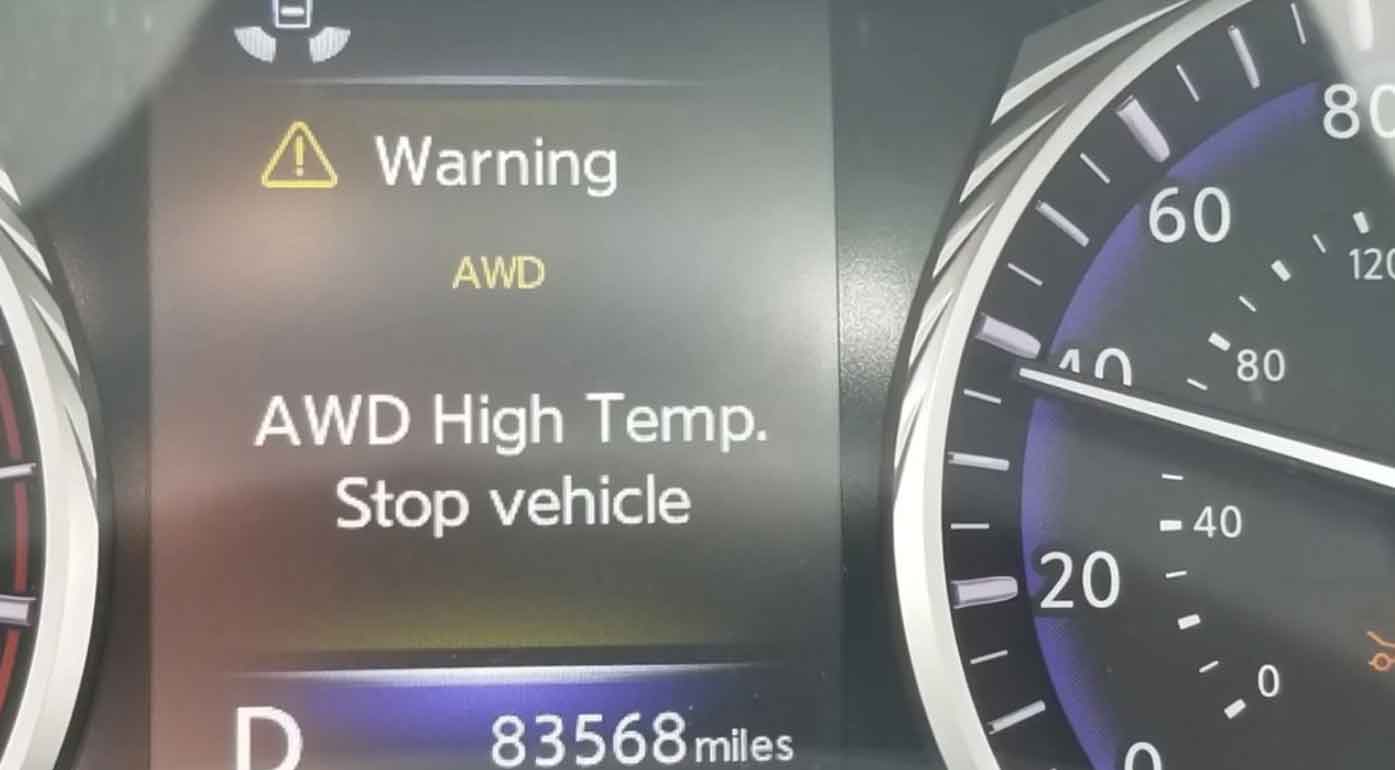
Have you ever seen a warning light flash on your dashboard that made your heart skip a beat? The “AWD High Temp Stop Vehicle” alert is one of those messages that can really scare drivers. I’ve seen this warning dozens of times in my shop over the years. It’s not something you should ignore.
This alert means your all-wheel-drive system is getting too hot. When you see it, you need to pull over safely and let your vehicle cool down. In this guide, I’ll walk you through everything you need to know about this warning. You’ll learn what causes it, how to fix it, and how to prevent it from happening again.
What Does the AWD High Temp Stop Vehicle Alert Mean?
Let me break this down in simple terms. Your AWD system works hard to send power to all four wheels. When it works, it creates heat. That’s normal. But sometimes, things get too hot.
The AWD high temp alert is your car’s way of saying “I need a break!” The computer inside your vehicle monitors the temperature constantly. When the AWD components reach unsafe levels, it triggers this warning.
Why Your Vehicle Shows This Warning
From years under the hood, I’ve found several common reasons for this alert:
Overworking the System
Your AWD system wasn’t designed to run at full capacity all the time. When you drive in certain conditions, it works extra hard. Towing heavy loads puts major stress on the system. Driving up steep hills for long periods does the same thing. Off-road driving with lots of wheel spin generates serious heat.
Low or Dirty Fluid
The AWD system uses special fluid to stay cool and work smoothly. Think of it like the oil in your engine. When this fluid gets low, there’s not enough to keep things cool. Dirty fluid can’t do its job either. I always check the fluid level and condition when someone brings in a vehicle with this alert.
Mechanical Problems
Sometimes, parts inside the AWD system wear out or break. A failing transfer case can cause overheating. Bad bearings create extra friction and heat. Clogged cooling passages prevent proper heat removal. These issues need professional attention right away.
Hot Weather Driving
Summer heat makes everything worse. When I service a car during July or August, I often find AWD problems. The outside temperature adds to the heat your system already produces. Long highway drives in 95-degree weather can push your AWD over the edge.
What Should You Do When the Alert Appears?
Here’s exactly what I tell my customers to do when they see this warning:
Step 1: Pull Over Safely
Don’t panic, but don’t ignore it either. Turn on your hazard lights. Find a safe spot to pull off the road. A parking lot or wide shoulder works best. Never stop in the middle of traffic.
Step 2: Put the Vehicle in Park
Once you’re safely stopped, shift into park. Turn off the engine completely. This stops generating more heat immediately. I’ve seen people keep the engine running, thinking it helps. It doesn’t. Shut it off.
Step 3: Let Everything Cool Down
Now comes the hard part – waiting. Your AWD system needs at least 20 to 30 minutes to cool down properly. I know that seems like forever when you’re stuck on the roadside. But rushing this step can cause permanent damage.
Don’t open the hood right away. The components under there are extremely hot. You could burn yourself badly. Wait at least 10 minutes before checking anything under the hood.
Step 4: Check for Obvious Problems
After things cool down a bit, pop the hood carefully. Look for any fluid leaks under the vehicle. Check if anything looks broken or damaged. In my shop, I use an infrared thermometer to check exact temperatures. You probably don’t have one, but you can carefully feel near (not touching) components to sense excessive heat.
Step 5: Restart and Monitor
If you don’t see any leaks or damage, try starting the vehicle. The alert should be gone now. Drive slowly and carefully to the nearest repair shop. Keep watching your dashboard for any warning lights.
If the alert comes back on immediately, don’t keep driving. Call for a tow truck. Continuing to drive with this warning can destroy your AWD system. That’s a repair bill nobody wants to see.
Common Causes and Solutions
Let me share the most frequent problems I fix when customers come in with this alert:
Fluid Issues
The Problem: Low or contaminated AWD fluid causes at least 40% of the cases I see. The fluid breaks down over time. It gets dirty from normal wear. Sometimes there’s a slow leak you didn’t notice.
The Solution: I drain the old fluid completely. Then I refill it with fresh, manufacturer-recommended fluid. For most vehicles, this takes about 2 to 3 quarts. I always use the exact type specified in your owner’s manual. Using the wrong fluid can make things worse.
Towing Beyond Capacity
The Problem: I can’t count how many times someone towed a trailer that was too heavy. They’ll say “But I only went 20 miles!” Distance doesn’t matter when you’re overloaded. The AWD system screams for help the whole way.
The Solution: Check your vehicle’s towing capacity in the owner’s manual. Never exceed it. If you need to tow heavy loads regularly, consider a truck designed for that work. Your AWD crossover isn’t built for moving furniture across town every weekend.
Transfer Case Failure
The Problem: The transfer case splits power between front and rear wheels. When it starts failing, friction increases dramatically. This creates tons of heat. From years under the hood, I can often hear a bad transfer case before the warning light appears. It makes a grinding or whining noise.
The Solution: Unfortunately, transfer case repairs aren’t cheap. Sometimes I can replace just the bad bearings or seals. Other times, the whole unit needs replacement. This repair typically runs between $1,500 and $3,500 depending on your vehicle.
Clogged Cooler
The Problem: Many AWD systems have a small cooler to help manage heat. It looks like a tiny radiator. This cooler gets clogged with dirt and debris over time. I’ve pulled coolers that were completely blocked with mud after off-roading.
The Solution: I remove the cooler and clean it thoroughly. Sometimes I use a pressure washer on low setting. Other times, I replace it if the damage is too severe. A new cooler usually costs $200 to $400 with installation.
Preventing the AWD High Temp Alert
Prevention is always better than repair. Here’s what I recommend to keep your AWD system running cool:
Regular Maintenance Schedule
Follow your vehicle’s recommended service intervals religiously. Most manufacturers suggest changing AWD fluid every 30,000 to 50,000 miles. I usually recommend doing it on the earlier side. Fresh fluid is cheap insurance against expensive repairs.
Drive Smart
Be honest about what your vehicle can handle. If you’re climbing a mountain pass, take breaks. Let your AWD system cool down every hour or so. When towing, check your temperature gauges more frequently. In my shop, I’ve seen the difference smart driving makes.
Keep It Clean
Dirt and debris can clog cooling systems. If you go off-roading, wash the undercarriage afterward. Pay special attention to any heat exchangers or coolers. A simple spray down with a garden hose helps a lot.
Watch Your Loads
Don’t overload your vehicle with cargo or passengers. Every extra pound makes your AWD work harder. When I pack for a road trip, I take only what I really need. Your vehicle will thank you.
Use the Right Driving Modes
Many modern vehicles have different driving modes. There’s usually an Eco mode, Sport mode, and sometimes a Towing mode. Use the appropriate mode for your situation. Sport mode is fun, but it generates more heat. Save it for occasional use, not your daily commute.
When to See a Professional Mechanic
Some problems you can handle yourself. Others need professional help. Here’s how I tell customers to decide:
DIY Warning Signs
If the alert appeared once during extreme conditions (towing in summer heat), you might be okay. Let it cool and drive carefully. Monitor for any repeat warnings.
Get Professional Help If:
- The alert keeps coming back
- You see fluid leaks under the vehicle
- You hear grinding, whining, or clunking noises
- The alert appears during normal driving conditions
- You smell burning odors
- Your vehicle shakes or vibrates unusually
When I service a car with repeated AWD alerts, I do a complete diagnostic check. I scan for computer codes first. Then I test drive the vehicle to feel how the AWD engages. I check fluid levels and condition. I inspect all visible components for damage.
This thorough approach finds problems before they become disasters. It usually takes about an hour of diagnostic time. That’s a small investment compared to a complete AWD system replacement.
Cost Expectations for Repairs
Nobody likes talking about money, but let me give you realistic numbers:
Basic Service
- AWD fluid change: $150 to $300
- Diagnostic scan: $100 to $150
- Cooling system flush: $100 to $200
Moderate Repairs
- Replace AWD cooler: $300 to $600
- Fix small fluid leaks: $200 to $500
- Replace sensors: $150 to $400
Major Repairs
- Transfer case rebuild: $1,500 to $2,500
- Transfer case replacement: $2,500 to $4,000
- Complete AWD system overhaul: $3,000 to $6,000
These are average prices from my area. Your actual costs may vary depending on your vehicle make and model. Luxury brands typically cost more. Import parts take longer to get.
Real-World Examples from My Shop
Let me share a few cases that stick in my mind:
The Weekend Warrior
A customer brought in his SUV after a weekend camping trip. The AWD high temp alert came on while climbing a dirt trail. He was towing a trailer loaded with camping gear. Plus, he had four adults and a dog in the vehicle.
I found the AWD fluid was dark and burned. The system had been working at maximum capacity. I changed the fluid and explained his weight limits. He now takes two trips when camping. His AWD system has been perfect ever since.
The Soccer Mom
A mom driving her kids to practice saw the alert on the highway. Nothing seemed unusual about her driving. When I service a car like this, I look for hidden problems. Sure enough, her AWD cooler was completely clogged. Years of highway driving had packed it with bugs and debris.
After cleaning the cooler, the problem disappeared. I now recommend she have it checked every oil change.
The New Owner
Someone bought a used truck and ignored the maintenance history. The AWD fluid had never been changed in 80,000 miles. The alert came on during his first winter drive. The fluid looked like chocolate milk – full of water and metal particles.
I had to replace several components because the old fluid had caused damage. This repair cost him $2,800. If the previous owner had spent $200 on regular fluid changes, none of this would have happened.
Understanding Your Specific Vehicle
Different manufacturers handle AWD systems differently. Here’s what I’ve learned about common brands:
Subaru
Subarus use a unique symmetrical AWD system. It runs all the time, not just when you need it. This makes overheating less common, but not impossible. I change Subaru AWD fluid every 30,000 miles without exception.
Ford
Many Ford vehicles with AWD use a clutch-based system. These can overheat when the clutch slips repeatedly. I see this most often in Ford Explorers used for towing. The fix usually involves new clutch packs in the rear differential.
Toyota and Lexus
These brands typically have very reliable AWD systems. When I do see problems, it’s usually from severe neglect. Regular maintenance keeps these systems running forever.
Honda and Acura
Honda’s AWD systems are generally maintenance-free until around 60,000 miles. Then they need fluid service. I’ve seen the high temp alert on Pilots and Ridgelines that tow frequently.
The Bottom Line
The AWD high temp stop vehicle alert is serious, but it’s not the end of the world. From years under the hood, I’ve learned that most cases are preventable. Regular maintenance catches problems early. Smart driving prevents many issues entirely.
When you see this alert, remember the steps: pull over safely, shut off the engine, let it cool, and get professional help if needed. Don’t ignore it. Don’t keep driving. Your AWD system is asking for help – listen to it.
Take care of your vehicle, and it will take care of you. That’s not just mechanic talk. It’s the truth I’ve seen proven thousands of times in my shop.
Final Tips for Staying Cool
Here’s my checklist for keeping your AWD system happy:
- Check fluid levels twice a year
- Change AWD fluid at recommended intervals
- Avoid extreme driving conditions when possible
- Take breaks during long drives with heavy loads
- Keep cooling systems clean and clear
- Address warning lights immediately
- Find a trusted mechanic for regular inspections
Your AWD system is complex, but understanding it doesn’t have to be complicated. Now you know what that scary alert means and exactly what to do about it. Keep this guide handy. Share it with other drivers. And remember – staying cool on the go starts with taking care of what’s underneath.
Drive safe out there!