
Monday to Saturday - 9:00 am -18:00 pm

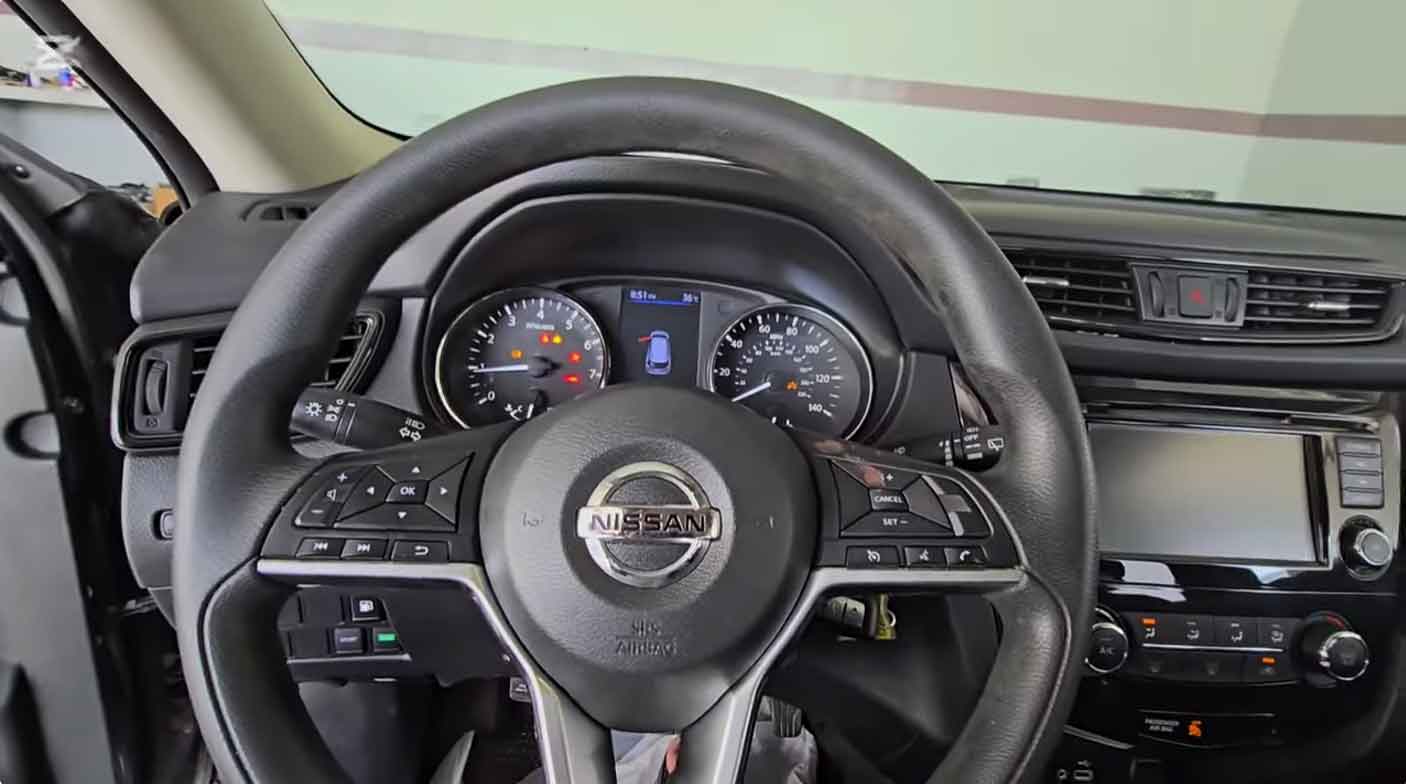
You’re driving your Nissan Qashqai when suddenly a warning pops up. “Chassis control system fault” flashes on your dashboard. Your heart skips a beat. Is this serious? Can you keep driving?
I’ve worked on hundreds of Qashqais in my shop over the years. This warning is more common than you’d think. The good news? It’s usually fixable without breaking the bank.
Let me walk you through what this warning really means. I’ll explain why it happens and how to solve it. No confusing technical jargon—just straight talk from someone who fixes these cars every day.
Quick Answer: This fault usually means your start/stop system isn’t working right. The main culprits? Dead battery, corroded connections, or loose battery cables. Most of the time, it’s a simple electrical issue you can fix yourself.
Understanding the Chassis Control Fault Warning
When this message shows up, your Qashqai is telling you something’s wrong. But what exactly?
From years under the hood, I can tell you it’s almost always linked to the automatic start/stop feature. This is the system that turns off your engine at red lights to save fuel.
The start/stop system relies heavily on your battery. When something disrupts the electrical flow, the whole system gets confused. That’s when you see this warning light up.
Your car’s computer (the ECU) constantly monitors everything. When you press the brake pedal, it sends signals back and forth. If those signals get interrupted, boom—you get the chassis control warning.
Think of it like a phone call getting dropped. The connection fails, and the system can’t communicate properly.
Warning Signs You’ll Notice
Before or during this fault, your Qashqai might show these symptoms:
Common signs include:
- Start/stop system stops working completely
- Dashboard warning light stays on
- Engine won’t restart at traffic lights
- Electrical accessories acting strange
- Battery warning light may also appear
In my experience servicing these vehicles, customers usually notice the start/stop feature quit first. Then the warning message follows shortly after.
Top Reasons This Fault Happens
Battery Terminal Corrosion
This is the number one problem I see in my garage. Battery terminals get crusty and corroded over time.
That white or greenish powder builds up on the metal connectors. It blocks electricity from flowing properly. Your car can’t get the power it needs.
What causes this buildup? Usually moisture getting into the battery area. Sometimes it’s battery acid leaking out. Either way, it creates problems.
How to check: Pop your hood and look at the battery posts. See white or green crusty stuff? That’s corrosion.
The fix: You need a wire brush specifically made for battery cleaning. I use one with stiff bristles on one end and a round hole cleaner on the other. Disconnect the battery (negative cable first). Scrub those terminals until they shine like new. Reconnect everything tight.
Cost to fix? About $5 for a brush if you do it yourself.
Dead or Dying Battery
Car batteries don’t last forever. Most Qashqai batteries give up after 3 to 5 years.
When I service a car like this, I always test the battery first. A weak battery causes all sorts of weird electrical problems. The chassis control fault is just one of them.
Your battery might look fine on the outside. But inside, the cells are dying. It can’t hold a charge anymore.
Signs your battery is failing:
- Car struggles to start, especially in cold weather
- Headlights dim when idling
- Battery is more than 4 years old
- Clicking sound when you turn the key
The solution: Replace the battery. Don’t cheap out here. Get a quality battery with good cold cranking amps. In my shop, I recommend batteries with at least a 3-year warranty.
Low Battery Voltage
Sometimes your battery isn’t dead—it’s just drained. This happens when the voltage drops too low.
Why does voltage drop? A few reasons:
Faulty alternator: This charges your battery while you drive. If it’s not working right, your battery never gets topped up.
Short trips only: Your alternator needs time to recharge the battery. If you only drive 5 minutes to work, it never fully charges.
Car sitting unused: Leaving your Qashqai parked for weeks drains the battery slowly. All those computers and clocks still draw power.
Parasitic drain: Something in your car is pulling power when it shouldn’t be.
From my diagnostic experience, I use a multimeter to check voltage. Your battery should read 12.6 volts when the car is off. Anything below 12.4 volts means trouble.
When running, it should show 13.7 to 14.7 volts. That proves your alternator is working.
Loose Battery Connections
This one’s embarrassingly simple. Yet I see it all the time.
Your battery cables need to be tight. Really tight. If they’re even slightly loose, you get connection problems.
Maybe someone removed your battery recently and didn’t tighten things properly. Or bumpy roads vibrated them loose over time.
How to fix it: You need a 10mm wrench or socket. Tighten the nut on each battery terminal. It should be snug but don’t strip it. Give the cable a tug—it shouldn’t move at all.
This takes 2 minutes and costs nothing. Yet it solves the problem half the time.
Can You Still Drive Your Qashqai?
Yes, you can drive with this warning showing. Your car won’t break down immediately.
But here’s what I tell customers: Just because you can doesn’t mean you should ignore it.
The main thing that stops working is your start/stop system. That’s not dangerous. You can still brake, steer, and drive normally.
However, the underlying problem might get worse. A dying battery could leave you stranded. Corroded terminals could cause bigger electrical failures.
When I see this fault in my bay, I advise fixing it within a week. Don’t wait months. Take care of it before it becomes a bigger headache.
How to Fix the Chassis Control System Fault
DIY Fixes You Can Try
Step 1: Clean Your Battery Terminals
This solves the problem 60% of the time in my experience.
You’ll need:
- Wire battery brush (about $5)
- Adjustable wrench
- Baking soda and water mixture (optional)
- Safety gloves and glasses
Process:
- Turn off your car completely
- Remove the negative cable first (black cable, marked with minus sign)
- Remove the positive cable (red cable, plus sign)
- Scrub both terminals and cable ends with the wire brush
- Wipe away debris
- Reconnect positive first, then negative
- Tighten both connections firmly
Step 2: Check Your Battery Age
Look for a sticker on your battery with a date. Most show month and year of manufacture.
If it’s older than 4 years, consider replacement. Battery testing is free at most auto parts stores. Take advantage of this.
Step 3: Inspect All Connections
Wiggle the battery cables. They shouldn’t move. Check that the battery hold-down clamp is secure. A loose battery bouncing around causes problems.
When to Visit a Mechanic
Some situations need professional help:
- Battery tests show it’s bad but warning continues after replacement
- You see damaged wiring in the engine bay
- Warning comes with other serious lights (ABS, airbag, etc.)
- You’re not comfortable working with car batteries
In my shop, we have diagnostic scanners that read fault codes. These codes tell us exactly what sensor or component is failing. Sometimes it’s not the battery at all—it might be a wheel speed sensor or brake switch.
A proper diagnosis usually costs $80-$120. But it saves you from guessing and replacing parts you don’t need.
Replacing Components
If diagnostics show a faulty part, here’s what might need replacement:
Brake light switch: This tells the computer when you press the brake. If it fails, the start/stop system gets confused. Cost: $30-$60 for the part.
Wheel speed sensor: These monitor your tire rotation. Bad data from these can trigger the fault. Cost: $50-$100 per sensor.
Alternator: If it’s not charging properly, you’ll always have battery problems. Cost: $300-$600 installed.
Battery cables: Badly corroded cables sometimes need full replacement. Cost: $40-$80 for both.
I’ve replaced dozens of these components. The job difficulty ranges from easy (brake switch) to moderate (alternator). Most dealerships charge $100-$150 per hour for labor.
Getting a New Battery
When you need a replacement battery, here’s my professional advice:
Don’t go to the dealer. Their batteries are overpriced. I’ve seen them charge $300 for a battery you can get elsewhere for $150.
Choose the right specs. Your Qashqai needs a specific battery size. Check your manual or ask at the parts store. Get at least 550 cold cranking amps.
Consider AGM batteries. These are absorbed glass mat batteries. They handle start/stop systems better than regular flooded batteries. Yes, they cost more ($200 vs $130). But they last longer.
Get a warranty. Always choose a battery with at least a 3-year free replacement warranty.
When I install a new battery, I always apply terminal protector spray. This prevents future corrosion. It’s a $6 can that lasts years.
Preventive Maintenance Tips
From decades of experience, here’s how to avoid this problem:
Check your battery twice a year. Pop the hood during spring and fall. Look for corrosion. Clean it before it becomes a problem.
Drive your car regularly. Taking it out once a week for a 20-minute drive keeps everything charged and happy.
Test your battery annually. Most shops do this free. It takes 5 minutes and predicts failure before it happens.
Keep terminals tight. Every oil change, ask your mechanic to check battery connections. It’s a 30-second inspection.
Avoid short trips only. If you only drive 2 miles to work, your battery never fully recharges. Take a longer drive on weekends.
Watch for electrical drain. Don’t leave phone chargers plugged in overnight. Turn off all lights. Close your trunk fully so the light turns off.
Common Questions Answered
How long does a Qashqai battery last?
Most last 3 to 5 years. I’ve seen some go 7 years, but that’s rare. Climate matters too. Hot weather kills batteries faster.
Will disconnecting the battery erase my radio settings?
Yes, probably. You’ll lose radio presets and clock settings. Write down your radio code if your car has one. It’s usually in your owner’s manual.
Can cold weather cause this warning?
Absolutely. Cold makes batteries weaker. If your battery is already tired, cold weather might push it over the edge.
Is this covered under warranty?
Batteries are usually covered for only 1-2 years under new car warranty. After that, it’s on you. Extended warranties vary—check your paperwork.
Can I reset the warning light myself?
Fixing the problem usually clears the light automatically. Sometimes you need to drive for 10-20 minutes first. If it stays on, a mechanic can clear it with a scanner.
Should I upgrade my battery?
If you live in extreme cold or heat, upgrading to a higher capacity battery helps. Ask for more cold cranking amps and reserve capacity.
Final Thoughts
The chassis control system fault in your Nissan Qashqai looks scary. But now you know it’s usually something simple.
In my years as a mechanic, I’ve fixed this problem countless times. Battery issues cause it 90% of the time. Clean terminals, tight connections, and a good battery solve most cases.
Don’t panic when you see this warning. Take a breath. Check your battery first. Many times you can fix it yourself in under 30 minutes.
If the problem persists after addressing battery issues, that’s when professional diagnostics make sense. Better to spend $100 on proper diagnosis than $500 guessing at parts.
Keep your Qashqai maintained properly. Check that battery regularly. Your car will reward you with reliable service for years to come.
Drive safe, and keep those terminals clean!