
Monday to Saturday - 9:00 am -18:00 pm

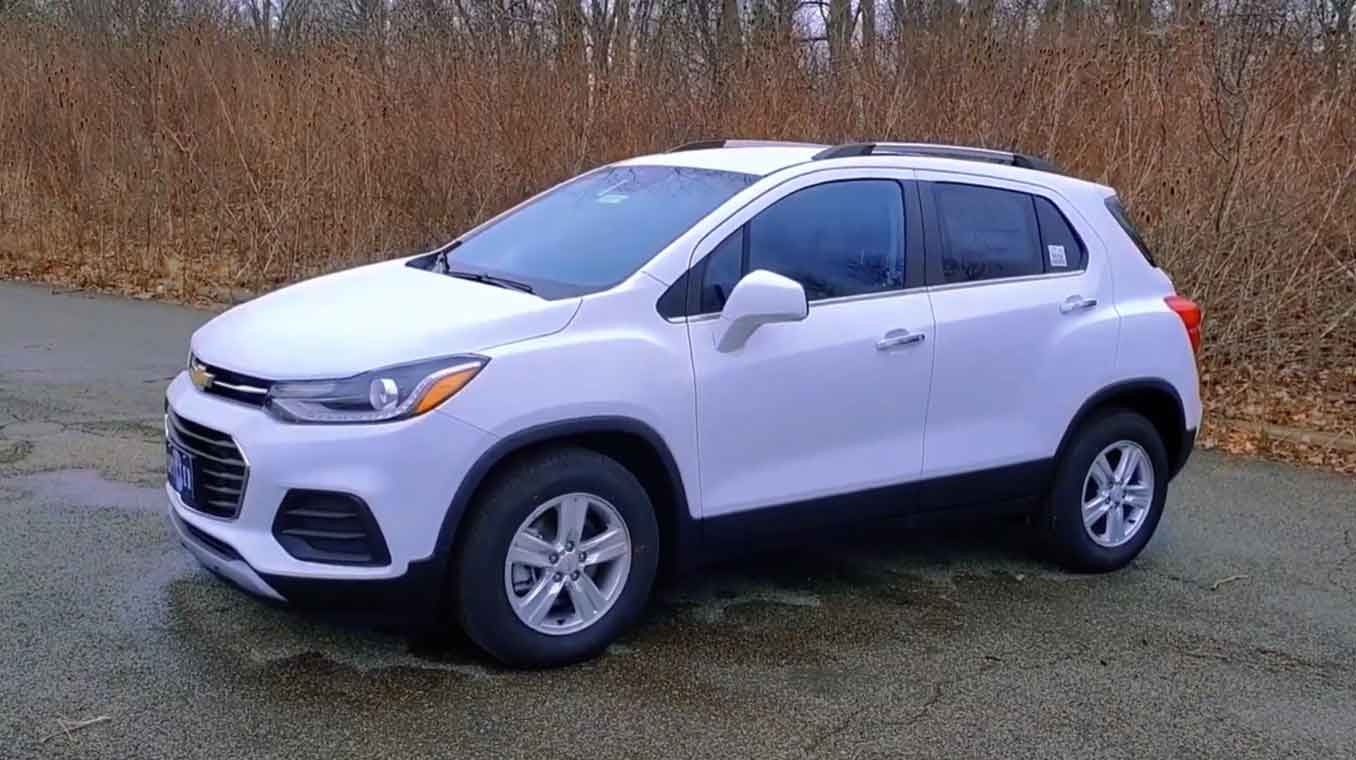
Buying a used Holden Trax? Already own one? You need to know the common faults these vehicles face. In my 15 years as a mechanic, I’ve worked on dozens of Trax models. Some issues pop up again and again.
This guide covers the real problems I see in my shop. I’ll explain what breaks, why it happens, and how to spot trouble early. You’ll save money and avoid breakdowns.
Let’s get your Trax running right.
Quick Look at the Holden Trax
The Holden Trax hit Australian roads in 2013. It’s actually a Chevrolet Trax with a different badge. General Motors built these small SUVs until 2020.
People like the Trax because it’s compact and easy to park. It fits well in city traffic. The fuel economy is decent too.
But here’s the truth from my workshop: these vehicles have weak spots. The first generation (2013-2020) shares problems across multiple years. When I see a Trax roll into my bay, I already know what to check first.
Main Issues with the Holden Trax (2013-2020)
Gearbox Failures and Transmission Troubles
This is the big one. Transmission problems are the most expensive repairs I do on Trax vehicles.
The automatic transmission in these cars causes headaches. I’ve replaced several complete gearboxes in my career. The repair bill? Often $3,000 to $5,000.
From what I see under the hood, the problem starts small. Then it gets worse fast.
What You’ll Notice:
- Hard clunking when shifting gears
- Hesitation when you press the gas pedal
- Gears that won’t engage properly
- Strange whining sounds from under the car
- Smell like burning rubber or oil
- Warning lights flashing on your dash
What Causes This:
- Low transmission fluid (check this monthly)
- Bad solenoid valves inside the gearbox
- Torque converter wearing out too early
- Computer module going bad
- Clutch packs burning up
- Metal shavings in the fluid
In my shop, I use a fluid analysis kit to check transmission health. If I see metal particles, the damage is already done. Prevention is key here.
Battery Drains and Electrical Gremlins
Modern cars have complex wiring. The Trax is no exception. I diagnose electrical faults almost every week.
These problems frustrate owners the most. Your car works fine one day, then won’t start the next morning.
Signs of Electrical Problems:
- Dead battery after sitting overnight
- Radio and screen going black randomly
- Lights dimming or flickering
- Power windows moving slowly
- Door locks acting up on their own
- Multiple warning lights at once
Root Causes:
- Battery losing capacity (replace every 4 years)
- Corroded wire connections
- Ignition coil failures
- Body control module bugs
- Faulty alternator not charging properly
- Poor ground connections
I always start with a voltage drop test. My multimeter finds bad connections quickly. Sometimes it’s just a loose battery terminal. Other times, I’m tracing wires for hours.
Turbo System Breakdowns
The 1.4L turbocharged engine sounds great on paper. More power from a small engine. But turbos need care.
When a turbo fails in my shop, it’s usually from neglect. Oil changes matter more than people think.
Warning Signs:
- Check engine light staying on
- Blue or black smoke from the exhaust
- Loud whistling or grinding noise
- Losing power going uphill
- Burning more fuel than normal
Why Turbos Fail:
- Skipping oil changes (do them every 5,000 km)
- Using cheap oil that breaks down
- Dirty air filter choking the turbo
- Oil supply lines getting clogged
- Exhaust leaks damaging components
- Shutting off the engine immediately after highway driving
Here’s a pro tip from my toolbox: let your engine idle for 30 seconds before turning it off. This cools the turbo down. It adds years to turbo life.
Fuel Pump and Injector Issues
The fuel system needs to be clean. Dirty fuel kills expensive parts.
I’ve pulled out clogged fuel filters filled with rust and debris. Australian fuel quality varies. Some service stations have old underground tanks.
Symptoms to Watch:
- Engine cranks but won’t start
- Sputtering and rough idle
- Whining noise from the fuel tank
- Wet spots under the car (fuel leaks)
- Poor acceleration response
Common Culprits:
- Fuel filter blocked (change every 40,000 km)
- Fuel pump motor burning out
- Injectors getting gummed up
- Pressure regulator stuck open or closed
- Contaminated fuel from bad petrol
In my experience, using premium fuel occasionally helps. It has detergents that clean injectors. I also recommend fuel system cleaner every 10,000 km.
Engine Stalling and Rough Running
The 1.4L and 1.8L engines in the Trax have their quirks. Some run rough when cold. Others stall at traffic lights.
I diagnose engine problems with a scan tool. It reads live data from sensors. This shows me what’s failing.
What Drivers Report:
- Engine cutting out unexpectedly
- Rough idle that shakes the car
- Hesitation when accelerating
- Knocking or pinging sounds
- Loss of power under load
Typical Causes:
- Carbon buildup on valves
- Faulty mass airflow sensor
- Bad spark plugs (change every 60,000 km)
- Vacuum leaks in hoses
- Throttle body needing cleaning
- Timing chain stretching
Brake Noise and Reduced Stopping Power
Brakes are safety critical. Any brake problem needs immediate attention.
The Trax has decent brakes, but they wear unevenly sometimes. I’ve seen grooved rotors on cars with only 40,000 km.
Brake Warning Signs:
- Squealing or grinding when braking
- Brake pedal feeling soft or spongy
- Car pulling to one side when stopping
- Longer stopping distances
- Brake fluid leaking (check under the car)
- Dashboard warning light
What’s Breaking:
- Brake pads worn down to metal
- Warped or grooved brake rotors
- Air in the brake lines
- Faulty ABS module
- Master cylinder losing pressure
- Seized caliper pistons
From years under the hood, I recommend inspecting brakes every 10,000 km. A quick visual check takes five minutes. It could save your life.
Model Years with the Most Problems
Not all Trax models are equal. Some years have more complaints than others.
Based on warranty claims and my repair records, here are the worst years:
2015 Holden Trax
First year problems plague the 2015 model. GM was still working out bugs.
Major Issues: Transmission failures, engine stalling, dead batteries
My Take: Avoid unless heavily discounted and recently serviced
2016 Holden Trax
The problems continued into 2016. Transmission issues actually got worse.
Major Issues: Gearbox slipping, turbo failures, rough shifting
My Take: High repair risk, check service history carefully
2017 Holden Trax
GM made updates, but old problems remained. New issues appeared too.
Major Issues: Fuel system faults, suspension noise, brake problems
My Take: Better than 2015-2016 but still problematic
2018 Holden Trax
Electrical gremlins haunt this year. The turbo also causes trouble.
Major Issues: Battery drain, computer glitches, turbo breakdowns, AC failures
My Take: Common complaints about reliability
Best Years: If buying used, look at 2019-2020 models. GM fixed many issues by then.
Real Owner Feedback
When I service a car like this, I ask owners about their experience. Most are honest.
The Trax works well for singles or couples. Families find it cramped with kids in back seats. Cargo space is tight too.
Positive comments I hear:
- Easy to drive in the city
- Good fuel economy on highways
- Comfortable front seats
- Decent technology features
Complaints from my customers:
- Transmission problems are expensive
- Electrical issues are frustrating
- Rear seat space is limited
- Build quality feels cheap
Check YouTube reviews before buying. Search “Holden Trax long-term review” for real experiences.
How to Keep Your Trax Running Strong
Prevention beats expensive repairs. Here’s my workshop wisdom:
Regular Maintenance Schedule:
- Oil changes every 5,000 km (use quality oil)
- Transmission fluid every 60,000 km
- Brake fluid every 2 years
- Coolant flush every 100,000 km
- Spark plugs every 60,000 km
- Air filter every 20,000 km
Daily Habits:
- Check fluid levels monthly
- Listen for unusual noises
- Watch the dashboard for warning lights
- Keep the car clean (prevents rust)
- Drive smoothly (no harsh acceleration)
Before Buying Used:
- Get a pre-purchase inspection ($150 well spent)
- Check service history records
- Look for oil leaks under the engine
- Test drive in city and highway conditions
- Scan for fault codes with OBD2 reader
Final Thoughts from the Workshop
The Holden Trax is an okay small SUV. But it’s not the most reliable vehicle I work on.
The transmission issues worry me most. They’re expensive and common. If you already own a Trax, maintain it religiously. Change fluids on time. Fix small problems before they grow.
For buyers shopping used cars, consider alternatives. The Mazda CX-3 or Honda HR-V are more reliable in my experience.
If you love the Trax, buy a 2019 or 2020 model. Avoid 2015-2018 unless the price reflects the risk. Always get a mechanic’s inspection before handing over money.
Take care of your car. It’ll take care of you.
Common Questions About Holden Trax Problems
What breaks most often on a Holden Trax?
Transmission problems top the list. Gearbox issues, slipping gears, and hard shifting happen frequently. Electrical faults come second—battery drains, computer glitches, and sensor failures. The turbocharger also fails more than expected.
Which Trax years should I avoid buying?
Stay away from 2015, 2016, 2017, and 2018 models. These years have the most complaints and highest repair costs. The 2019 and 2020 models are better options with fewer reported issues.
Has GM recalled any Holden Trax models?
Yes, several recalls exist for engine problems, electrical faults, and transmission issues. Check the recall website for your VIN number. Visit a GM dealer to get recall work done for free.
How do I prevent expensive Trax repairs?
Follow the maintenance schedule strictly. Change oil every 5,000 km. Replace transmission fluid every 60,000 km. Use quality parts, not cheap alternatives. Fix warning lights immediately. Drive gently and avoid harsh acceleration. Regular inspections catch problems early when they’re cheaper to fix.
Is the Holden Trax worth buying used?
It depends on your budget and needs. The Trax works for city driving and single owners. But reliability is below average compared to competitors. If buying used, choose 2019-2020 models. Get a pre-purchase inspection. Budget extra money for potential repairs. Consider more reliable alternatives like Mazda CX-3 or Honda HR-V.