
Monday to Saturday - 9:00 am -18:00 pm


Your car’s engine is its heart. When that “Engine Maintenance Required” light comes on, it’s trying to tell you something important. Don’t ignore it.
I’ve been turning wrenches for over 15 years now. In my shop, I see too many drivers skip basic maintenance. Then they’re surprised when their engine fails early.
Let me walk you through what that warning light means and how to keep your engine healthy.
What Does “Engine Maintenance Required” Mean?
This light is different from your check engine light. Many people mix them up.
The maintenance required light is a simple reminder. It’s like an alarm clock for your car. It tells you it’s time for regular service.
Your check engine light warns about problems happening right now. The maintenance light just says, “Hey, you’re due for service.”
From years under the hood, I can tell you this: both lights matter. But they mean different things.
Why Your Engine Needs Regular Maintenance
Think of your engine like your body. You brush your teeth every day, right? You don’t wait until they hurt.
Your engine works the same way.
Oil Keeps Everything Moving
Engine oil is like blood in your body. It flows through every part of your engine.
When I service a car that’s been neglected, the oil looks like black sludge. Fresh oil should be amber colored and clean.
Dirty oil can’t protect your engine. Metal parts rub together without proper lubrication. That creates heat and wear.
I’ve seen engines seize up completely from old oil. The repair bill? Often more than the car is worth.
Filters Catch the Bad Stuff
Your engine has filters for oil and air. They work like coffee filters.
Oil filters catch metal particles and dirt. Air filters stop dust and debris from entering your engine.
Clogged filters make your engine work harder. It’s like trying to breathe through a pillow.
In my shop, I always check both filters during oil changes. A $15 filter can save you thousands in engine repairs.
Other Fluids Matter Too
Your engine needs more than just oil. Coolant keeps it from overheating. Transmission fluid helps gears shift smoothly.
When these fluids get old, they stop working right. I’ve diagnosed overheating problems that came from dirty coolant hundreds of times.
Fresh fluids are cheap insurance for your engine.
Common Causes of Engine Problems
Let me share what I see most often in my bay.
Skipping Oil Changes
This is the number one killer of engines. No question.
Your owner’s manual tells you when to change oil. Some people think they can stretch it longer.
Bad idea.
Modern engines run hotter and work harder than old ones. They need fresh oil to survive.
I recommend changing oil every 5,000 miles for most cars. Some newer vehicles can go 7,500 miles. Check your manual.
Using the Wrong Oil
Not all oil is the same. Your engine was designed for a specific type.
Using 10W-30 when you need 5W-20 can cause problems. The numbers matter.
When I change oil, I always use what the manufacturer recommends. There’s a sticker under your hood that tells you the right oil.
Synthetic oil costs more but protects better. It’s worth the extra money, especially in extreme temperatures.
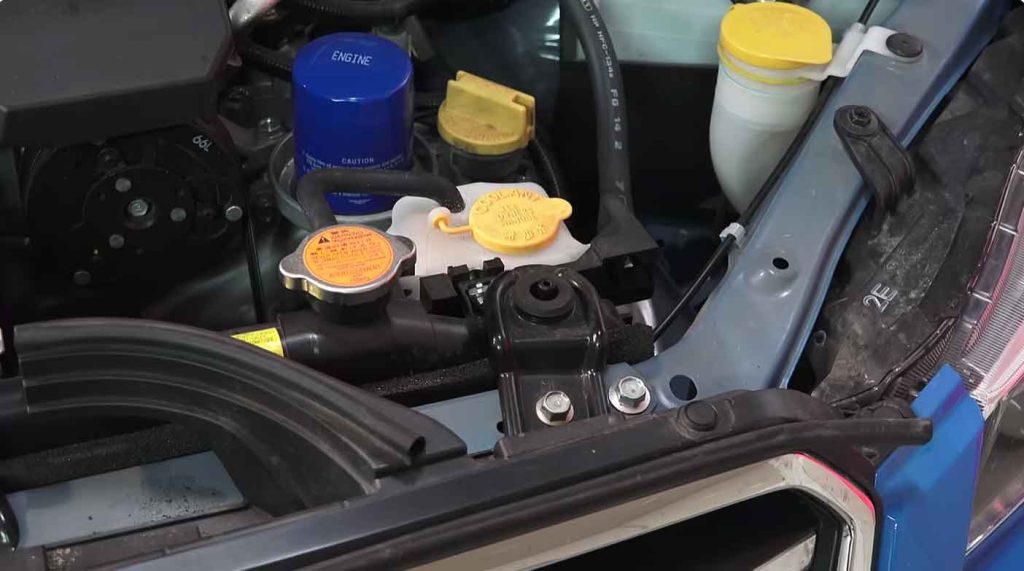
Ignoring Warning Signs
Your car talks to you. You just need to listen.
Strange noises, rough idling, or poor performance mean something. These are early warnings.
In my experience, small problems become big problems fast. A $200 repair can turn into a $3,000 repair if you wait.
Old Spark Plugs
Spark plugs create the spark that ignites fuel in your engine. They wear out over time.
Bad spark plugs cause misfires, poor fuel economy, and rough running. I use a spark plug socket to check them during tune-ups.
Most spark plugs last 30,000 to 100,000 miles, depending on the type. Replace them on schedule.
Timing Belt Failure
Some engines have timing belts. Others have timing chains.
A timing belt is made of rubber. It needs replacement every 60,000 to 100,000 miles.
If a timing belt breaks while driving, it can destroy your engine. I’ve seen this nightmare many times. The engine has to be rebuilt or replaced.
Don’t gamble with your timing belt. Replace it before it fails.
How to Reset the Maintenance Required Light
After you complete your service, you need to reset the light. Here’s how.
Each car is different, but most follow similar steps.
Toyota and Lexus
Turn the key to “ON” but don’t start the engine. Press the odometer button until you see “Trip A.”
Turn the key off. Hold the odometer button down and turn the key back to “ON.”
Keep holding the button for about 10 seconds. The light will flash and turn off.
Honda and Acura
Turn the key to “ON” position. Press and hold the “Select/Reset” button on your dashboard.
Keep holding it until the light blinks and resets. Takes about 10 seconds.
General Motors Vehicles
Turn the key to “ON.” Press the accelerator pedal all the way down three times within five seconds.
The light should reset. If not, try again a bit faster.
Ford Vehicles
Turn the key to “ON.” Press both the accelerator and brake pedals at the same time.
Hold them down for about 20 seconds. The light will reset.
When I finish an oil change in my shop, I always reset the light for customers. It’s part of the service.
Creating Your Maintenance Schedule
Don’t wait for warning lights. Be proactive.
Follow Your Owner’s Manual
Your manual has a maintenance schedule in the back. It lists every service your car needs and when.
This schedule is based on testing and engineering. The manufacturer knows your engine best.
Keep a copy in your glove box. Mark off services as you complete them.
Consider Your Driving Habits
Do you make lots of short trips? Do you drive in stop-and-go traffic daily?
This is called “severe duty” driving. Your engine works harder and needs more frequent service.
In my bay, I always ask customers about their driving. City drivers need oil changes more often than highway drivers.
Track Your Mileage
Write down your mileage after each service. Use a small notebook or your phone.
I give my customers a sticker for their windshield. It shows when the next oil change is due.
Tracking mileage helps you stay on schedule. No guessing, no forgetting.
Set Calendar Reminders
Even if you don’t drive much, oil gets old sitting in your engine. Set a reminder for every six months.
Time-based maintenance matters as much as mileage-based maintenance.
Signs Your Engine Needs Immediate Attention
Some problems can’t wait for your next scheduled service. Watch for these red flags.
Engine Knocking or Ticking
A knocking sound means something is loose or worn inside your engine. Ticking often points to low oil or bad lifters.
When I hear knocking, I check oil level first. If it’s full, something more serious is wrong.
Never ignore engine noises. They get worse, not better.
Blue or White Smoke
Blue smoke from your exhaust means burning oil. Your engine is using oil it shouldn’t.
White smoke usually means coolant is leaking into the combustion chamber. This can warp your engine block.
Both problems need immediate diagnosis. I use a compression tester to find the source.
Loss of Power
If your engine feels weak going uphill or struggles to accelerate, something is wrong.
Clogged fuel filters, bad spark plugs, or low compression can cause this. From my years under the hood, I know these problems only get worse.
Overheating
Your temperature gauge should stay in the middle range. If it creeps toward “H” (hot), pull over immediately.
Overheating can crack your engine block or blow your head gasket. These are expensive repairs.
I check coolant levels and look for leaks first. A bad thermostat or water pump can also cause overheating.
Oil Leaks
Small puddles under your car mean oil is leaking. Check your driveway or parking spot.
Oil leaks waste money and harm your engine. Low oil leads to serious damage.
In my shop, I inspect seals and gaskets to find the leak source. Some are easy fixes. Others require major work.
DIY Maintenance You Can Do at Home
You don’t need to be a mechanic to do basic maintenance. Here’s what most people can handle.
Check Your Oil Level
Pop your hood and find the dipstick. It usually has a yellow or orange handle.
Pull it out, wipe it clean, and put it back in. Pull it out again and look at the level.
The oil should be between the “MIN” and “MAX” marks. If it’s low, add the right type of oil.
Check your oil every month. Takes two minutes.
Replace Your Air Filter
Open your air filter box. It’s usually a black plastic box near the engine.
Most boxes have clips or screws holding them closed. Remove the old filter and put in a new one.
This simple job takes five minutes. Air filters cost $15 to $25.
I recommend checking your air filter every oil change. Replace it if it looks dirty.
Check Fluid Levels
Besides oil, check your coolant, brake fluid, and power steering fluid.
Each has a reservoir under your hood with “MIN” and “MAX” lines. Top them off if they’re low.
Use the correct fluid type for each system. Your owner’s manual lists what you need.
Inspect Belts and Hoses
Look at your serpentine belt. It should be smooth and crack-free.
Check hoses for bulges, cracks, or soft spots. These are signs they need replacement.
When I do inspections, I squeeze hoses gently. They should feel firm, not mushy.
Keep Your Engine Clean
A clean engine runs cooler and is easier to work on. Dirt and oil buildup trap heat.
You can spray engine degreaser and rinse carefully. Just avoid getting water in electrical components.
I use a detail brush and degreaser in my shop. Makes finding leaks easier too.
When to Take Your Car to a Professional
Some jobs need a trained mechanic. Don’t attempt these at home without proper tools and knowledge.
Timing Belt Replacement
This job requires special tools and precise timing. One mistake can destroy your engine.
In my shop, timing belt jobs take 3-4 hours. We follow exact procedures to ensure proper alignment.
Transmission Service
Transmission fluid requires specific procedures to drain and fill correctly. Some transmissions need special ATF fluid types.
I’ve seen DIY transmission flushes cause shifting problems. Let a professional handle this.
Engine Diagnostics
Modern cars have complex computer systems. A scan tool reads error codes, but interpreting them takes experience.
I use a professional scanner that gives me live data from sensors. This helps me diagnose problems accurately.
Head Gasket Replacement
A blown head gasket requires engine disassembly. This is major work that takes days.
Special torque specifications must be followed when reassembling. Head bolts need precise tightening in the correct sequence.
Coolant System Flush
Simply draining coolant isn’t enough. The system needs proper flushing to remove rust and deposits.
When I flush a cooling system, I use specialized equipment. Air pockets must be eliminated or the engine will overheat.
Cost of Engine Maintenance vs. Engine Replacement
Let’s talk money. Prevention is always cheaper than repair.
Regular Maintenance Costs
Oil changes run $40 to $80. Air filters cost $15 to $30. Spark plugs run $100 to $300 for a set installed.
A major service (90,000 miles) costs $400 to $800. This includes multiple items done at once.
Spread over a year, maintenance costs about $800 to $1,200 for most cars.
Engine Repair Costs
Now compare that to repair bills. A head gasket replacement costs $1,500 to $3,000.
Timing belt failure can require engine rebuild: $3,000 to $5,000 or more.
Complete engine replacement runs $4,000 to $8,000, depending on your vehicle.
I’ve given customers these estimates many times. They always wish they’d kept up with maintenance.
The Smart Financial Choice
Spending $100 per month on maintenance protects a $20,000 investment. That’s smart money management.
From my experience, engines that get regular care last 200,000 miles or more. Neglected engines often fail before 100,000 miles.
The math is simple. Maintenance saves money long-term.
Extending Your Engine’s Life
Want your engine to last as long as possible? Follow these tips from my years in the shop.
Warm Up Properly
Don’t rev your engine when it’s cold. Let it idle for 30 seconds, then drive gently for the first few miles.
Cold oil is thick and doesn’t flow well. Hard acceleration on a cold engine causes extra wear.
Avoid Short Trips When Possible
Short trips don’t let your engine reach operating temperature. Moisture builds up in the oil.
Combine errands into one trip when you can. Your engine will thank you.
Use Quality Parts and Fluids
Cheap oil filters fall apart inside your engine. Bargain oil doesn’t protect as well.
I only use quality parts in my shop. They cost a bit more but last longer and work better.
OEM (Original Equipment Manufacturer) or quality aftermarket parts are worth the money.
Don’t Ignore Small Problems
That small oil leak or rough idle is trying to tell you something. Address it now while it’s cheap to fix.
I’ve watched small problems become major failures. Early intervention saves money every time.
Drive Smoothly
Aggressive driving wears your engine faster. Hard acceleration, high RPMs, and sudden stops all add stress.
Smooth driving extends engine life and improves fuel economy. Win-win.
The Bottom Line on Engine Maintenance
Your “Engine Maintenance Required” light is your friend, not your enemy. It reminds you to care for your biggest transportation investment.
In my shop, I see the results of both good and bad maintenance practices every day. The difference is dramatic.
Cars that receive regular service run better, last longer, and have fewer problems. Their owners save money and avoid breakdowns.
Follow your maintenance schedule. Use quality parts and fluids. Pay attention to warning signs. These simple habits will keep your engine running smoothly for years.
Don’t wait for that maintenance light to start flashing. Be proactive about engine care. Your car will reward you with reliable performance and lower repair bills.
Remember: a little maintenance now prevents major repairs later. That’s not just mechanic advice—it’s common sense backed by decades of experience.
Take care of your engine, and it will take care of you.