
Monday to Saturday - 9:00 am -18:00 pm

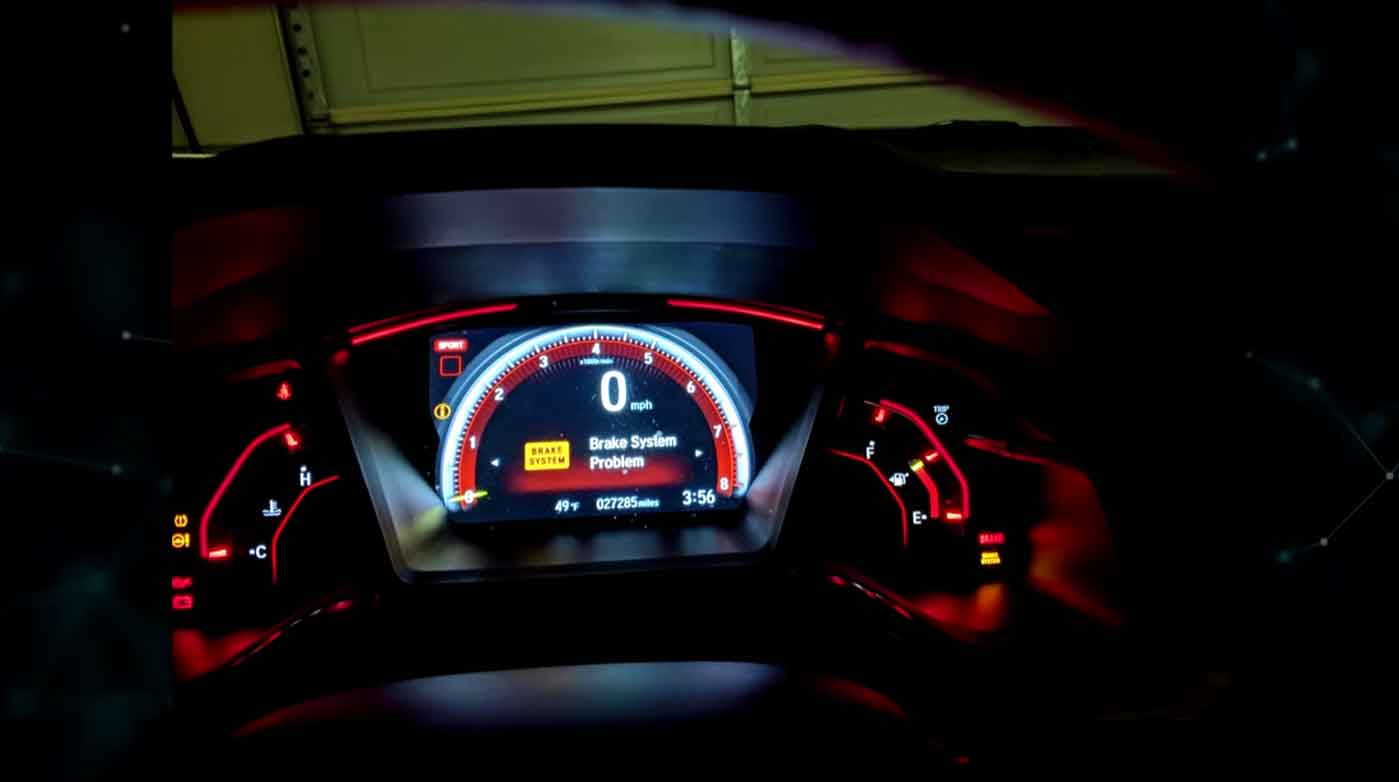
The electric parking brake in your Honda Civic is a modern safety feature. But when it stops working, it can be frustrating.
I’ve worked on hundreds of Honda Civics in my shop. Electric parking brake issues are more common than you think.
This guide will help you understand the problem. You’ll learn how to diagnose it. And I’ll show you the fixes that actually work.
What Is an Electric Parking Brake?
The electric parking brake (EPB) is different from old-style hand brakes.
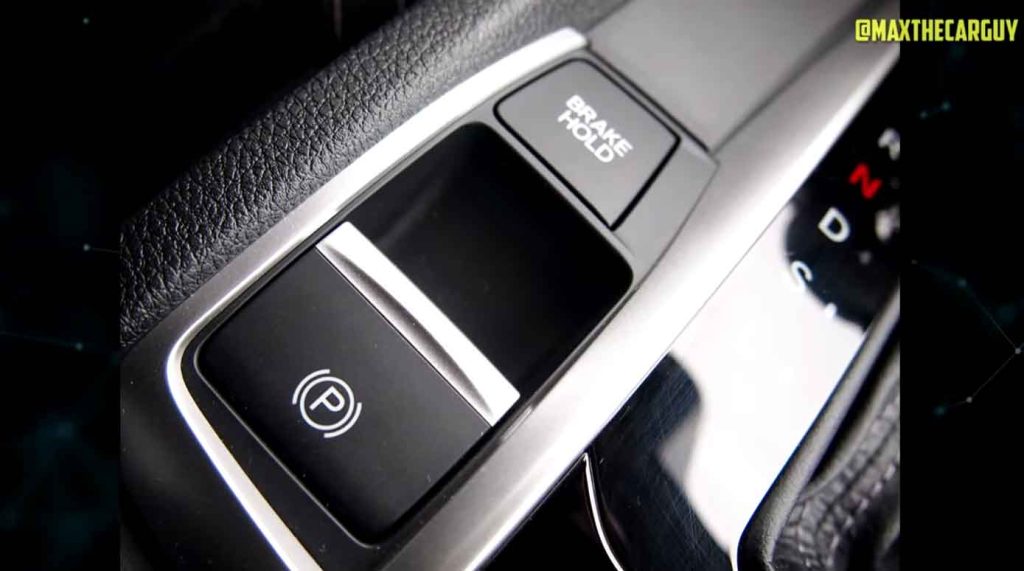
Instead of pulling a lever, you press a button. The system uses electric motors to apply the rear brakes.
Honda started using EPB systems in newer Civic models. They’re more convenient than traditional parking brakes.
But like any electronic system, they can fail.
Common Signs Your EPB Is Failing
From years under the hood, I’ve seen these warning signs many times:
Dashboard warning light comes on. This is usually the first sign. The brake warning light or EPB light will illuminate on your dashboard.
Strange grinding noises. When you engage or release the parking brake, you hear unusual sounds. This often means the motor is struggling.
The brake won’t engage. You press the button, but nothing happens. The car can roll even when you think the brake is on.
The brake won’t release. This is dangerous. Your rear brakes stay locked even when you try to drive.
Error messages on the display. Your Honda’s information screen may show EPB error codes.
Don’t ignore these signs. They usually get worse over time.
What Causes Electric Parking Brake Problems?
In my shop, I’ve found several common causes:
Faulty EPB Motor
The electric motor that operates your parking brake can wear out. This happens more often in high-mileage vehicles.
The motor is located near your rear brake calipers. Exposure to road salt and moisture causes corrosion.
Bad Brake Switch
The EPB button on your center console has a switch inside. This switch sends signals to the EPB control module.
When I service a car like this, a faulty switch is often the culprit. The button might feel loose or unresponsive.
Low Battery Voltage
Electric parking brakes need good battery power to work. A weak or dying battery causes EPB problems.
I’ve seen this dozens of times. The EPB stops working, but it’s just a battery issue.
Corroded Connectors
Electrical connectors can corrode over time. This interrupts the signal between components.
Water leaks and humidity make this worse. Honda Civics driven in snowy climates are especially prone to this.
Worn Brake Pads
Your rear brake pads need enough material for the EPB to grip. When they’re too worn, the system can’t engage properly.
The EPB motor tries to compensate. This puts extra strain on the system.
Software Glitches
Sometimes the EPB control module just needs a reset. Software bugs can cause temporary failures.
This is the easiest problem to fix.
How to Diagnose EPB Problems
Before you start replacing parts, you need to diagnose the issue correctly.
Here’s my step-by-step process:
Step 1: Check for Warning Lights
Start your Honda Civic. Look at your dashboard carefully.
Is the brake warning light on? Is there an EPB-specific indicator?
Write down any error messages you see on the information display.
Step 2: Test the EPB Function
With your foot on the brake pedal, try engaging the parking brake.
Does the button light up? Do you hear any motor sounds?
Now try releasing the parking brake. Does it release smoothly?
Step 3: Scan for Diagnostic Codes
You’ll need an OBD-II scanner for this. I use the Autel MaxiCOM in my shop, but a basic scanner works too.
Plug the scanner into the OBD port under your dashboard. It’s usually below the steering wheel.
Look for EPB-related trouble codes. Common codes include:
- C1557: EPB motor circuit malfunction
- C1558: EPB switch circuit problem
- C1559: EPB control module communication error
- U0416: Lost communication with parking brake control module
Write down the codes. They point you to the problem area.
Step 4: Check Your Battery
Use a multimeter to test your battery voltage. A healthy battery should read 12.4 to 12.7 volts when the engine is off.
If it’s below 12 volts, charge or replace your battery first. Many EPB problems disappear after this simple fix.
Step 5: Inspect the Rear Brake Components
Safely lift your Honda Civic. Use jack stands—never trust just a jack.
Remove the rear wheels. Look at the brake calipers and EPB motors.
Check for:
- Rust and corrosion on the motor housing
- Damaged wiring or connectors
- Brake pad thickness (should be at least 3mm)
- Brake fluid leaks
Step 6: Test the EPB Switch
Remove the center console trim around the EPB button. This usually requires a trim removal tool.
Disconnect the switch connector. Use a multimeter to test continuity when you press the button.
No continuity means the switch is dead.
DIY Fixes You Can Try
Some EPB problems are easy to fix at home. Here are solutions I recommend:
Reset the EPB System
This works for software glitches and minor calibration issues.
Step 1: Turn your ignition to the ON position (don’t start the engine).
Step 2: Press and hold the EPB button for about 10 seconds.
Step 3: You should hear the EPB motors engage and release several times. This is the recalibration process.
Step 4: Start the engine and test the parking brake.
When I service a car like this, a simple reset fixes the problem about 30% of the time.
Clean Electrical Connectors
Corroded connectors are easy to fix.
What you’ll need:
- Electrical contact cleaner spray
- Small wire brush
- Dielectric grease
Step 1: Disconnect the battery negative terminal first.
Step 2: Locate the EPB motor connectors at the rear calipers.
Step 3: Disconnect each connector carefully.
Step 4: Spray contact cleaner on the pins. Use the wire brush gently to remove corrosion.
Step 5: Apply a thin layer of dielectric grease to protect against future corrosion.
Step 6: Reconnect everything and test the system.
Replace the Battery
If your battery voltage is low, replacement might be necessary.
Choose a quality battery with the right specifications for your Honda Civic. I prefer Interstate or Optima batteries in my shop.
After installing a new battery, you may need to reset the EPB system.
Replace Worn Brake Pads
Thin brake pads prevent proper EPB operation.
Replacing rear brake pads is a moderate DIY job. You’ll need:
- New brake pads (OEM or quality aftermarket)
- Brake pad spreader tool
- Basic hand tools
- Brake cleaner
Important: You must put the EPB in service mode before replacing pads. Otherwise, the EPB motor fights against you.
Use your OBD scanner to enter service mode. Most scanners have an EPB service function.
When to Take Your Honda to a Mechanic
Some problems need professional help:
EPB motor replacement. The motor itself can be tricky to replace. You need to retract the caliper pistons electronically first.
Control module issues. If the EPB control module is bad, it needs programming after replacement. This requires dealer-level scan tools.
ABS integration problems. The EPB system works with your ABS. Complex electrical faults need professional diagnosis.
Persistent error codes. If codes keep coming back after your fixes, something deeper is wrong.
From years under the hood, I can tell you that complex electrical issues are worth the mechanic fee. Guessing can cost you more in the long run.
Costs You Can Expect
Here’s what these repairs typically cost:
EPB motor replacement: $300 to $600 per side (parts and labor)
EPB switch replacement: $50 to $150
Control module replacement: $400 to $800 (includes programming)
Brake pad replacement: $150 to $300 for rear pads
Diagnostic fee: $80 to $150 at most shops
Parts costs vary depending on whether you use OEM Honda parts or aftermarket. I usually recommend OEM for electrical components.
Labor costs depend on your location. Dealerships charge more than independent shops.
Preventing Future EPB Problems
In my shop, I always tell customers about prevention:
Keep your battery healthy. Test it annually. Replace it every 4-5 years.
Use your parking brake regularly. Even if you park on flat ground, engage it once a week. This keeps the motors and cables from seizing.
Wash your undercarriage in winter. Road salt accelerates corrosion. Regular washing helps.
Replace brake pads before they’re too thin. Don’t wait until they’re metal-on-metal.
Address warning lights immediately. Small problems become big problems if ignored.
Have your EPB serviced during brake jobs. Ask your mechanic to clean and lubricate EPB components.
Understanding Your Honda Civic EPB System
Different Civic model years have different EPB systems.
2016-2021 Civics have the first-generation Honda EPB. These are generally reliable but can have motor issues at high mileage.
2022 and newer Civics have an updated system. The control modules are more sophisticated.
All systems work the same way. An electric motor extends and retracts the brake caliper piston.
The system automatically engages when you turn off the ignition. It releases when you press the brake pedal and shift into gear.
Safety Reminders
Electric parking brake problems affect your safety.
Never drive if your parking brake won’t release. You risk damaging your brakes and losing control.
If your parking brake won’t engage, use wheel chocks when parked. This prevents rollaway accidents.
Always test your parking brake on a slight incline. Make sure it holds your vehicle.
Final Thoughts
Electric parking brake problems in Honda Civics are fixable.
Start with simple solutions like resetting the system or cleaning connectors. Check your battery voltage early in the process.
Use an OBD scanner to read trouble codes. This saves you time and money.
Know when to call a professional. Complex electrical issues need expert diagnosis.
Regular maintenance prevents most EPB problems. Take care of your brake system and it’ll take care of you.
I’ve fixed hundreds of these issues in my career. With the right approach, your Honda’s parking brake will work like new again.
Stay safe and keep your brakes maintained.