
Monday to Saturday - 9:00 am -18:00 pm

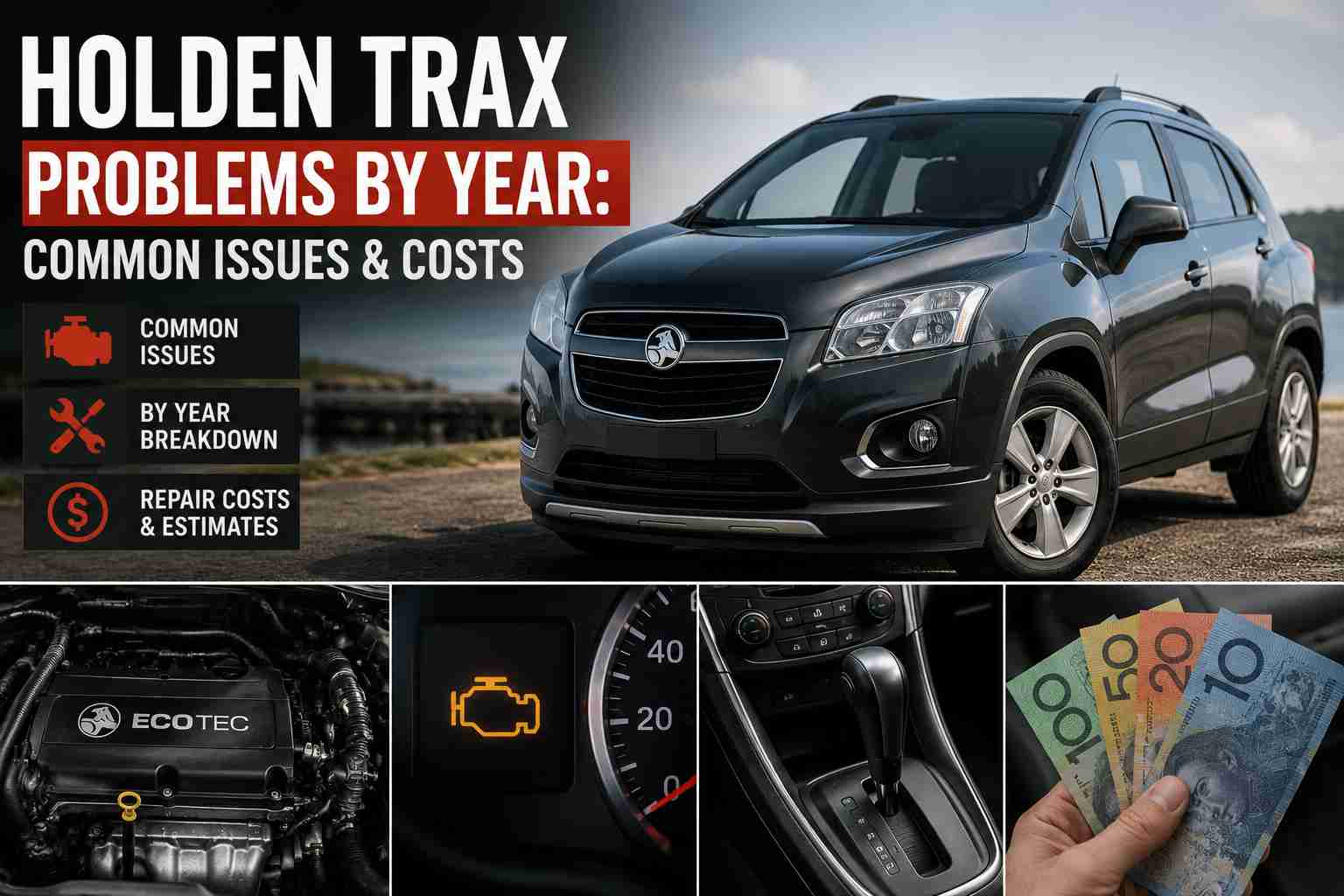
Thinking about buying a used Holden Trax? You’re smart to research first. This compact SUV was sold in Australia from 2013 to 2020. It shares its platform with the Chevrolet Trax sold overseas.
The Trax offers good value and decent fuel economy. But some model years have more problems than others. Knowing which years to avoid can save you thousands in repair bills.
This guide covers every known issue, repair costs, and which years are worth buying. Let’s get into it.
Quick Summary: Which Years to Avoid
Here’s the short version if you’re in a hurry:
Avoid: 2015, 2016, 2017, 2018 – These years have the most reported problems.
Better Bets: 2019, 2020 – Fewer complaints and improved reliability.
Mixed: 2013, 2014 – Some early production quirks, but generally okay if well-maintained.
Common Holden Trax Problems (All Years)
These issues show up across multiple model years. Some are minor annoyances. Others can cost thousands to fix.
Transmission Issues
Transmission problems are the most common complaint from Trax owners. Both manual and automatic versions are affected.
Symptoms:
- Rough or jerky shifting
- Gears slipping or delayed engagement
- Grinding or whining noises
- Complete transmission failure in severe cases
Repair Costs: Clutch replacement runs $500–$1,200. Major transmission work costs $2,000–$4,000 or more. Some owners report spending over $5,000 for a full rebuild.
Turbocharger Problems (1.4L Turbo Models)
The 1.4L turbo engine has more power but also more problems. Coolant leaks from the turbo unit are especially common.
Symptoms:
- Coolant leaking near the turbo
- Reduced engine power warning
- Check engine light with code P0299 (underboost)
- Ice buildup in the charge air cooler during cold weather
Repair Costs: Turbo replacement costs $1,400–$1,800 at a dealership. Some owners have paid up to $2,750 for turbo-related repairs. Aftermarket turbos are available for around $280, but installation adds labour costs.
Cooling System Failures
The Trax uses plastic components in its cooling system. These break down over time. Many owners report coolant leaks within 40,000–60,000 km.
Common failure points:
- Coolant reservoir cracks and leaks
- Water pump failure
- Thermostat housing leaks
- Radiator hose connections loosening
Repair Costs:
- Coolant reservoir: $150–$350
- Water pump: $400–$900
- Radiator: $800–$1,400
Warning: The Trax has no temperature gauge on most models. You only get a warning light when the engine is already overheating. Check your coolant level regularly.
Electrical Problems
Electrical gremlins plague many Trax models. These range from minor annoyances to serious safety concerns.
Symptoms:
- Infotainment system freezing or rebooting
- Bluetooth refusing to pair or disconnecting
- Random warning lights on the dashboard
- Battery drain when parked
- Engine stalling due to electrical faults
Repair Costs: $100–$500 depending on the component. Software updates may fix some issues for free. Sensor replacements typically cost $150–$300.
Paint Peeling and Flaking
Many Trax owners report paint peeling off prematurely. This problem is especially common on the “Brilliant Blue” colour from 2015–2016 models.
Affected areas:
- Bonnet (hood)
- Roof
- Rear hatch below the window wiper
Repair Costs: $500–$2,000 or more for professional respray. Some owners have had success getting Holden to cover repairs under warranty, but results vary.
Brake System Issues
Brake problems show up in many owner complaints. These range from normal wear items to premature failures.
Symptoms:
- Grinding or squealing noises
- Vibration when braking
- Premature pad and rotor wear
- Fluid leakage
Repair Costs: $200–$600 for a standard brake service including pads and rotors.
Air Conditioning Failures
A/C problems are common across many Trax years. The system tends to fail without warning.
Symptoms:
- No cold air even with A/C on
- Intermittent cooling
- Cooling fan not working
Common causes: The temperature control knob is prone to breaking. When it gets stuck, the A/C won’t work properly. Refrigerant leaks are also common.
Repair Costs: $150–$300 for minor fixes like regas or knob replacement. $800 or more if the compressor needs replacing.
Holden Trax Problems by Year
Now let’s look at each model year in detail. This helps you know what to expect from a specific year.
2013–2014 Holden Trax
These early models have typical first-generation quirks. Several recalls affected these years.
Known recalls:
- Seatbelt pretensioner fault (August 2014) – only 8 vehicles affected
- Ignition key cylinder issue on manual models (October 2014) – car could move unexpectedly if parked in gear
- Steering column wiring (May 2016) – could cause loss of power steering
Verdict: Generally acceptable if well-maintained. Check that all recalls have been completed. The 1.8L engine is more reliable than the 1.4L turbo in these years.
2015 Holden Trax
This year marks the start of increased complaints. Despite good reviews at launch, owners have reported multiple issues.
Common problems:
- A/C system failures
- Paint peeling (especially blue models)
- Turbo issues beginning to appear
- Vehicle rolling back on inclines (possible transmission issue)
Verdict: Approach with caution. Get a thorough pre-purchase inspection.
2016 Holden Trax
This is considered the worst year for the Trax. Owner complaints peaked during this model year.
Common problems:
- Faulty A/C systems
- Engine cooling failures
- Multiple electrical gremlins
- Check engine light issues leading to engine failure in some cases
- Severe paint peeling
Verdict: Avoid if possible. If you must buy, ensure all known issues have been addressed and budget for potential repairs.
2017 Holden Trax
The 2017 model brought some improvements including Apple CarPlay and Android Auto. But problems continued.
Common problems:
- Heater system failures
- Coolant leaks
- Suspension weld defects (recall issued)
- Low-quality cabin materials
Verdict: Slightly better than 2015–2016, but still risky. The Series 2 version with better features is preferred if buying this year.
2018 Holden Trax
Build quality improved somewhat, but several issues persisted.
Common problems:
- Takata airbag recall (safety critical)
- Turbo coolant leaks continue
- Electrical issues
- Suspension recall for improper welds
Verdict: Better than previous years but still requires careful inspection. Ensure Takata airbag has been replaced.
2019–2020 Holden Trax
These final years show the best reliability. GM addressed many previous issues.
What improved:
- Significantly fewer complaints overall
- Better build quality
- More refined driving experience
Still watch for:
- Coolant leaks (check regularly)
- Water pump issues at higher mileage
- Some brake complaints
Verdict: The best years to buy. 2019 and 2020 models offer the most reliable ownership experience.
Holden Trax Recalls in Australia
Several safety recalls have affected the Trax over the years. Always check if a used Trax has had all recall work completed.
Major recalls:
- August 2014: Seatbelt pretensioner may not lock properly
- October 2014: Ignition key cylinder fault (manual transmission models)
- May 2016: Steering column wiring harness may disconnect
- 2018: Front suspension weld defect
- June 2018 / August 2019: Takata airbag replacement (affects 2013–2018 models)
Important: The Takata airbag recall is critical. Do not buy or drive a Trax with unfixed Takata airbags. These defective airbags can explode and cause serious injury or death.
You can check recall status using the VIN number at any Holden service centre or through the Australian Government’s vehicle recall website.
Repair Cost Summary
Here’s a quick reference for common Holden Trax repair costs in Australia:
| Repair Type | Estimated Cost (AUD) |
|---|---|
| Basic Service | $249–$400 |
| Clutch Replacement | $500–$1,200 |
| Turbo Replacement | $1,400–$1,800 |
| Water Pump | $400–$900 |
| Coolant Reservoir | $150–$350 |
| Radiator | $800–$1,400 |
| Transmission Repair/Rebuild | $2,000–$4,000+ |
| Engine Mount | $120–$900 |
| Oil Cooler | $200–$700 |
| Timing Belt (1.8L only) | $800–$1,200 |
| Brake Service (pads & rotors) | $200–$600 |
| A/C Compressor | $800+ |
| Paint Respray (per panel) | $500–$2,000+ |
Tips Before Buying a Used Holden Trax
Follow this checklist to avoid buying a problem car:
- Get a pre-purchase inspection from an independent mechanic. Don’t rely on the seller’s word.
- Check all recall work has been completed, especially the Takata airbag recall.
- Inspect paint carefully on the bonnet, roof, and rear hatch. Look for bubbling or peeling.
- Test the A/C in all modes. Make sure it blows cold and the controls work properly.
- Listen for transmission noises during the test drive. Pay attention to gear changes.
- Check coolant levels and look for any leaks under the bonnet or on the ground.
- Ask about timing belt history if buying a 1.8L model. It should be changed by 150,000 km.
- Request full service history. Regular maintenance is key to Trax reliability.
Is the Holden Trax Worth Buying?
The honest answer: it depends on the year and condition.
Reasons to buy:
- Affordable used prices ($7,000–$20,000)
- Good for city driving
- Decent fuel economy (7–8L/100km)
- Parts still available globally (shared with Chevy Trax)
- Can last 200,000+ km with proper maintenance
Reasons to think twice:
- Some model years have serious reliability issues
- Plastic cooling system components fail
- Paint quality problems on certain colours
- Holden no longer exists, so dealer support is limited
Bottom line: If you stick to 2019–2020 models and get a thorough inspection, a Trax can be a decent budget SUV. Avoid 2015–2018 unless you’re comfortable with potential repair bills.
Frequently Asked Questions
What is the most reliable Holden Trax year?
The 2019 and 2020 models have the fewest reported problems. These are the best years to buy used.
Is the 1.4 turbo or 1.8 engine better?
The 1.8L naturally aspirated engine is simpler and generally more reliable. The 1.4L turbo has more power but also more potential problems like turbo coolant leaks. If reliability is your priority, choose the 1.8L.
How long do Holden Trax last?
With proper maintenance, a Holden Trax can reach 200,000 km or more. Regular servicing, prompt repairs, and keeping up with fluid changes are essential. Some owners report trouble-free ownership well beyond 150,000 km.
Are parts still available for Holden Trax?
Yes. The Trax shares its platform with the Chevrolet Trax sold globally. Parts are readily available through independent mechanics, auto parts stores, and online suppliers. This shouldn’t be a concern for buyers.
What fuel does the Holden Trax use?
The 1.4L turbo engine requires 95-octane premium unleaded. The 1.8L engine can run on regular 91-octane unleaded. Check your owner’s manual to confirm.
When should the timing belt be changed?
For the 1.8L engine, Holden recommends changing the timing belt at 150,000 km or 10 years, whichever comes first. Many mechanics suggest replacing the water pump at the same time. The 1.4L turbo uses a timing chain that should last the life of the engine.
Final Takeaways
Here’s what you need to remember about Holden Trax problems:
- Avoid 2015–2018 models if you can. These years have the most reported issues.
- 2019–2020 are your best bet for a reliable used Trax.
- Always get a pre-purchase inspection and check recall status before buying.
- Budget $500–$1,500 per year for potential repairs and maintenance on older models.
The Trax isn’t perfect, but with the right year and proper care, it can be a practical and affordable small SUV for Australian families.