
Monday to Saturday - 9:00 am -18:00 pm

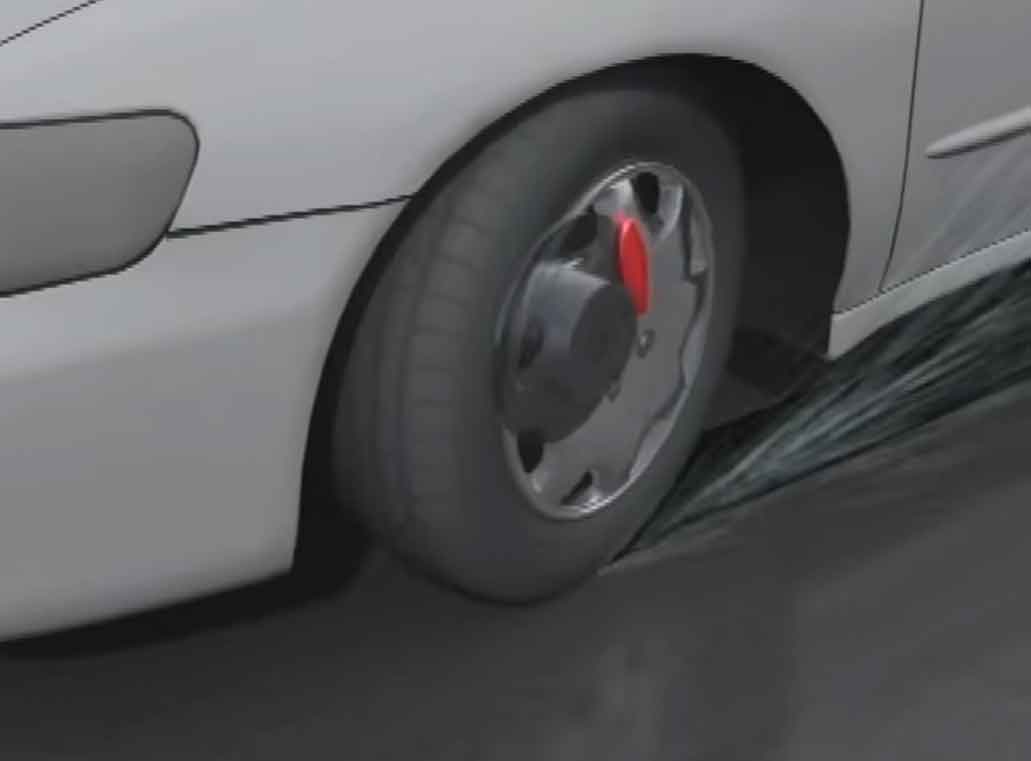
Your car stops better because of ABS. I’ve worked on thousands of brake systems in my shop. The anti-lock braking system is one of the best safety features ever made.
In this guide, I’ll explain exactly how ABS works. You’ll learn why your wheels don’t lock up during panic stops. I’ll also show you how to spot problems and fix them.
Let’s dive in.
What Is ABS in Simple Terms?
ABS stands for Anti-lock Braking System. It stops your wheels from locking up when you brake hard.
When wheels lock, your car slides. You lose steering control. That’s dangerous.
From years under the hood, I can tell you this: ABS saves lives every single day.
This system is now standard in every new car. Trucks have it. Motorcycles have it too. In the US, all vehicles made after September 2012 must have ABS.
Think of it as a smart helper. It pumps your brakes faster than any human could.
How ABS Actually Works
Let me explain this like I would to a customer in my bay.
Your car has sensors at each wheel. These sensors watch how fast the wheels spin. When you slam the brakes, the system checks constantly.
If a wheel starts to lock, the sensor catches it immediately. It sends a signal to the control module. The module then reduces brake pressure to that wheel.
This happens incredibly fast. The system can pulse the brakes up to 15-20 times per second.
You might feel a vibration in the brake pedal. That’s normal. It means the ABS is working.
The Basic Working Principle
Here’s how I explain it to folks who aren’t car people.
The system follows three simple steps:
Step 1: You push the brake pedal hard.
Step 2: Wheel sensors detect if any wheel is about to lock.
Step 3: The ABS pumps the brakes automatically to prevent locking.
Old-school drivers used to pump brakes manually during skids. ABS does this job better and faster. It keeps you in control while stopping.
When I service a car, I always test the ABS function. A working system can mean the difference between a close call and a crash.
ABS on Motorcycles – How It Differs
Bikes use ABS differently than cars. The principle is the same, but the execution changes.
Motorcycle ABS focuses on preventing front wheel lockup. That’s what causes most bike crashes.
The sensors monitor both wheels separately. When braking hard, the system adjusts pressure to each wheel independently.
Research shows bikes with ABS crash less often. The data is clear on this.
If you ride, ABS gives you an extra margin of safety. Especially in wet conditions or emergency stops.
Key Parts That Make ABS Function
I replace these components regularly in my shop. Here’s what makes the system work:
Speed Sensors: One at each wheel hub. They track rotation speed constantly.
Hydraulic Valves: These control brake fluid pressure to each wheel. They open and close rapidly.
Electronic Control Unit (ECU): The brain of the system. It processes sensor data and controls the valves.
Hydraulic Pump: Returns brake fluid pressure when the valves release it.
ABS Module: Houses the valves and pump together.
Brake Fluid Reservoir: Holds the hydraulic fluid for the entire system.
Each part must work perfectly. One faulty sensor can disable the whole system.
Benefits and Drawbacks You Should Know
Nothing is perfect. ABS has strong points and weak points.
The Good Stuff
Shorter stopping distances: On dry pavement, you stop faster with ABS.
You keep steering control: This is huge. You can steer around obstacles while braking hard.
Even tire wear: Your tires last longer because they don’t skid.
Lower insurance rates: Many insurance companies give discounts for ABS-equipped vehicles.
Better resale value: Cars with ABS sell for more money.
Less brake wear: The pads and rotors last longer.
Works with other systems: ABS shares parts with traction control and stability control.
The Not-So-Good Stuff
Tricky on loose surfaces: Gravel and deep snow can be challenging. The system sometimes increases stopping distance on these surfaces.
Varying performance: Different road surfaces give different results.
Higher repair costs: When ABS breaks, the parts are expensive. I’ve seen repair bills over $1,000.
Needs understanding: Some drivers don’t know how to use ABS properly. You must push hard and hold the pedal.
Understanding the ABS Diagram
Let me walk you through how this looks on paper.
The ABS diagram shows all components connected. The wheel sensors feed data to the control module. The module connects to the hydraulic valve block.
When I diagnose ABS problems, I always reference the wiring diagram. It shows me which circuits to test.
The system monitors these things constantly:
- Front and rear brake pressure
- Individual wheel speeds
- Vehicle acceleration
- Brake pedal position
Modern scan tools can show me this data in real time. That’s how I pinpoint issues quickly.
Troubleshooting ABS Warning Lights
The ABS light on your dashboard is important. Don’t ignore it.
When that light comes on, your regular brakes still work. But the ABS function is disabled. You won’t have that extra safety margin.
Three Main Causes I Find
Low Brake Fluid
This is the most common issue in my experience. The ABS needs proper fluid levels to work.
Check your brake fluid reservoir. It should be between the MIN and MAX lines. If it’s low, you might have a leak.
I use a flashlight to inspect brake lines and connections. Small leaks cause big problems.
Bad Speed Sensor
Wheel speed sensors get dirty or damaged. Road salt and brake dust are the enemies.
When a sensor fails, the ABS can’t monitor that wheel. The system shuts down for safety.
I clean sensors during every brake job. It prevents future problems.
System Self-Test
Sometimes the light comes on briefly when you start the car. That’s just a bulb check.
The system tests itself. If everything is okay, the light goes off after a few seconds.
If it stays on, you need diagnostics.
Common ABS Issues I See in My Shop
Here’s what I deal with regularly:
Problem 1: ABS Light Won’t Turn Off
First, try turning the car off and on again. Sometimes the system just needs a reset.
If that doesn’t work, you need a scan tool. I plug mine in and check for fault codes.
The codes tell me exactly which sensor or component failed.
Problem 2: ABS Activates at Low Speeds
This usually means dirty wheel sensors. Especially on the front wheels.
I remove each sensor and clean it thoroughly. Metal shavings from brake pads stick to them.
After cleaning, I test drive the car. Problem usually solved.
Problem 3: Brakes Feel Spongy
Air in the brake lines causes this. Or the master cylinder is failing.
I bleed the entire brake system using my pressure bleeder. It removes all air bubbles.
Sometimes the master cylinder needs replacing. That’s a bigger job.
Problem 4: Strange Noises When Braking
Clunking or grinding sounds aren’t normal. Even with ABS.
I inspect the entire brake system. Worn pads, damaged rotors, or loose calipers can cause noise.
The ABS pump can also make noise if it’s failing. That requires replacement.
Final Thoughts
The anti-lock braking system is a lifesaver. It prevents wheel lockup and keeps you in control.
Every car on the road today should have it. The technology has proven itself over decades.
If your ABS light comes on, get it checked soon. Don’t wait until you need it in an emergency.
Regular brake maintenance keeps your ABS working properly. I recommend checking the system during every oil change.
Your safety depends on working brakes. ABS makes those brakes work even better.
Your Questions Answered
What other names does ABS go by?
People call it “Anti-lock Brakes,” “ABS Brakes,” or just “ABS.” They all mean the same thing.
When doesn’t ABS work well?
Ice, loose gravel, and deep snow can reduce ABS effectiveness. The wheels need some traction to grip. Without friction, the system can’t help much.
Does ABS really prevent crashes?
Yes. Studies show ABS reduces fatal crashes by about 6% in cars and 8% in trucks and SUVs. Those numbers represent thousands of lives saved.
What are the main advantages?
Besides what I mentioned earlier, ABS helps your traction control work. It gives longer brake life. The system itself lasts the life of the vehicle if maintained.
How can I tell if my car has ABS?
Look at your dashboard when you start the car. The ABS light should come on briefly, then go off. If you don’t see it, check your owner’s manual. Or look under the hood for an ABS module near the master cylinder.
Who invented ABS?
Mario Palazzetti invented the modern automotive ABS in 1971. That’s why people call him “Mister ABS.” The first systems appeared on aircraft in the 1960s.
Can I disable my ABS?
Technically yes, but I strongly advise against it. The system is there for your safety. Disabling it removes important protection. Plus, it might be illegal in your area.
How much does ABS repair cost?
In my shop, sensor replacement runs $150-$300 per wheel. Module replacement can cost $500-$1,500. The ABS pump is even more expensive, sometimes over $1,000. Prevention through maintenance is cheaper.