
Monday to Saturday - 9:00 am -18:00 pm

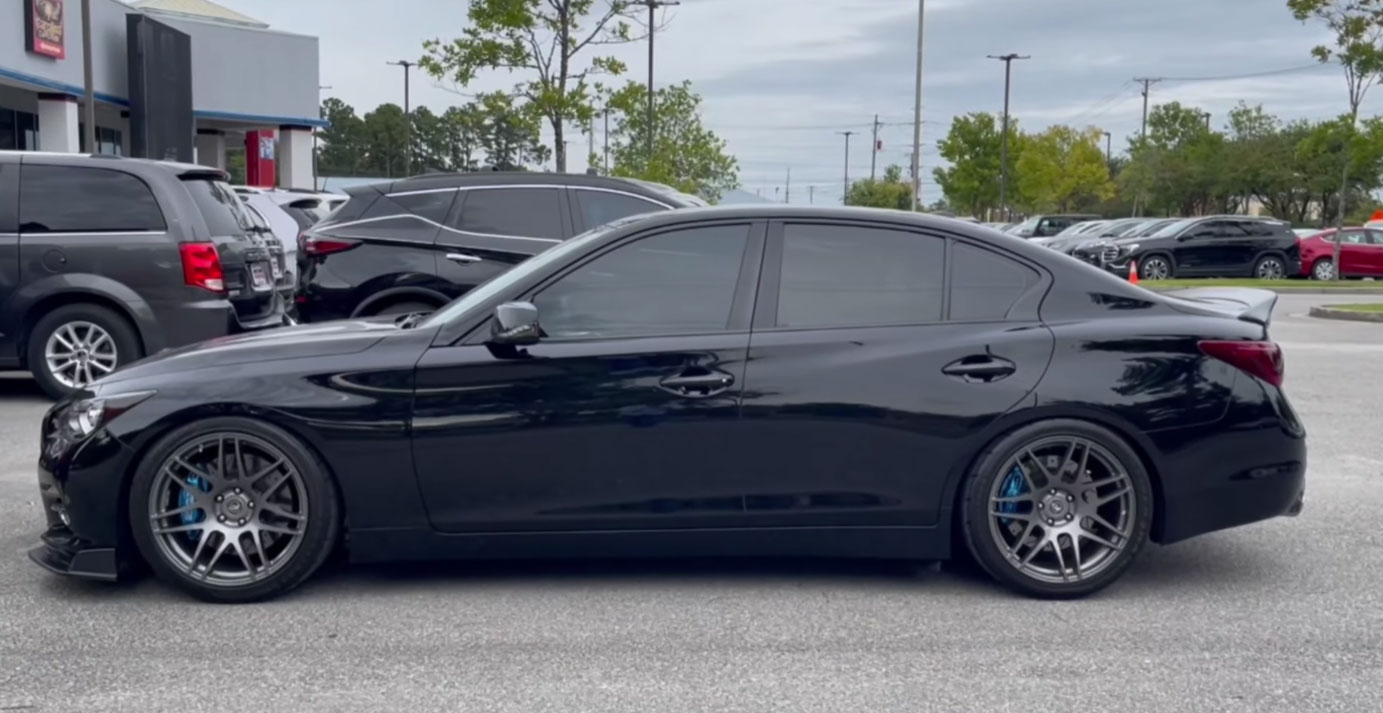
The Infiniti Q50 is a sharp-looking luxury sports sedan. It has style, power, and a nice cabin. But there’s a catch—some model years are plagued with expensive problems that can drain your wallet fast. If you own a Q50 or are thinking about buying one used, you need to know what problems to watch for and which years to avoid.
In this guide, I’ll walk you through the most common Infiniti Q50 problems by year. I’ll tell you what breaks, how much it costs to fix, and which model years are reliable.
Worst Years to Avoid
2014 Infiniti Q50: The Worst Year
The 2014 Q50 is the worst model year by far. It was the first year, and first years are always risky.
Why it’s so bad:
The 2014 had 7 major recalls and 165 complaints. That’s a lot for one year. Owners reported warped brakes that made grinding noises. The steering electronics failed randomly. The Direct Adaptive Steering system—a fancy computerized steering setup—would lock up or become unresponsive, especially after cold starts.
If you find a 2014 Q50, check its VIN number for recall history. Even if all recalls were done, the car has a bad track record for a reason.
2015 Infiniti Q50: Still Problematic
The 2015 improved slightly, but it still had major issues.
Common problems:
- Brake rotors warped prematurely. Owners had to replace them multiple times.
- Tires wore out in just a few thousand miles instead of 30,000 to 50,000.
- Transmission valve body failures that caused rough shifting.
Brake jobs could cost $400 to $500 per visit. When you need multiple brake jobs per year, the bills add up fast.
2016 Infiniti Q50: Getting Better
By 2016, Infiniti had fixed many early problems. Complaint numbers dropped to just 5 recalls.
What was fixed:
- Steering system became more stable.
- Brake materials improved.
What still remained:
- The driveshaft recall (see below).
- Some brake issues lingered on certain models.
2017 Infiniti Q50: Head Gasket Nightmare
The 2017 introduced a new problem that was very expensive. The VR30 twin-turbo engine started failing with blown head gaskets.
What owners paid:
Repairs ran $7,000 to $8,000. That’s not a small fix. Many owners just walked away from their cars because the repair cost more than the car was worth.
Even if the 2017 looks attractive price-wise, the engine risk makes it a bad buy.
2018 Infiniti Q50: More of the Same
The 2018 carried forward the turbo and head gasket issues from the 2017. It had fewer recalls than early years, but the engine problem persisted.
A few 2018 models escaped early turbo failure, but it’s a gamble.
2019-2020 Infiniti Q50: The Reliable Years
Here’s the good news: 2019 and 2020 Q50s are the most reliable in the whole lineup.
Why they’re better:
- Infiniti had learned from 10 years of problems.
- Electronics were more stable.
- Engine quality improved.
- Fewer recalls and complaints.
If you’re buying used, 2019 and newer is your safest bet.
The Most Common Q50 Problems
#1: Brake Issues (All Years)
Brake problems are the #1 complaint across all Q50 model years. This is not a small issue—brakes are safety equipment.
What goes wrong:
- Rotors warp and cause vibration when you stop.
- Brake pads wear out in 5,000 miles instead of 30,000 to 50,000.
- The brake master cylinder fails, making the pedal feel spongy.
Cost to fix:
- Rotor resurfacing or replacement: $300 to $500
- Brake pad replacement: $200 to $400
- Master cylinder replacement: $1,400 to $2,000
Some owners reported needing brake work two or three times per year on early models. That’s expensive for a luxury car.
Why it happens:
Infiniti’s brake-by-wire system was too aggressive. It put too much stress on the brake parts. The rotors warped from the constant heavy braking. Later models got better brake materials and calibration fixes.
What to do:
If you own a Q50, have your brakes inspected every 15,000 miles. Don’t wait for the warning signs. Look for uneven pad wear or recently replaced rotors on a used car—that’s a red flag.
#2: Direct Adaptive Steering (DAS) System Failures (2014-2015)
This is Infiniti’s computerized steering system. It’s supposed to be advanced. Instead, it became notorious for failing.
What owners reported:
- The steering would lose responsiveness when starting the car.
- The turning radius would change without warning.
- Some cars felt like they had a video game lag when turning.
- In rare cases, the steering locked up completely.
Cost to fix:
Infiniti issued a recall. The fix was a software update to reprogram the steering computer (ECU). This was free at dealerships under recall.
Why it matters:
A steering failure is a serious safety risk. You could lose control of your car. The recall fixed most cars, but if you buy a used Q50 from these years, confirm the recall was completed with your VIN.
#3: Driveshaft Breakage (2014-2018)
This is a silent killer. The propeller shaft (driveshaft) can break while you’re driving.
What happens:
The driveshaft is a long metal tube that connects the transmission to the rear wheels. Over time, metal fatigue causes it to crack and break. When it fails, you lose power to the rear wheels. The car could roll if you’re not holding the parking brake.
Cost to fix:
A full driveshaft replacement runs $1,500 to $2,500 in parts and labor.
NHTSA recall:
In 2024, Nissan and Infiniti issued a major recall (NHTSA 24V-470) for 2014–2018 Q50 models. If you own a Q50 from these years, verify the recall was completed. Call your dealership with your VIN, or check the NHTSA website.
This is not something to ignore.
Brake Issues Explained
Since brakes are the #1 problem, let me go into more detail.
Warped Rotors
Brake rotors are metal discs. When you press the brake pedal, brake pads squeeze the rotor to stop the car. If the rotor warps (bends), the pads hit unevenly, and you feel a vibration or pulsation when braking.
Symptoms:
- Shaking or pulsing when you press the brake pedal.
- Groaning or squeaking noise.
- Brake pedal feels soft.
Why Q50 rotors warp:
The Q50’s brake-by-wire system was calibrated too aggressively on early models. It applied too much pressure too often. This caused the rotors to overheat and warp prematurely.
Fix:
Small warping can be resurfaced (machined smooth). Deep warping requires rotor replacement. Either way, the pads usually need replacing too.
Cost: $400 to $800 for a complete brake job.
Master Cylinder Failure
The master cylinder is a small pump inside your brake system. Your foot pressure activates it. It converts that pressure into hydraulic fluid pressure that stops the car.
What fails:
The internal seals inside the master cylinder deteriorate. When this happens, hydraulic fluid leaks inside the cylinder. The system loses pressure, and brakes don’t work properly.
Symptoms:
- Soft or spongy brake pedal that goes down too far.
- Longer braking distance than normal.
- Brakes feel weak or unresponsive.
When it happens:
On early Q50s (2014–2016), this can happen as early as 50,000 to 80,000 miles. Some owners report it happening at just 30,000 miles.
Cost: $1,400 to $2,000 for replacement at a dealership.
Important: This is a safety issue. If your brake pedal feels spongy, don’t drive the car. Get it fixed immediately.
Premature Brake Pad Wear
Normal brake pads last 25,000 to 50,000 miles. On some Q50s, pads wear out in 5,000 to 10,000 miles.
Why it happens:
Poor quality factory brake pads combined with the aggressive brake calibration.
Cost: $200 to $400 per brake job.
Prevention:
Check your pads at 15,000 miles on older Q50s. Replace worn pads before they damage the rotors. Once rotors are damaged, the cost jumps to $800 or more.
Steering Problems
The Q50’s steering system has been a sore spot since day one.
Direct Adaptive Steering (DAS) Failures
The DAS system is a steer-by-wire setup. Instead of a mechanical connection from your steering wheel to the front wheels, a computer controls it.
What went wrong on 2014-2015 models:
- Software glitches caused the steering to become unresponsive.
- Turning radius would change unexpectedly.
- Steering would lock up on cold starts.
- Some owners said it felt like playing a video game with lag.
Why Infiniti used it:
They thought it would be more precise and efficient. Instead, it was buggy and unreliable.
The fix:
Infiniti issued recall campaigns to reprogram the steering ECU (engine control unit). The software fix worked in most cases, but it took multiple visits for some owners.
Cost: Free under recall.
If you’re buying used:
Ask for proof the recall was completed. If it wasn’t done, have it done immediately at a dealership.
Turbo Failures & Costs
The turbocharger failures on the 3.0L twin-turbo engines are the most expensive problem on the Q50. This issue affects 2016-2018 models especially.
Why Turbos Fail
A turbo is a small turbine that spins very fast—up to 200,000 RPM. It forces more air into the engine, creating more power. But when something goes wrong, it’s expensive.
Common failure causes:
- Poor oil quality or oil starvation.
- Overheating from lack of maintenance.
- Manufacturing defects in early model turbos.
Symptoms:
- Whining or whistling sound when accelerating.
- Loss of power under acceleration.
- Check engine light comes on.
- Smoke from the engine bay.
- Engine knocking or ticking.
Repair Costs
This is where it gets painful.
Labor cost: $1,000 to $1,400 (10–14 hours of work)
Parts cost: $1,800 to $2,000 per turbo
Total cost for both turbos: $7,500 to $10,000 or more
Why it’s so expensive:
The engine must be removed to access the turbos. That’s a massive job. It requires dropping the engine, removing the front suspension, and complete engine reinstallation with alignment afterward.
Real owner stories:
- One 2017 Q50 owner with 78,000 miles faced a $10,000 repair. The car was only 8 years old and out of warranty.
- Another owner had a dealer quote of $5,923 for parts plus $3,796 for labor—$9,719 total.
Some owners opted for used turbos or aftermarket rebuilt turbos, cutting the cost to $4,000 to $5,000, but the risk is higher.
Which Years Are Worst
The 2017 Q50 3.0T is the worst. It had the most turbo failures, often before 100,000 miles.
The 2016 and 2018 3.0T models also had issues but less frequently than 2017.
If you’re thinking about a turbo Q50:
Get a pre-purchase inspection from an independent mechanic familiar with Infiniti. Listen carefully for any turbo noise. Ask the seller for service records. If the turbos haven’t been replaced and the car has over 80,000 miles, walk away.
Engine & Transmission Issues
Head Gasket Failures (2017-2018)
The VR30 engine in 2017 and some 2018 Q50s can develop blown head gaskets.
What it is:
The head gasket seals the top of the engine. If it fails, coolant and oil mix, and the engine overheats.
Symptoms:
- Overheating.
- White smoke or steam from the engine.
- Milky, discolored oil on the dipstick.
- Loss of coolant.
Cost: $7,000 to $8,000 for replacement and machine work.
Real world impact:
Many 2017 Q50 owners faced this issue around 60,000 to 80,000 miles. The repair cost made the car worthless to some owners.
Oil Consumption
Some Q50 owners report their engines burning oil faster than normal.
Why it happens:
Worn piston rings or valve seals allow oil to burn in the combustion chamber.
What to do:
Check your oil level every month, especially on higher-mileage cars. Top it off as needed. Ignoring low oil levels can lead to engine seizure.
Cost of engine seizure: $5,000 to $15,000 for full engine replacement.
Transmission Valve Body Failure (2015)
Some 2015 Q50 owners reported transmission valve body failures. The transmission would shift rough or delay when accelerating.
Cost: $2,500 to $4,000 for valve body replacement or full transmission overhaul.
Current status:
This was most common in 2015. Later years had fewer reports.
Electrical & Infotainment Problems
Touchscreen Failures
The Q50’s dual-screen InTouch infotainment system looked advanced but was unreliable on early models (2014–2018).
Problems reported:
- Screens lag or freeze when touched.
- System randomly reboots.
- Backup camera disabled without warning.
- Bluetooth connectivity issues.
Why it matters:
The backup camera is a safety feature. If it fails, you can’t see behind you when reversing.
Cost to fix:
Infiniti replaced systems under warranty. Out of warranty, a new display unit can cost $1,000 to $2,000.
Improvement:
2019 and newer Q50s have much more stable infotainment systems.
Battery & Electrical Issues
Some Q50 owners report battery failures or electrical gremlins.
Symptoms:
- Car won’t start.
- Dim lights.
- Dead battery after short drives.
- Corroded battery terminals.
Quick fixes:
Clean battery terminals if you see white or green corrosion. Replace the battery every 5 to 7 years.
Cost of new battery: $150 to $300 for a quality replacement.
Driveshaft Recall Alert
I mentioned this earlier, but it deserves its own section because it’s serious.
The Problem
The propeller shaft (driveshaft) on 2014–2018 Q50s can break due to metal fatigue. When it breaks, you lose power to the rear wheels. The car could roll backward if parked on a slope.
The Recall
NHTSA recall 24V-470 was issued in 2024. Infiniti is replacing driveshafts free under this recall.
What You Must Do
If you own a 2014–2018 Q50, check your recall status immediately. Visit NHTSA.gov or call your Infiniti dealership with your VIN. Schedule the replacement right away. This is not optional.
Cost if not covered
If you’re out of warranty and the recall wasn’t completed, a new driveshaft costs $1,500 to $2,500.
Common Mistakes Owners Make
I’ve seen Q50 owners make these mistakes over and over.
Ignoring Brake Warning Signs
Owners wait too long to fix brakes. A small vibration at 40,000 miles turns into warped rotors at 50,000 miles. By then, the pads are gone, and you need $800 in repairs instead of $400.
Fix: Get brakes inspected every 15,000 miles on 2014–2018 models.
Skipping Maintenance on High-Mileage Cars
Oil changes, fluid flushes, and filter replacements are boring. But they’re the difference between a 200,000-mile car and a blown engine.
Many Q50 owners neglect maintenance after warranty expires. Then they’re shocked when the engine seizes or the transmission fails.
Fix: Follow Infiniti’s maintenance schedule. Check oil monthly, especially after 100,000 miles.
Buying Cheap Brake Pads
Aftermarket brake pads can save $50 to $100, but poor-quality pads wear faster and can damage rotors quicker.
On a Q50, this false economy often backfires.
Fix: Use OEM (factory) brake pads or quality aftermarket brands. Spend the extra $50. It saves $700 later.
Not Checking Recalls
Many used Q50 buyers don’t verify recall completion. They buy a car and later find out critical recalls weren’t done.
Fix: Before buying any used Q50, pull up its VIN on NHTSA.gov and check for open recalls. Make sure the seller completes them before purchase.
Ignoring Turbo Warning Signs
Turbo problems start small—a faint whistle or slight loss of power. Owners ignore it. Six months later, the turbo is destroyed, and it’s a $10,000 repair.
Fix: Any unusual engine noise or power loss = get it diagnosed immediately. Turbo issues get worse fast.
Frequently Asked Questions
Q: Which Infiniti Q50 years should I avoid?
A: Avoid 2014 and 2015. They were the worst model years with the most problems. The 2017 is risky because of turbo and head gasket issues. Best years to buy: 2019 and 2020.
Q: How long do Infiniti Q50s last?
A: With proper maintenance, a Q50 can last 200,000 miles or more. Many owners have hit 250,000 miles. Some have passed 300,000 miles. The key is staying on top of maintenance and addressing problems early.
Q: Is the Q50 reliable enough for a 100,000-mile car I want to buy?
A: It depends on the year and maintenance history. A 2019–2020 Q50 with 100,000 miles and full service records is safe. A 2014–2016 with 100,000 miles is risky unless every recall was completed and maintenance was excellent. Get a pre-purchase inspection from an independent Infiniti specialist.
Q: How much does Q50 maintenance cost?
A: Annual maintenance on a well-maintained Q50 runs $500 to $1,000. This includes oil changes, filters, and fluid checks. Major repairs (brakes, transmission) can spike costs to $2,000 to $5,000. Turbo work is $7,500 to $10,000+.
Q: Are Q50 brakes really that bad?
A: Early model Q50s (2014–2016) had serious brake issues. Later models improved. If you own one, expect more frequent brake maintenance than other cars. Budget for brake work every 25,000 to 40,000 miles, especially on older models.
Q: What’s the most expensive repair on a Q50?
A: Turbo replacement at $7,500 to $10,000 is the most expensive common repair. Full engine replacement runs $5,000 to $15,000 but is rare if you maintain oil levels.
Q: Should I buy a 2017 Q50 3.0T?
A: Only if it’s under $10,000, has full service records, no sign of turbo problems, and you can afford potential repair costs. Many mechanics recommend avoiding it because the turbo risk isn’t worth it. If you want a 3.0T, look for 2019 or newer.
Q: Can I get a Q50 with fewer problems?
A: Yes. Look for 2019–2020 models or newer. They’re much more reliable. You’ll pay more upfront, but you’ll spend less on repairs over time.
What to Look For When Buying Used
If you’re shopping for a used Q50, here’s a checklist to protect yourself.
Before You Go to See the Car
- Pull the VIN on NHTSA.gov and check for open recalls.
- Ask the seller for complete service records.
- Look up the model year on CarComplaints.com to see reported issues.
At the Dealership or Private Sale
Test the brakes:
- Drive on a quiet street and brake hard from 30 mph.
- Feel for vibration or pulsing.
- Listen for grinding or squeaking.
Listen to the engine:
- Start it cold in the morning.
- Listen for any unusual clicking, whistling, or knocking.
- Rev it to 3,000 RPM and listen for turbo sounds (if it’s a turbo model).
Check the steering:
- Turn the wheel full left and full right.
- Feel for smooth response without lag or delay.
Test the infotainment:
- Make sure both touchscreens work.
- Test the backup camera.
- Check Bluetooth connectivity.
Inspect the brakes:
- Look at the thickness of the brake pads through the wheel.
- Check if the rotors have been recently replaced (shiny surface).
- Ask when brakes were last serviced.
Check the service records:
- Oil changes on schedule?
- Recalls completed?
- Any warranty work for major repairs?
Red Flags to Walk Away
- Open recalls not completed.
- No service records.
- Recently replaced brakes on a low-mileage car.
- Any turbo noise or power loss on a 3.0T.
- Spongy brake pedal (master cylinder issue).
- Check engine light is on.
- 2014–2016 model with over 100,000 miles and no maintenance records.
The Bottom Line
The Infiniti Q50 is a stylish and fun luxury sedan. But it’s not perfect. Early model years (2014–2018) had serious problems with brakes, steering, turbos, and drivetrains. Repair costs can be very expensive.
If you own a Q50, stay on top of maintenance. Check brakes every 15,000 miles. Check your oil monthly. Verify all recalls are completed. Address problems early before they become catastrophic.
If you’re buying used, buy a 2019 or newer. If you must buy older, get a full pre-purchase inspection and know what you’re getting into.
The 2019 and 2020 Q50 models are the best of the bunch. They’re much more reliable than early years. If you can find one with decent mileage and full service records, it’s a solid choice.
Your safety and wallet depend on knowing these issues before you drive home.
Final Recommendations
Best Q50 to Buy Used: 2019–2020 model years. Reliable, modern features, fewer problems.
Years to Avoid: 2014–2015 (too many problems), 2017 3.0T (turbo and head gasket risk).
Acceptable with Caution: 2016 (better than 2014–2015, but still has some recalls). 2018 (better than 2017, but still watch for turbo issues).
Next Steps:
- If you own a Q50, verify your recalls are complete.
- If you’re shopping for one, use this guide to avoid problem years.
- Always get a pre-purchase inspection from an independent mechanic who knows the Q50.
- Budget for potential repairs, especially on older models.
The Q50 can be a great car when you buy the right year and maintain it properly. Now you know which years to choose—and which ones to skip.