
Monday to Saturday - 9:00 am -18:00 pm

Introduction
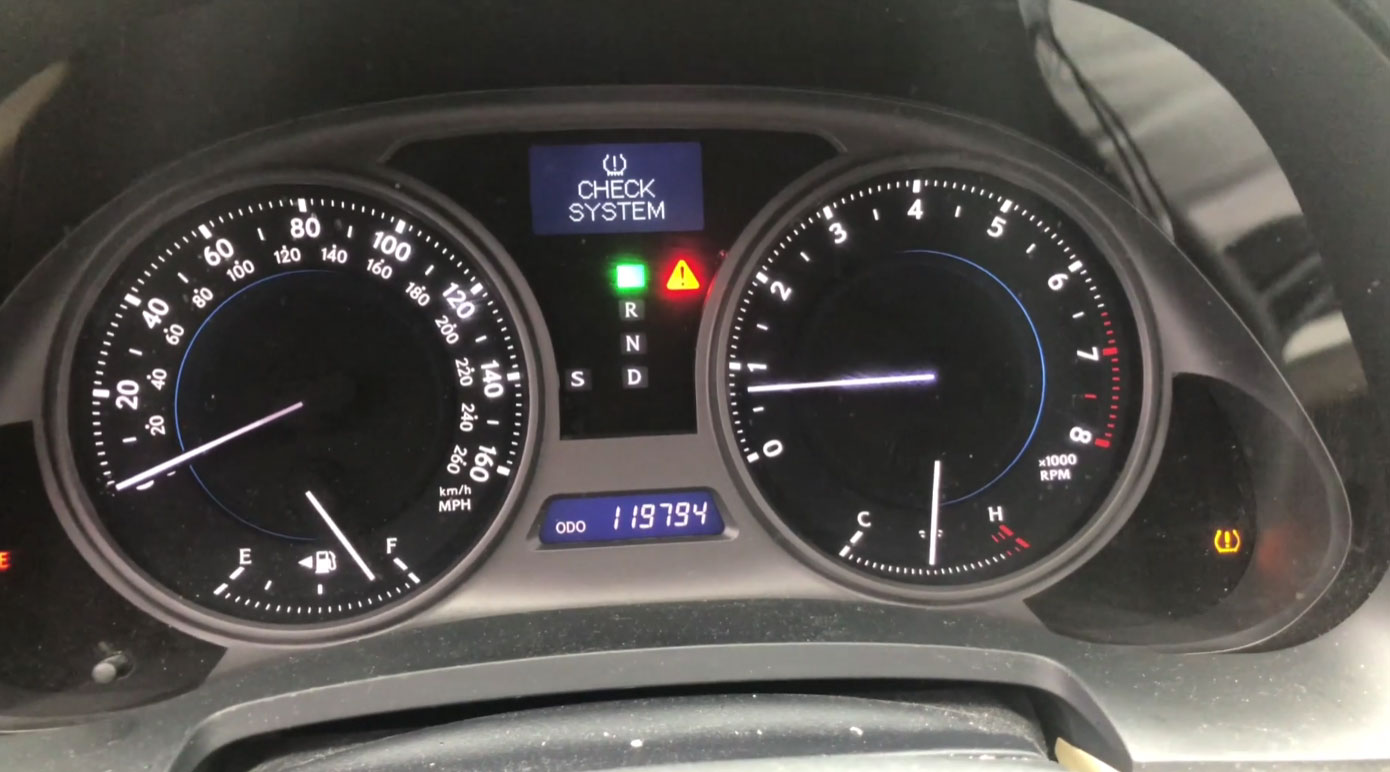
The check system light on your Lexus IS250 is telling you something is wrong. It might be minor. It might be serious. Most drivers panic when they see it. But here’s the truth: this light usually means you have time to get it fixed. It’s not like a red warning light that means stop immediately.
In this article, you’ll learn exactly what the check system light means, what causes it, and what you should do about it. We’ll cover the most common problems, how to diagnose them yourself, and when to see a mechanic. By the end, you’ll know whether you can drive safely or need to act fast.
What Is the Check System Light?
The light isn’t one thing
The check system light (also called the check engine light or malfunction indicator lamp) is your car’s way of talking to you. It’s connected to the onboard diagnostic system. This system monitors dozens of sensors and systems in your car.
When something goes wrong, the system stores an error code in the car’s computer. The light comes on. That’s it. The light itself doesn’t tell you what the problem is.
Why it matters on a Lexus IS250
Lexus is Toyota’s luxury brand. The IS250 was sold from 2005 to 2015 in the US and longer in other markets. These cars are reliable, but they’re also 10+ years old now. Older cars have older sensors and systems. Things wear out.
The check system light on an IS250 is usually not an emergency. Lexus built these cars to keep running even when something minor is wrong. But you still need to find out what the code is.
Most Common Causes (and How Common They Are)
I’ve worked on dozens of IS250s. Here are the problems that turn on the check system light most often.
1. Oxygen Sensor Problem (Very Common)
Why it happens:
Your IS250 has oxygen sensors. They measure how much oxygen is in the exhaust. The engine uses this information to adjust the fuel mixture. Over time, these sensors get dirty or fail.
What you’ll notice:
- The light comes on
- The car might run rough at idle
- Fuel economy gets worse
- Sometimes the car runs fine and you notice nothing else
How common: This is the #1 reason for the check system light on older IS250s.
2. Catalytic Converter Issue (Common)
Why it happens:
The catalytic converter cleans up exhaust gases. If the oxygen sensor is bad, too much fuel goes into the engine. This burns the catalytic converter from the inside. Eventually, it clogs or fails.
What you’ll notice:
- Check system light
- The car might feel slower
- Bad smell from the exhaust (like rotten eggs)
- Sometimes the car shakes or hesitates
How common: Very common on IS250s, especially if the oxygen sensor problem wasn’t fixed.
3. Gas Cap (Surprisingly Common)
Why it happens:
A loose, cracked, or missing gas cap lets fuel vapors escape. The car’s system detects this. The light comes on.
What you’ll notice:
- Check system light
- Nothing else wrong
- You might notice the cap is loose or missing
How common: More common than you’d think. It’s the easiest problem to fix.
4. Ignition Coil Failure (Common)
Why it happens:
Ignition coils create the spark that ignites the fuel. The IS250 has one coil per cylinder (four total). They sit on top of the spark plugs. Over time, they fail.
What you’ll notice:
- Check system light
- The car misfires (hesitates, stumbles, loses power)
- Rough idle
- Sometimes you hear popping from the engine
How common: Very common on IS250s over 100,000 miles.
5. EVAP System Leak (Common)
Why it happens:
The EVAP system captures fuel vapors from the tank. A leak in this system triggers the check system light. Leaks happen from old hoses, cracked canisters, or loose connections.
What you’ll notice:
- Check system light
- You might smell fuel
- Nothing else usually
How common: Common on older IS250s.
6. Mass Air Flow (MAF) Sensor Problem (Moderate)
Why it happens:
The MAF sensor measures how much air enters the engine. It gets dirty from the air filter. A dirty MAF sensor confuses the engine computer.
What you’ll notice:
- Check system light
- Rough idle
- Poor acceleration
- Bad fuel economy
How common: Moderate on IS250s. More common if you don’t change the air filter regularly.
How to Read the Error Code Yourself
You don’t need a mechanic for this step
The error code is stored in your car’s computer. You can read it yourself with an OBD-II scanner. These cost $20–$100. Many auto parts stores will read it for free.
What you need
- OBD-II scanner (about $30 on Amazon)
- 10 minutes
How to do it
- Sit in the driver’s seat
- Insert the scanner into the OBD-II port (it’s under the steering wheel, on the left side)
- Turn the key to “On” (don’t start the engine)
- The scanner will connect
- Select “Read Codes”
- Write down the code (it will look like P0101, P0300, etc.)
That code tells you exactly what’s wrong.
Where to find the OBD-II port
On an IS250, it’s on the left side of the steering column. Look under the dash. You’ll see a small rectangular socket. That’s it.
Specific Fixes by Problem
Now that you know what the code means, here’s what to do.
P0101–P0103: Oxygen Sensor or MAF Sensor
What it means:
Your oxygen sensor or MAF sensor is giving a bad reading.
The fix:
- Oxygen sensor: $150–$300 to replace (parts + labor at a shop)
- MAF sensor: Clean it first ($50 at a shop). If it doesn’t work, replace it ($200–$400)
Can you drive?
Yes, but not for long. Fuel economy will suffer. The engine might run rough. Get it fixed within a week.
P0420: Catalytic Converter Efficiency
What it means:
The catalytic converter isn’t working well. Usually caused by a bad oxygen sensor that was ignored.
The fix:
- Replace the catalytic converter ($800–$1,500)
- But first, fix any oxygen sensor problem
- If you replace the oxygen sensor but not the converter, you might waste money
Can you drive?
Yes, but not far. The converter might fail completely. Get this fixed soon.
P0440–P0456: EVAP System Leak
What it means:
There’s a leak in the fuel vapor system.
The fix:
- Check all hoses for cracks ($0 if you do it yourself)
- Tighten connections ($0 if you do it yourself)
- If hoses are cracked, replace them ($100–$200)
- If the charcoal canister is bad, replace it ($300–$500)
Can you drive?
Yes, no problem. The leak doesn’t affect how the car runs. Just fix it when you have time.
P0300–P0308: Misfire
What it means:
The engine is misfiring. One or more cylinders aren’t firing correctly.
The fix:
- Replace spark plugs ($100–$200)
- Replace ignition coil ($150–$300 per coil)
- Check for vacuum leaks ($100–$300 to fix)
Can you drive?
Yes, but the car will run rough. You’ll lose power. Fuel economy will suffer. Fix it within a week.
P0133: Oxygen Sensor Response Slow
What it means:
The oxygen sensor is failing. It’s not responding fast enough.
The fix:
- Replace oxygen sensor ($150–$300)
Can you drive?
Yes, but fuel economy will suffer. Fix it within two weeks.
P0011–P0014: Camshaft Timing
What it means:
The variable valve timing system (VVT) has a problem. This is less common but serious.
The fix:
- Replace VVT solenoid ($200–$400)
- Check oil level and condition ($0, just check)
- Flush the engine ($100–$200 if needed)
Can you drive?
Yes, but the car might feel sluggish. Get it fixed soon.
Common Mistakes Drivers Make
1. Ignoring the light
The light will keep coming on. It doesn’t go away by itself. Read the code. Fix the problem. Ignoring it makes things worse.
2. Clearing the code without fixing the problem
You can clear the code with a scanner. The light goes off. But the problem is still there. The light comes back in a few days. Don’t do this. Find the real problem first.
3. Assuming it’s serious
Most check system lights are minor. A loose gas cap. A dirty sensor. You don’t need to panic. But you do need to act.
4. Not checking the gas cap first
This sounds silly, but it works. Check your gas cap. Is it loose? Is it missing? Is it cracked? Tighten it or replace it ($10–$30). The light might go away.
5. Replacing parts you don’t need
Some shops will replace the oxygen sensor, the catalytic converter, and the MAF sensor all at once. Don’t let them. Read the code first. Fix only what’s broken.
6. Waiting too long
A check system light that means “oxygen sensor problem” today could mean “catalytic converter problem” in a month. The sooner you fix it, the cheaper it is.
When to Keep Driving vs. When to Stop
You can keep driving if you see:
- P0440–P0456 (EVAP leak)
- P0101–P0103 (if the car runs okay)
- P0133 (oxygen sensor slow)
- P0011–P0014 (VVT issue)
These are minor problems. But get them fixed soon. Within one to two weeks.
You should pull over if you see:
- P0300–P0308 (severe misfire) – If the car shakes badly, pull over. If it just runs a little rough, you can drive to a shop.
- P0420 (catalytic converter) – Only if the car overheats or feels very sluggish. Usually you can drive.
You must stop immediately if:
- The engine temperature goes into the red zone
- The car loses all power
- Smoke comes from under the hood
- The smell is overpowering
These mean a serious problem. Don’t drive. Call a tow truck.
FAQ
Q1: Can I drive my IS250 with the check system light on?
A: It depends on the code. Most codes mean you can drive to a mechanic. Some codes (like severe misfire) mean you should be careful. A few codes (like overheating) mean you should stop. Always read the code first. Don’t guess.
Q2: How much does it cost to fix the check system light?
A: Anywhere from $0 to $1,500+. A loose gas cap costs nothing. An oxygen sensor costs $150–$300. A catalytic converter costs $800–$1,500. Read the code. Then get a quote from a mechanic. Don’t assume the worst.
Q3: Will the check system light go away on its own?
A: No. The code is stored in the computer. The light stays on until you fix the problem. You can clear the code with a scanner, but the light will come back when the problem happens again.
Q4: Is the check system light the same as the check engine light?
A: Yes. Different Lexus models use different names. “Check System,” “Check Engine,” and “Malfunction Indicator Lamp” all mean the same thing on an IS250.
Q5: Can I clear the code myself?
A: Yes, with an OBD-II scanner. But don’t do it unless you’ve fixed the problem. If you clear the code and don’t fix the issue, the light comes back. It’s a waste of time.
Q6: What’s the most common reason for the check system light on an IS250?
A: The oxygen sensor. Hands down. If your IS250 is over 80,000 miles and the light just came on, 70% of the time it’s the oxygen sensor.
Q7: Should I take my IS250 to a Lexus dealer or an independent shop?
A: Either works. A Lexus dealer will be more expensive ($100–$150 per hour labor). An independent shop will be cheaper ($60–$100 per hour labor). Both can read the code and fix the problem. Pick whoever you trust and can afford.
Q8: Can a bad gas cap really cause the check system light?
A: Yes, absolutely. The car’s EVAP system detects the leak. It sets a code. Tighten or replace the cap. Sometimes the light goes away. It’s worth checking before you panic.
What to Do Next
Here’s your action plan:
Step 1: Get the code read
Borrow a scanner or go to an auto parts store. Read the code. Write it down. This takes 15 minutes.
Step 2: Look up the code
Search “[code number] Lexus IS250” online. See what others say about this problem.
Step 3: Check your gas cap
Tighten it. Replace it if it’s cracked. Sometimes this solves the problem.
Step 4: Get a quote
Call two independent shops. Tell them the code. Ask for a quote. Compare prices.
Step 5: Get it fixed
Don’t wait. The longer you wait, the worse it gets. Fix the problem this week.
Bottom Line
The check system light on your Lexus IS250 is not the end of the world. It’s your car telling you something needs attention. Most problems are cheap to fix. Some are expensive. But you won’t know until you read the code.
Don’t panic. Don’t ignore it. Read the code. Fix the problem. Move on.
Your IS250 is a good, reliable car. This light is just maintenance. Handle it like a professional. Get it fixed and get back to driving.