
Monday to Saturday - 9:00 am -18:00 pm

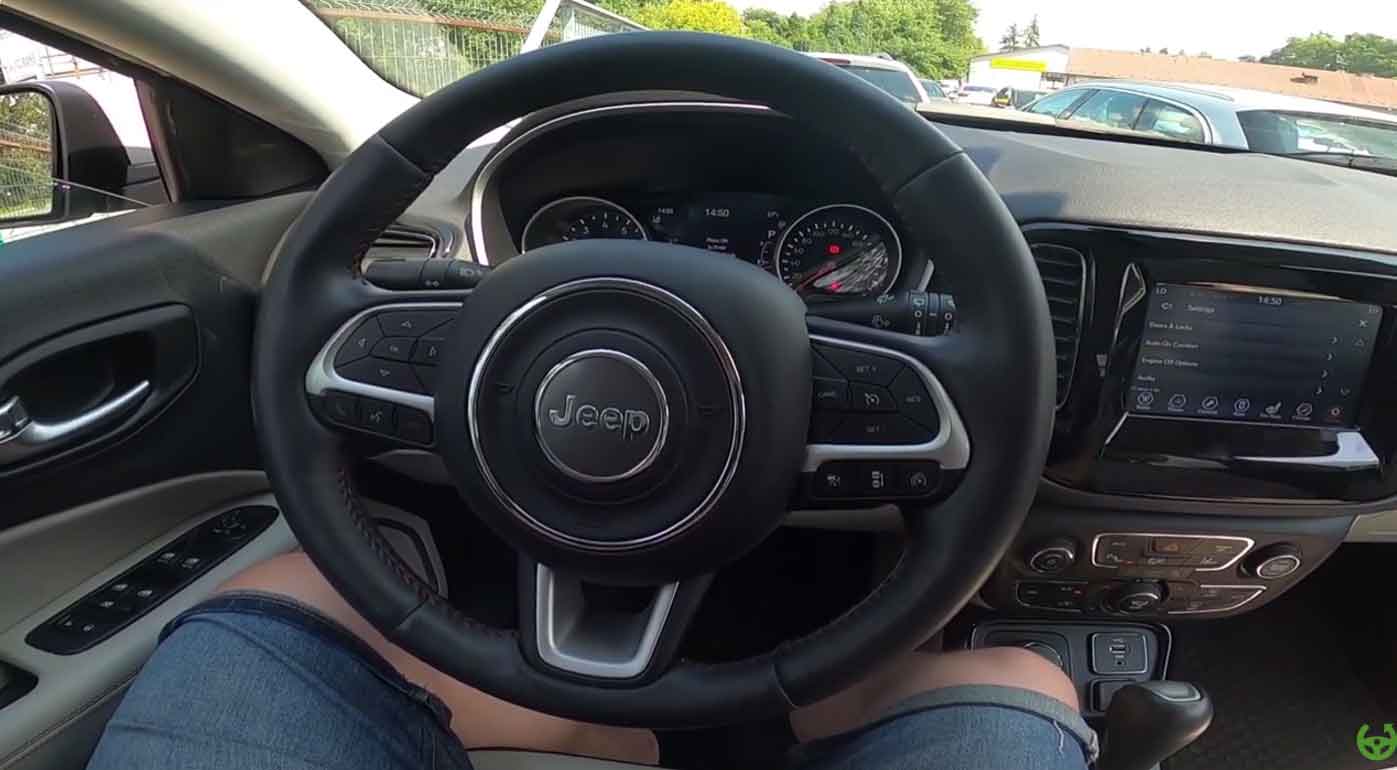
You walk up to your car with your keys in your pocket. You grab the door handle, expecting it to unlock automatically. But nothing happens. Then you see it on your dashboard: “Service Passive Entry System.”
This warning can be frustrating. Your car’s smart entry feature just stopped working. Don’t worry—I’m going to walk you through what this means and how to fix it.
What Does “Service Passive Entry System” Mean?
The “Service Passive Entry System” warning tells you something is wrong with your keyless entry. This system lets you unlock your car without pressing any buttons. It’s also called passive entry or hands-free access.
When this warning pops up, your car detected a problem. The system isn’t working properly anymore.
Here’s what happens when everything works correctly:
- You carry your key fob in your pocket or purse
- You walk up to your car
- The car senses the key fob nearby
- The doors unlock when you touch the handle
- You can start the engine with a push button
From years under the hood, I’ve seen this warning more times than I can count. It usually means your car can’t communicate with your key fob properly.
How Does the Passive Entry System Work?
Let me explain the basics. Understanding how this system works helps you fix problems faster.
Your key fob constantly sends out radio signals. These are low-frequency signals that only travel a few feet. Your car has sensors built into the door handles and inside the cabin.
When you get close enough, here’s what happens:
- Door sensors detect your key fob’s signal
- The car’s computer verifies it’s the right key
- The system unlocks the doors automatically
- The push-button start activates
Think of it like a secret handshake. Your key fob and car need to recognize each other perfectly. If anything interrupts this handshake, you get the warning message.
In my shop, I explain it like this to customers: Your car and key are trying to have a conversation. When that conversation gets interrupted, the system stops working.
Common Causes of the Service Passive Entry System Warning
I’ve diagnosed hundreds of these issues. Here are the most common culprits I find:
1. Dead or Weak Key Fob Battery
This is the number one cause. Your key fob battery doesn’t last forever. Most batteries die after 2-4 years of use.
A weak battery can’t send strong signals. Your car might detect the key fob sometimes but not always. This creates that annoying warning.
Signs your key fob battery is dying:
- You need to get closer to the car for it to work
- The system works sometimes but not others
- Your key fob’s unlock button range decreased
- The warning comes and goes randomly
2. Faulty Key Fob
Sometimes the key fob itself breaks. I’ve seen water damage, drops on concrete, and just plain wear and tear destroy key fobs.
The circuit board inside can crack. The buttons might wear out. When I service a car like this, I always check the fob for physical damage first.
3. Door Handle Sensors Failed
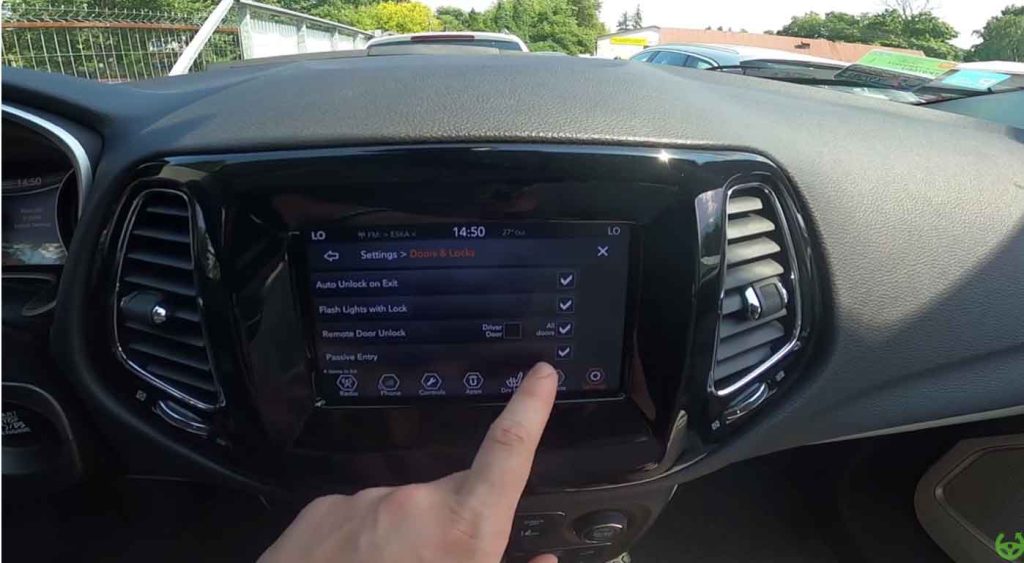
Your car has sensors built into each door handle. These sensors detect when you touch the handle. They also pick up the key fob signal.
These sensors can fail for several reasons:
- Water got inside and caused corrosion
- Extreme cold weather damaged the electronics
- The wiring connection came loose
- Normal wear and tear from thousands of uses
I once fixed a customer’s car where only the driver’s door sensor failed. The other three doors worked fine. That’s pretty common.
4. Low Car Battery Voltage
Your car’s main battery powers the passive entry system. When the battery gets weak, strange things happen.
The system needs a minimum voltage to operate correctly. A dying car battery can’t provide enough power. This triggers the warning message.
In my experience, if your car struggles to start or the lights dim, check your battery first.
5. Software Glitch
Modern cars run on computer software. Just like your phone, this software can glitch. A temporary bug might trigger the warning even when nothing is actually broken.
I’ve seen software updates fix these issues many times. Sometimes a simple system reset does the trick.
6. Damaged Wiring or Connections
The passive entry system has wires connecting all the sensors to the main computer. These wires can get damaged, especially in older vehicles.
Rodents sometimes chew through wires. Corrosion builds up on connections. Water leaks can short out circuits.
When I trace electrical problems, I always inspect the wiring harnesses carefully. One corroded connection can shut down the whole system.
7. Antenna Module Failure
Your car has a special antenna module that communicates with the key fob. This module processes the signals and talks to the car’s computer.
If this module fails, the entire system stops working. This is less common but more expensive to fix.
8. Interference from Other Electronics
Radio frequency interference can disrupt the system. Certain electronics near your car might block the signals.
I’ve seen problems caused by:
- Cell phone signal boosters
- Certain types of garage door openers
- Radio towers nearby
- Other key fobs from different cars
This is rare, but it happens. Try moving away from electronics if you suspect interference.
How to Diagnose the Problem
Let me share my diagnostic process. You can try these steps yourself before visiting a mechanic.
Step 1: Check Your Key Fob Battery
This is the easiest fix. Start here every time.
Look at your key fob. Most have a small slot or button to open them. Use a small flathead screwdriver or a coin to pop it open carefully.
Inside, you’ll see a small round battery. It’s usually a CR2032 or similar. Check the number printed on the battery.
Take that battery to any auto parts store, pharmacy, or supermarket. Buy a replacement. They usually cost $3-5.
Pop in the new battery. Make sure it’s facing the right direction. Match the + and – symbols.
Test your car immediately. Walk away and come back. See if the warning disappears.
Step 2: Test All Your Key Fobs
Do you have a spare key fob? Try using it. If your spare works fine, you know the problem is with your first key fob.
If both key fobs cause the same warning, the problem is in the car, not the keys.
From years under the hood, I always recommend testing every key fob you own. This saves a lot of diagnostic time.
Step 3: Check Your Car’s Battery
Pop your hood. Look at your car battery. Check the terminals for corrosion. That white or blue crusty stuff means corrosion is present.
If you have a multimeter, test the battery voltage. A healthy battery shows 12.4-12.7 volts when the car is off. Anything below 12.2 volts means your battery is weak.
Many auto parts stores test batteries for free. Drive over and have them check it.
Step 4: Test Each Door Handle
Try each door handle separately. Walk up to each door with your key fob in your pocket. Touch each handle.
Does one door work but others don’t? This tells you which sensor might be faulty. I use this trick in my shop all the time.
Step 5: Try a System Reset
Sometimes a simple reset fixes software glitches. Here’s how:
- Remove the key fob from the car completely
- Disconnect your car’s battery (negative terminal first)
- Wait 10-15 minutes
- Reconnect the battery (positive first, then negative)
- Try your key fob again
This forces the system to reboot. It clears temporary errors.
How to Fix the Service Passive Entry System Warning
Now let’s get into the actual fixes. These solutions range from simple DIY jobs to repairs that need professional help.
Fix 1: Replace the Key Fob Battery
I already explained how to do this above. It’s the cheapest and easiest fix.
Total cost: $3-5 Time needed: 5 minutes Difficulty: Very easy
When I service a car with this warning, I replace the key fob battery first 70% of the time. That’s how common this solution is.
Fix 2: Reprogram Your Key Fob
Sometimes the key fob loses its programming. Your car forgets that this key belongs to it.
You can reprogram some key fobs yourself. The process varies by car make and model. Check your owner’s manual for specific instructions.
Here’s a general process that works for many cars:
- Sit in the driver’s seat
- Close all doors
- Insert your key in the ignition
- Turn to the “On” position (don’t start the engine)
- Turn back to “Off”
- Repeat this on-off cycle 3-5 times quickly
- Press the lock button on your key fob
- Listen for a chime or see your lights flash
This doesn’t work for all vehicles. Some cars need dealer-level programming equipment. When I can’t reprogram a key fob in my shop, I send customers to the dealer.
Fix 3: Clean Battery Terminals
Corroded battery terminals cause all kinds of electrical problems. Cleaning them is easy.
What you need:
- Wire brush or battery terminal cleaner
- Baking soda
- Water
- Wrench
Here’s the process:
- Turn off your car completely
- Remove the negative cable first (black cable)
- Remove the positive cable (red cable)
- Mix baking soda and water into a paste
- Brush this paste onto the terminals
- Scrub with a wire brush
- Rinse with clean water
- Dry everything completely
- Reconnect positive first, then negative
Cost: $5-10 for supplies Time: 20 minutes Difficulty: Easy
Fix 4: Replace Your Car Battery
If your battery is old or weak, replace it. Most car batteries last 3-5 years.
A new battery costs $100-200 for most vehicles. Installation is straightforward if you’re handy.
In my shop, I use a battery tester before replacing anything. This confirms the battery is actually bad.
Fix 5: Replace the Door Handle Sensor
This is more complicated. Each door handle has a sensor module inside. These cost $50-200 depending on your car.
The repair process:
- Remove the door panel
- Disconnect the sensor wiring
- Remove the exterior door handle
- Install the new sensor
- Reassemble everything
- Test the system
Cost: $150-400 including parts and labor Time: 1-2 hours Difficulty: Moderate to difficult
I recommend having a professional do this unless you’re experienced with car repairs. You can damage the door panel easily if you’re not careful.
Fix 6: Update the Car’s Software
Modern cars need software updates just like your phone. These updates fix bugs and improve performance.
Visit your dealership for software updates. Some manufacturers offer over-the-air updates now. Check if your car has this feature.
When I see mysterious warnings that don’t match any physical problem, I always check for available updates.
Cost: Often free under warranty Time: 30 minutes to 2 hours Difficulty: Requires dealer equipment
Fix 7: Replace the Antenna Module
The antenna module is usually located inside the car. It might be under the dashboard, behind the center console, or near the steering column.
This is an expensive repair:
- Parts cost: $200-600
- Labor: $100-300
- Total: $300-900
This isn’t a DIY job for most people. The module needs to be programmed to your specific car. That requires dealer-level equipment.
In my shop, I only replace the antenna module after testing everything else first.
Fix 8: Repair Damaged Wiring
If wires are damaged, they need to be repaired or replaced. This requires tracing the entire wiring harness.
I use a multimeter to test continuity. This shows me exactly where the break or short is located.
Cost varies widely: $100-500 Time: 1-4 hours Difficulty: Difficult
This repair needs professional diagnostics. Finding electrical problems takes experience and proper tools.
When to Visit a Professional Mechanic
Some problems need professional help. Here’s when you should visit a shop:
- You replaced the key fob battery, but the warning remains
- Multiple electrical systems are acting strange
- You don’t have tools for diagnostic work
- The problem only happens sometimes (intermittent issues are tricky)
- Your car is still under warranty
In my shop, I have scan tools that read specific error codes. These codes tell me exactly which sensor or component failed. You can’t get this information without professional equipment.
Prevention Tips
Let me share some tips to prevent this warning from appearing:
Keep spare key fob batteries. Buy a few extras. Keep them in your glovebox. Replace batteries every 2-3 years, even if they still work.
Protect your key fob. Don’t drop it. Keep it away from water. I’ve seen too many key fobs destroyed by washing machines or swimming pools.
Maintain your car battery. Clean the terminals yearly. Test the battery before winter. Replace it before it dies completely.
Park in a garage when possible. Extreme temperatures damage electronics. Sensors last longer when protected from weather.
Get regular maintenance. Electrical problems often show up during routine service. Catching them early saves money.
Keep your car’s software updated. Visit the dealer for recalls and software updates. These often fix bugs before they cause problems.
Cost Breakdown
Here’s what you can expect to pay for different repairs:
DIY Fixes:
- Key fob battery: $3-5
- Battery terminal cleaning: $5-10
- Car battery: $100-200
Professional Repairs:
- Key fob programming: $50-150
- Door handle sensor: $150-400
- Car battery installation: $150-250
- Antenna module: $300-900
- Wiring repair: $100-500
- Full system diagnosis: $100-200
These are general estimates. Prices vary by location and vehicle type. Luxury cars always cost more to repair.
Final Thoughts
The “Service Passive Entry System” warning might seem scary at first. But now you know it’s usually a simple fix.
Start with the basics. Replace your key fob battery. Clean your car battery terminals. Test all your key fobs.
These simple steps fix the problem 80% of the time in my experience. You’ll save hundreds of dollars compared to rushing to a mechanic.
If basic fixes don’t work, then visit a professional. Bring this article with you. Tell the mechanic what you already tried. This saves diagnostic time and money.
From years under the hood, I can tell you that passive entry systems are reliable. When they fail, it’s usually something small and fixable.
Don’t ignore the warning. The longer you wait, the more you’ll rely on manually unlocking your car. That gets old fast. Plus, an underlying problem might get worse over time.
Take care of your car, and it’ll take care of you. This warning is just your car asking for a little attention. Give it that attention, and you’ll be back to convenient keyless entry in no time.
Stay safe on the road, and keep those keys charged!
About the Author: This article was written by an automotive technician with over 15 years of hands-on experience diagnosing and repairing modern vehicle electrical systems. The advice comes from real-world shop experience and hundreds of successful repairs.