
Monday to Saturday - 9:00 am -18:00 pm

What Does “Service Throttle Body” Mean?
The “Service Throttle Body” warning light is your car’s way of saying something’s wrong with the air control system.
In my shop, I see this light almost every week. It’s one of those warnings that makes drivers nervous.
Here’s what’s happening inside your engine:
The throttle body controls how much air enters your engine. Think of it like your car’s breathing system. When you press the gas pedal, the throttle body opens wider. This lets more air in. More air means more power.
When this system fails, your car’s computer sends a warning. That’s the “Service Throttle Body” message on your dashboard.
Why This Warning Appears
From years under the hood, I’ve learned this warning doesn’t show up for no reason.
Your car has sensors watching the throttle body constantly. When something seems off, they trigger the warning light.
The most common trigger is carbon buildup. Over time, oily residue coats the inside of the throttle body. This gunk makes it harder for the valve to move smoothly.
Another trigger is sensor failure. Modern cars have position sensors on the throttle body. These tell the computer exactly where the valve is. When sensors go bad, the computer gets confused.
Electrical problems also cause this warning. A loose wire or corroded connector can make the whole system act up.
Common Symptoms You’ll Notice
When I service a car with throttle body problems, the owner usually describes similar symptoms.
Rough Idling
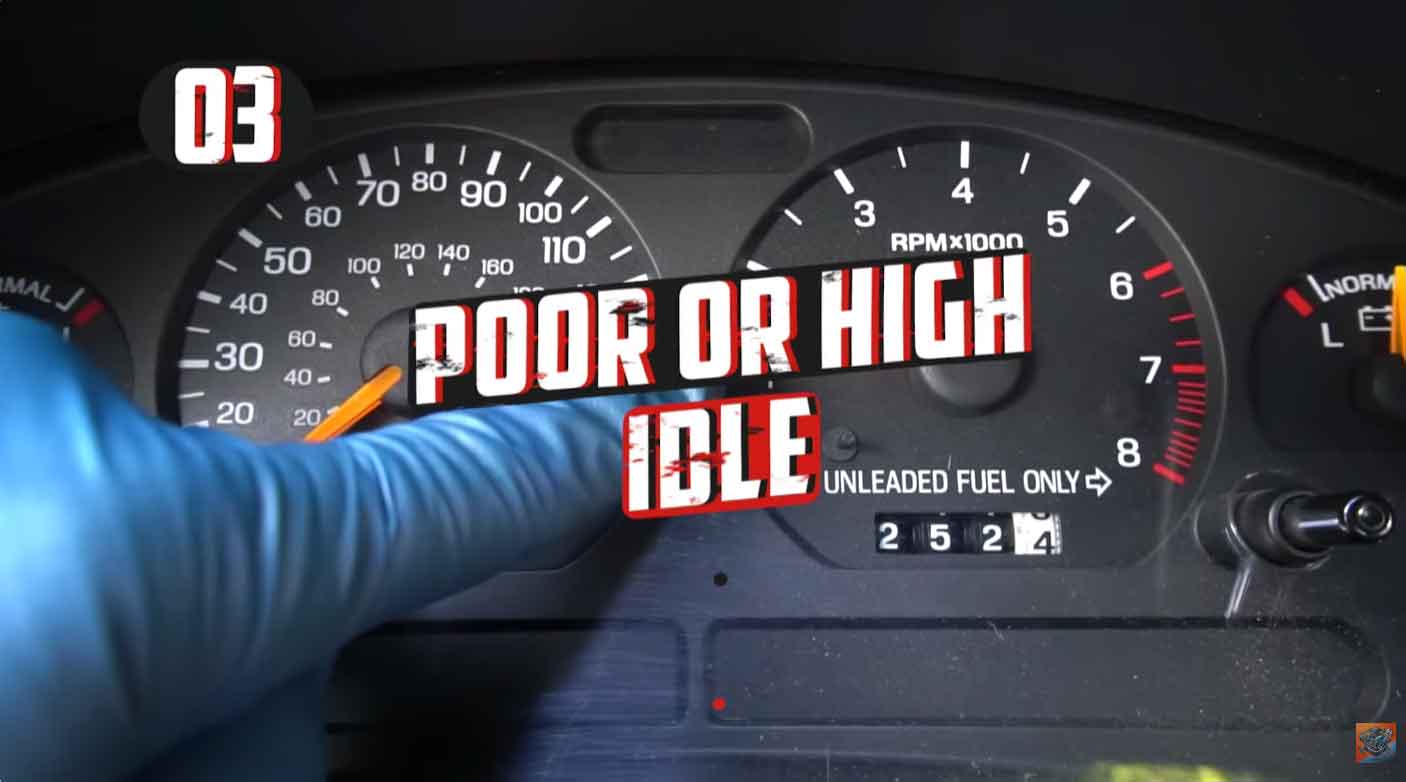
Your engine shakes or vibrates when stopped at a light. The RPM needle bounces up and down. This happens because the throttle valve isn’t closing properly.
Stalling Out
The engine suddenly dies, especially at stop signs. You have to restart it multiple times during a short drive. This is dangerous and frustrating.
Poor Acceleration
You press the gas pedal, but nothing happens for a second. Then the car lurches forward. The throttle response feels delayed or jerky.
Check Engine Light
That orange engine symbol stays lit on your dashboard. Sometimes it blinks. This means the computer stored an error code.
Higher Fuel Consumption
You’re filling up more often than usual. A dirty throttle body makes your engine work harder. This wastes gas.
Reduced Power Mode
Your car enters “limp mode” and won’t go above 30-40 mph. This is a safety feature that protects your engine from damage.
What Causes Throttle Body Problems?
Let me break down the main culprits I find when diagnosing these issues.
Carbon and Oil Buildup
This is the number one cause in my experience.
Engine oil vapor from the PCV system creates a sticky film. Dust and dirt stick to this film. Over months and years, it builds into thick black crud.
I’ve cleaned throttle bodies that looked like they were coated in tar. The valve could barely move.
Faulty Throttle Position Sensor
The TPS tells your car’s computer where the throttle plate is positioned.
These sensors wear out after 100,000 miles or more. When they fail, they send wrong signals. Your car doesn’t know if you’re pressing the gas or not.
Bad Accelerator Pedal Sensor
Modern cars don’t use cables anymore. They use electronic pedal sensors instead.
When this sensor goes bad, your inputs don’t reach the throttle body. It’s like shouting into a broken phone.
Electrical Connection Issues
Moisture gets into connectors. This causes corrosion on the metal contacts.
I use electrical contact cleaner and dielectric grease to prevent this. A $5 fix can save you from a $500 sensor replacement.
Vacuum Leaks
Air sneaking in around gaskets confuses the engine computer.
The computer expects a certain air-to-fuel ratio. Extra air throws everything off balance. This triggers warning lights.
Worn Throttle Body Components
The throttle plate shaft has bushings. These wear out over time. When they get loose, the valve doesn’t seal properly at idle.
I’ve seen throttle bodies last 150,000 miles. I’ve also seen them fail at 80,000. It depends on driving conditions and maintenance.
How to Diagnose the Problem
Here’s my step-by-step process when a car comes in with this warning.
Step 1: Read the Error Codes
I plug in my OBD-II scanner first thing. This tool reads codes stored in the car’s computer.
Common codes I see:
- P0121 – Throttle position sensor range problem
- P0122 – TPS circuit low input
- P0123 – TPS circuit high input
- P2101 – Throttle actuator control motor circuit range
- P2111 – Throttle actuator control system stuck open
- P2176 – Throttle actuator position not learned
These codes point me in the right direction. They don’t always tell the full story, but they’re a great start.
Step 2: Visual Inspection
I remove the air intake tube to look at the throttle body.
I’m checking for:
- Black carbon deposits
- Oil coating inside the bore
- Damaged gaskets
- Loose electrical connectors
- Cracked vacuum hoses
Often, I can spot the problem just by looking.
Step 3: Test the Throttle Position Sensor
Using a multimeter, I check the TPS voltage.
With the key on (engine off), the sensor should show around 0.5 volts at closed throttle. As I manually open the throttle plate, voltage should increase smoothly to about 4.5 volts.
If the voltage jumps around or doesn’t change, the sensor is bad.
Step 4: Check for Vacuum Leaks
I spray brake cleaner around vacuum hoses and gaskets while the engine idles.
If the idle speed changes when I spray a certain area, there’s a leak. This method has helped me find dozens of hard-to-spot leaks.
Step 5: Test Drive
I take the car for a drive to feel how it responds.
I pay attention to:
- Throttle response time
- Any hesitation during acceleration
- Whether it stalls at stop signs
- If it enters reduced power mode
This hands-on testing reveals problems that don’t always show up on scanners.
How to Fix Throttle Body Issues
Now let’s talk solutions. Most throttle body problems fall into these categories.
Cleaning the Throttle Body
This is the most common fix in my shop.
Tools You’ll Need:
- Throttle body cleaner spray
- Clean microfiber cloths
- Socket set or screwdrivers
- Shop towels
My Cleaning Process:
- Disconnect the negative battery cable. Wait 5 minutes. This prevents electrical issues.
- Remove the air intake tube. This gives you access to the throttle body.
- Spray throttle body cleaner onto the valve plate and inside the bore. Don’t flood it—use controlled sprays.
- Use a clean cloth to wipe away the carbon. For stubborn buildup, I use a soft toothbrush.
- Clean both sides of the throttle plate. Make sure you can see shiny metal again.
- Wipe down the bore where the throttle plate seals when closed.
- Let everything dry for a few minutes.
- Reinstall the air intake tube.
- Reconnect the battery.
- Start the engine and let it idle for 5 minutes. The computer needs to relearn idle settings.
Important Warning: Never force the throttle plate open on electronic throttle bodies. You can damage the motor inside. Let it move naturally as you clean.
Replacing the Throttle Position Sensor
If cleaning doesn’t work, the sensor might be toast.
Replacement Steps:
- Locate the TPS on the throttle body. It’s usually on the side with two or three bolts.
- Disconnect the electrical connector. Press the tab and pull gently.
- Remove the mounting bolts. They’re usually Torx or small sockets.
- Pull off the old sensor.
- Install the new sensor. Make sure it’s oriented correctly.
- Tighten the bolts to the specified torque (usually 20-30 inch-pounds).
- Reconnect the electrical plug.
- Clear the error codes with your scanner.
- Test drive the car.
Replacing the Entire Throttle Body
Sometimes the whole throttle body needs replacement.
I recommend OEM parts when possible. Aftermarket throttle bodies can be unreliable.
Installation Process:
- Disconnect the battery.
- Remove the air intake tube.
- Unplug all electrical connectors from the throttle body.
- Disconnect any coolant hoses (some throttle bodies have coolant running through them).
- Remove the mounting bolts holding the throttle body to the intake manifold.
- Pull off the old throttle body. The gasket will likely tear—that’s normal.
- Clean the mounting surface on the intake manifold. Remove all old gasket material.
- Install the new gasket. Don’t reuse the old one.
- Position the new throttle body.
- Hand-tighten all bolts first, then torque them in a crisscross pattern.
- Reconnect coolant hoses and electrical connectors.
- Reinstall the air intake tube.
- Reconnect the battery.
- Turn the key to “on” (don’t start the engine yet). This allows the throttle body to initialize.
- Start the engine. It might idle rough for the first minute—this is normal.
Fixing Electrical Issues
Corroded connectors are easy fixes if you catch them early.
I remove the connector and spray it with electrical contact cleaner. I use a small wire brush to clean the terminals inside the connector.
After cleaning, I apply dielectric grease. This prevents future corrosion.
If wires are damaged, I solder in new sections and heat shrink them. Tape alone doesn’t last.
Repairing Vacuum Leaks
When I find a vacuum leak, the fix depends on the location.
Cracked hoses: I replace the entire hose. Patching with tape is a temporary fix at best.
Bad intake gasket: This requires removing the intake manifold. It’s a bigger job but necessary.
Loose clamps: I tighten them or replace with new worm-drive clamps.
DIY vs Professional Repair
Let me be honest about what you can tackle yourself.
Good DIY Projects:
- Cleaning the throttle body
- Replacing simple sensors
- Fixing obvious electrical connections
Better Left to Pros:
- Complete throttle body replacement on complex systems
- Diagnosing intermittent electrical faults
- Programming new throttle bodies (some need computer initialization)
In my shop, basic cleaning takes 30-45 minutes. Sensor replacement takes about an hour. Full throttle body replacement can take 2-3 hours depending on the vehicle.
Cost Breakdown
Here’s what you can expect to pay.
Throttle Body Cleaning:
- DIY: $10-15 for cleaner
- Professional: $80-150
Throttle Position Sensor:
- Part: $30-80
- Labor: $50-100
- Total: $80-180
Complete Throttle Body Replacement:
- Part: $150-500
- Labor: $100-200
- Total: $250-700
Luxury cars cost more. A BMW or Mercedes throttle body might run $600-1000 just for the part.
How to Prevent Future Problems
From years of experience, I’ve learned prevention is way cheaper than repair.
Regular Cleaning Schedule
Clean your throttle body every 30,000-50,000 miles. This prevents heavy carbon buildup.
I offer this as a service during regular maintenance. It takes minutes and saves headaches later.
Use Quality Fuel
Top-tier gas has better detergents. These keep your fuel system cleaner.
I’ve noticed cars that use premium brands need throttle body cleaning less often.
Replace Air Filters on Time
A clogged air filter forces the engine to suck harder. This pulls more oil vapor through the PCV system. More oil vapor means more buildup.
Change your air filter every 15,000-20,000 miles.
Fix Oil Leaks Promptly
Excessive oil consumption or leaks increase vapor in the intake system.
When I see a car with heavy throttle body buildup, I always check for oil leaks.
Address Check Engine Lights Quickly
Don’t ignore warning lights. Small problems become big problems when ignored.
I’ve seen $50 sensor issues turn into $1000 throttle body replacements because drivers waited too long.
Frequently Asked Questions
Can I drive with the “Service Throttle Body” warning?
Short distances to a repair shop—yes. Long trips—no.
Your car might enter limp mode unexpectedly. This is dangerous on highways. I’ve had customers stranded because they ignored the warning.
Will disconnecting the battery reset the warning?
Temporarily, yes. But the warning will come back if the problem isn’t fixed.
Disconnecting the battery clears codes. It doesn’t fix the underlying issue.
Is throttle body cleaner safe for all engines?
Most throttle body cleaners are safe. But check your owner’s manual first.
Some cars with coated throttle bodies shouldn’t be cleaned with harsh chemicals. The coating helps reduce deposits.
How long does a throttle body last?
With proper maintenance, 150,000+ miles is common.
I’ve seen them last 200,000 miles on well-maintained cars. I’ve also seen failures at 60,000 on neglected vehicles.
Can a dirty throttle body damage my engine?
Not directly. But it creates conditions that can cause damage.
Poor fuel economy means incomplete combustion. This can damage catalytic converters over time. Rough idling can cause extra wear on motor mounts.
When to See a Mechanic Immediately
Some situations need professional attention right away.
Your car enters limp mode repeatedly. This indicates serious throttle control problems. Don’t risk it.
The warning light blinks instead of staying solid. Blinking means active misfires. Continued driving can damage the catalytic converter.
You smell fuel inside the car. This could indicate a dangerous fuel system issue related to air-fuel mixture problems.
The car stalls in traffic. This is a safety hazard. Get it towed if necessary.
Multiple warning lights appear together. This suggests a major system problem beyond just the throttle body.
My Final Thoughts
After fixing hundreds of throttle body issues, here’s what I know for sure:
Most problems are preventable with regular cleaning. It’s a simple maintenance task that saves money.
Don’t panic when you see the warning light. Most throttle body issues are fixable without breaking the bank.
Pay attention to how your car drives. Catching problems early makes repairs easier and cheaper.
If you’re not comfortable working on your car, that’s okay. Find a trustworthy mechanic. A good shop will diagnose the issue properly before throwing parts at it.
The throttle body is a critical component. It deserves attention and care. Keep it clean, and it’ll keep your car running smoothly for years.
From my shop to your driveway, I hope this guide helps you understand and fix your throttle body issues. Drive safe out there.