
Monday to Saturday - 9:00 am -18:00 pm

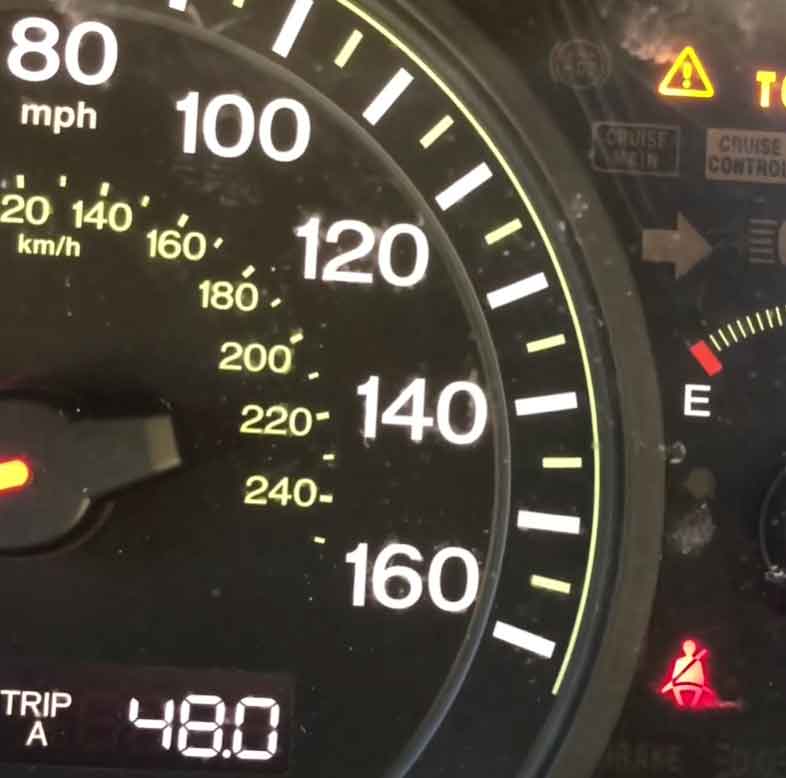
What Does the TCS Light Mean on a Honda Accord?
The TCS light stands for Traction Control System. When this light pops up on your dashboard, your car is telling you something important.
In my shop, I see this light almost every week. It means your Honda’s computer has found a problem with the traction control.
Your traction control helps your wheels grip the road. It stops your tires from spinning when roads are slippery. The system works with your brakes and engine to keep you safe.
When the light stays on, the system might be turned off. Or something could be broken. Either way, you need to figure out what’s wrong.
Why Is My Honda Accord TCS Light On?
From years under the hood, I’ve learned there are many reasons for this light. Let me walk you through the most common ones.
1. Low Brake Fluid Level
Your brake fluid does more than just help you stop. The TCS system uses it too.
When brake fluid gets low, the TCS light can turn on. I check this first because it’s the easiest fix.
Open your hood and look at the brake fluid reservoir. It’s a small plastic container near the back of the engine bay. If the fluid is below the “MIN” line, that’s your problem.
2. Faulty Wheel Speed Sensors
These sensors sit on each wheel. They tell your car how fast each wheel is spinning.
When a sensor goes bad, your TCS can’t do its job. The light comes on to warn you.
I use a scan tool called an OBD2 scanner to check these sensors. Most auto parts stores will scan your car for free.
Wheel speed sensors get dirty from road grime. Sometimes they just wear out over time. On Honda Accords from 2003 to 2012, I replace these sensors often.
3. Bad Steering Angle Sensor
This sensor tells your car which way you’re turning the wheel. Your TCS needs this information.
When I service a car like this, I often find the sensor needs to be reset. Sometimes it needs replacement.
You’ll usually see this problem after getting a wheel alignment. The sensor can lose its calibration.
4. Damaged ABS Module
The ABS module controls both your anti-lock brakes and traction control. When this part fails, both systems can shut down.
This is a bigger repair. The module sits under your hood, usually near the brake master cylinder.
I’ve seen corrosion damage these modules, especially in cars that drive through snow and salt. Water can get inside and ruin the electronics.
5. Worn or Mismatched Tires
Your tires need to be the same size. They should have similar tread depth too.
When tires don’t match, the wheel speed sensors get confused. The TCS light turns on.
I always check tire sizes with my tread depth gauge. If one tire is much more worn than the others, that’s likely your issue.
6. Electrical Problems
Sometimes the issue is just a loose wire or bad connection. Corrosion on electrical connectors causes problems too.
I wiggle all the connectors near the wheel sensors. If the light flickers when I do this, I’ve found the problem.
Battery problems can also trigger the TCS light. A weak battery gives inconsistent power to your car’s computer.
7. TCS Button Accidentally Pressed
This sounds silly, but it happens more than you’d think. The TCS button is usually near your gear shifter.
If someone bumps this button, the traction control turns off. The light stays on until you press the button again.
Look for a button with a car and squiggly lines behind it. Press it once and see if the light goes off.
How to Diagnose the TCS Light Problem
Here’s how I diagnose this issue in my shop. You can do most of these steps at home.
Step 1: Check the Simple Stuff First
Start with the easy things. Press the TCS button to make sure it’s not just turned off.
Next, check your brake fluid level. Top it off if it’s low. Use only DOT 3 or DOT 4 brake fluid for your Honda.
Look at all four tires. Make sure they’re the same size and properly inflated.
Step 2: Use a Diagnostic Scanner
Get your hands on an OBD2 scanner. These tools plug into a port under your dashboard.
The scanner will show you error codes. Write down any codes that start with “C” – these are chassis codes related to TCS and ABS.
Common codes I see include:
- C1201: ECM/PCM communication problem
- C1223: Bad wheel speed sensor signal
- C1242: Front right wheel speed sensor issue
- C1243: Front left wheel speed sensor issue
Step 3: Inspect the Wheel Speed Sensors
Get your car on jack stands. Never work under a car that’s only held up by a jack.
Look at each wheel speed sensor. They’re usually attached to the wheel hub or knuckle.
Check for damage to the sensor or its wire. Look for dirt or metal shavings stuck to the sensor tip.
I clean these sensors with brake cleaner spray. Sometimes that’s all they need.
Step 4: Check Electrical Connections
Follow the wires from each wheel sensor back to the connectors. Look for green corrosion or loose plugs.
Spray electrical contact cleaner on any dirty connections. Let them dry completely.
Test the battery voltage with a multimeter. It should read 12.4 to 12.8 volts when the car is off.
Step 5: Test Drive the Vehicle
After making any repairs, take your car for a test drive. Drive in a safe area.
The TCS light might stay on until you reach about 12 mph. This is normal – the system does a self-check.
If the light goes off and stays off, you fixed the problem. If it comes back on, you need to dig deeper.
How to Fix the TCS Light on Honda Accord
Now let me show you how to fix the most common problems. Some are DIY-friendly. Others need a professional.
Fix 1: Add Brake Fluid
This is the easiest repair. Buy a bottle of DOT 3 brake fluid from any auto parts store.
Open the brake fluid reservoir cap. Pour fluid slowly until it reaches the “MAX” line.
Don’t overfill it. Brake fluid is toxic, so wash your hands after.
Start your car. The TCS light should turn off within a few seconds.
Fix 2: Replace a Wheel Speed Sensor
You’ll need basic hand tools for this job. A 10mm socket and ratchet work for most Hondas.
Jack up the car and remove the wheel. The sensor is near the wheel hub.
Disconnect the electrical plug first. Then remove the mounting bolt.
Pull the old sensor out gently. Sometimes they’re stuck from rust.
Install the new sensor and tighten the bolt to about 10 ft-lbs. Don’t overtighten it.
Clear the error codes with your scanner. The light should stay off now.
Fix 3: Clean Dirty Sensors
You don’t always need new sensors. Cleaning often works.
Remove the sensor like I described above. Spray it with brake cleaner.
Use a soft brush to scrub away dirt and metal particles. Let it dry completely.
Reinstall the sensor and test drive your car.
In my experience, this fixes about 40% of wheel speed sensor problems.
Fix 4: Reset the Steering Angle Sensor
This requires a scan tool with Honda-specific functions. Most DIY scanners can’t do this.
Many shops will do this reset for $50 to $100. It takes about 15 minutes.
The process involves turning the steering wheel fully left, then fully right, then center. The scanner records the new center position.
After a wheel alignment, always ask the shop to reset this sensor.
Fix 5: Replace Mismatched Tires
If your tires don’t match, you need new ones. The diameter difference can’t be more than 3%.
I recommend replacing tires in pairs at minimum. All four is better.
When you buy new tires, keep the tire size exactly the same as your original size. Check your driver’s door jamb for the correct size.
After installing new tires, drive for about 10 miles. The TCS light should turn off automatically.
Fix 6: Repair Electrical Issues
For corroded connectors, I use dielectric grease. This prevents future corrosion.
If wires are broken or frayed, they need to be repaired properly. Don’t just use electrical tape.
Solder the wires together and cover them with heat-shrink tubing. This makes a permanent fix.
Bad battery connections can cause the TCS light too. Clean your battery terminals with a wire brush.
Fix 7: Replace the ABS Module
This is an expensive repair. The part alone costs $300 to $800 for most Honda Accords.
Labor adds another $200 to $400. The module needs to be programmed to your specific car.
This isn’t a DIY job unless you have professional equipment. I only recommend this after testing everything else.
Can You Drive With the TCS Light On?
Yes, you can drive your car. But I don’t recommend it for long.
Your car will still run normally in most cases. The engine and transmission work fine.
However, your traction control is disabled. On wet or icy roads, your wheels can spin easier. You have less control in bad weather.
The TCS system helps prevent accidents. Driving without it is like driving an older car from the 1990s.
I tell my customers to get it fixed within a week or two. Don’t wait months.
How Much Does It Cost to Fix the TCS Light?
The cost depends on what’s actually wrong. Here’s what I typically charge in my shop:
Simple Fixes:
- Brake fluid top-off: $0 to $20
- Pressing the TCS button: Free
- Cleaning wheel sensors: $40 to $80
Common Repairs:
- Wheel speed sensor replacement: $150 to $300 per sensor
- Steering angle sensor reset: $50 to $100
- Electrical connector repair: $75 to $150
Major Repairs:
- ABS module replacement: $500 to $1,200
- Complete set of four new sensors: $600 to $1,000
Dealerships usually charge more than independent shops. You can save 30% to 40% by going to a trusted local mechanic.
Will the TCS Light Turn Off By Itself?
Sometimes yes, sometimes no. It depends on the problem.
If you accidentally hit the TCS button, just press it again. The light turns off immediately.
When I see a light caused by low brake fluid, it turns off after you add fluid and drive a short distance.
For temporary electrical glitches, the light might go off after you restart your car a few times.
But real problems don’t fix themselves. Bad sensors, broken modules, and damaged wiring need actual repairs.
Don’t ignore a TCS light that keeps coming back. The problem will only get worse.
Preventing Future TCS Light Issues
From years under the hood, I’ve learned prevention saves money. Here’s what I tell every customer.
Regular Maintenance Matters
Check your brake fluid every oil change. Keep it topped off.
Have your brakes inspected once a year. Low brake pads can affect the TCS system.
Replace your brake fluid every 3 years. Old fluid absorbs moisture and causes corrosion.
Keep Your Sensors Clean
When you wash your car, spray water around your wheels. This removes road salt and grime.
After driving through deep water or mud, check your wheel sensors. Clean them if needed.
In winter, rinse your undercarriage regularly. Salt is the enemy of sensors and wiring.
Use Quality Parts
Always buy good quality replacement sensors. Cheap parts fail quickly.
I use OEM Honda parts or trusted brands like Bosch and Denso. They last longer than bargain sensors.
For brake fluid, stick with name brands. I use Valvoline or Prestone in my shop.
Watch Your Battery Health
Get your battery tested every year. Most auto parts stores do this for free.
Replace your battery every 4 to 5 years. Don’t wait until it dies completely.
Clean your battery terminals twice a year. Corrosion here affects your entire electrical system.
Drive Carefully
Avoid hitting curbs and potholes when possible. These impacts can damage wheel sensors.
Don’t drive through deep water unless necessary. Water can damage the ABS module.
In winter, be gentle when pulling out of snow. Aggressive wheel spin can hurt the TCS system.
When to See a Professional Mechanic
Some TCS problems are easy to fix at home. Others need professional help.
You should visit a mechanic when:
The scan tool shows codes you don’t understand. Some codes require special equipment to diagnose.
You’ve tried basic fixes and the light keeps coming back. This means there’s a deeper problem.
The light comes on with other warning lights. Multiple lights often mean a serious issue.
Your car handles differently or pulls to one side. This could be a safety problem.
You don’t have the tools or confidence to do the repair. It’s better to pay a pro than make things worse.
The ABS light is also on. This combination suggests a module problem that needs professional diagnosis.
In my shop, I see DIY repairs gone wrong all the time. People replace parts that weren’t bad. They waste money guessing.
A good mechanic has the right tools to diagnose the real problem. We save you time and money in the long run.
Common Questions About Honda Accord TCS Light
Does the TCS light affect my check engine light?
Usually not. These are separate systems. But sometimes a bad wheel sensor triggers both lights.
Can I disconnect the TCS system permanently?
Technically yes, but I never recommend it. You lose an important safety feature. Your insurance might not cover an accident if they find out.
Why does my TCS light blink sometimes?
A blinking TCS light means the system is actively working. It’s reducing power or applying brakes to help you gain traction.
This happens on slippery roads. It’s normal and means the system is doing its job.
Does disconnecting the battery reset the TCS light?
It might temporarily. But if there’s a real problem, the light comes back on within minutes.
I only disconnect the battery after making an actual repair. This clears the computer’s memory.
Can bad spark plugs cause the TCS light?
Not directly. But misfiring can confuse the computer. I’ve seen this happen a few times.
Fix engine problems first. Then see if the TCS light stays on.
Final Thoughts
The TCS light on your Honda Accord isn’t something to panic about. But don’t ignore it either.
Start with the simple checks. Look at brake fluid, tire condition, and the TCS button.
Use a code scanner to see what your car is trying to tell you. This guides you to the real problem.
Many TCS issues are cheap and easy to fix. Wheel sensors and brake fluid cost very little.
When in doubt, visit a trusted mechanic. We can diagnose problems quickly with professional tools.
Your traction control keeps you safe on slippery roads. It’s worth fixing properly.
From my experience, most customers spend $100 to $300 to fix a TCS light. That’s money well spent for your safety.
Take care of your Honda, and it will take care of you. These cars are reliable when properly maintained.
If you have questions about your specific situation, ask a professional. Every car is a little different.
Stay safe on the roads, and keep that TCS light off!