
Monday to Saturday - 9:00 am -18:00 pm

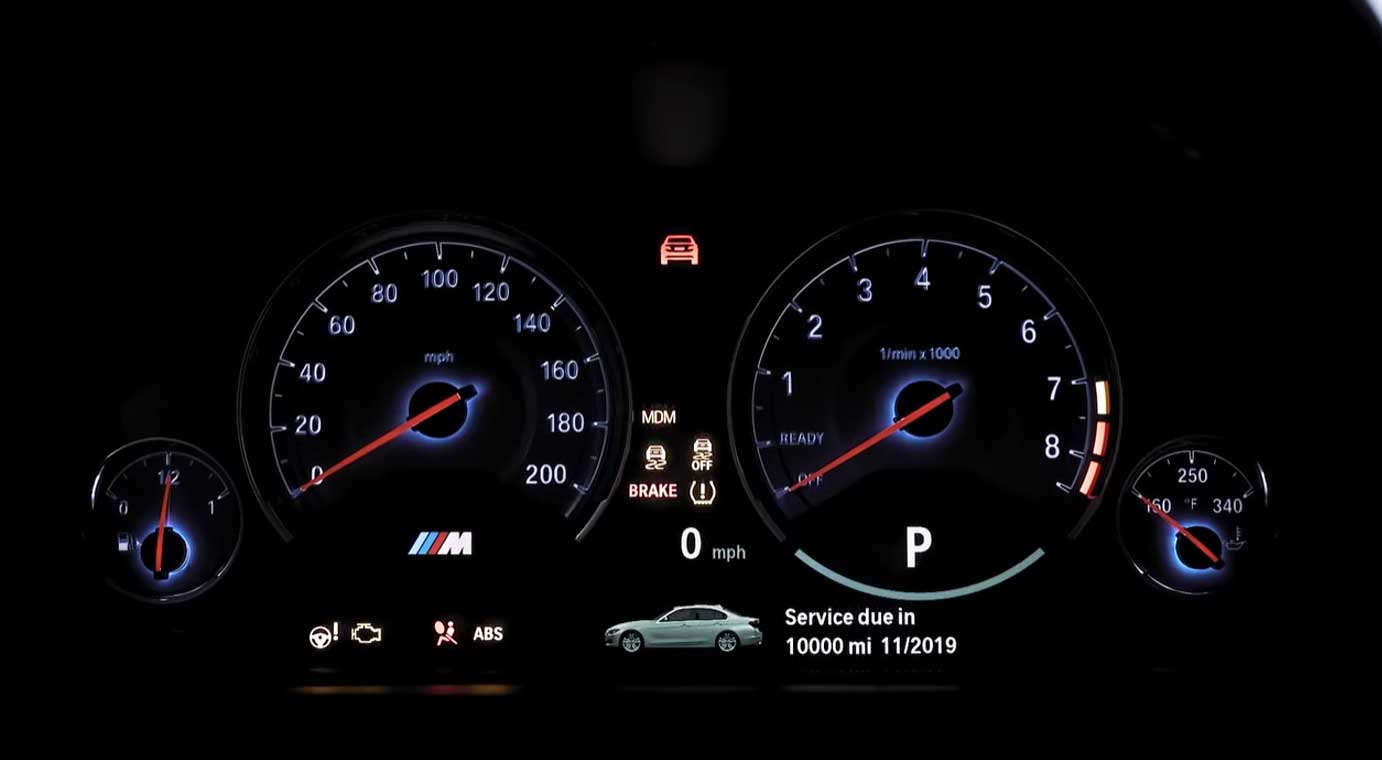
You’re driving along. Then a light pops up on your dashboard that says “TPMS Inspection Required” or something similar.
Your first thought: What is this? Is my car broken? Can I still drive?
I’ve seen this warning hundreds of times in my shop. Most drivers panic. But here’s the truth: this warning is actually your car trying to help you.
In this article, I’ll explain exactly what TPMS is, why that message appears, whether it’s dangerous, and what you should do right now. By the end, you’ll know if this is a quick fix or something that needs professional help.
What TPMS Actually Is
TPMS stands for Tire Pressure Monitoring System.
Think of it as a safety guard for your tires. Your car has small sensors inside or on your tire valves. These sensors check the air pressure in each tire, usually every few seconds.
If a tire loses too much air, the system alerts you. That’s it. Simple.
Why does your car care about tire pressure?
Underinflated tires are dangerous. They can overheat. They wear out faster. They reduce fuel economy. In extreme cases, they can fail while you’re driving.
That’s why every modern car (since 2007 in the US) has been required to have TPMS.
How TPMS Works
Each tire has a small wireless sensor. The sensor measures air pressure and temperature. It sends that data to your car’s computer constantly.
Your car’s computer compares the readings to what they should be. If one tire is 10-15% lower than the others (depending on your car), the warning light comes on.
That’s the “TPMS Inspection Required” message you’re seeing.
Why You’re Seeing This Warning
When you see “TPMS Inspection Required,” your car is telling you one of three things:
1. A tire has lost air pressure
This is the most common reason. A slow leak. A puncture. Cold weather making air shrink. Any of these can trigger the warning.
2. A TPMS sensor is dead or failing
The sensors have batteries. They don’t last forever. After 5-10 years, sensors start dying. When a sensor fails, your car can’t read that tire’s pressure. So it warns you.
3. The TPMS system itself has a fault
This is rare. The car’s computer that manages TPMS might have a problem. Or the receiver that listens to the sensors isn’t working.
The important thing to know: This warning doesn’t mean your tires are definitely flat. It means your car detected a pressure problem or a sensor problem. You need to investigate.
Is It Safe to Drive?
Here’s what I tell customers in my shop: Yes, you can drive. But not for long, and not far.
The warning means something is already wrong. Driving on underinflated tires causes damage that gets worse the longer you drive.
What can happen:
- Your tire can overheat and fail suddenly
- You lose control of the car
- The tire sidewall can separate from the rubber
I’ve seen blowouts caused by low tire pressure. It’s scary and dangerous.
My advice: Drive slowly to the nearest gas station or tire shop. Check your tire pressures. If one is low, inflate it. Then drive to get it inspected properly.
Don’t:
- Ignore the warning and drive normally
- Drive long distances
- Drive on highways at high speed
Common Causes of TPMS Inspection Required
1. Low Tire Pressure (Most Common)
A tire slowly leaks. You don’t notice. Days or weeks pass. Then the warning lights up.
Why this happens:
- Small puncture or nail
- Valve stem leak
- Tire damage you can’t see
- Cold weather (air contracts in cold, losing 1 PSI per 10°F drop)
What to do: Check all four tire pressures with a gauge. Compare to the recommended pressure (look on your driver’s door jamb, not the tire sidewall). If one is low, inflate it and look for damage.
2. Worn or Dead TPMS Sensor
TPMS sensors use small batteries. After 5-10 years, the battery dies.
When it dies, the sensor stops sending pressure data. Your car doesn’t know what’s happening in that tire. So it sends a warning.
This is expensive to fix. A new sensor costs $50-$200 per tire, plus labor.
How to tell if it’s a sensor:
- All tires are properly inflated
- The warning light comes back on quickly after resetting
- The warning affects the same tire repeatedly
3. Temperature Changes
This one surprises people.
When it gets cold, the air in your tires contracts. The pressure drops. TPMS notices. Warning light turns on.
When it gets warm again, the pressure rises. Warning goes off.
This is normal. Your car is working as designed. But it’s still annoying.
4. Damaged Valve Stem
The valve stem is the small metal part where you add air to your tire.
If it’s cracked or leaking, air escapes slowly. TPMS detects it. Warning comes on.
The fix: Replace the valve stem. Costs $10-$30 per tire.
5. Wheel or Tire Damage
A bent wheel or damaged tire can cause a slow leak.
TPMS catches it before you realize there’s a problem. Which is good—it’s doing its job.
How to Fix It
Step 1: Check Your Tire Pressures
Get a tire pressure gauge (they’re cheap—$5-$15).
Remove the valve caps on all four tires. Press the gauge onto each valve. Write down the numbers.
Where to find the correct pressure:
- Driver’s door jamb (most reliable)
- Owner’s manual
- Inside fuel door
Compare your readings to the recommended pressure. Most cars recommend 30-35 PSI, but yours might be different.
Step 2: Inflate as Needed
If a tire is low, drive to a gas station. Use the air pump. Add air until you match the recommended pressure.
Don’t overinflate. Too much pressure is also dangerous. Follow your car’s spec exactly.
After inflating, see if the warning light goes off in a few days.
Step 3: Check for Leaks
If a tire keeps losing pressure, there’s a leak.
How to find it:
- Mix soapy water in a spray bottle
- Spray the entire tire, including the sidewalls and the valve stem
- Look for bubbles
- Bubbles = leak
If you find a leak near the tread, the tire can be patched (cheap). If the leak is on the sidewall, the tire must be replaced (expensive, and it’s the safe choice).
Step 4: Visit a Professional
If you’ve checked everything and can’t find the problem, or if the light comes back on, visit a tire shop or mechanic.
They have tools to diagnose TPMS problems you can’t see. They can:
- Test each sensor
- Identify dead batteries
- Check the TPMS computer
- Scan for system faults
This usually costs $50-$100 for diagnosis.
TPMS Inspection Cost
Here’s what you might pay:
| Problem | Cost |
|---|---|
| Tire patch (if repairable) | $10–$25 |
| New valve stem | $10–$30 per tire |
| New TPMS sensor (aftermarket) | $50–$100 per tire |
| New TPMS sensor (OEM/factory) | $150–$250 per tire |
| TPMS system diagnosis | $50–$100 |
| Tire replacement | $100–$300+ per tire |
The most expensive fix: Replacing all four TPMS sensors. This can run $400–$1,000 depending on your car.
The cheapest fix: Adding air to a low tire. Free (usually).
Pro tip: If your sensors are old and wearing out, consider replacing them all at once when you get new tires. The labor cost is lower because the tire shop is already removing the wheels.
Common TPMS Mistakes
Mistake 1: Ignoring the Warning
I see this constantly. Drivers see the light and think, “It’ll go away.”
It won’t. Something is wrong. The longer you wait, the more damage you risk.
Fix it now. It takes 10 minutes to check your tire pressures.
Mistake 2: Trusting Only Your Eyes
You can’t tell if a tire is low just by looking at it.
A tire can lose 10-15 PSI and still look normal. TPMS is designed to catch problems you can’t see.
Always use a gauge. Your eyes lie. Numbers don’t.
Mistake 3: Overinflating Tires to “Fix” TPMS
Some drivers think: “The warning is about pressure, so I’ll add extra air.”
Wrong. Overinflated tires wear in the middle. They’re harder and less stable. They can blow out more easily.
Follow the manufacturer’s specs exactly. Not the tire sidewall. The door jamb or manual.
Mistake 4: Buying Cheap TPMS Sensors
You can buy aftermarket TPMS sensors for $50-$60 each.
Sometimes they work fine. Sometimes they fail within a year.
Spend a bit more. Factory (OEM) sensors last longer. The extra $50-$100 per tire is worth it.
Mistake 5: Forgetting to Reset TPMS After Rotating Tires
When you rotate tires, the positions change. Some cars need the TPMS system to relearn the new positions.
If you don’t reset it, the warning might come back.
Ask your mechanic to reset TPMS after every rotation and after new tires.
FAQ
1. Can I drive with the TPMS warning light on?
Short answer: Only to a repair shop, slowly. The warning means something is wrong. Driving normally or far distances risks a blowout or tire damage.
2. Does TPMS inspection required mean a flat tire?
Short answer: No. It means your car detected low pressure in one or more tires, or a sensor isn’t working. The tire might not be completely flat—just low.
3. How do I reset the TPMS light myself?
Short answer: You can’t always reset it yourself. You must fix the underlying problem first (inflate the tire or replace the sensor). Then the light usually turns off on its own. Some cars have a reset button in the settings menu—check your manual.
4. Will TPMS go away if I add air?
Short answer: If low pressure caused the warning, yes. Once you inflate the tire to the correct pressure, the light should go off within a few driving cycles. If it doesn’t, there’s a sensor problem.
5. How much does it cost to fix TPMS?
Short answer: It depends. Adding air is free. A valve stem costs $10–$30. A new sensor costs $50–$250. A full diagnosis costs $50–$100.
6. What’s the difference between TPMS and tire pressure warning?
Short answer: They’re the same thing. “TPMS” is the system. “Tire pressure warning” is what your car shows you when the system detects a problem.
7. Do I need TPMS sensors on my spare tire?
Short answer: No. Spare tires don’t have TPMS sensors (unless your car is very new or high-end). Your car won’t warn you about spare tire pressure—you need to check it yourself.
8. Can a bad TPMS sensor drain my battery?
Short answer: No. TPMS sensors use tiny batteries inside them, not your car’s main battery. A dead TPMS sensor won’t drain your car’s battery.
Common TPMS Myths Debunked
Myth 1: “TPMS is just trying to sell me new tires”
Truth: TPMS is a safety system. It detects real problems. Yes, sometimes it means you need to repair or replace a tire. But that’s because there actually is a problem, not because the system is lying.
Myth 2: “I can ignore TPMS warnings in winter”
Truth: Cold weather causes pressure drops. That’s real. Your tires really are lower. Ignoring it means driving on underinflated tires, which is unsafe no matter the season.
Myth 3: “I can drive for weeks with TPMS warning on”
Truth: No. Underinflated tires wear faster, overheat, and can fail suddenly. Days of driving can cause significant damage.
Myth 4: “All TPMS sensors are the same”
Truth: There are two types: direct (sensors inside the tire) and indirect (the car estimates pressure using wheel speed sensors). Plus, different brands and quality levels exist. Cheap aftermarket sensors may not last long.
Myth 5: “TPMS warnings always mean I have a slow leak”
Truth: Sometimes. But the warning could also mean a dead sensor, a valve stem leak, or a system fault. Always investigate before assuming.
What to Do Now
If you’re seeing this warning right now, here’s your action plan:
Today:
- Get a tire pressure gauge
- Check all four tire pressures
- Write down the numbers
- Compare to the spec on your driver’s door jamb
If a tire is low:
- Drive slowly to the nearest gas station
- Add air to match the recommended pressure
- Don’t overinflate
- Drive carefully for a few days and watch if the light returns
If the light comes back or all tires are correct:
- Schedule a tire shop or mechanic visit
- Ask them to diagnose the TPMS system
- Have them test each sensor
- Get a quote for repairs
If sensors need replacement:
- Ask if you can do it when you get new tires (cheaper labor)
- Consider OEM sensors for reliability
- Ask them to reset the TPMS system after repairs
Final Thoughts
The “TPMS Inspection Required” warning isn’t scary. It’s your car doing exactly what it’s supposed to do: protecting you.
I’ve been a mechanic for over 20 years. I’ve seen what happens when people ignore tire pressure problems. Blowouts are dangerous. Tire damage is expensive.
TPMS catches these problems before they become emergencies.
So take the warning seriously, but don’t panic. Check your tire pressures. If they’re low, add air. If the light persists, visit a professional.
It usually takes one visit to fix it. And then you’re back to safe, normal driving.
Your tires—and your safety—depend on it.