
Monday to Saturday - 9:00 am -18:00 pm

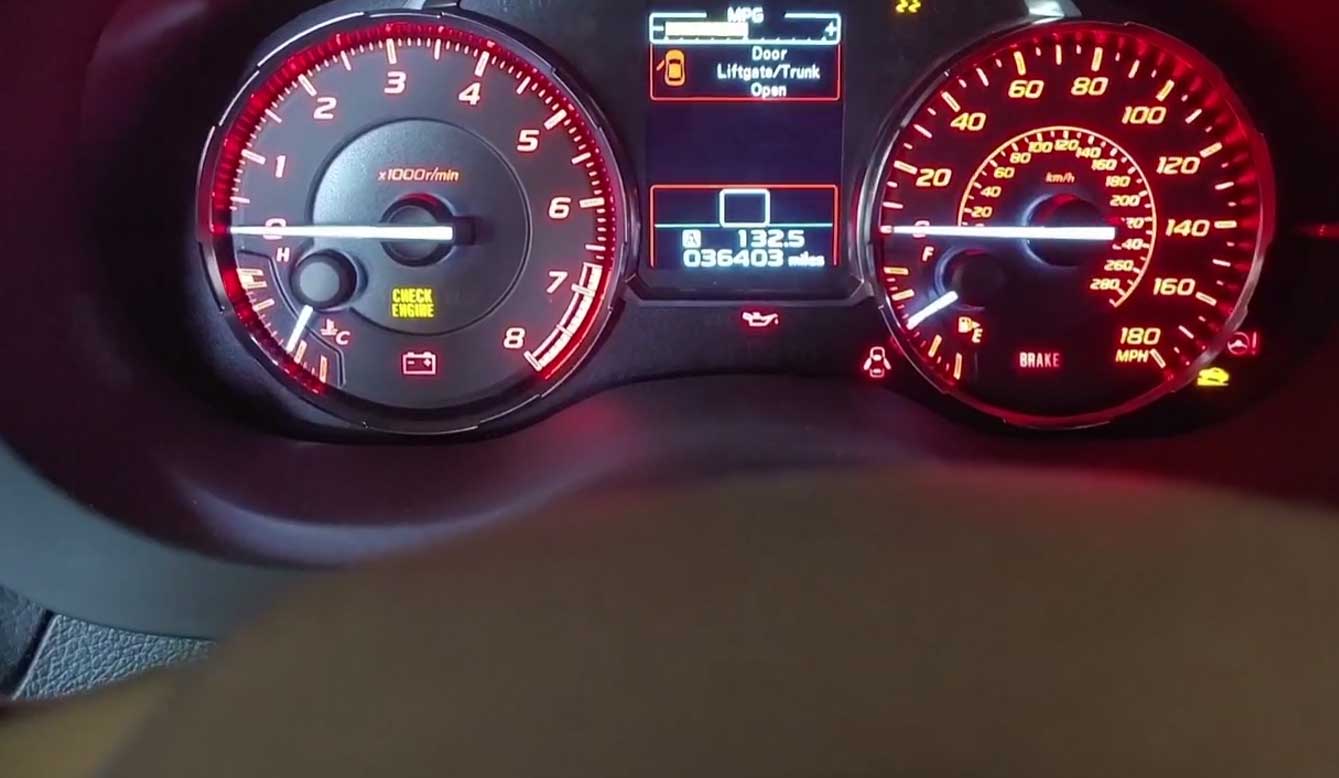
Your Toyota is running great. You’ve hit 30,000 miles. Now you’re wondering: what actually needs to happen at this service?
The 30K mile service is one of Toyota’s scheduled maintenance checkpoints. It’s not as involved as some services, but it’s important. Skipping it can lead to problems down the road.
In this guide, you’ll learn exactly what Toyota checks at 30K miles, why it matters, what it costs, and whether you really need to do everything Toyota recommends. We’ll cut through the confusion so you can make smart decisions about your car’s health.
What Is the Toyota 30K Mile Service?
The 30K mile service is a scheduled maintenance checkpoint. Toyota recommends you come in around this mileage for inspections and some fluid changes.
It’s not a major overhaul. Think of it as a health check for your car.
Toyota builds these service intervals into your owner’s manual based on how cars typically age. Every Toyota model has a maintenance schedule. The 30K service falls somewhere in the early ownership period—after you’ve broken in the engine, but before major wear happens.
Why does Toyota recommend this? Because preventive maintenance is cheaper than repairs. A $150 service now beats a $1,500 repair later.
Your car’s warranty may require you to follow Toyota’s maintenance schedule. If you skip recommended services and something breaks, Toyota might deny the warranty claim. Check your owner’s manual for warranty details.
What Gets Checked and Replaced at 30K Miles
Here’s what actually happens during a 30K service. Toyota’s specific list varies by model year and engine type, so always check your owner’s manual first.
Oil and Oil Filter Change
This is the main event at 30K miles.
Your oil breaks down over time. It gets dirty. It loses its ability to protect your engine. Changing it on schedule keeps your engine clean and running smoothly.
Modern synthetic oils can last longer than older oils. But Toyota has done the math for your specific engine. If they say change it at 30K, that’s what they mean.
How often? Most Toyotas follow either a 10K or 15K mile oil change schedule. The 30K service is roughly the second or third oil change. Some newer Toyotas use synthetic oil and can go longer between changes. Check your owner’s manual—it will tell you the exact interval.
Air Filter Inspection
The engine air filter is checked at 30K miles.
This filter stops dirt from entering your engine. Over 30K miles, it can get clogged with dust and debris. A clogged filter makes your engine work harder and wastes fuel.
Will it need replacing? Not always. It depends on your driving conditions. If you drive on dusty roads a lot, it might need replacement. If you mostly drive on clean highways, it probably doesn’t yet. A mechanic can look at it and tell you.
Replacing an air filter is cheap—usually $30–$70 for parts and labor. If it looks dirty, replacing it is worth it.
Cabin Air Filter Check
Your cabin air filter cleans the air coming into the car through your air vents.
This filter traps dust, pollen, and pollution. Over time, it gets blocked. When it does, your climate control works harder. You might notice weaker airflow or weird smells from the vents.
Replacement needed? Again, it depends on your environment. City driving with lots of pollution? It might need replacing. Quiet rural driving? Probably still fine.
A cabin air filter replacement costs $50–$150 depending on your Toyota model.
Fluid Level Checks
At 30K miles, a good service includes checking all your fluid levels:
- Coolant – Keeps your engine from overheating
- Brake fluid – Powers your braking system
- Power steering fluid – Makes steering easier
- Transmission fluid – Keeps your transmission running smooth
- Windshield washer fluid – For cleaning glass
These aren’t usually replaced at 30K miles. They’re just checked to make sure levels are correct. If any are low, they get topped off.
Brake System Inspection
At 30K miles, your brakes get a full look-over.
The mechanic checks:
- Pad thickness (how much brake material is left)
- Rotor condition (the spinning discs your pads grab)
- Brake fluid condition
- Brake lines for leaks or damage
Will you need new pads? Not necessarily. Brake pad life varies wildly based on driving habits. Some cars need new pads at 30K miles. Others go 60K or more. A visual check will tell you where you stand.
New brake pads cost $150–$300 per axle (front or rear) at a Toyota dealer. Independent shops often charge less.
Battery Inspection
Modern car batteries last 3–5 years. At 30K miles, yours is probably still young. But the technician will check its health.
They look for corrosion on the terminals (the metal parts where cables connect). They might test the battery’s voltage to make sure it’s holding a charge properly.
Will it need replacing? Almost never at 30K miles. Batteries rarely fail this early unless there’s an underlying problem.
Steering and Suspension Check
The mechanic will inspect your steering and suspension for wear.
They’re looking for:
- Worn tie rods (parts that connect your wheels to the steering)
- Loose ball joints (parts that let your wheels move up and down)
- Worn suspension bushings (rubber pieces that absorb bumps)
- Uneven tire wear (a sign something is misaligned)
These parts rarely need replacement at 30K miles on a well-maintained Toyota. But catching early wear prevents bigger problems.
Tire Rotation (Usually Included)
Your tires don’t wear evenly. The fronts wear faster than the rears on most cars.
Tire rotation moves tires around—front tires go to the back, rear tires go to the front. This makes them wear more evenly and last longer.
At 30K miles, your tires should definitely be rotated if this hasn’t happened already. It’s usually free or low cost at the dealer.
Do You Really Need Everything Toyota Recommends?
This is the honest question every owner asks.
The short answer: Yes, but with context.
Toyota’s schedule is conservative. It’s designed to keep cars running well for 200,000+ miles. If you follow it exactly, your car will be reliable.
But some items on the 30K service aren’t always critical.
What’s Actually Important at 30K Miles
Oil and oil filter change – This is non-negotiable. Do it every time.
Brake inspection – This is critical for safety. Get it done.
Tire rotation – This extends tire life and improves safety. Always do it.
Fluid level checks – Quick and important. Any reputable shop will do this.
What Might Be Optional
Air filter replacement – Only if it’s dirty. Don’t replace a clean filter just because the schedule suggests checking it.
Cabin air filter replacement – Only if airflow is weak or you notice odors. Mostly comfort, not safety.
Steering and suspension inspection – Do it if you notice steering issues, vibration, or pulling. Otherwise, it can wait if the car feels fine.
The rule of thumb: If something looks dirty or worn, replace it. If it looks fine, keep it. Don’t let a service advisor convince you to replace something that’s still good.
Cost of Toyota 30K Mile Service
Prices vary by location and dealer. Here’s what to expect in the US and UK.
At a Toyota Dealership
A Toyota dealer will charge:
- Oil and filter change: $50–$100
- Fluid level checks: Included
- Inspections (brakes, tires, suspension, air filters): $50–$150
- Tire rotation: $20–$50 (sometimes free)
- Total range: $120–$300
Premium models and specialty fluids cost more. Hybrids may cost slightly more due to additional brake system checks.
At an Independent Mechanic
Independent shops typically charge 20–40% less:
- Oil and filter change: $30–$60
- Inspections: $25–$75
- Tire rotation: $15–$30 (sometimes free)
- Total range: $70–$165
Quality varies. A good independent mechanic is often better value than a dealership.
DIY Cost
If you change your own oil:
- Oil (4–5 quarts): $20–$50
- Oil filter: $5–$15
- Tools (if you don’t have them): $50–$100 one-time
- Total: $25–$65 per service
Inspections are harder to do yourself without lifts and experience. Tire rotation is doable if you have a jack and jack stands.
Regional Variations
Urban areas (US/UK): Expect 10–20% higher prices due to higher labor costs.
Rural areas: Often 10–20% lower.
Luxury Toyota models (like Lexus): 30–50% higher than standard Toyotas.
Can You Do It Yourself?
Some parts of the 30K service are DIY-friendly. Others require skill and tools.
What You Can DIY
Oil and oil filter change: This is the most common DIY task. You need:
- A drain pan
- A socket wrench
- An oil filter wrench
- Jack and jack stands (to get underneath)
- New oil and filter (correct specs for your Toyota)
YouTube has thousands of guides for your specific model. Expect 30–60 minutes your first time.
Tire rotation: You can do this yourself if you have:
- A floor jack
- Jack stands
- A lug wrench
- Time and patience
Swap the tires around in an “X” pattern (front left goes to rear right, etc.). Make sure you torque the lug nuts properly afterward—loose wheels are dangerous.
Fluid top-offs: Topping up coolant, power steering fluid, or brake fluid is straightforward. Just use the correct fluid for your Toyota. Check your owner’s manual for locations.
Air filter replacement: Very easy. Pop open the air box, swap out the filter, close it up. 5 minutes, no tools needed for most Toyotas.
What You Shouldn’t DIY
Brake system inspection: You need to know what “safe” looks like. Brakes are safety-critical. Let a professional judge pad thickness and rotor condition.
Suspension and steering inspection: This requires lifting the car safely, experience spotting wear, and knowledge of what’s acceptable. One wrong judgment and your steering could fail at 60 mph.
Battery testing: While you can clean corrosion off terminals, professional battery testing equipment gives accurate health readings.
The Hybrid Question
If you own a Toyota Hybrid, some inspection tasks are more complex due to the hybrid braking system. These use regenerative braking, which is different from traditional brakes. At 30K miles, a professional inspection is worth the cost to make sure everything is working together correctly.
Common Mistakes Owners Make
Mistake 1: Skipping the Service Entirely
Some owners figure modern cars don’t need maintenance. This is wrong.
Skipping scheduled maintenance:
- Voids your warranty
- Lets small problems become big ones
- Wastes fuel (dirty filters, low fluids)
- Shortens your car’s lifespan
One skipped service might feel fine. By the second or third skip, you’re asking for trouble.
Mistake 2: Doing Everything Toyota Lists, Whether It Needs It or Not
On the flip side, some owners replace every filter and fluid without checking condition first.
This wastes money. A clean air filter doesn’t need replacing just because 30K miles have passed.
Better approach: Let the mechanic inspect, tell you what’s actually dirty or worn, then decide.
Mistake 3: Assuming All Mechanics Follow the Same Standards
Some shops are generous with replacement recommendations. Others only replace what’s truly necessary.
Get a second opinion if a major service bill seems high. $400 for a 30K service is probably inflated. $150–$250 is more realistic.
Mistake 4: Ignoring Warning Lights
If your check engine light is on, that’s separate from scheduled maintenance.
A warning light means something is wrong. Get it scanned. It could be serious, or it could be something minor like a loose gas cap. Either way, find out before your 30K service.
Mistake 5: Using the Wrong Oil Grade
Your Toyota’s owner’s manual specifies the exact oil viscosity (thickness). Common specs are 0W-20, 5W-30, or 10W-30.
Using the wrong grade can hurt fuel economy and engine protection. Always use what your manual says, not what someone recommends.
Mistake 6: Not Checking Tire Pressure
Low tire pressure costs fuel economy and wears tires unevenly.
Check pressure monthly. Your car’s door jamb or fuel door lists the correct pressure. Don’t use the number on the tire sidewall—that’s the maximum, not the target.
FAQ: Your 30K Mile Questions Answered
How often should I get my Toyota serviced?
Check your owner’s manual. Most modern Toyotas need service every 10,000 or 15,000 miles. The 30K service is roughly the second or third scheduled service.
Can I wait until 35,000 miles to get the 30K service?
It’s fine to wait a few hundred miles. Don’t go several thousand miles past. Scheduling within 500 miles of the recommended interval is safe.
Is the 30K service really necessary?
Yes. While major work isn’t usually needed, the oil change and inspections are. Skipping it risks warranty coverage and lets small issues grow.
What if I bought a used Toyota? Does it need a 30K service right after I buy it?
If the previous owner did the 30K service and you just bought it at 30,500 miles, you’re fine. If it’s been skipped, catching up is smart. Do it soon.
My Toyota has 45,000 miles and the 30K service was never done. Should I still do it?
The specific 30K service is a bit late. Instead, follow the current maintenance schedule for your current mileage. Your mechanic can advise what’s overdue.
How long does a 30K service take?
Usually 1–2 hours at a dealer. Independent shops might be faster. Drop-off service often takes longer due to scheduling.
Will a 30K service fix my check engine light?
Not necessarily. A check engine light usually means something specific is wrong. The 30K service is routine maintenance. Get the code scanned first.
Is synthetic oil worth the extra cost?
Modern synthetic oils last longer between changes. Some newer Toyotas come filled with synthetic. If your manual recommends it, use it. If it says conventional is fine, conventional works. Don’t overpay for “premium” oil your car doesn’t need.
Do I need to go to a Toyota dealership for service?
No. Any qualified mechanic can service a Toyota. Dealerships have OEM parts and Toyota-trained techs, but independent shops are often equally good and cheaper. Just make sure whoever you choose is reputable.
What if I ignore the 30K service?
Nothing catastrophic will happen at 30,001 miles. But over time, skipped services add up. Your engine gets dirtier. Filters clog. Fluids break down. You’re spending your car’s reliability on small savings now.
Common Myths About the 30K Service
Myth: “The 30K service is just a money grab by dealers.”
Truth: Regular oil changes and inspections genuinely keep cars running longer. Dealers do make money on service, but that doesn’t make the service unnecessary.
Myth: “Modern engines don’t need oil changes as often as older cars.”
Truth: Modern engines actually run tighter with smaller clearances. They need cleaner oil. The intervals might be longer, but regular changes are still essential.
Myth: “If the car runs fine, it doesn’t need service.”
Truth: Many failures happen suddenly, even on well-maintained cars. But they happen much more often on cars that skip service. Prevention works.
Myth: “All Toyotas have the same service schedule.”
Truth: Different models, years, and engine types have different schedules. Always check your specific owner’s manual.
Myth: “Premium service packages are always better than basic service.”
Truth: Premium packages often include services you don’t need yet. Ask what’s actually included and whether you need it now.
How to Prepare for Your 30K Service
Before You Go
- Check your owner’s manual. Confirm what Toyota recommends for your specific model.
- Note any issues. Make a list of anything that sounds, feels, or acts odd.
- Get tire pressure. Write down all four tire pressures. Low pressure during the service might indicate a slow leak the mechanic should know about.
- Know your oil type. Write down the correct oil viscosity from your manual.
What to Ask the Mechanic
- “What did you find during the inspection?” Get details, not just a checklist.
- “What actually needs replacing now vs. later?” Separate must-do from optional.
- “Can I see what you’re replacing?” This holds shops accountable.
- “What’s the next service interval?” Know when to come back.
After Service
- Get an itemized receipt. Shows exactly what was done and what parts were used.
- Keep documentation. For warranty and resale value, keep all service records.
- Ask about results. Did they rotate the tires? Run the air filter test? What were the findings?
Regional Considerations: US vs. UK
United States
- Oil change intervals are typically 10K or 15K miles (follow your manual)
- Most shops use US gallon measures (5-quart capacity is common)
- Prices quoted above reflect US dealer and independent shop rates
- Parts availability is excellent at any Toyota dealer
United Kingdom
- Intervals are often given in kilometers (48,000 km ≈ 30,000 miles)
- Shops use metric measurements
- Toyota UK dealers have slightly different pricing but similar service scope
- MOT (annual roadworthiness test) is separate from manufacturer service
For UK readers: Your Toyota’s service book will use kilometers. Convert using this rough guide: 30,000 miles ≈ 48,000 km, 60,000 miles ≈ 97,000 km.
Final Thoughts
The 30K mile service isn’t complicated. It’s mostly an oil change, some inspections, and a tire rotation.
But it matters. Regular maintenance is why Toyota owners often get 200,000+ miles out of their cars with few major problems.
Here’s what you should do:
- Check your owner’s manual for your specific Toyota’s 30K recommendations.
- Schedule service within 500 miles of 30K (at 29,500 to 30,500 miles is fine).
- Decide where: Toyota dealer, trusted independent mechanic, or DIY oil change + professional inspections.
- Ask questions about what’s actually needed vs. what’s optional.
- Keep records for warranty and resale value.
- Don’t skip it. Small cost now saves big costs later.
The 30K service is your chance to catch problems early. A loose belt, a weak battery, or worn brake pads found now are cheap fixes. Left alone, they become expensive repairs—or safety hazards.
Take it seriously, do it on schedule, and your Toyota will reward you with reliable miles ahead.
Have questions about your Toyota’s maintenance? Check your owner’s manual first. Then ask a trusted mechanic. Every car is slightly different, and your manual is the source of truth for your specific vehicle.