
Monday to Saturday - 9:00 am -18:00 pm

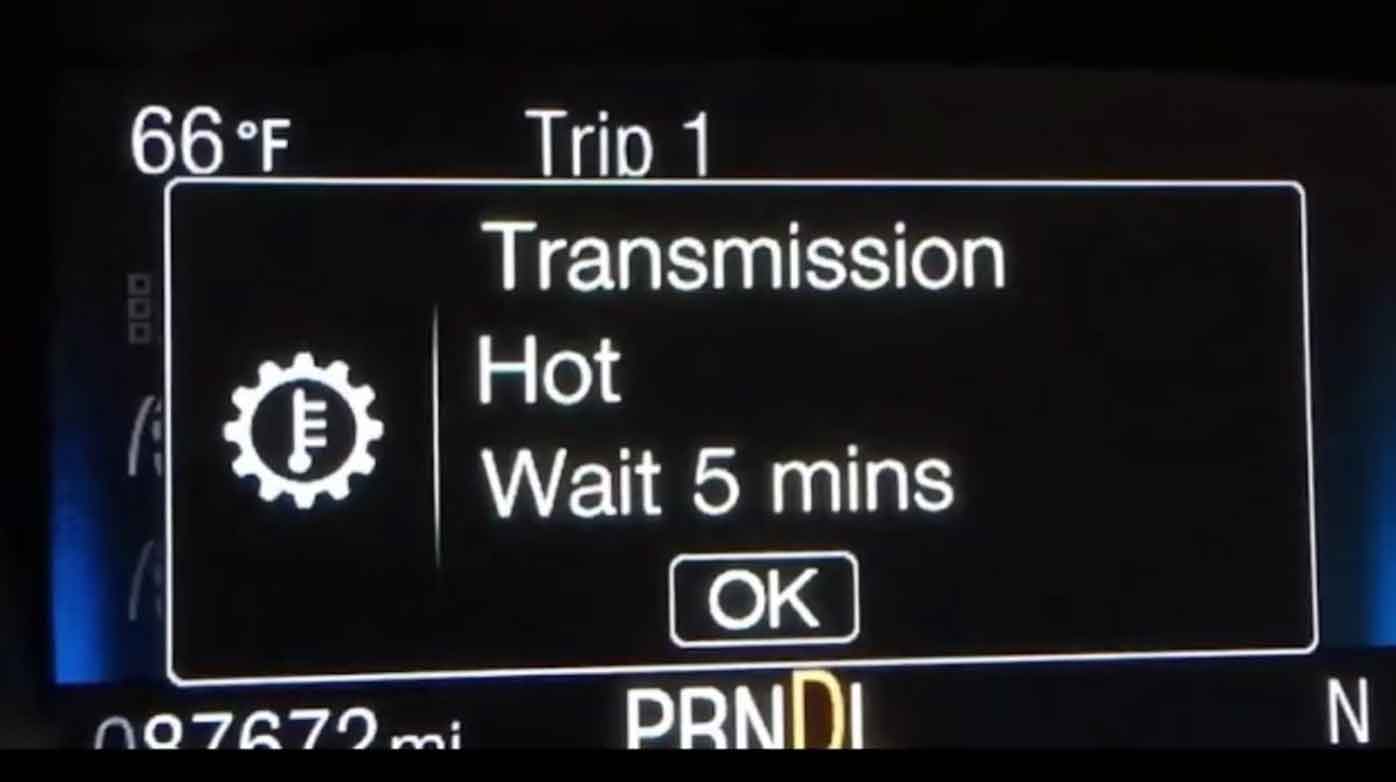
You’re driving down the road. Everything seems fine. Then suddenly, a warning pops up on your dashboard: “Transmission Hot — Wait 5 Minutes.”
Your heart sinks a little. What does this mean? Is your car about to break down?
Don’t panic just yet. This warning is actually your car trying to protect itself. In my 15 years as a transmission specialist, I’ve seen this message hundreds of times. And in most cases, it’s fixable.
Let me walk you through exactly what’s happening and how to handle it.
What Does “Transmission Hot — Wait 5 Minutes” Mean?
This warning tells you one simple thing: your transmission fluid is too hot.
Your transmission has a temperature sensor inside it. When the fluid gets dangerously hot, this sensor triggers the warning light.
Think of it like a fever thermometer for your car. When the temperature crosses a certain point, the alarm goes off.
Normal transmission temperature: 175°F to 200°F
Warning light triggers at: Usually around 240°F to 260°F
Damage starts at: 270°F and higher
From years under the hood, I can tell you this: transmission fluid shouldn’t get that hot during normal driving. When it does, something is wrong.
Why Does This Warning Appear?
Your transmission creates heat through friction. Metal parts rub against each other thousands of times per minute. The transmission fluid keeps everything cool and lubricated.
But when the cooling system can’t keep up, temperatures spike. That’s when you see the warning.
The message tells you to wait 5 minutes because your car needs time to cool down. During this wait, the fluid circulates and releases heat.
Important: This warning is your car’s last line of defense. If you ignore it, you risk permanent transmission damage. And trust me, a new transmission can cost $3,000 to $8,000.
Common Causes of Transmission Overheating
Let me share what I’ve found in my shop when customers bring in cars with this problem.
1. Low Transmission Fluid
This is the number one cause I see. Transmission fluid does two jobs: it lubricates parts and carries away heat.
When fluid levels drop, there’s not enough liquid to cool things down. Parts start grinding metal-on-metal. Heat builds up fast.
How it happens:
- Slow leaks from worn seals
- Cracked transmission pan gasket
- Damaged cooler lines
- Never checking fluid levels
I always tell customers: check your transmission fluid every oil change. It takes two minutes and could save you thousands.
2. Bad Transmission Cooler
Your transmission has its own radiator called a cooler. It sits near your engine radiator (sometimes inside it).
This cooler pulls heat out of the fluid before sending it back to the transmission. When the cooler fails, fluid stays hot.
Signs of cooler problems:
- Fluid leaking near the radiator
- Pink or red fluid in coolant reservoir
- Transmission runs hot even in cool weather
In my experience, cooler failures often happen after 80,000 miles. The internal tubes corrode or get clogged with debris.
3. Heavy Towing or Hauling
Are you pulling a trailer? Carrying a heavy load? Your transmission works much harder during these tasks.
The extra weight makes your transmission shift more often. More shifting creates more friction. More friction equals more heat.
Real-world example: I had a customer towing his boat in summer. He got the overheating warning three times in one trip. His transmission fluid was fine. He just needed a transmission cooler upgrade.
When I service trucks used for towing, I always recommend:
- Aftermarket transmission cooler
- Synthetic transmission fluid
- Regular fluid changes (every 30,000 miles)
4. Extreme Weather Conditions
Hot summer days put extra stress on cooling systems. I see a spike in overheating cases every June through August.
When outside temps hit 95°F or higher, your transmission struggles to cool down. The cooler can’t release heat effectively because the air itself is hot.
Cold weather problems too: In extreme cold, thick transmission fluid doesn’t flow well. This creates friction and heat. Surprising, but true.
5. Dirty or Old Transmission Fluid
Transmission fluid breaks down over time. It gets contaminated with metal shavings, dirt, and clutch material.
Old fluid loses its ability to:
- Transfer heat effectively
- Lubricate properly
- Protect internal parts
I use a fluid analysis test in my shop. We can actually see metal particles under a microscope. When fluid looks brown or smells burnt, it’s toast.
Recommended fluid change intervals:
- Normal driving: every 60,000 miles
- Heavy use (towing, city traffic): every 30,000 miles
- Severe use: every 20,000 miles
6. Faulty Temperature Sensor
Sometimes the warning is false. The sensor itself might be malfunctioning.
This is less common, but it happens. A bad sensor sends wrong signals to your car’s computer. You see the warning even though fluid temperature is normal.
How to check: Use an OBD-II scanner with live data. Watch the transmission temperature reading. If it jumps around wildly or reads absurdly high, the sensor is likely bad.
7. Slipping Transmission
When your transmission slips, clutches spin without fully engaging. This creates enormous heat.
Slipping feels like:
- Engine revs but car doesn’t accelerate
- Delayed engagement when shifting
- RPMs jump between gears
From my diagnostic work, slipping usually means internal damage. The friction material on clutch plates wears down. Metal parts spin freely and generate heat.
This is serious. If your transmission is slipping, don’t wait. Get it checked immediately.
8. Clogged Transmission Filter
Your transmission has a filter that catches debris. Over time, this filter gets clogged.
A blocked filter restricts fluid flow. The pump works harder to push fluid through. This creates heat and pressure problems.
Warning signs:
- Delayed shifting
- Strange noises from transmission
- Burning smell
- Overheating warning
I’ve pulled out filters that looked like they were packed with mud. No wonder the transmission overheated.
What To Do When You See This Warning
Here’s my step-by-step guide from years of field experience.
Immediate Actions
Step 1: Pull Over Safely
Don’t keep driving. Find a safe spot to stop. Turn on your hazard lights.
Continuing to drive can cause permanent damage. I’ve seen transmissions completely fail because drivers ignored this warning.
Step 2: Put The Car In Park
Shift to Park and keep the engine running. This allows fluid to circulate through the cooler.
Don’t turn off the engine immediately. The cooling system needs a few minutes to work.
Step 3: Wait 5 Minutes
This isn’t just a suggestion. Wait the full 5 minutes. I usually recommend waiting 10 minutes to be safe.
During this time:
- Stay in the car with AC running (if it’s hot outside)
- Watch the temperature gauge if your car has one
- Check for any visible leaks under the car
Step 4: Check Fluid Level (If Safe)
If you know how to check transmission fluid, do it now. But only if the car is on level ground and you have the right tools.
Be careful: Some transmissions require the engine running to check fluid. Others need it off. Check your owner’s manual first.
After The Warning Clears
Once the warning disappears, drive carefully to a repair shop. Don’t resume normal driving like nothing happened.
Driving tips:
- Avoid highways and high speeds
- Don’t accelerate hard
- Skip hills if possible
- Keep RPMs low
If the warning comes back, stop again. Call for a tow truck. Better safe than sorry.
How To Fix Transmission Overheating Problems
Let me share the solutions I use in my shop.
DIY Checks You Can Do
Check Fluid Level:
- Park on level ground
- Follow your manual’s instructions
- Look for pink or red fluid (not brown or burnt)
- Add fluid if low (use the correct type)
Inspect For Leaks:
- Look under the car for puddles
- Check around the transmission pan
- Examine cooler lines for wetness
- Wipe connections and check again later
Scan For Codes:
- Use an OBD-II scanner ($25 on Amazon)
- Look for transmission-related codes
- Write down any codes you find
- Research what they mean
Professional Repairs
Transmission Fluid Change:
Cost: $150 to $250
This service replaces old fluid with fresh fluid. We also replace the filter and pan gasket.
In my shop, I use a fluid exchange machine. It removes about 98% of old fluid. Much better than a simple drain-and-fill.
Transmission Flush:
Cost: $200 to $300
A flush uses special equipment to force new fluid through the entire system. It cleans out sludge and debris.
Warning: Only flush if your transmission is in good shape. Flushing a damaged transmission can make things worse.
Cooler Replacement:
Cost: $300 to $600
If your cooler is clogged or leaking, it needs replacement. This job involves:
- Draining coolant and transmission fluid
- Removing old cooler
- Installing new cooler
- Refilling all fluids
- Checking for leaks
I recommend aftermarket coolers for vehicles that tow. They have better cooling capacity than stock coolers.
Temperature Sensor Replacement:
Cost: $150 to $300
Replacing a faulty sensor is straightforward. We drain some fluid, unplug the old sensor, install the new one, and top off fluid.
Full Transmission Rebuild:
Cost: $2,500 to $5,000
If internal parts are damaged, you might need a rebuild. This involves:
- Removing transmission from car
- Disassembling everything
- Replacing worn parts
- Reassembling with new seals
- Reinstalling and testing
Rebuilds take several days. But they give you a like-new transmission.
Preventing Future Overheating Issues
Prevention is way cheaper than repair. Here’s what I tell every customer.
Regular Maintenance Schedule
Every 30,000 Miles:
- Check fluid level and condition
- Inspect cooler lines for cracks
- Look for any leaks
Every 60,000 Miles:
- Change transmission fluid and filter
- Inspect cooler for debris
- Check sensor operation
Every 100,000 Miles:
- Consider full fluid flush
- Replace cooler if showing wear
- Inspect internal components (if possible)
Driving Habits That Help
Let Your Car Warm Up: In cold weather, let the engine run for 2-3 minutes before driving. This warms up the transmission fluid.
Avoid Aggressive Driving: Hard acceleration and rapid braking stress your transmission. Smooth inputs keep temperatures down.
Downshift On Hills: Don’t make your transmission work harder than needed. Downshift manually on steep grades.
Use Tow/Haul Mode: If your vehicle has this feature, use it when towing. It changes shift patterns to reduce heat.
Upgrades Worth Considering
Aftermarket Transmission Cooler:
Cost: $150 to $400 (installed)
This adds extra cooling capacity. Essential if you tow regularly or live in hot climates.
Synthetic Transmission Fluid:
Cost: $10 to $15 per quart
Synthetic fluid handles heat better than conventional fluid. It lasts longer too.
Deep Transmission Pan:
Cost: $200 to $350 (installed)
A deeper pan holds more fluid. More fluid means better cooling. Plus, you get better filtration.
Temperature Gauge:
Cost: $100 to $200 (installed)
Knowing your transmission temperature helps you avoid overheating. You can pull over before damage occurs.
Frequently Asked Questions
Can I drive with the transmission hot warning on?
No. Stop driving immediately. Continuing to drive risks permanent damage. Even a few more miles can destroy your transmission.
How long does transmission overheating last?
If you catch it early and fix the cause, no lasting effects. But if you drive with hot fluid repeatedly, damage accumulates. Eventually, the transmission fails.
Will transmission cool down on its own?
Yes, if you stop driving. Park safely, leave the engine running, and wait 10 minutes. The cooler will bring temperatures down.
How much does it cost to fix overheating?
Simple fixes (fluid change, sensor) cost $150 to $300. Major repairs (cooler replacement, rebuild) cost $300 to $5,000. It depends on the root cause.
Is transmission overheating serious?
Very serious. Hot fluid loses its protective properties. Internal parts wear rapidly. Seals fail. Eventually, the transmission stops working entirely.
Can low coolant cause transmission overheating?
Yes, if your transmission cooler is inside the radiator. Low coolant means less cooling capacity. Both your engine and transmission can overheat.
Final Thoughts From A Transmission Specialist
The “Transmission Hot — Wait 5 Minutes” warning is serious. But it’s also preventable and fixable.
In my shop, I’ve saved countless transmissions by catching overheating early. Regular maintenance is the key.
Here’s my simple advice:
- Check your fluid regularly
- Address leaks immediately
- Don’t ignore warning lights
- Service your transmission on schedule
If you see this warning, don’t panic. Follow the steps I outlined. Get the car checked by a professional.
Your transmission works hard every day. Treat it right, and it’ll last 200,000 miles or more.
Have questions about your specific situation? Most quality transmission shops offer free inspections. Take advantage of that.
Stay safe out there. And remember: 5 minutes of waiting beats 5 days without your car.
About the Author: This article draws from 15+ years of hands-on transmission repair experience. All recommendations follow industry best practices and manufacturer guidelines.