
Monday to Saturday - 9:00 am -18:00 pm

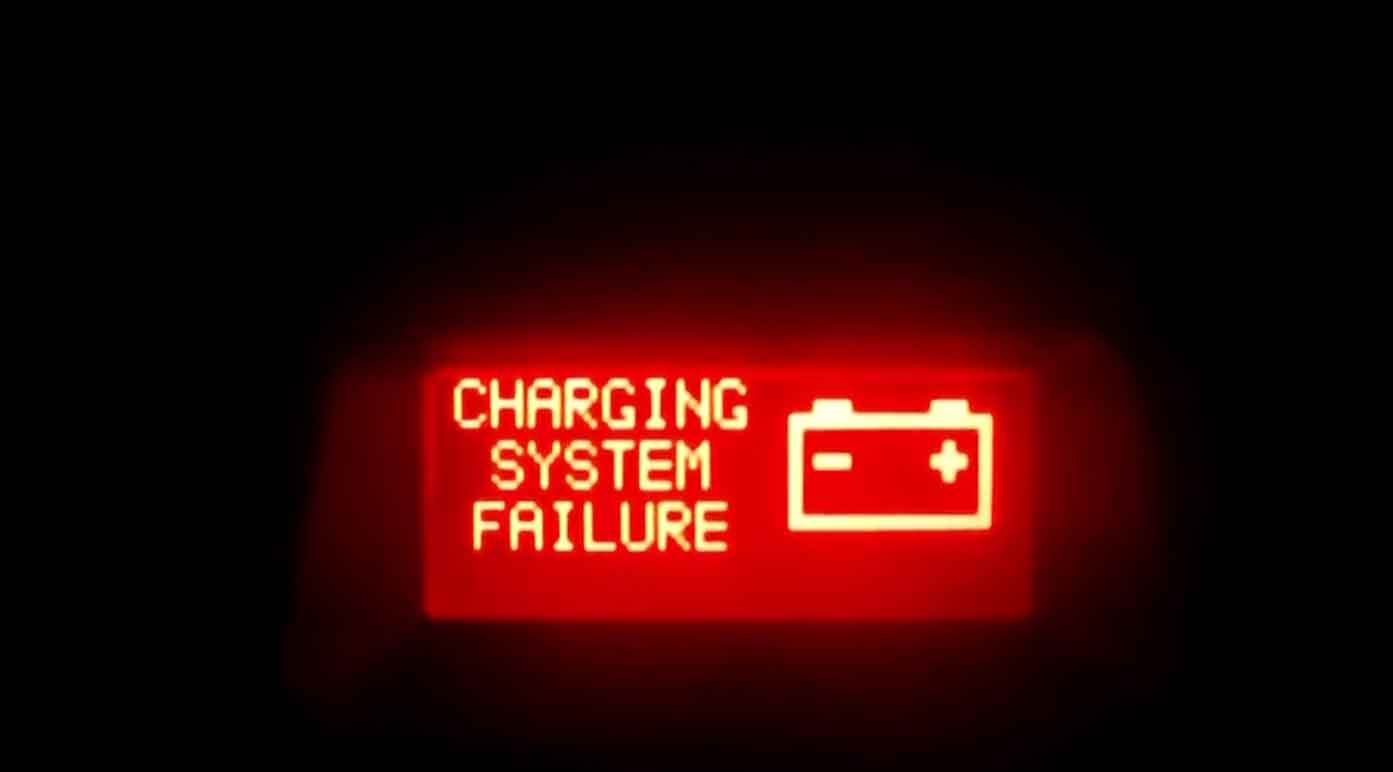
What Is a Charging System Problem in Your Acura?
Your Acura’s charging system keeps the battery powered up. It also runs all the electrical parts while you drive.
When this system fails, you’ll see warning lights. Your car might not start. Or it could die while you’re driving.
In my shop, I see this problem a lot with Acuras. The good news? Most fixes are pretty straightforward.
Let me walk you through everything you need to know.
Common Signs Your Acura Has Charging System Issues
Battery Warning Light Comes On
This is the first sign most drivers notice. The battery icon lights up on your dashboard.
From years under the hood, I can tell you this light means trouble. Don’t ignore it.
Your charging system isn’t working right. The battery isn’t getting enough power.
Dimming Headlights and Interior Lights
When I service a car like this, dimming lights are a dead giveaway.
The lights get brighter when you rev the engine. They dim when you’re idling.
This happens because the alternator can’t keep up with demand.
Electrical Problems Throughout the Vehicle
You might notice weird electrical issues:
- Radio cuts in and out
- Power windows move slowly
- Dashboard lights flicker
- Air conditioning gets weak
These all point to charging problems.
Car Won’t Start or Dies While Driving
This is the worst-case scenario. Your Acura just stops working.
If the battery dies completely, nothing will turn on. No lights, no starter, nothing.
In some cases, the car dies while you’re driving. This is dangerous and needs immediate attention.
Strange Noises from the Engine Bay
A failing alternator makes noise. Listen for:
- Grinding sounds
- Whining or squealing
- Rattling noises
These sounds mean internal parts are wearing out.
What Causes Charging System Problems in Acura Vehicles?
Failed Alternator
The alternator is the heart of your charging system. It creates electricity while the engine runs.
Most alternators last 80,000 to 150,000 miles. After that, they start to fail.
I’ve replaced hundreds of these. Acura alternators are reliable, but they don’t last forever.
Common alternator failures include:
- Worn brushes inside the alternator
- Bad diode trio
- Faulty voltage regulator
- Damaged bearings
Dead or Weak Battery
Sometimes it’s not the alternator. The battery itself might be the problem.
Car batteries typically last 3 to 5 years. Heat and cold wear them down faster.
When I service a car like this, I always test the battery first. No point replacing an alternator if the battery is bad.
Corroded or Loose Battery Connections
This is an easy fix that many people overlook.
Battery terminals get corroded. The white or blue-green buildup stops electricity from flowing.
Loose connections cause the same problem. The battery can’t charge properly.
Damaged Serpentine Belt
The serpentine belt connects your engine to the alternator. If this belt breaks or slips, the alternator stops working.
Look for these belt issues:
- Cracks in the rubber
- Glazing or shiny appearance
- Fraying edges
- Loose tension
Blown Fuses or Bad Wiring
Electrical systems need good connections. A blown fuse can shut down the whole charging system.
Bad wiring is harder to spot. Wires can break, corrode, or get damaged by heat.
From years under the hood, I’ve found mice and rats chewing wires too. Check under the hood carefully.
How to Diagnose Your Acura’s Charging System
Visual Inspection First
Start with what you can see. Pop the hood and look around.
Check the battery terminals for corrosion. Wiggle the connections to test tightness.
Look at the serpentine belt. Is it cracked or loose?
Test the Battery Voltage
You need a multimeter for this. They cost about $20 at any auto parts store.
Here’s how to test:
- Turn off your car completely
- Set the multimeter to DC voltage
- Touch the red probe to the positive terminal
- Touch the black probe to the negative terminal
- Read the voltage
A healthy battery shows 12.4 to 12.7 volts. Anything below 12.4 means the battery is weak.
Test the Charging System While Running
Now start the engine and test again.
With the engine running, you should see 13.5 to 14.5 volts. This shows the alternator is working.
If voltage stays below 13 volts, the alternator isn’t charging. If it goes above 15 volts, the voltage regulator is bad.
Load Test the Battery
Most auto parts stores do this for free. They can test your battery in just a few minutes.
The load test puts stress on the battery. It shows if the battery can hold a charge under pressure.
Check for Error Codes
Modern Acuras have computer systems that store error codes.
You can buy an OBD2 scanner for about $25. Plug it into the port under your steering wheel.
Common charging system codes include:
- P0620: Alternator control circuit malfunction
- P0621: Generator lamp control circuit
- P0622: Generator field control circuit
- B1485: Battery voltage out of range
Step-by-Step Fix Instructions
Fixing Corroded Battery Terminals
This is the easiest repair. You can do it in 15 minutes.
What you need:
- Wire brush or battery terminal cleaner
- Baking soda
- Water
- Wrench set
- Safety gloves and glasses
Steps:
- Turn off the car and remove the keys
- Disconnect the negative cable first (black)
- Then disconnect the positive cable (red)
- Mix baking soda with water to make a paste
- Scrub the terminals with the paste
- Use the wire brush to clean all corrosion
- Rinse with clean water
- Dry everything completely
- Reconnect positive first, then negative
- Tighten the connections firmly
In my shop, I see many “charging problems” fixed just by cleaning terminals.
Replacing the Serpentine Belt
A worn belt is dangerous. It can snap while you’re driving.
What you need:
- New serpentine belt (check your owner’s manual for the right size)
- Socket wrench
- Belt routing diagram (usually under the hood)
Steps:
- Take a photo of how the belt routes around the pulleys
- Locate the belt tensioner pulley
- Use the wrench to rotate the tensioner
- Slip the old belt off
- Route the new belt following your diagram
- Release the tensioner slowly
- Make sure the belt sits properly on all pulleys
If you’re not comfortable doing this, it’s an easy job for any mechanic. Should cost $75 to $150 with parts and labor.
Replacing the Battery
When the battery is truly dead, replacement is the only option.
What you need:
- New battery (correct group size for your Acura)
- Wrench set
- Battery terminal cleaner
- Dielectric grease
Steps:
- Turn everything off and remove the keys
- Disconnect negative cable first
- Disconnect positive cable
- Remove the battery hold-down clamp
- Lift out the old battery (they’re heavy, be careful)
- Clean the battery tray
- Place the new battery in position
- Install the hold-down clamp
- Connect positive cable first
- Connect negative cable last
- Apply dielectric grease to the terminals
Important: Many auto parts stores will install the battery for free when you buy from them.
Replacing the Alternator
This is a bigger job. It takes 1 to 3 hours depending on your Acura model.
What you need:
- New or remanufactured alternator
- Socket set
- Wrench set
- Serpentine belt (if yours is worn)
Steps:
- Disconnect the negative battery cable
- Remove the serpentine belt
- Disconnect the electrical connections from the alternator
- Remove the alternator mounting bolts
- Take out the old alternator
- Compare the old and new alternators to make sure they match
- Install the new alternator
- Tighten the mounting bolts to spec
- Reconnect all electrical connections
- Install the serpentine belt
- Reconnect the battery
Pro tip: When I service a car like this, I always test the new alternator before final assembly. Some new parts are defective right out of the box.
The location of the alternator varies by model. On some Acuras, you need to remove other parts to reach it.
If you’re not experienced with car repairs, have a professional do this job.
Specific Acura Model Considerations
Acura TLX Charging Issues
The TLX models from 2015 to 2020 have some common patterns.
I’ve noticed these cars are sensitive to aftermarket batteries. Always use a quality battery with the right cold cranking amps.
The alternator is accessible from the top on most TLX models. Makes replacement easier.
Acura MDX Charging Problems
The MDX is bigger and has more electrical demands. The alternator works harder.
Third-generation MDX models (2014-2020) sometimes have issues with the alternator connector. The wiring harness can get brittle.
Check those connections carefully during diagnosis.
Acura RDX Common Faults
The RDX compact SUV has a fairly reliable charging system.
However, the 2013-2018 models sometimes have issues with the battery sensor. This small module sits on the negative battery cable.
When it fails, you get false charging warnings. The part costs about $50 and takes 10 minutes to replace.
Acura ILX Electrical Quirks
The ILX shares many parts with Honda Civics. This is actually good news.
Parts are cheaper and easier to find. The alternator is very accessible.
One thing I’ve seen: the ground strap can corrode on ILX models. Check the engine ground connections if you have charging problems.
Preventing Future Charging System Problems
Regular Battery Maintenance
Check your battery every few months. Look for:
- Corrosion on terminals
- Cracks in the case
- Loose hold-down clamps
- Swelling or bulging
Clean the terminals twice a year. This simple step prevents many problems.
Keep an Eye on the Serpentine Belt
Inspect the belt every oil change. Look for wear and damage.
Most belts need replacement every 60,000 to 100,000 miles. Don’t wait for it to break.
In my shop, we replace belts at the first sign of cracking. It’s cheaper than getting towed.
Avoid Short Trips That Drain the Battery
Short trips don’t let the alternator fully recharge the battery.
If you only drive 5 minutes to work, the battery slowly dies over time.
Try to take a longer drive once a week. This keeps the battery healthy.
Watch for Warning Signs Early
Don’t ignore the battery warning light. Get it checked right away.
Catching problems early saves money. A $100 battery replacement beats a $500 alternator job plus a tow truck.
Get Annual Electrical System Checks
Many repair shops offer free electrical system tests. Take advantage of this.
A quick test shows:
- Battery condition
- Alternator output
- Charging voltage
- Battery draw when the car is off
This preventive check catches problems before you get stranded.
Cost Guide for Acura Charging System Repairs
Battery Replacement Costs
A quality battery for an Acura costs $150 to $300. Installation is usually free or about $20.
Premium batteries with longer warranties cost more. But they last longer too.
From years under the hood, I recommend spending a bit more for a good battery. It’s worth it.
Alternator Replacement Costs
This is the expensive repair. Here’s what to expect:
- Parts: $200 to $500 for a quality remanufactured alternator
- Labor: $150 to $300 depending on your model
- Total: $350 to $800
New OEM alternators cost even more. But remanufactured units work great and have warranties.
Belt Replacement Costs
This is one of the cheaper repairs:
- Parts: $25 to $50
- Labor: $50 to $100
- Total: $75 to $150
Minor Repairs and Cleaning
If you just need terminal cleaning or a fuse, costs are minimal:
- Battery terminal cleaning: $0 to $30
- Fuse replacement: $5 to $20
- Ground wire repair: $50 to $150
When to Call a Professional Mechanic
Complex Electrical Problems
If you’ve tested everything and can’t find the problem, get professional help.
Some issues need specialized diagnostic equipment. Intermittent problems are especially tricky.
When I service a car like this with weird electrical issues, I use a professional scan tool. It shows live data the alternator and battery can’t reveal.
You Don’t Have the Right Tools
Alternator replacement needs special tools on some Acura models. Don’t strip bolts trying to force the wrong tools.
Professional mechanics have everything needed. We can do the job faster and safer.
Safety Concerns
Working around batteries can be dangerous. They contain acid and can create sparks.
If you’re not comfortable with this work, that’s okay. Have a pro handle it.
Your safety is more important than saving a few dollars.
Warranty Considerations
If your Acura is still under warranty, go to the dealer first. Repairs might be covered.
Even after the factory warranty ends, you might have a powertrain warranty. Check your paperwork.
Frequently Asked Questions
Can I drive my Acura with a bad alternator?
Not for long. Once the battery dies, the car stops running.
You might get 30 minutes to an hour of drive time. Maybe less if you use lights and accessories.
From years under the hood, I always tell people: don’t risk it. Get it fixed or towed.
Will a bad battery damage my alternator?
Yes, it can. A weak battery makes the alternator work harder.
Over time, this extra strain can burn out the alternator. That’s why I always test both components.
How long does an Acura alternator last?
Most last 80,000 to 150,000 miles. Some go longer with good maintenance.
Extreme heat shortens alternator life. Stop-and-go driving is harder on them too.
Can I replace just the voltage regulator?
On older Acuras, yes. Many models have external regulators you can replace separately.
Newer models have the regulator built into the alternator. You need to replace the whole unit.
In my shop, I’ve found that just replacing the whole alternator is more reliable. The other parts are wearing out too.
What’s the difference between a bad battery and bad alternator?
Here’s a quick test:
- Jump start the car
- If it runs fine and doesn’t die, the alternator is probably okay (the battery was dead)
- If it dies shortly after jumping, the alternator isn’t charging
A multimeter test gives you the real answer. Check voltage with the engine running.
Should I buy a new or remanufactured alternator?
Remanufactured alternators work great for most people. They cost less and have warranties.
I use remanufactured parts in my shop all the time. Quality brands last just as long as new ones.
Save the money for other maintenance your Acura needs.
Final Thoughts from a Professional Mechanic
Acura charging system problems are fixable. Most repairs are straightforward when you know what to look for.
Start with simple checks first. Clean the battery terminals. Test the battery. Check the belt.
These easy steps solve many problems without spending big money.
If you need to replace the alternator or battery, don’t put it off. A dead car is expensive and inconvenient.
In my shop, I see too many people who waited too long. They end up needing a tow truck and emergency repairs.
Take care of your Acura’s charging system. It will take care of you.
And remember: when something seems wrong, get it checked early. Your wallet will thank you.
About the Author: This guide comes from real-world experience in automotive repair. The diagnostic steps and repair procedures are based on actual work performed on Acura vehicles. Always consult your owner’s manual and follow safety precautions when working on your vehicle.