
Monday to Saturday - 9:00 am -18:00 pm

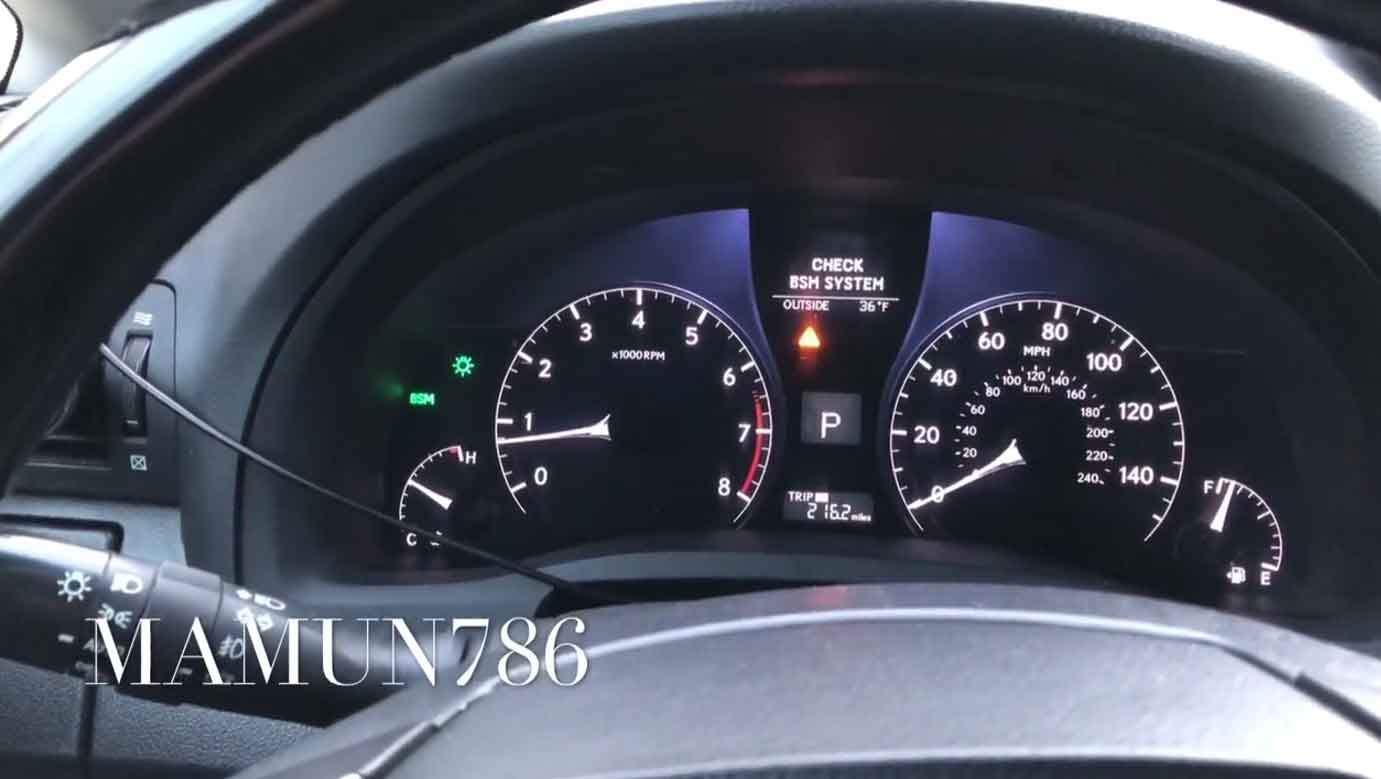
What Does BSM Mean in Your Lexus?
Ever wondered what that BSM light on your dashboard actually does? Let me break it down for you.
BSM stands for Blind Spot Monitor. It’s a safety system I see in every modern Lexus that rolls into my shop. This feature helps you spot cars hiding in your blind spots—those tricky areas you can’t see with regular mirrors.
Here’s how it works in simple terms. Two small radar sensors sit behind your rear bumper. One on each side. These sensors watch for vehicles sneaking up beside you. When a car enters your blind spot, a yellow light blinks on your side mirror. Pretty smart, right?
I’ve seen this system save drivers from dangerous lane changes countless times. The light warns you before you merge into another vehicle. It’s like having an extra pair of eyes on the road.
Most Lexus models also come with Rear Cross Traffic Alert (RCTA). This works when you’re backing out of parking spots. It warns you if cars are approaching from either side. Both systems work together to keep you safe.
Common Problems With Lexus BSM Light
From my years working on Lexus vehicles, I’ve noticed a few recurring BSM issues. Let me share what I see most often in the shop.
Dirty or Blocked Sensors
This is the number one problem I deal with. Mud, snow, dirt, and road grime cover the sensors. I’ve seen it happen after winter storms or muddy drives. When sensors get blocked, they can’t detect other vehicles properly.
How to Fix It:
- Find the sensors behind your rear bumper corners
- Wipe them clean with a soft cloth
- Check them every few weeks, especially in bad weather
- Make sure nothing blocks the sensor area
I always tell customers to clean their sensors during regular car washes. It takes two minutes and prevents bigger headaches later.
False Warnings That Won’t Stop
Sometimes the BSM light blinks even when no car is there. I’ve diagnosed this issue many times. Rain, heavy snow, or even guardrails can trigger false alerts. The sensors think they see a vehicle when they don’t.
How to Fix It:
- Check if sensors are clean first
- Look for loose wiring near the sensors
- Try turning your car off for 5 minutes
- Restart and see if the problem goes away
In my experience, a simple restart fixes about half of these cases. If false alerts keep happening, you might need professional diagnostics.
Electrical Problems
Dead batteries, corroded wires, or blown fuses can knock out your BSM system. I use my multimeter to test these components when a customer reports BSM failures.
How to Fix It:
- Test your battery voltage (should be 12.6 volts or higher)
- Inspect wiring for damage or corrosion
- Check the BSM fuse in your fuse box
- Replace any damaged parts
When I service a car with electrical BSM issues, I always check the battery first. A weak battery causes strange electrical problems throughout the vehicle.
Software Glitches
Modern cars run on computers. Sometimes those computers need updates or have bugs. This can affect your BSM system’s performance.
How to Fix It:
- Visit a Lexus dealer for software updates
- Use an OBD2 scanner to read error codes
- Write down any codes you find
- Let a technician diagnose complex software issues
I keep a quality scanner in my toolbox. It helps me pinpoint exact problems quickly. If you’re not comfortable with diagnostics, a professional can help.
Other Safety Features That Work With BSM
Lexus packs several safety systems into their vehicles. These features team up with BSM to protect you. Here’s what I see in most models:
Rear Cross Traffic Alert (RCTA)
- Watches for cars when you reverse
- Beeps or flashes when danger approaches
- Turns on automatically in reverse gear
- Works great in parking lots
Lane Change Assist (LCA)
- Detects fast-approaching vehicles
- Gives extra warnings during lane changes
- Works alongside BSM
- Helps prevent highway accidents
From years under the hood, I’ve learned these systems work best when all sensors stay clean and calibrated. Regular maintenance keeps everything running smoothly.
How to Turn BSM On and Off
You have two easy ways to control your BSM system. I’ll walk you through both methods.
Method 1: Using the BSM Button
This takes about 5 seconds. Here’s what you do:
- Look on the left side of your steering wheel
- Find the button marked “BSM”
- Press it once to turn the system on
- A green light shows it’s active
- Press again to turn it off
The green indicator disappears when BSM shuts off. Simple as that.
Method 2: Through Your Display Screen
This method takes a bit longer but gives you more control:
- Find the arrow buttons on your steering wheel’s right side
- Press the right arrow repeatedly
- Navigate until you see “Settings”
- Use the down arrow to scroll through options
- Select “BSM” from the menu
- Press the middle button to toggle on or off
- The dashboard icon shows current status
In my shop, I show customers both methods. Most prefer the button because it’s faster. But the display method helps you understand your car’s settings better.
What Does a BSM Warning Light Mean?
Sometimes you’ll see a yellow BSM warning light stay lit on your dash. This means something’s wrong with the system. From my diagnostic experience, several things can trigger this warning:
- Sensors covered with dirt or snow
- Faulty radar sensors needing replacement
- Broken wiring connections
- Low battery voltage
- Software needing updates
- Physical damage to sensor areas
When I service a car with this warning, I start simple. Clean sensors first. Check electrical connections next. Then move to more complex diagnostics if needed.
Most times, the fix is easier than drivers expect. A thorough cleaning solves many warning light issues I encounter.
Tips to Keep Your BSM Working Right
After 15 years working on these systems, I’ve learned what keeps them running well:
Regular Maintenance:
- Clean sensors every month
- Check for damage after minor accidents
- Keep software updated at dealer visits
- Inspect wiring during oil changes
Winter Care:
- Remove ice and snow from sensor areas
- Don’t let salt buildup on rear bumper
- Check sensors work after snowstorms
- Clear buildup from behind wheels
Parking Awareness:
- Avoid bumping curbs near sensors
- Watch for low obstacles when backing up
- Park carefully to prevent sensor damage
- Be gentle with pressure washers near sensors
These simple habits prevent expensive repairs down the road. I’ve seen sensors last the life of the vehicle with proper care.
Final Thoughts on BSM Systems
The Blind Spot Monitor makes driving safer and less stressful. It catches vehicles you might miss in your mirrors. From countless hours diagnosing these systems, I can tell you they’re reliable when maintained properly.
Keep your sensors clean. Address warning lights quickly. Learn how to use the system correctly. Do these things and your BSM will serve you well for years.
Most BSM problems I fix are simple issues—dirty sensors or loose connections. You don’t always need a mechanic. Basic cleaning and checks solve many common problems.
But don’t ignore warning lights. They tell you when something needs attention. Catching small issues early prevents bigger problems later.
Drive safe out there. Your BSM system is watching your back—literally.
Frequently Asked Questions
What makes the BSM light turn on?
The BSM light activates when your system detects a vehicle in your blind spot. It’s working correctly when this happens. If the light stays on constantly or won’t turn off, you likely have dirty sensors or a system fault.
How do I check if my BSM is working?
Look for the green BSM indicator on your dashboard. You can also press the BSM button to see if it lights up. When working properly, the side mirror lights should flash when cars enter your blind spots.
Can I drive with a BSM warning light on?
Yes, your car is safe to drive. But you lose the blind spot monitoring protection. Check mirrors extra carefully when changing lanes. Get the system checked soon to restore full safety features.
How much does BSM sensor replacement cost?
In my shop, sensor replacement runs between $200-400 per sensor. Labor adds another $100-200. Prices vary by model year and location. Many issues don’t need new sensors though—cleaning fixes most problems.
Does cold weather affect BSM sensors?
Yes, ice and snow can block sensors completely. The system may not work until you clean them off. Very cold temperatures can also affect sensor performance temporarily. Clear all snow and ice from your rear bumper area.