
Monday to Saturday - 9:00 am -18:00 pm

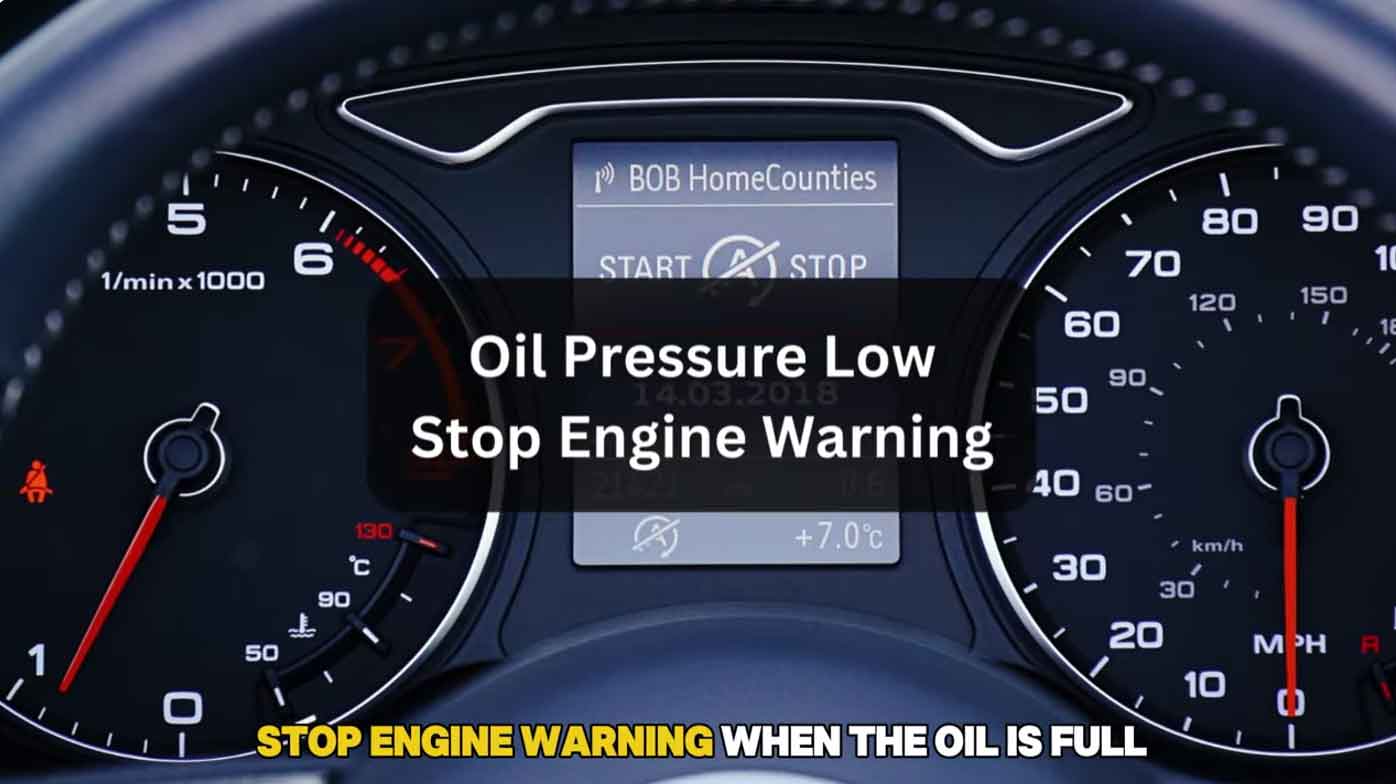
Your car’s dashboard just lit up with an “Engine Oil Low” or “Add Oil” warning. Your heart might skip a beat. Don’t panic yet.
This warning means your engine needs attention soon. But how serious is it? What causes it? And what should you do right now?
In my 15 years as a mechanic, I’ve seen hundreds of these cases. Some were simple fixes. Others prevented major engine damage.
Let me walk you through everything you need to know.
What Does the “Add Oil” Warning Light Mean?
This warning tells you one clear thing: your engine oil level is too low.
Your car’s computer monitors the oil constantly. When the level drops below safe limits, the light comes on.
Think of it like a fuel gauge. But instead of gas, it’s tracking your engine’s lifeblood.
The light usually looks like an old-fashioned oil can. Some cars show the words “Low Oil” or “Add Oil” on the screen.
Why This Warning Matters
Engine oil does three critical jobs:
- Lubricates moving metal parts
- Cools the engine down
- Cleans away dirt and debris
Without enough oil, metal rubs against metal. This creates extreme heat. Parts wear out fast.
From years under the hood, I’ve seen engines fail in under 50 miles when run with low oil.
That’s why this warning demands quick action.
Common Causes of Low Engine Oil
Let me share the most common reasons I find in my shop.
1. Oil Leaks
This is the number one cause I diagnose.
Oil can leak from many places:
- Oil pan gasket – Gets brittle over time
- Valve cover gasket – Cracks from heat
- Oil filter – Can loosen or fail
- Drain plug – May strip or come loose
- Rear main seal – Expensive but common on high-mileage cars
Check your parking spot for puddles. Fresh oil looks amber or brown. Old oil appears black.
I once had a customer ignore a small leak. Three months later, she needed a $4,000 engine rebuild.
2. Burning Oil
Some engines burn oil internally. You won’t see puddles, but the oil still disappears.
Signs your engine burns oil:
- Blue-gray smoke from the exhaust
- Oil smell while driving
- Fouled spark plugs
Common causes include:
- Worn piston rings
- Bad valve seals
- Damaged PCV valve
- Turbocharger issues
Older cars naturally burn more oil. But if a newer car uses more than a quart between oil changes, something’s wrong.
3. Extended Time Since Last Oil Change
This one’s simple but common.
Oil breaks down over time. It gets thicker. It loses volume through evaporation.
When I service a car that’s 5,000 miles overdue, the dipstick often shows critically low levels.
Modern oils last longer than old ones. But they’re not magic. Follow your manufacturer’s schedule.
4. Faulty Oil Level Sensor
Sometimes the oil level is fine, but the sensor isn’t.
The sensor sits in the oil pan. It measures oil height electronically. Over time, these sensors can fail or get covered in sludge.
I’ve replaced dozens of faulty sensors. It’s a quick fix compared to actual oil loss.
5. Wrong Oil Type or Viscosity
Using the wrong oil can cause problems.
Thin oil (like 0W-20) in an engine designed for thick oil (like 10W-40) might burn off faster.
Always check your owner’s manual. Use exactly what the manufacturer recommends.

6. Severe Driving Conditions
Your driving habits matter.
These conditions use more oil:
- Frequent short trips
- Stop-and-go city driving
- Towing heavy loads
- Driving in extreme heat
- Racing or aggressive driving
In my shop, I tell customers who tow regularly to check their oil every week.
How to Check Your Engine Oil Level
Before you add oil, confirm the level is actually low.
Here’s my step-by-step process:
Step 1: Park on Level Ground
Never check oil on a hill. The reading won’t be accurate.
Turn off the engine. Wait 5-10 minutes for oil to drain back into the pan.
Step 2: Locate the Dipstick
Pop your hood. Look for a brightly colored handle (usually yellow or orange).
It’s typically near the front of the engine. Your owner’s manual shows the exact location.
Some newer cars don’t have dipsticks. They use electronic sensors only.
Step 3: Pull and Wipe
Pull the dipstick all the way out.
Wipe it clean with a paper towel or rag.
This removes old oil for an accurate reading.
Step 4: Reinsert and Check
Push the dipstick back in completely.
Wait two seconds.
Pull it out again and look at the end.
Step 5: Read the Markings
The dipstick has two marks:
- MIN or L (Low) – Danger zone
- MAX or H (High) – Full
The oil should sit between these marks. Closer to MAX is better.
If it’s at or below MIN, you need to add oil immediately.
What the Oil Should Look Like
Good oil is amber to light brown. It should look fairly clean.
Dark black oil means it’s dirty but not necessarily low.
Milky or foamy oil indicates water contamination. This is serious – get to a mechanic fast.
What to Do When the Warning Light Comes On
Here’s exactly what I tell customers who call with this warning.
Immediate Actions
1. Don’t Keep Driving Normally
If you’re on the highway, get off at the next exit.
Reduce your speed. Avoid hard acceleration.
The goal is to minimize engine stress.
2. Find a Safe Place to Stop
Pull into a gas station or parking lot.
Turn off the engine as soon as it’s safe.
3. Check the Oil Level
Use the dipstick method I described above.
This confirms whether you actually need oil.
If the Oil Is Low
Add Oil Right Away
Keep a quart of the correct oil in your trunk. This habit has saved my customers hundreds of dollars.
Remove the oil filler cap. It’s usually on top of the engine with an oil can symbol.
Add half a quart. Wait 30 seconds. Check the dipstick again.
Repeat until the level reaches the FULL mark. Don’t overfill.
What If You Don’t Have Oil?
Call for help. Have someone bring oil to you.
In a true emergency, you can drive to the nearest auto parts store. But keep your speed under 40 mph. Watch the temperature gauge.
If the engine starts making knocking noises, stop immediately. Continued driving will destroy the engine.
If the Oil Level Is Fine
The sensor might be faulty.
You can usually drive to a shop safely. But watch for these warning signs:
- Temperature gauge rising
- Unusual engine noises
- Smoke from under the hood
- Loss of power
If any of these happen, stop driving and call a tow truck.
How to Add Engine Oil Correctly
Adding oil is simple, but small mistakes can cause problems.
What You’ll Need
- Correct oil type (check owner’s manual)
- Funnel (prevents spills)
- Clean rag
- Dipstick
Step-by-Step Process
1. Verify You Need Oil
Check the dipstick first. Never add oil without checking.
2. Choose the Right Oil
The oil cap or owner’s manual lists the correct type.
Common specifications: 5W-30, 5W-20, 0W-20, 10W-30.
The numbers indicate thickness. Use exactly what’s specified.
3. Position Your Funnel
Remove the oil filler cap. It twists counterclockwise.
Insert your funnel securely into the opening.
4. Pour Slowly
Add half a quart at a time.
Give the oil 30-60 seconds to drain down into the pan.
5. Check Frequently
After each addition, wait, then check the dipstick.
It’s easier to add more than to remove excess.
6. Don’t Overfill
Too much oil is almost as bad as too little.
Overfilling can damage seals and create excessive pressure.
Stop when the level reaches between the MIN and MAX marks.
7. Replace the Cap Tightly
Make sure it clicks or seats completely.
A loose cap can cause oil leaks and trigger warning lights.
Pro Tips from My Shop
In my experience, these tips prevent common mistakes:
- Buy oil in quarts, not gallons, unless you have multiple vehicles
- Keep one quart in your trunk always
- Write the date on bottles when you open them
- Synthetic oil stays good longer than conventional
- Never mix synthetic and conventional unless your manual says it’s okay
When to See a Mechanic
Some situations need professional help.
Urgent Situations (Get Help Immediately)
- Oil level drops again within a few days
- Large puddles under your car
- Engine makes knocking or ticking sounds
- Smoke from the exhaust or engine bay
- Warning light stays on after adding oil
- Temperature gauge shows overheating
Schedule an Appointment Soon
- You’re adding oil more than once between changes
- You notice small spots in your parking space
- The oil is milky or has bubbles
- You smell burning oil while driving
- Your car has more than 75,000 miles and burns oil
What a Mechanic Will Do
When you bring your car to my shop with an oil warning, here’s my process:
1. Verify the Oil Level
I check it myself with the engine cold.
2. Inspect for Leaks
I look underneath and around the engine. Sometimes I use UV dye that shows leaks under a special light.
3. Check Oil Condition
The color and texture tell me a lot. Burnt oil smells different. Metal particles indicate wear.
4. Test the Sensor
I use a diagnostic scanner to read sensor data. This shows if the sensor is working correctly.
5. Perform a Consumption Test
If burning oil is suspected, I document the oil level. Then I ask you to drive 500-1,000 miles and return.
We measure how much oil was used. This reveals if there’s an internal problem.
6. Check Related Systems
I inspect the PCV valve, valve cover gaskets, and oil filter housing.
Typical Repair Costs
From my experience, here are rough estimates:
- Oil sensor replacement: $100-$250
- Oil change: $40-$100
- Minor leak repair (gasket): $150-$400
- Major leak repair (rear main seal): $600-$1,200
- Valve seal replacement: $1,000-$2,500
- Piston ring replacement: $2,000-$4,000
Prevention is always cheaper than repair.
How to Prevent Future Oil Problems
These strategies come from decades of experience fixing preventable issues.
1. Check Oil Monthly
Don’t wait for a warning light.
Check your oil at least once a month. More often if your car is older or has high miles.
I check mine every time I fill up with gas.
2. Change Oil on Schedule
Follow the manufacturer’s interval exactly.
Modern synthetic oils can last 7,500-10,000 miles. But harsh conditions require more frequent changes.
In my shop, I recommend changes every 5,000 miles for most customers.
3. Use Quality Oil and Filters
Cheap oil and filters save $10 today but cost hundreds later.
Stick with reputable brands. They have better additives and filtration.
I personally use Mobil 1, Pennzoil Platinum, or Valvoline Advanced for synthetics.
4. Fix Small Leaks Quickly
A small drip becomes a big problem.
If you see spots under your car, get it checked within a week.
Small gasket leaks are cheap and easy to fix. Ignoring them leads to expensive damage.
5. Address Engine Problems Early
Weird noises, rough idling, or poor performance can indicate oil-related issues.
Don’t wait until something breaks.
6. Drive Gently
Aggressive driving increases oil consumption.
Hard acceleration, high RPMs, and racing-style driving burn more oil and wear parts faster.
7. Keep Records
Document every oil change. Note the date, mileage, and oil type used.
This helps track consumption patterns and proves maintenance for warranty claims.
Understanding Different Warning Lights
Not all oil-related lights mean the same thing.
Oil Level Warning (Add Oil)
This is what we’ve been discussing. It means the oil quantity is low.
Action: Check and add oil soon. You can usually drive carefully to a safe location.
Oil Pressure Warning
This light looks similar but is far more urgent. It often says “OIL” or shows a red oil can.
This means the oil pump isn’t creating enough pressure. Oil isn’t circulating properly.
Action: Stop immediately. Turn off the engine. Do not drive. Call for a tow truck.
From my years under the hood, I’ve seen engines seize within minutes when driven with low oil pressure.
Maintenance Reminder
Some cars show “Change Oil Soon” or “Maintenance Due.”
This is just a reminder based on mileage or time. It’s not an emergency.
Action: Schedule an oil change within the next week or two.
Check Engine Light
A check engine light with oil issues usually means a sensor problem.
Action: Get it diagnosed within a few days. Most auto parts stores scan codes for free.
Frequently Asked Questions
Can I drive with the oil light on?
If it’s the low oil level warning and you’re close to a safe stop, yes, drive carefully for a short distance.
If it’s the oil pressure warning, no – stop immediately.
How long does it take to add oil?
The actual pouring takes 2-3 minutes. The oil needs 30-60 seconds to settle before you can check the level accurately.
Can I use any oil if it’s an emergency?
It’s better to use the wrong oil than no oil. But get the correct type as soon as possible.
Different viscosities don’t mix ideally, and you should drain and replace with proper oil soon.
Why does my car use oil but I see no leaks?
Your engine is burning oil internally. Common causes include worn piston rings, valve seals, or PCV valve issues.
Is it normal for a car to use some oil?
Many manufacturers consider 1 quart per 1,000-3,000 miles “normal” for some engines. But I personally think that’s excessive for most modern cars.
What happens if I overfill the oil?
Too much oil can damage seals, cause foaming, and increase crankcase pressure. This leads to leaks and poor lubrication.
If you overfill, you’ll need to drain some out.
Can low oil damage my engine permanently?
Yes. Running an engine with critically low oil for even a short time can cause bearing damage, scoring, and seizure.
I’ve replaced engines that were destroyed by just 20 minutes of low-oil driving.
Final Thoughts from a Mechanic
The “Engine Oil Low” warning is your car’s way of asking for help.
It’s not something to ignore or delay.
In my shop, I’ve seen too many engines fail because drivers waited “just one more day.”
Check your oil regularly. Add it when needed. Fix leaks promptly. And follow your maintenance schedule.
These simple habits will keep your engine running strong for 200,000 miles or more.
Your car depends on oil like your body depends on blood. Take care of it, and it’ll take care of you.
If you’re ever unsure what to do, call a trusted mechanic. We’d rather answer a quick question than rebuild your engine.
Stay safe on the road. And remember – that warning light is there to protect your investment.
About the Author: With over 15 years of hands-on experience as a certified automotive technician, I’ve diagnosed and repaired thousands of engine issues. This guide comes from real shop experience, not just book knowledge.