
Monday to Saturday - 9:00 am -18:00 pm

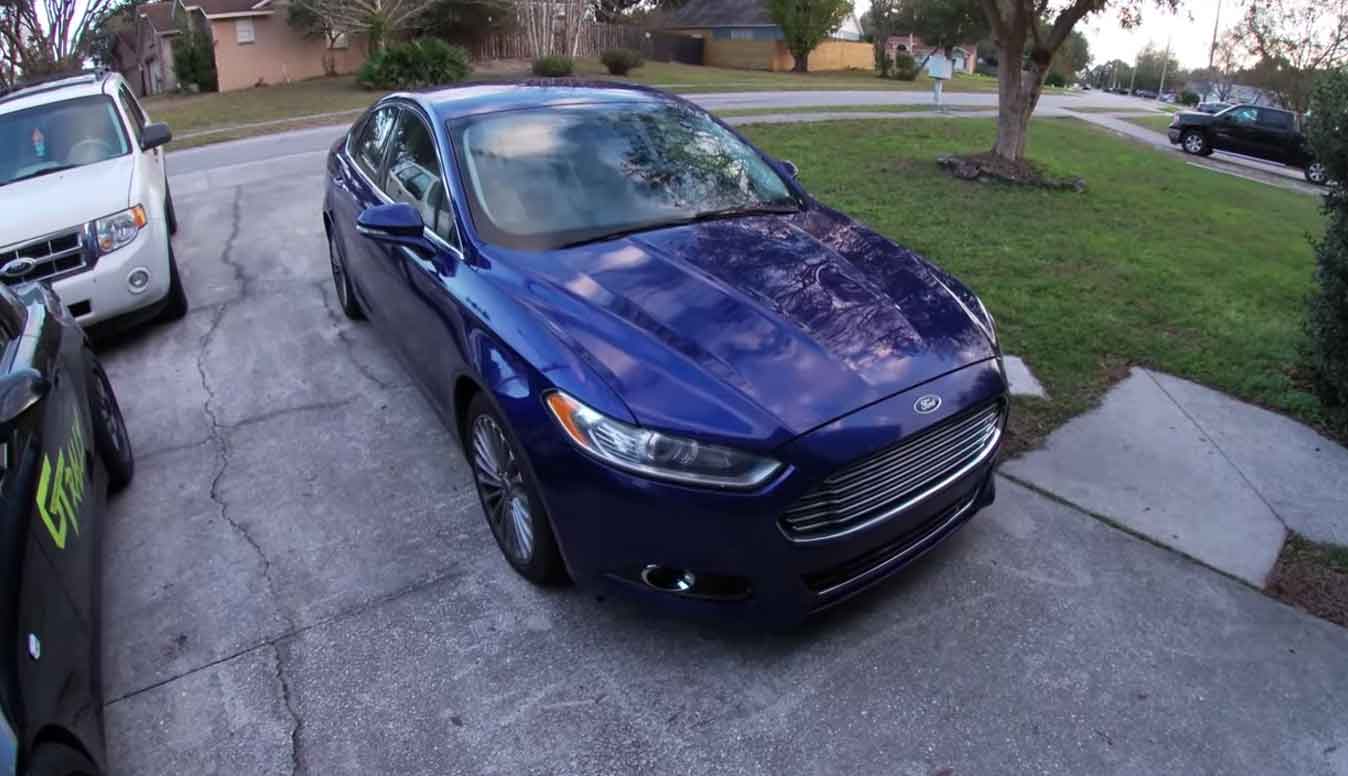
If your Ford Fusion dashboard is showing a “Tire Pressure Sensor Fault” warning, you’re not alone. This is one of the most common issues I see in my shop with Fusion models from 2010 to 2020.
The good news? Most of these problems are fixable without breaking the bank.
In this guide, I’ll walk you through everything you need to know. We’ll cover what causes this fault, how to diagnose it, and the best ways to fix it.
What Does “Tire Pressure Sensor Fault” Mean?
This warning means your car’s computer can’t get a signal from one or more tire sensors.
Your Ford Fusion uses a system called TPMS (Tire Pressure Monitoring System). It has a small sensor inside each tire that sends pressure readings to your dashboard.
When a sensor stops working, you’ll see the warning light.
Sometimes it blinks for about a minute, then stays solid. Other times it just comes on and stays on.
Common Causes of Tire Pressure Sensor Faults
From years under the hood, I’ve found these are the main culprits:
1. Dead Sensor Battery
Each TPMS sensor has a tiny battery inside. These batteries typically last 5 to 10 years.
Once the battery dies, the sensor stops sending signals. You can’t replace just the battery—you need a whole new sensor.
In my shop, this is the number one cause of sensor faults.
2. Damaged Sensor During Tire Service
Tire shops sometimes break sensors during tire changes or rotations.
The sensors attach to the valve stem inside the tire. If a technician isn’t careful, they can crack the sensor or snap the valve stem.
I always tell customers to remind their tire shop to be gentle with TPMS sensors.
3. Corroded Valve Stems
Road salt and moisture can corrode the metal valve stems.
When corrosion gets bad, it can damage the sensor connection. This is especially common in cold weather states.
I see this a lot on Fusions that are 7 or 8 years old.
4. Sensor Programming Issues
Sometimes the sensors are fine, but they’re not programmed to your car correctly.
This happens after:
- Installing new sensors
- Rotating tires without relearning sensor positions
- Battery disconnection in your car
The car loses track of which sensor is which.
5. Interference from Aftermarket Devices
Some aftermarket accessories can interfere with TPMS signals.
I’ve seen cases where cheap tire pressure gauges or certain electronics block the sensor frequency.
This is rare, but worth checking if you recently added anything new to your car.
6. Damaged Wiring or Module
The TPMS control module is located inside your Fusion. It receives all the sensor signals.
If this module fails or the wiring gets damaged, you’ll get a sensor fault.
This is less common but more expensive to fix.
How to Diagnose the Problem
Before you spend money on repairs, let’s figure out what’s actually wrong.
Step 1: Check Your Tire Pressure First
I know this sounds basic, but check all four tires with a quality tire gauge.
If one tire is extremely low (below 25 PSI), that could trigger the fault.
Fill all tires to the recommended pressure. It’s listed on the driver’s door jamb sticker.
Step 2: Drive and See If It Clears
After filling your tires, drive for about 10 minutes at speeds above 20 mph.
Sometimes the system just needs time to recheck all sensors.
If the light goes off, you’re good. If it stays on, move to the next step.
Step 3: Try the Manual Reset Procedure
Your Fusion has a TPMS reset button in the glove box or under the steering wheel.
Here’s how to reset it:
- Turn your ignition to the “On” position (don’t start the engine)
- Press and hold the TPMS reset button
- Hold it until the light blinks three times
- Release the button
- Start your car and drive for 10 minutes
If the light comes back, you have a real sensor problem.
Step 4: Use an OBD2 Scanner
A basic OBD2 scanner can read TPMS codes from your Fusion.
When I service a car like this, I plug in my scanner first. It tells me which sensor is causing the problem.
You can buy a decent scanner for $30 to $50 online. Or many auto parts stores will scan it for free.
Common codes you might see:
- B1342: Sensor circuit fault
- C1440: Left front sensor fault
- C1441: Right front sensor fault
- C1442: Left rear sensor fault
- C1443: Right rear sensor fault
Step 5: Check Sensor Battery Life with a TPMS Tool
Professional TPMS tools can check if sensors are still transmitting.
Most tire shops have these tools. They can scan each tire and tell you:
- If the sensor is working
- Battery voltage level
- Signal strength
In my experience, asking for this scan can save you from guessing.
How to Fix Tire Pressure Sensor Faults
Now let’s get to the solutions.
Fix 1: Replace the Bad Sensor
If one sensor has a dead battery, you need a new sensor.
What you’ll need:
- New TPMS sensor (OEM or quality aftermarket)
- TPMS programming tool or a trip to the tire shop
Cost: $50 to $80 per sensor, plus $50 to $100 for programming and installation.
I recommend replacing sensors in pairs if your car is older. If one died, the others are probably close behind.
Fix 2: Reprogram Existing Sensors
If your sensors are fine but not communicating correctly, they need reprogramming.
Most Ford dealerships can do this in about 30 minutes.
Cost: Usually $50 to $100 for programming.
You can also buy a TPMS relearn tool for about $100 if you want to do it yourself.
Fix 3: Replace Corroded Valve Stems
Valve stem replacement is cheap and easy during a tire change.
Tell your tire shop to replace the valve stems and TPMS sensors together.
Cost: $5 to $15 per valve stem, plus labor if you’re not already getting tires changed.
Fix 4: Update or Replace the TPMS Module
If the control module is bad, this is a bigger job.
The module is behind the dashboard in most Fusion models.
Cost: $200 to $400 for the part, plus 2 to 3 hours of labor.
I’ve only had to do this a handful of times in 15 years. It’s not common.
Fix 5: Check for Recalls or TSBs
Ford has issued Technical Service Bulletins for TPMS issues on certain Fusion years.
Check with your local Ford dealer using your VIN number. Some fixes might be covered under warranty extension.
DIY vs. Professional Repair
Some of these fixes you can do yourself. Others need a professional.
You can DIY:
- Checking and filling tire pressure
- Manual TPMS reset
- OBD2 code reading
You’ll need a shop for:
- Sensor replacement and programming
- Module replacement
- Proper diagnosis with professional TPMS tools
From years under the hood, I’d say unless you have the right tools, sensor replacement is best left to professionals.
Preventing Future TPMS Problems
Here’s how to avoid this headache down the road:
1. Tell tire shops about your sensors
Every time you get tires rotated or changed, remind the technician about TPMS sensors.
2. Replace sensors proactively
If your Fusion is 8 to 10 years old, consider replacing all sensors before they fail.
3. Keep tires properly inflated
Low tire pressure puts stress on sensors. Check your pressure monthly.
4. Avoid cheap aftermarket sensors
When I service a car like this, I use quality sensors. Cheap ones fail quickly.
Spend the extra $20 per sensor for a reputable brand.
5. Get sensors reprogrammed after battery replacement
If you disconnect your car battery, have the TPMS system checked afterward.
Frequently Asked Questions
Can I drive with a tire pressure sensor fault?
Yes, but you won’t get low tire pressure warnings. Check your tire pressure manually every week.
How much does it cost to fix?
Simple resets are free. New sensors run $50 to $80 each. Full diagnosis and repair typically costs $150 to $300.
Will the check engine light come on?
No. The TPMS warning is separate from the check engine light. It’s usually a horseshoe-shaped icon with an exclamation point.
Can I just ignore it?
You can, but it’s not safe. The TPMS system warns you about dangerous tire pressure drops. Driving on underinflated tires causes blowouts.
Do I need OEM sensors or can I use aftermarket?
Quality aftermarket sensors work fine. I use brands like Dorman, ACDelco, or Schrader in my shop. They’re cheaper than Ford OEM and work just as well.
How long do TPMS sensors last?
Typically 7 to 10 years. The battery life is the limiting factor.
Can cold weather cause false warnings?
Yes. When temperature drops, tire pressure drops too. A 10-degree temperature change can drop pressure by 1 PSI. This might trigger the warning.
Final Thoughts
The “Tire Pressure Sensor Fault” warning on your Ford Fusion is annoying but usually fixable.
Most of the time, it’s just a dead sensor battery. A quick trip to a tire shop with a TPMS tool will identify the problem.
Budget around $150 to $300 for most repairs. If you’re handy, you might save money by doing the diagnosis yourself.
In my shop, I see these repairs completed in under an hour once we know which sensor is bad.
Don’t ignore the warning. Your TPMS system is there to keep you safe. A tire blowout at highway speed is far more expensive than a sensor replacement.
If you’re unsure about anything, find a trusted mechanic who works on Fusions regularly. We see these problems all the time and can fix them quickly.
Stay safe on the road!
About the Author: This guide was written based on real shop experience servicing hundreds of Ford Fusion vehicles. Always consult your owner’s manual and a certified mechanic for specific advice about your car.