
Monday to Saturday - 9:00 am -18:00 pm

What You’ll Learn
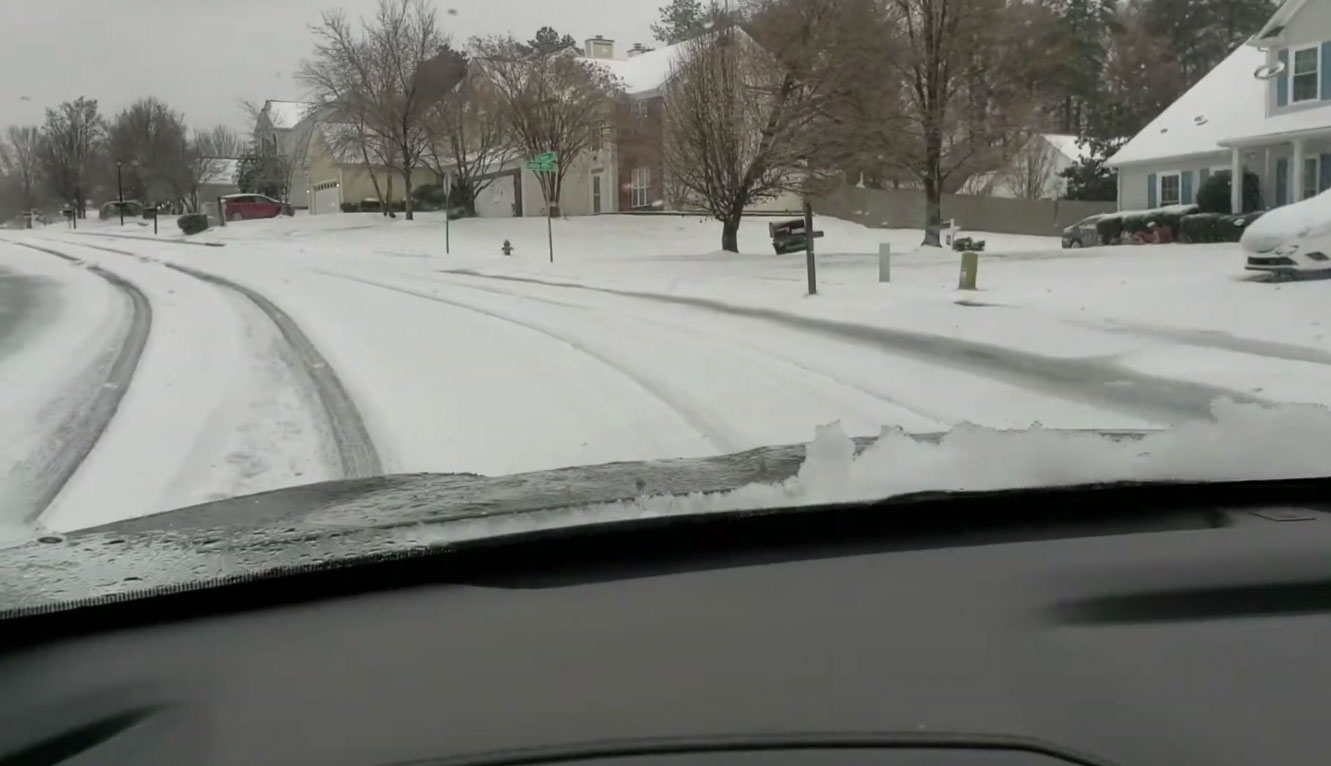
Snow mode isn’t magic. It’s a smart system that changes how your Pilot behaves on slippery roads.
In this guide, I’ll explain exactly what happens when you activate it. You’ll learn what the transmission does, why the throttle changes, and when you actually need to use it.
I’ll also tell you what Snow mode can’t do. Too many drivers think it makes them invincible in winter—it doesn’t. But used correctly, it gives you real confidence.
What Is Snow Mode?
Snow mode is part of Honda’s Intelligent Traction Management system. It’s one of several drive modes available on the Pilot.
The system also includes Normal mode, Sport mode, and (on some trims) Mud, Sand, and Trail modes.
Snow mode is designed to help you drive safely on snow, ice, and slippery surfaces. It does this by changing how the engine, transmission, and braking system work together.
The goal is simple: Keep the wheels from spinning. Wheel spin causes loss of traction and loss of control.
How Snow Mode Works
Snow mode makes four key changes to your Pilot. Here’s what actually happens.
Starts in Second Gear
This is the biggest change.
Normally, your Pilot starts in first gear. First gear gives you lots of power and quick acceleration.
On ice and snow, that power is a problem. It causes the wheels to spin before they grip.
In Snow mode, the transmission starts in second gear instead of first.
This reduces power to the wheels at startup. Less power means less wheel spin. Less wheel spin means better traction.
Think of it like starting a manual car. Experienced drivers use second gear on snow to avoid breaking traction. Honda’s computer does this automatically.
Why this matters: You’re already losing some speed off the line. The trade-off is stability. You won’t slide.
Dampens Throttle Response
Snow mode makes the gas pedal less sensitive.
You have to push harder to accelerate. The engine doesn’t jump to high RPMs when you step on it.
Instead, throttle increases happen slowly and smoothly.
This gives you more control. You can feel the road. You can adjust your speed in small steps instead of jerky movements.
In practical terms: Light pressure on the pedal won’t cause sudden acceleration. This prevents you from spinning out at intersections or during turns.
Adjusts Power Delivery
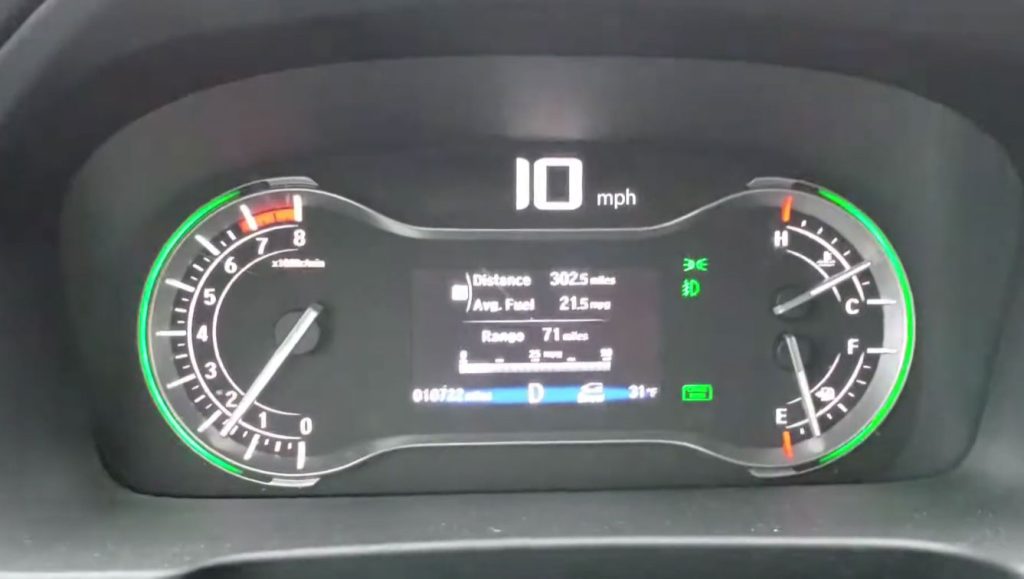
On AWD models, Snow mode redistributes power between the front and rear wheels.
In Normal mode on AWD, most power goes to the front wheels under acceleration. The system sends power to the rear wheels only when it detects slip.
In Snow mode, power is distributed more evenly between all four wheels. The system is more aggressive about sending torque to the wheels with the most grip.
This helps the Pilot stay planted and stable.
On FWD models, Snow mode can’t shift power to the rear (there are no rear drive wheels). But the transmission and throttle adjustments still work. That’s why FWD Pilots also get the second-gear start and dampened throttle.
Works With Traction Control
Snow mode doesn’t replace traction control. It works with it.
Traction control sensors monitor wheel speed. If a wheel starts to slip, the system applies the brakes to that wheel. It also cuts throttle to slow the spinning.
Snow mode makes the traction control more aggressive. It responds faster and works harder to prevent slip.
You also get smoother steering inputs in Snow mode. The system reduces sudden steering corrections that could cause a slide.
Key Differences Between 2WD and AWD
Not all Pilot models have the same Snow mode. Trim level and drivetrain matter.
2WD Models (FWD): All Pilot trims with front-wheel drive get Snow mode. It includes the second-gear start and dampened throttle.
AWD Models: All Pilot AWD models get Snow mode. They also get Mud and Sand modes for other terrain.
The difference is what the system can do with power distribution.
A 2WD Pilot can’t shift power to the rear because it doesn’t have rear drive wheels. The transmission and throttle changes still help, but you’re limited to front-wheel traction.
An AWD Pilot has more tools. It can adjust front-to-rear power split in real time. This is why AWD generally performs better in snow.
Real-world difference: On a slippery hill, an AWD Pilot will have better traction and less wheel spin. A 2WD Pilot will feel the rear pushing around more.
But both will be much more capable in Snow mode than in Normal mode.
When to Activate Snow Mode
Use Snow mode in these situations:
Fresh snow or packed snow on roads. This is the main use case. Snow reduces traction by half or more. Snow mode helps fight that.
Icy roads or black ice. Ice is one of the worst surfaces for traction. Snow mode is built for this. Activate it before you hit icy patches if you can.
Wet roads in very cold weather. Below freezing, wet roads freeze quickly. They’re almost as slippery as snow. Snow mode helps here too.
Slush or slurry. This mixed snow and water is unpredictable. Snow mode gives you more stability.
Parking lots covered in snow. You’re moving slowly anyway. Snow mode prevents the Pilot from lurching forward at intersections or when pulling out of spaces.
Uphill on snow. Snow mode helps you maintain momentum without wheel spin. This is especially useful on mountain roads.
Steep downhill on snow. Snow mode works with the brakes to keep you stable and under control.
The rule of thumb: If the road has any snow, slush, or ice on it, activate Snow mode. It costs nothing. It helps in every situation where traction is reduced.
When NOT to Use Snow Mode
Don’t use Snow mode in these situations:
Dry pavement. Snow mode limits engine power and throttle response. On dry roads, you don’t need this. You lose performance for no reason.
Wet but not icy roads in warm weather. Normal mode is fine. Regular traction control handles wet pavement well.
Normal highway driving in clear conditions. There’s no reason to use Snow mode. It will make the Pilot feel sluggish and slow to accelerate.
Merging onto a highway in good conditions. You need full throttle response to merge safely. Snow mode prevents this.
Off-road or trail driving. Use Mud or Sand mode instead (if you have an AWD model). These modes are designed for those surfaces.
Spirited driving or performance driving. Snow mode is for safety and traction, not speed. If you want responsive acceleration, use Normal or Sport mode.
After snow clears but before the roads fully dry. This is a gray area. If the pavement is mostly clear and roads are warming up, Normal mode is fine. But if you’re unsure, leave Snow mode on. Better safe than sorry.
Highway driving above 40 mph in normal winter conditions. Snow mode is designed for low-speed, slippery-surface driving. On a well-plowed highway, Normal mode is better. That said, it won’t hurt to leave it on if roads are unpredictable.
How to Activate Snow Mode
The process is simple, but the exact location depends on your model year and trim.
For most Pilot models:
Look for the Intelligent Traction Management button on the center console. It usually has a vehicle icon on it.
Press the button once. A menu appears on your driver information display showing available modes: Normal, Snow, Sport, and (on some models) Mud, Sand, and Trail.
Press the button again or use the arrow buttons on your steering wheel to cycle to Snow mode. The display will show “Snow” when it’s selected.
The mode is now active. You’ll see a snow icon on your dashboard.
Important: Snow mode resets to Normal each time you turn the vehicle off and restart it. You have to reactivate it every drive.
For 2021 and newer models:
Some newer Pilots have a touchscreen interface. The drive mode button might be in the vehicle settings menu rather than a physical button.
Check your owner’s manual for exact location. The process is similar, but the interface may vary.
Common Mistakes Drivers Make
I’ve seen these mistakes over and over:
Mistake 1: Never using Snow mode.
Many drivers don’t even know their Pilot has it. They drive through snow in Normal mode and wonder why they slide. Snow mode is free help. Use it.
Mistake 2: Forgetting to turn it off.
Snow mode resets each time you restart, but many drivers activate it repeatedly even after roads clear. They drive on dry pavement in Snow mode and then blame the Pilot for being slow. Snow mode makes sense only on slippery surfaces.
Mistake 3: Thinking Snow mode makes you invincible.
This is dangerous. Snow mode helps, but it’s not a guarantee. You still need to drive slowly, keep distance from other cars, and avoid sudden maneuvers.
I’ve seen accidents in Snow mode because drivers got overconfident. Snow mode reduces risk. It doesn’t eliminate it.
Mistake 4: Using Snow mode on highway at high speed.
Snow mode limits engine power and revs. On a highway, this can make you feel like the Pilot is underpowered. Use it on local roads and lower speeds, not at 65 mph.
Mistake 5: Confusing it with winter tires.
Snow mode is a system. Winter tires are rubber. Winter tires are more important. You can’t have good snow performance with all-season tires and Snow mode. You need winter tires.
Does Snow Mode Replace Winter Tires?
Absolutely not.
Winter tires are the single most important thing you can do for snow driving. Snow mode is second place.
Here’s why:
Winter tires have special rubber. The compound stays soft and flexible below 45 degrees Fahrenheit. All-season tires harden up in the cold. Hardened rubber doesn’t grip.
Winter tires have more sipes. Sipes are tiny cuts in the tread. They bite into snow and ice. All-season tires have fewer sipes.
Winter tires have better design. The tread pattern is optimized for snow, not a compromise between snow, wet, and dry.
Test it yourself: Drive a Pilot with all-season tires and Snow mode on snow, then drive the same Pilot with winter tires in Normal mode. The winter tires win every time.
The right approach: Winter tires + Snow mode = the best traction you can get.
Snow mode alone (even on an AWD Pilot) won’t save you if your tires are summer or all-season.
If you live in a heavy snow area, winter tires are non-negotiable. Snow mode is the bonus.
FAQ
Q: Can I use Snow Mode on dry pavement?
Yes, but you shouldn’t. It won’t damage anything. But Snow mode limits power and throttle response. Your Pilot will feel sluggish. Turn it off.
Q: What happens if I forget to turn off Snow Mode on dry roads?
Nothing bad. The Pilot will drive fine. It’ll just feel underpowered when accelerating. As soon as you realize it, press the Intelligent Traction Management button to switch back to Normal.
Q: Does Snow Mode work on black ice?
Yes. Black ice is one of the toughest surfaces to drive on. Snow mode’s second-gear start and dampened throttle help a lot. But don’t expect miracles. Black ice is slippery to everything. Drive slowly and keep distance.
Q: Can I switch to Snow Mode while driving?
Yes. The system is designed to let you switch modes on the fly. You don’t have to pull over. Just press the Intelligent Traction Management button and select Snow.
Q: Is my 2WD Pilot as good in snow as an AWD Pilot with Snow Mode?
Not quite. An AWD Pilot with Snow mode is more capable. The power distribution to all four wheels helps. But a 2WD Pilot with Snow mode and winter tires is still very capable. The difference is real but not huge.
Q: Does Snow Mode use more fuel?
Slightly, yes. Limiting throttle and starting in second gear means the engine works a bit harder to move the vehicle. The difference is minimal—maybe 1-2 mpg. But it’s there.
Q: What if Snow Mode keeps applying the brakes and I feel it’s too much?
This happens on some models. Some drivers report that Snow mode is “hyperactive” with brake application. If this bothers you, you can turn off Vehicle Stability Assist (VSA) while in Snow mode. This lets the wheels slip more and reduces brake intervention. But this is less safe. Only do this if Snow mode feels dangerously over-conservative.
Final Thoughts
Snow mode is a real tool, not a gimmick.
It works by making simple, smart changes: starting in second gear, dampening throttle, and redistributing power (on AWD models).
These changes reduce wheel spin. Less wheel spin means more traction. More traction means better control.
But Snow mode is only part of the equation. You still need:
- Winter tires. This is the most important.
- Slow speeds in snow and ice.
- Good distance between you and other cars.
- Smooth driving. No sudden accelerations or turns.
If you live where it snows, activate Snow mode as soon as flakes start falling. Leave it on until roads are fully clear. It costs nothing and helps in every snowy situation.
And get winter tires if you don’t have them. The combination of winter tires and Snow mode makes your Pilot genuinely capable in snow.
That’s the honest mechanic’s take.
About the Author
The Mechanic Voice team includes certified technicians with hands-on experience on thousands of vehicles, including Honda Pilots from multiple generations. This article is based on manufacturer specifications, owner feedback, and real-world winter driving experience in both US and UK conditions.